Smart speaker maker Sonos has officially filed to go public.
The company, which confidentially filed for an IPO in April, could raise as much as $100 million in the offering. It could be valued at as much as $3 billion.
According to its regulatory filings, Sonos brought in revenue of over $1 billion in the 12 months ending in March. It posted a profit of $13.1 million in the first half of its fiscal year, slightly lower than the $15 million brought in the previous year. Over the last 12 months though, the company posted a loss of about $16 million.
Sonos, founded in 2002, has become a massive player in the home audio space, its products integrating with Amazon Alexa. But it's also got a lot of competition, from Amazon itself, as well as Apple, Google, and traditional speaker companies like Bose.
The company plans to list on the Nasdaq under the ticker "SONO."
Christie's has announced the sale of Beeple's first ever physical artwork and video NFT called 'Human One.' The hybrid piece is expected to fetch over $15 million at its upcoming auction. Noah Davis, Christie's Head of Digital Art joined Cheddar's Opening Bell.
Later today House Republicans will grill Snap, Tiktok and Youtube on how their products affect the mental health of teenagers. It comes after a report revealed that Facebook's photo sharing platform, Instagram, can be harmful to teen's mental health. Rishi Bharwani, Director of Partnerships and Policy, Accountable Tech joined Cheddar's Opening Bell to discuss.
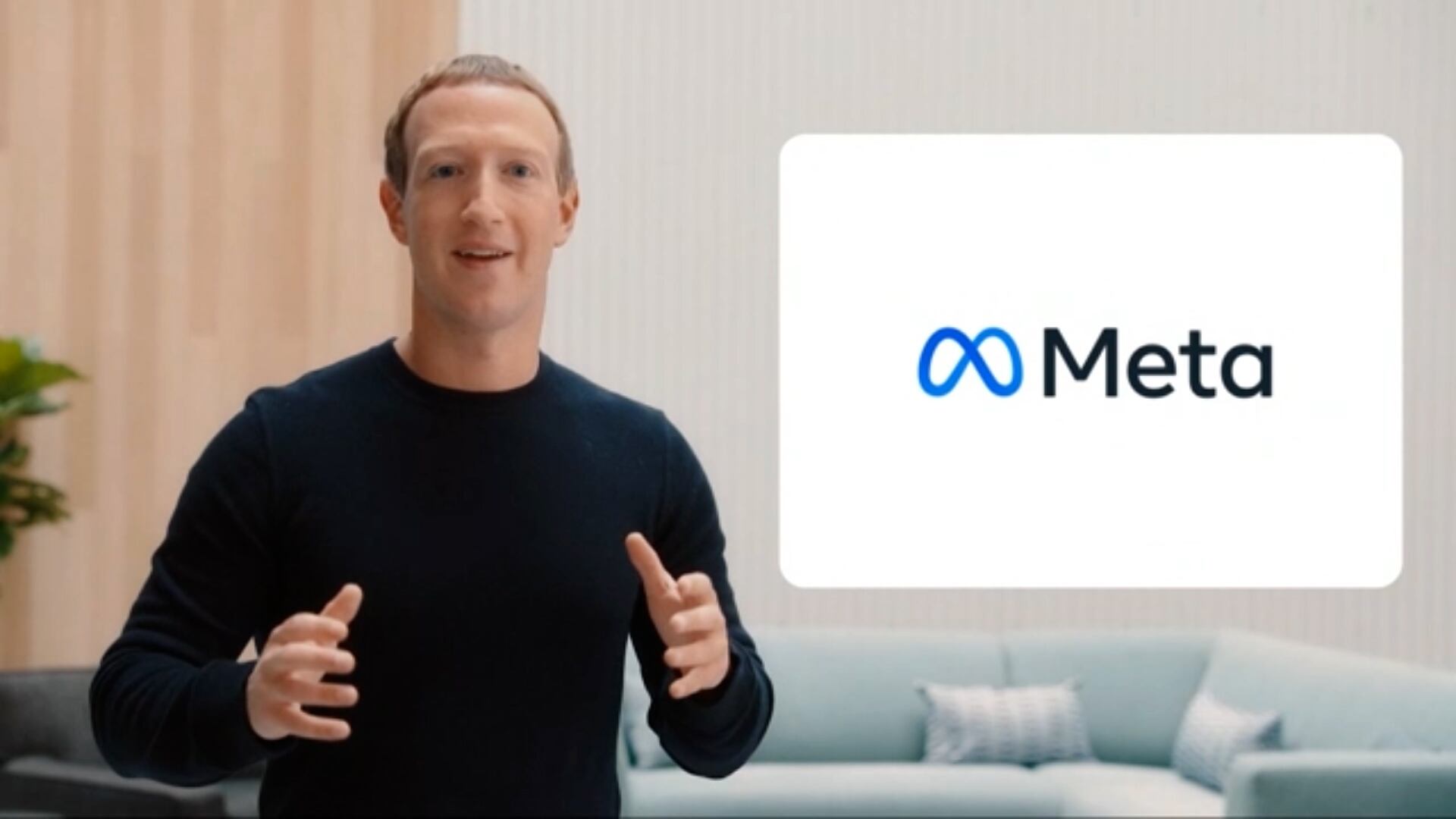
Facebook is changing its company name to Meta. The social media giant is rebranding itself to focus on building the metaverse, a futuristic, immersive experience that would allow people to interact virtually on a daily basis. Steve Sosnick, Interactive Brokers' Chief Strategist, joined Cheddar to discuss the implications of the metaverse and why Facebook is making the move now.
Mark Sebastian, CIO of Karman Line Capital & Founder of OptionPit.com, discusses the inflation headwinds impacting the market and how scrutiny over Facebook's practices could impact revenue for the social media giant going forward.
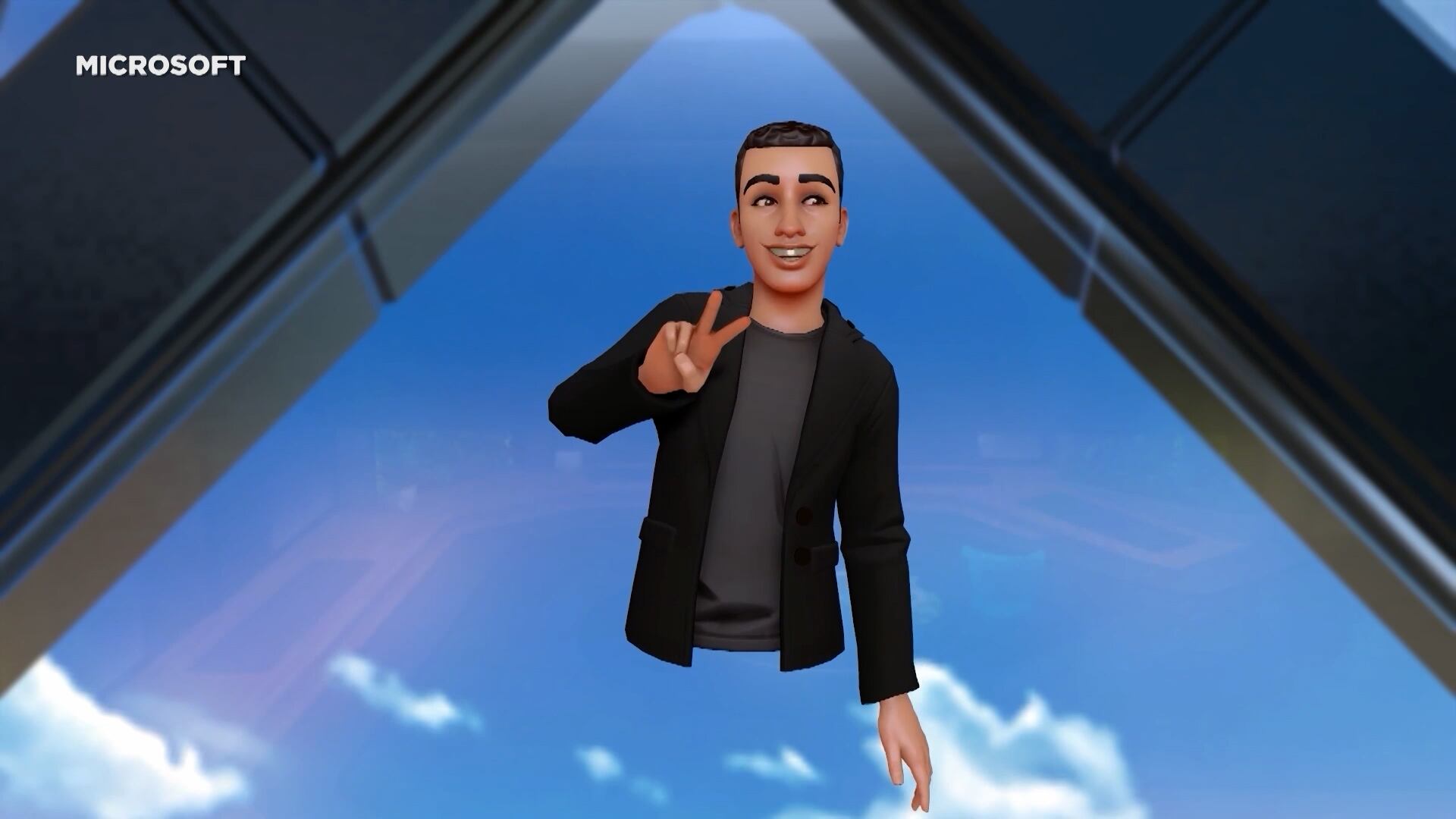
Just days after Facebook's Meta announcement, Microsoft announced that it will be launching its own mixed reality platform called Mesh through Teams. Jared Spataro, corporate vice president at Microsoft 365, joined Cheddar to provide some additional insight into this metaverse for businesses and how they can benefit from incorporating the tech. Among the features, Mesh users will be able to use cartoon-like avatars to interact with colleagues in an immersive virtual environment.
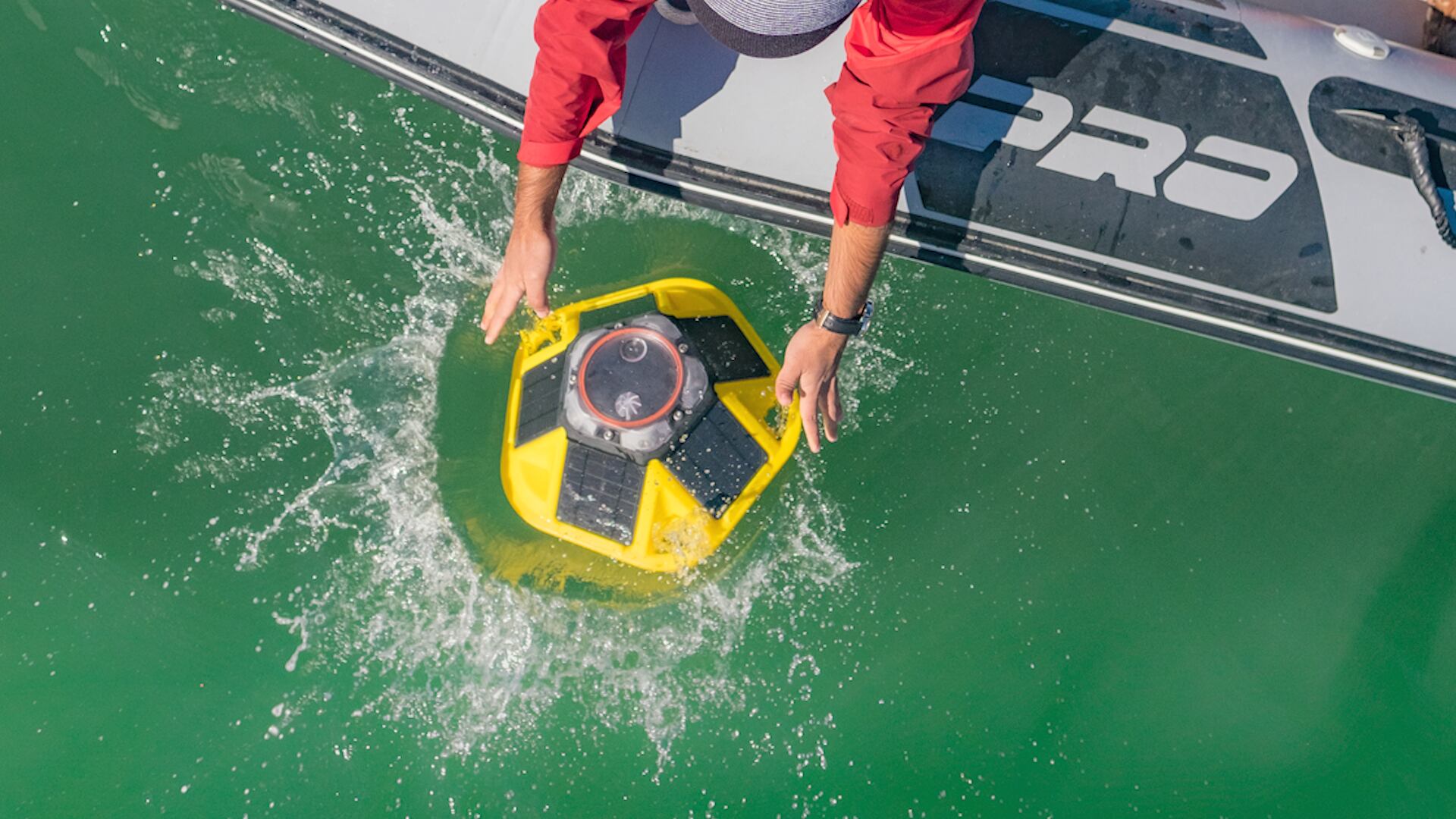
Cheddar gets a look at Curiosity Stream's 'Ancient Oceans'; Deep-sea biologist Heather Bracken-Grissom sheds light on some of the monsters that we can and cannot explain lurking in the darkness of the ocean's depths; Tim Janssen, CEO of Sofar Ocean, discusses Sofar Ocean's latest round of Series B funding, and how Sofar Ocean is helping connect all five oceans to help everything from climate change to the global shipping industry.
Tim Janssen, CEO of Sofar Ocean, joins 'Cheddar Reveals' to discuss Sofar Ocean's latest round of Series B funding, and how Sofar Ocean is helping connect all five oceans to help everything from climate change to the global shipping industry.
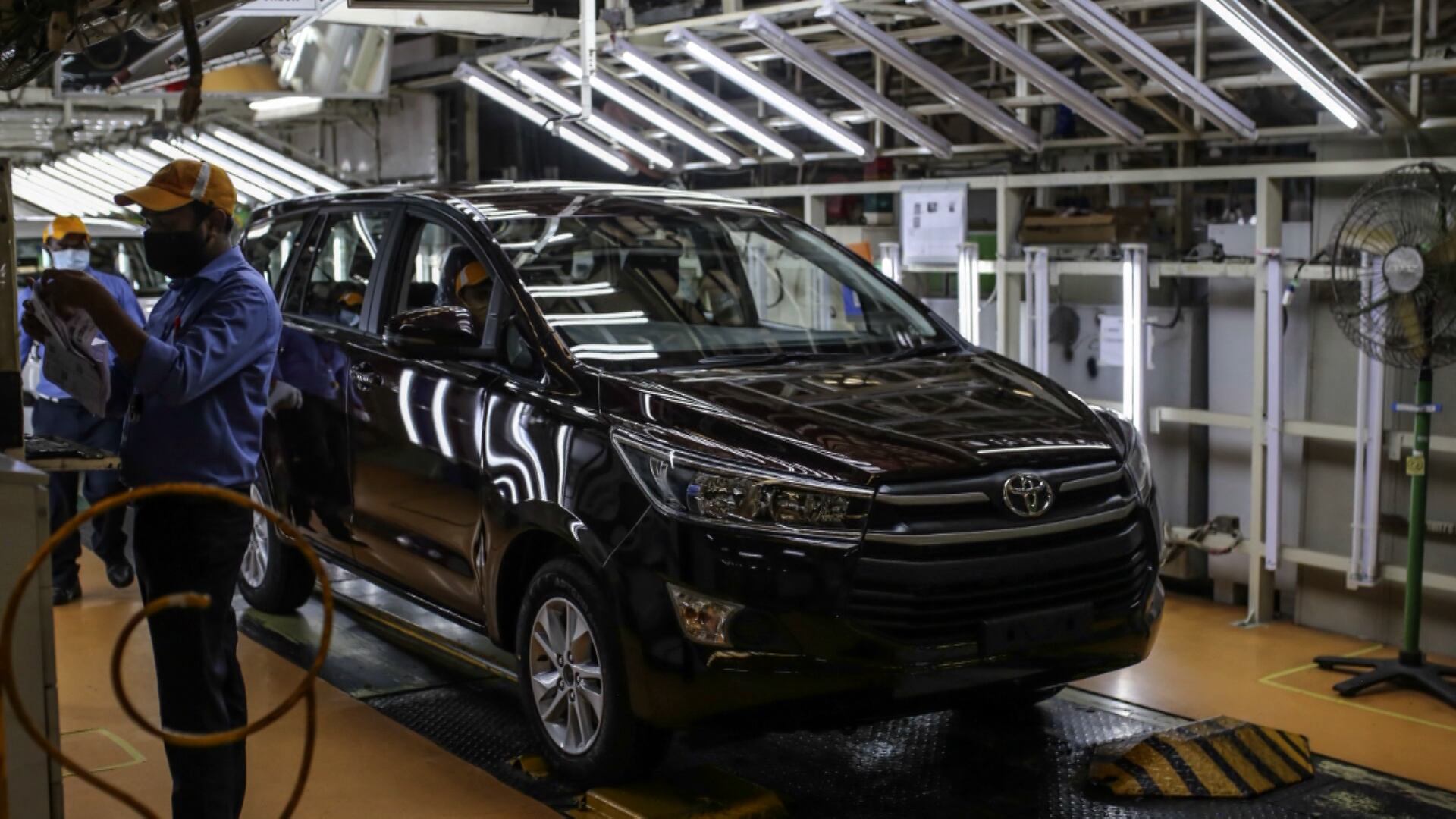
Bob Carter, EVP of sales at Toyota Motor North America, joined Cheddar to discuss the company's first all-electric SUV, the BZ4X, to be available in the United States in spring of 2022. Carter also went into the ongoing global semiconductor chip shortage that forced the automaker to slash production by 15 percent in November impacts on production and the other electric vehicle model being offered from its Lexus brand.
Ted Mortonson, Technology Strategist at Baird, joined Wake Up With Cheddar to break down the factors that led to weaker-than-expected earnings results for the two tech giants, and whether they can find solutions to these issues in the coming months.
Carlo and Baker cover the big races to watch on this off-cycle Election Day, the concrete pledges starting to come out of COP26, Jeffrey Epstein keeps causing CEOs to lose their jobs, and Ryan Murphy's TV hit that wasn't.