Smart speaker maker Sonos has officially filed to go public.
The company, which confidentially filed for an IPO in April, could raise as much as $100 million in the offering. It could be valued at as much as $3 billion.
According to its regulatory filings, Sonos brought in revenue of over $1 billion in the 12 months ending in March. It posted a profit of $13.1 million in the first half of its fiscal year, slightly lower than the $15 million brought in the previous year. Over the last 12 months though, the company posted a loss of about $16 million.
Sonos, founded in 2002, has become a massive player in the home audio space, its products integrating with Amazon Alexa. But it's also got a lot of competition, from Amazon itself, as well as Apple, Google, and traditional speaker companies like Bose.
The company plans to list on the Nasdaq under the ticker "SONO."
Snap stock saw the worst day ever after a large drop in price on Tuesday following warnings of revenue and earnings slowdown. This trend caught on with other social and digital media stocks due to fears that brands heavily relying on advertising get hit with the same inflation struggles. However, some analysts note that Snap may be a unique case due to a rapid, possibly unsustainable, expansion leading to the current grim forecast.
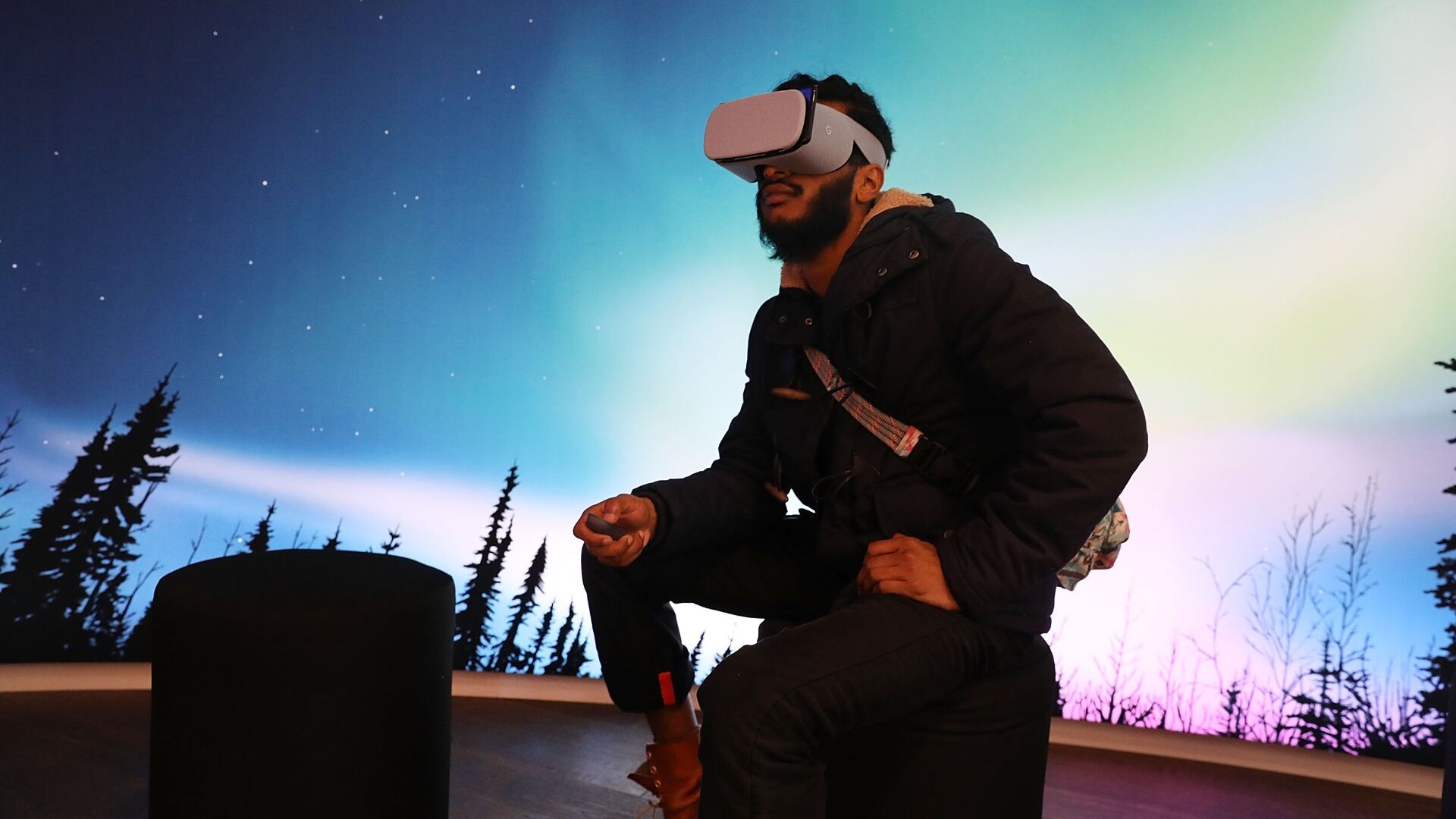
From Meta’s Oculus to PlayStation’s VR headsets, Cheddar News anchors Ken Bufa and Kristen Scholer cover the potential for this tech in Cheddar Connected as more heavy hitters like Apple look to take the stage.
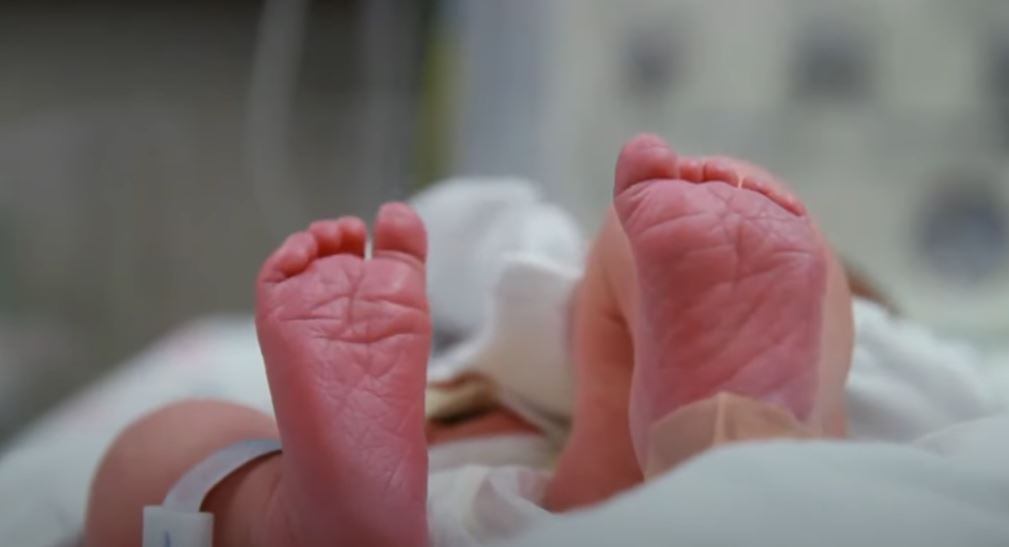
Umbilical cord blood banking platform Anja Health raised $4.5 million dollars in a seed round led by Seven Seven Six, a venture capital firm founded by Reddit co-founder Alexis Ohanian. Anja Health offers a personalized, doctor-backed cord blood bank, which lets new parents freeze stem cells from their child's umbilical cord so they can be used to treat diseases in the future. It's a process Anja has called 'Hollywood's best-kept secret,' as celebrities like Kylie Jenner, Serena Williams, and more have all banked their umbilical cord blood. Kathryn Cross, the founder of Anja Health, joins Cheddar News' Closing Bell to discuss.
Catching you up on what you missed in today's news. Elon Musk has increased his commitment to purchase Twitter to $33.5 billion, Apple is raising its hourly wages for retail stores to compete for talent, and Roblox has announced that it will be partnering with the medically prescribed video game ‘Endeavor’ to help treat patients with ADHD.
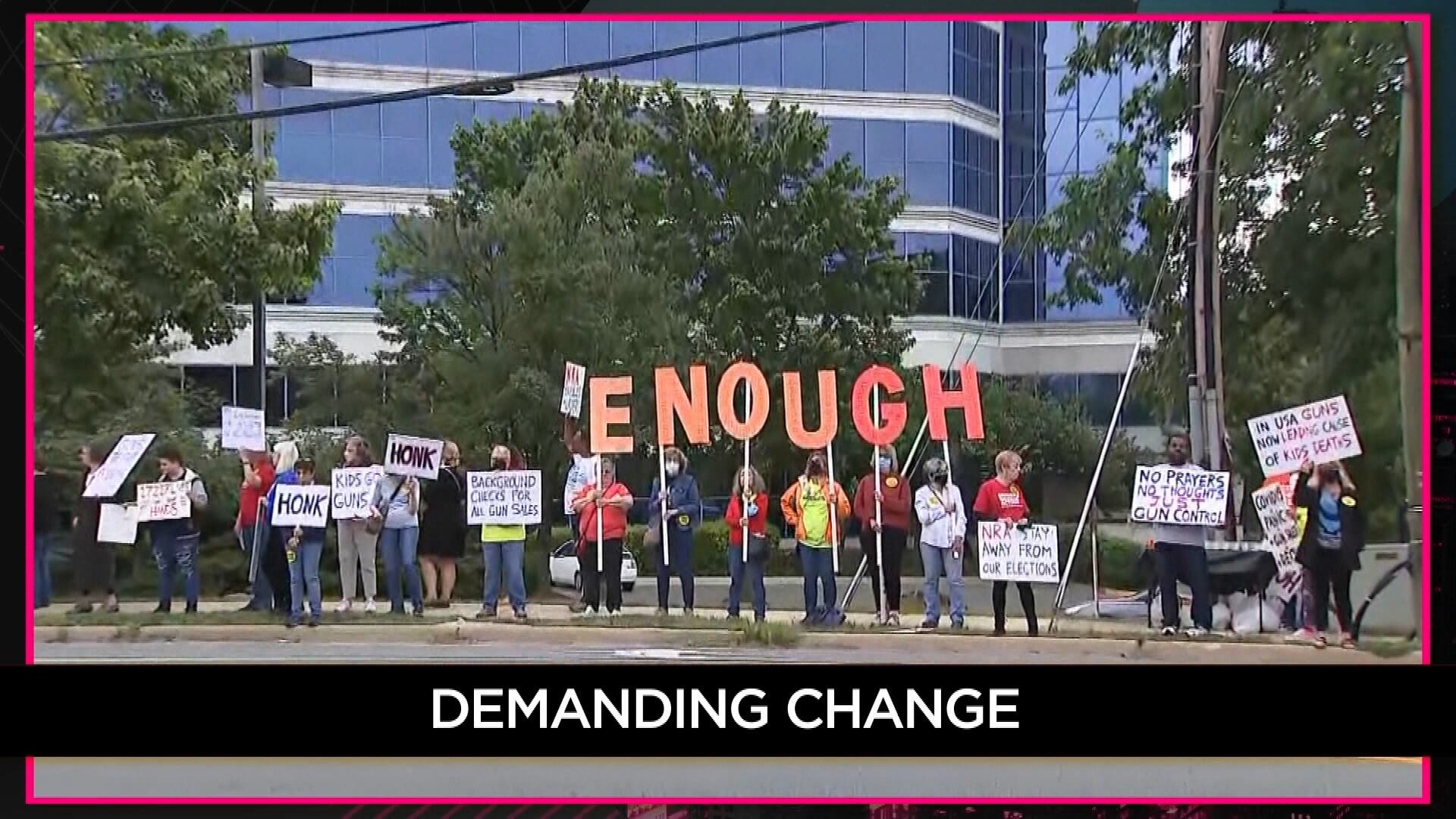
After learning that the suspect in the Uvalde school shooting posted about his intentions on Facebook, activists are urging social networks to make changes. Lena Derhally, a licensed psychotherapist and author of "The Facebook Narcissist," joined Cheddar News to discuss the role social media plays in school shootings. "They're not really invested in taking down hateful content," she said about social platforms."In regards to the shooting, it was 15 minutes before that actual threat. It would be pretty hard for a social media company to trace that threat that quickly. But what they can do better is take down threats and hateful content much faster and more than they're doing now."