Songwriting Legend Linda Perry Explains Her Beef With Streaming
Music artists won a big fight against streaming services this week, but legendary songwriter Linda Perry thinks there’s more to be done.
“There’s a lot of people where this is their bread and butter, this is what they’re leaving to their children, this is their gift, this is their music...and they’re being very overlooked and underpaid,” she told Cheddar.
“Are we trying to make changes? Yes, absolutely.” But that change isn’t coming fast enough.
Perry’s comments come after the Copyright Royalty Board ruled that companies such as Google, Spotify, and Apple need to increase artists’ pay from 10.5 percent to 15.1 percent of revenues over the next five years. This is the largest pay increase in CRB history, according to one industry organization.
But the Songwriters Hall of Fame inductee, who’s written for the likes of Christina Aguilera and Alicia Keys, told Cheddar that in the days before streaming, artists would get more.
“When MTV played your song or video you would get $49.95, and then every time the radio played your song you would get a certain amount of money,” Perry said. “Your songs weren’t played [as much], and you were making a lot of money. Now your songs are all over the place, and you’re making less money.”
For full interview, [click here](https://cheddar.com/videos/music-legend-linda-perry-helps-unknown-artists-get-heard).
Marjorie Woods, Owner of Epic Food Group, joins ChedHER to discuss the story behind her company, challenges during the pandemic, and her plans for growth.
The Department of Justice is suing Texas over the state's new abortion law that prohibits abortions after six weeks, well before many women even know they're pregnant. The lawsuit argues the law is unconstitutional under long-standing Supreme Court precedent. It was filed last week in federal court in Texas, but could go all the way to the high court within weeks. Josh Blackman, a constitutional law professor at South Texas College of Law Houston, discusses the DOJ lawsuit and what it could mean for other abortion laws across the country.
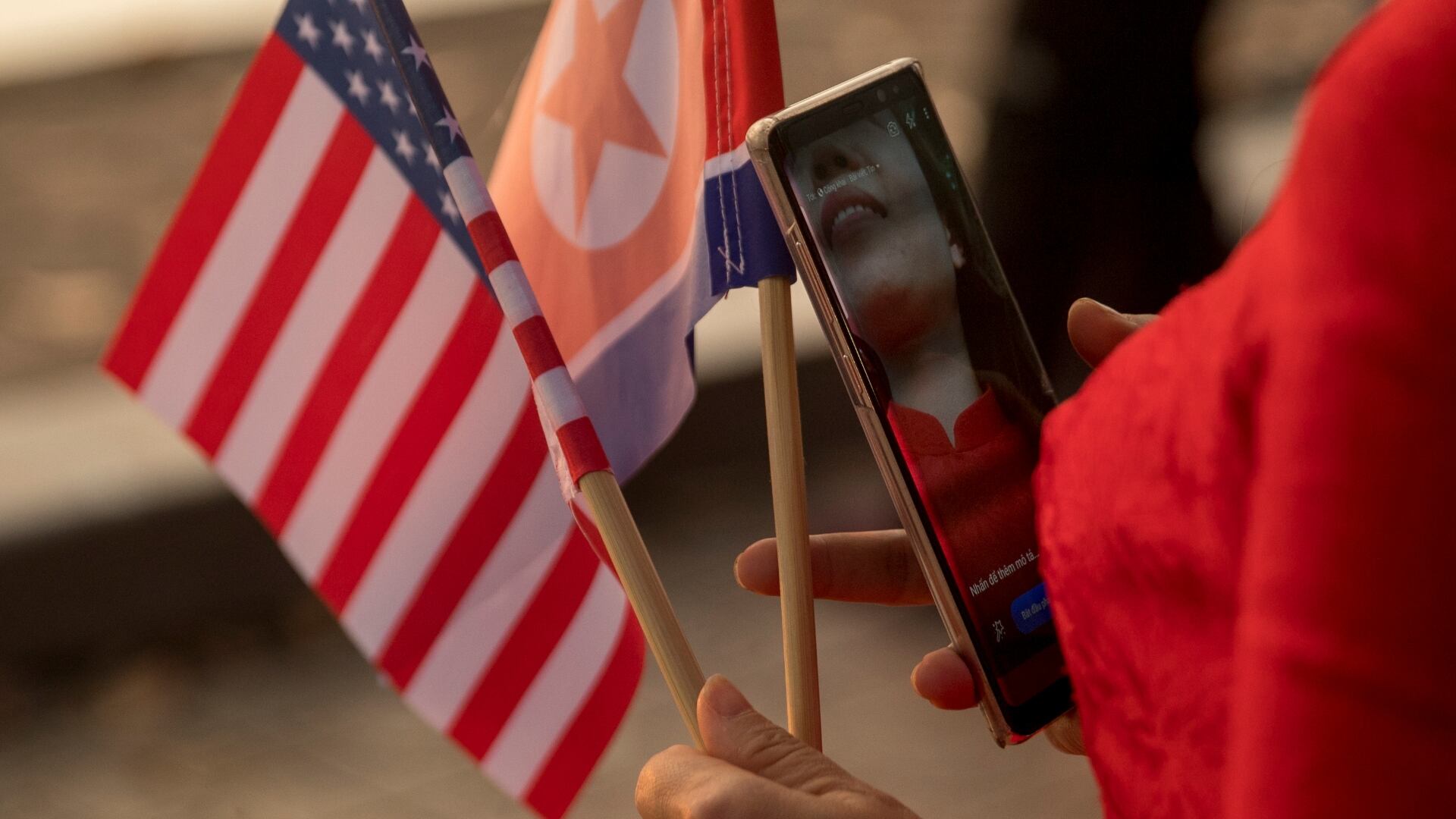
The Biden Administration has officially extended a ban on a Trump-era policy that prohibits traveling with a U.S. passport to North Korea. The extension is expected to last until August 2022. The ban was initially enforced after the death of Otto Warmbier, who entered a vegetative state while in North Korean custody. Advocates against the ban argue that it has caused crippling impacts on Korean Americans who have not been able to reunite with their families back home. Senior Fellow at The Foundation For Defense of Democracies Anthony Ruggiero joined Cheddar's News Wrap to discuss more.