Shares of Array Technologies ($ARRY) surged out of the gate Thursday after reportedly raising more than $1 billion in capital through an initial public offering that brought the company's value to $2.79 billion. The stock was up more than 64 percent to $36.45 per share at the close.
The New Mexico-based solar part manufacturer is currently riding a wave of a renewed interest in electrification and decarbonization worldwide, as states and companies embrace renewable mandates and net-zero initiatives aimed at cutting out fossil fuels.
"We want to scale with that, and having access to that capital will not only allow us to invest in the product, the portfolio, and people but also allows us to buy down debt and it will be a permanent source of capital where we can further enable utility-scale solar going forward."
Array manufactures ground-mounting systems for utility-scale solar projects, which for the company means solar fields that produce at least a megawatt of energy.
A solar project can use either a fixed mount system or a single-axis tracker system that tilts the solar panel throughout the day in line with the sun. Array manufactures parts for tracker systems, which Fusaro said capture 25 percent more energy.
"So that's significant for our customers," he said. "It's 25 percent more revenues."
Array also touts its software solutions that use machine learning algorithms to optimize production at a given solar project from 2 to 5 percent.
Former Medtronic CEO and author of 'True North' Bill George explains the steps Boeing leadership must take to regain client and consumer trust after 737 Max 9 production was stopped.
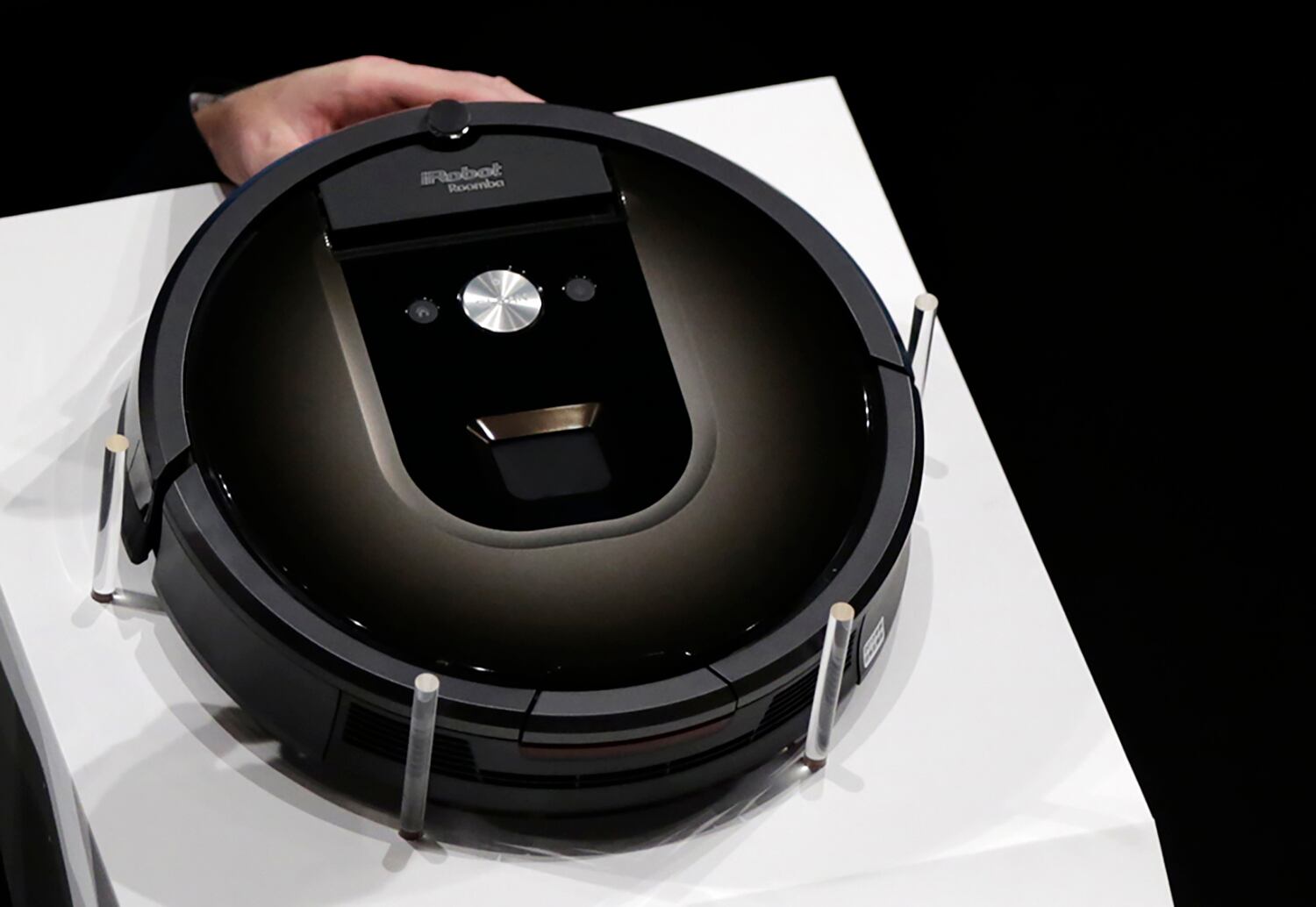
Amazon blamed "regulatory hurdles" for calling off its proposed acquisition of robot vacuum maker iRobot. Not even a Roomba could clean up the deal's antitrust scrutiny.
To celebrate Flutter Entertainment's debut on the NYSE, FanDuel CEO Amy Howe shares her thoughts on the company's plans for growth, the future of online sportsbetting, and Super Bowl Sunday.
Investopedia's Caleb Silver shares thoughts on the upcoming Fed meeting, why individual investors are still slightly skeptical, and what he's looking for from mega cap tech earnings.
Season's greetings! Tax season, that is. January 29 is the first day you can file your tax return. We walk you through each step — plus a checklist you can download.
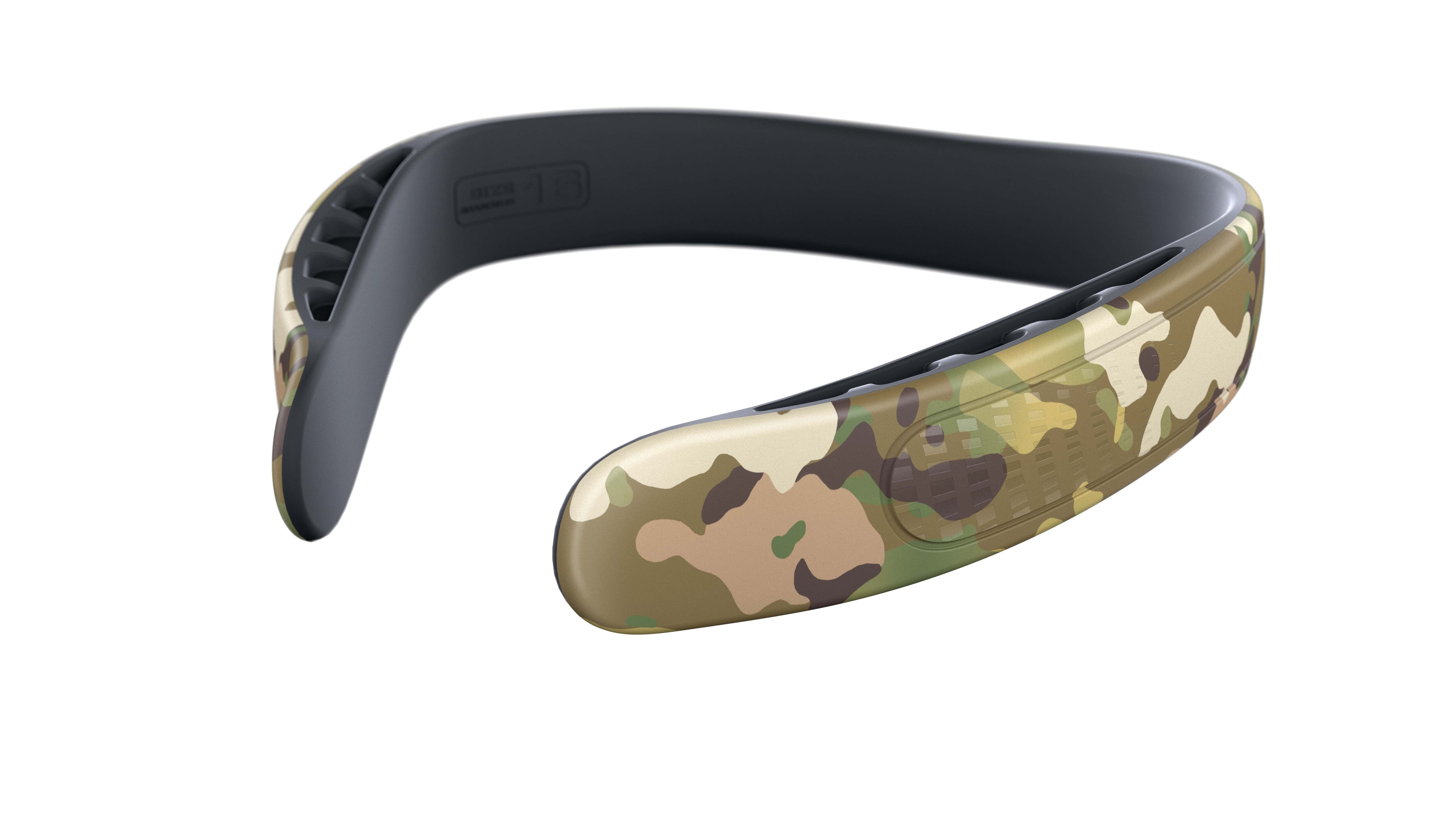
The Q-Collar helps protect athletes from impact-related concussions. Now, the U.S. Army is evaluating if the device could help reduce traumatic brain injury cased by blast weapons.
Co-founder and executive chairman of the board at Vaxxinity Lou Reese shares how the company is working to bring vaccines for chronic illnesses like heart disease and Parkinson’s to market with an eye for accessibility.
Mario Veneroso, Kingsview Asset Management Partner, weighs in on the latest economic data and whether the market is pricing in too many rate cuts for the coming year.