Socially Conscious Consumers Got Spotify to Change Its Tune
*By Britt Terrell*
Spotify's decision to remove the R&B artist R.Kelly's songs from parts of its streaming music platform was a considered response to consumers' demands that brands behave in a more socially responsible way.
"These social movements typically backed by large groups of young users are pressuring companies to take a stance," said Phillip Tracy, a tech writer for The Daily Dot.
According to a 2015 Nielsen [report](https://www.forbes.com/sites/sarahlandrum/2017/03/17/millennials-driving-brands-to-practice-socially-responsible-marketing/#3946f9034990), 66 percent of consumers are willing to spend more if a product comes from a sustainable brand. Millennial customers are even more demanding ー 81 percent of millennials expect their favorite companies to make public declarations of corporate citizenship.
To appeal to those sentiments, some brands are responding increasingly quickly to online calls to action when new controversies arise.
Spotify made a statement this week when it responded to a #MuteRKelly movement that started after the singer was [accused](http://www.vulture.com/2018/04/another-woman-is-accusing-r-kelly-of-sexual-misconduct.html) of sexually abusing women in a sex cult. Like the hashtag campaigns #MeToo and #TimesUp, the online effort around R.Kelly sought to hold the artist accountable in the marketplace.
Citing its new Hate Content and Hateful Conduct Policy, Spotify said it would no longer include R.Kelly's music in its algorithm and editorial-curated playlists.
Tracy said in an interview Friday with Cheddar that it's hard to say whether other streaming services such as Apple Music will follow Spotify's example.
Spotify has 75 million subscribers as of its first public earnings report earlier this month. Apple has 40 million.
For the full interview, [click here](https://cheddar.com/videos/spotify-takes-the-keys-from-ignition-2).
Amid an ongoing labor shortage, more companies are turning to automation for processes like shipping and delivery in order to relieve supply chain pressures. But what does this mean for the wider labor market - will those jobs return? How will workers fare once supply chain issues ease? Sam Lurye, CEO and Founder of automation startup Kargo, joins Cheddar News' Closing Bell to discuss the pros and cons of automation, how workers can adapt alongside new technology, and how the pandemic led to the perfect storm for the rise of automation.
Ben McMillan, CIO at IDX Digital Assets, joins Cheddar News' Closing Bell, where he explains how the recent surge by Ethereum and Bitcoin can be connected to a play against inflation.
AI chipmaker Hailo raised $136 million in its latest funds round, representing one of the largest investments ever in the AI chip space. It comes amid the ongoing global chip shortage, and a surge in demand for the company's technology, which is used to power smart cities, cars and homes, and the next generation of retail. Hailo co-founder and CEO Orr Danon joined Cheddar News' Closing Bell to discuss.
The two biggest names in the ride-sharing industry reported earnings this week. Uber and Lyft both beat Wall Street expectations on their top and bottom lines, as the companies and the ride-sharing industry have recently faced several challenges like the pandemic, the supply chain crisis, and driver shortages. Johnson Research Group CEO Chris Johnson joined Cheddar News' Closing Bell to discuss.
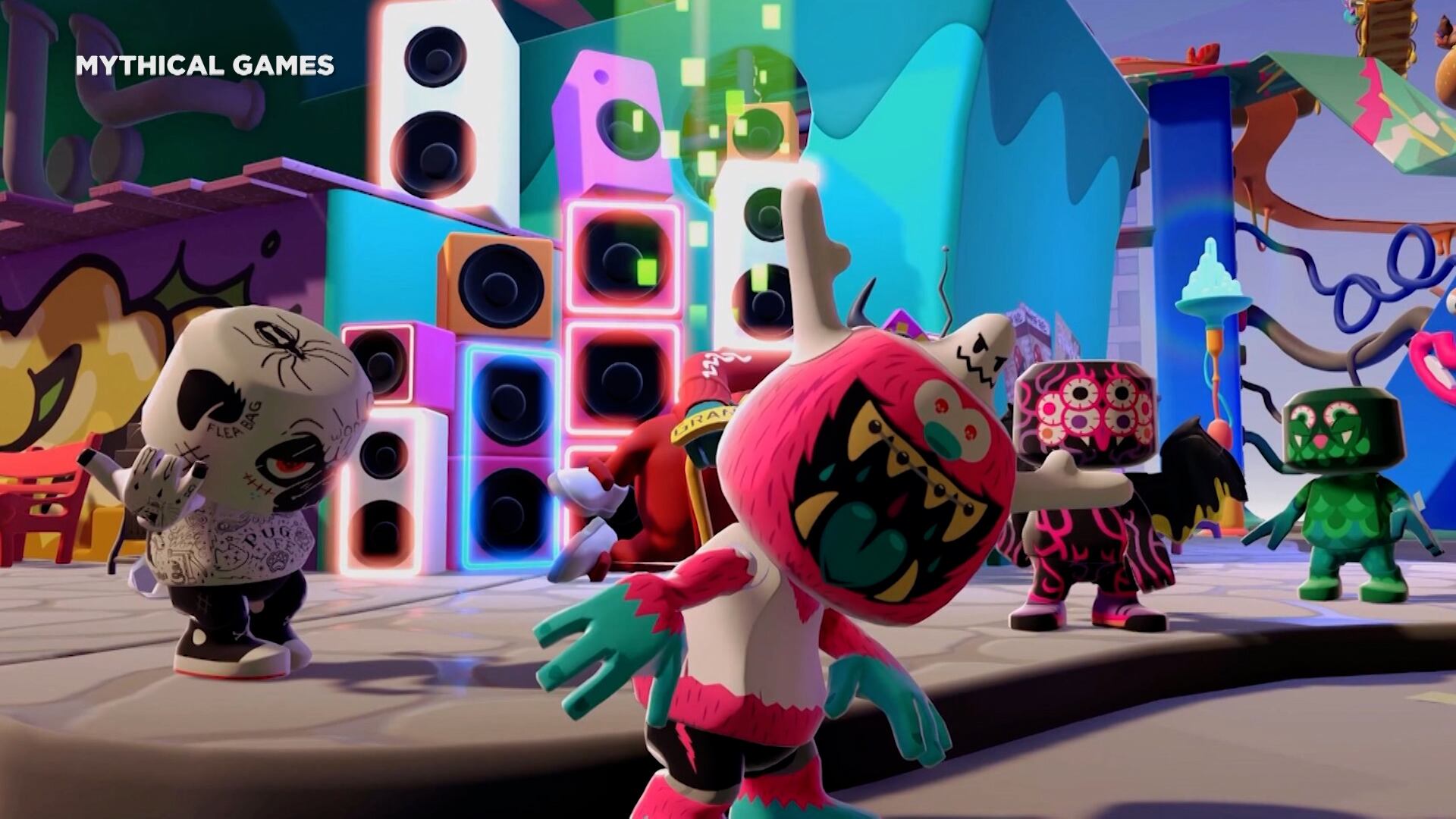
Gaming technology studio Mythical Games recently raised $150 million in a round led by Andreesen Horowitz, bringing Mythical's valuation to above unicorn status at $1.2 billion. Mythical Games' mission is to create a new generation of gaming with play-to-earn games that allow players to play to win actual cryptocurrency. Now the company is taking it to another level with NFT technology, allowing players to play with characters they can truly own. Mythical Games CEO John Linden joined Cheddar News' Closing Bell to discuss.
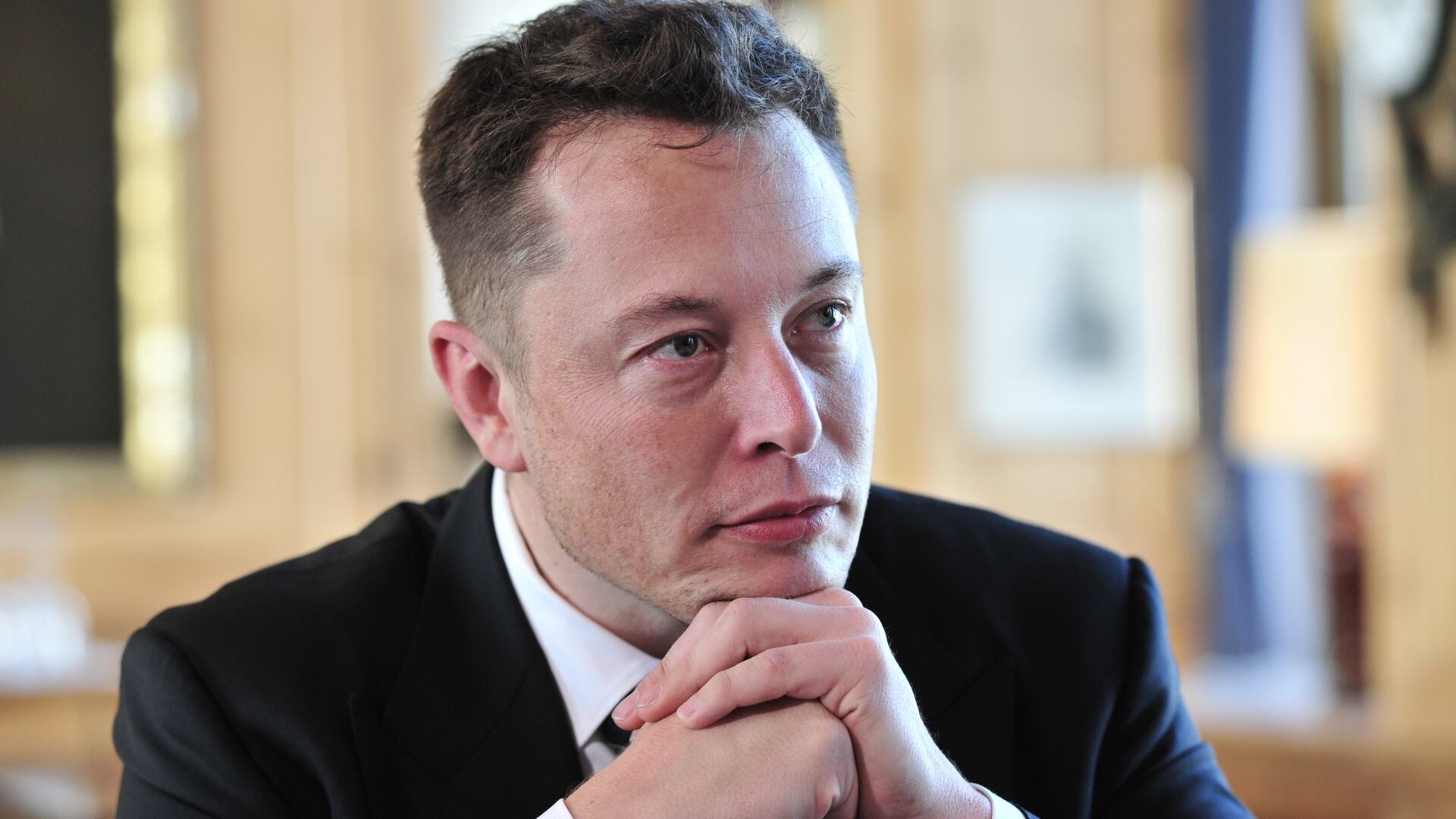
Tesla CEO Elon Musk posed a question to his Twitter followers over the weekend: 'Should I sell 10% of my Tesla shares in order to pay off a looming $15 billion tax bill?' Shares plummeted after he posed the question, and just over half of 3.5 million Twitter voters said Musk should sell a fraction of his shares. Dan Ives, Managing Director of Equity Research at Wedbush Securities, joins Cheddar News' Closing Bell to discuss whether or not Musk's Twitter poll was significant amid his looming tax bill, and how investors are feeling after yet another controversial tweet from the Tesla chief.
David Ewalt, Editor in Chief of Gizmodo, joins 'Fast Forward' to paint a picture of what a metaverse-driven future looks like, and how it will propel the future of work and education.