Socially Conscious Consumers Got Spotify to Change Its Tune
*By Britt Terrell*
Spotify's decision to remove the R&B artist R.Kelly's songs from parts of its streaming music platform was a considered response to consumers' demands that brands behave in a more socially responsible way.
"These social movements typically backed by large groups of young users are pressuring companies to take a stance," said Phillip Tracy, a tech writer for The Daily Dot.
According to a 2015 Nielsen [report](https://www.forbes.com/sites/sarahlandrum/2017/03/17/millennials-driving-brands-to-practice-socially-responsible-marketing/#3946f9034990), 66 percent of consumers are willing to spend more if a product comes from a sustainable brand. Millennial customers are even more demanding ー 81 percent of millennials expect their favorite companies to make public declarations of corporate citizenship.
To appeal to those sentiments, some brands are responding increasingly quickly to online calls to action when new controversies arise.
Spotify made a statement this week when it responded to a #MuteRKelly movement that started after the singer was [accused](http://www.vulture.com/2018/04/another-woman-is-accusing-r-kelly-of-sexual-misconduct.html) of sexually abusing women in a sex cult. Like the hashtag campaigns #MeToo and #TimesUp, the online effort around R.Kelly sought to hold the artist accountable in the marketplace.
Citing its new Hate Content and Hateful Conduct Policy, Spotify said it would no longer include R.Kelly's music in its algorithm and editorial-curated playlists.
Tracy said in an interview Friday with Cheddar that it's hard to say whether other streaming services such as Apple Music will follow Spotify's example.
Spotify has 75 million subscribers as of its first public earnings report earlier this month. Apple has 40 million.
For the full interview, [click here](https://cheddar.com/videos/spotify-takes-the-keys-from-ignition-2).
This year's worldwide semiconductor shortage limited the supply of everything from new cars to smartphones; and now, many in the chip industry expect the shortage to continue deep into 2022, and maybe even 2023. Semiconductor senior research analyst for Robert W. Baird & Co., Tristan Gerra, joins Cheddar News' Closing Bell to discuss.
Pavel Bains, the Executive Producer of MixMob and CEO of Bluzelle, joins Cheddar News' Closing Bell to elaborate on an opinion piece he wrote for CoinDesk in which he compares the cultural significance of crypto to hip hop in the 1990s.
Direct health care company Nomi Health recently raised $110 million in a Series A round. Nomi Health lets public and private organizations directly purchase healthcare at reduced costs, and pay providers in real-time. It also delivers healthcare directly to under-served communities via its fleet of mobile care units, which the company says is the largest in the country. Nomi Health says its mission is to improve the health care experience for all Americans. Nomi Health CEO Mark Newman joined Cheddar News' Closing Bell to discuss.
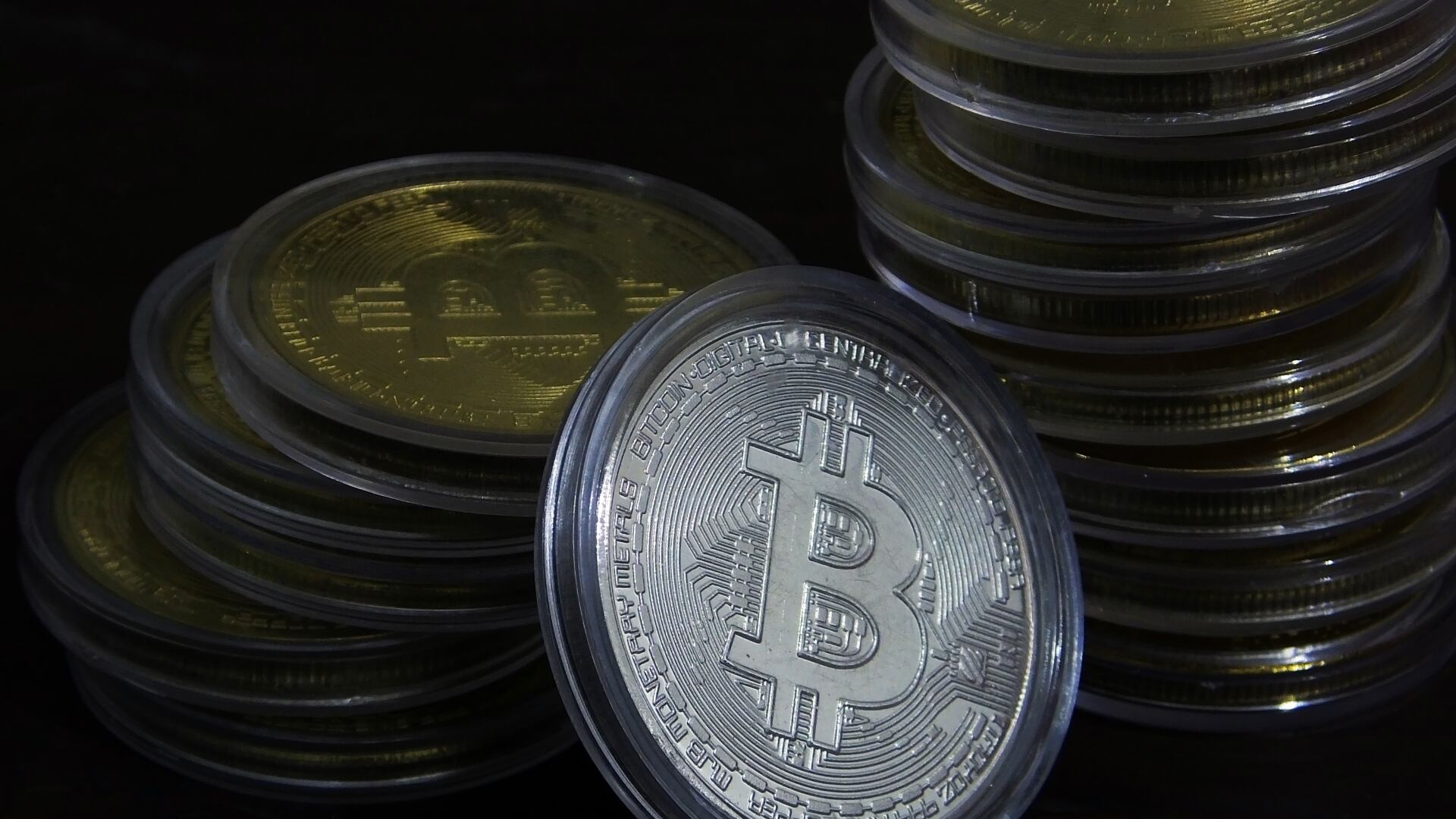
Bitcoin's rise to the mainstream has been a wild ride this year. The cryptocurrency is trading a little under $49,000 Wednesday morning and is set to finish the year sharply higher than where it began earlier this year. Ether prices also soared this year, rising from $730 per coin to nearly $4,000. Ben Armstrong, founder of Bitboy Crypto, joins us to discuss what's in store for crypto in 2022.
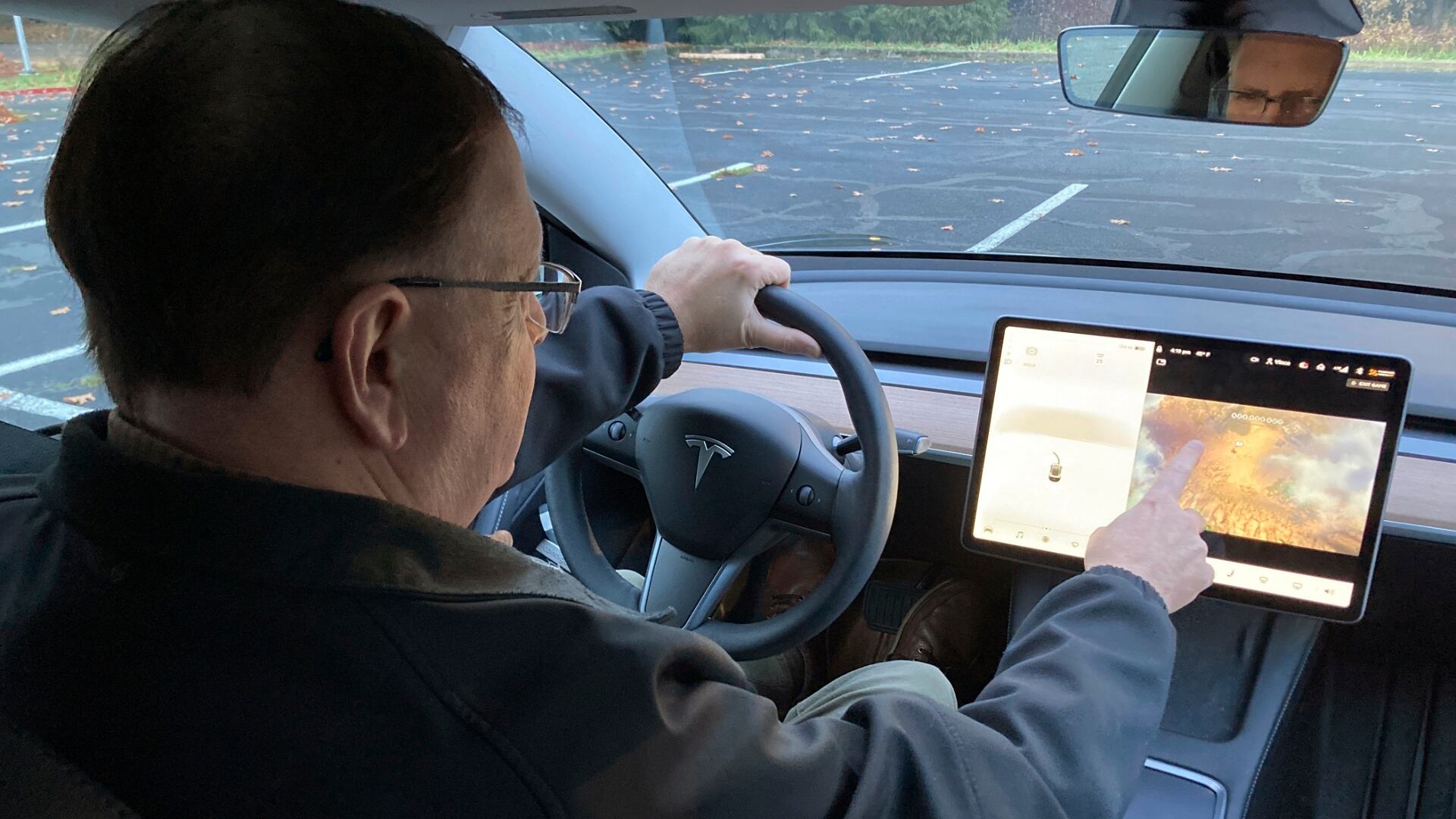
The NHTSA is investigating Tesla over the potential for crashes and distracted driving due to its front touch screen "Passenger Play" game option. The probe covers 580,000 vehicles for all four models from 2017 to 2022.
Google CEO Sundar Pichai addressed staff about workplace culture concerns after they expressed issues with what they perceived as a lack of honesty, candor, and humility from their executives. Pichai attributed some of the challenges to remote communication during the ongoing pandemic.