Socially Conscious Consumers Got Spotify to Change Its Tune
*By Britt Terrell*
Spotify's decision to remove the R&B artist R.Kelly's songs from parts of its streaming music platform was a considered response to consumers' demands that brands behave in a more socially responsible way.
"These social movements typically backed by large groups of young users are pressuring companies to take a stance," said Phillip Tracy, a tech writer for The Daily Dot.
According to a 2015 Nielsen [report](https://www.forbes.com/sites/sarahlandrum/2017/03/17/millennials-driving-brands-to-practice-socially-responsible-marketing/#3946f9034990), 66 percent of consumers are willing to spend more if a product comes from a sustainable brand. Millennial customers are even more demanding ー 81 percent of millennials expect their favorite companies to make public declarations of corporate citizenship.
To appeal to those sentiments, some brands are responding increasingly quickly to online calls to action when new controversies arise.
Spotify made a statement this week when it responded to a #MuteRKelly movement that started after the singer was [accused](http://www.vulture.com/2018/04/another-woman-is-accusing-r-kelly-of-sexual-misconduct.html) of sexually abusing women in a sex cult. Like the hashtag campaigns #MeToo and #TimesUp, the online effort around R.Kelly sought to hold the artist accountable in the marketplace.
Citing its new Hate Content and Hateful Conduct Policy, Spotify said it would no longer include R.Kelly's music in its algorithm and editorial-curated playlists.
Tracy said in an interview Friday with Cheddar that it's hard to say whether other streaming services such as Apple Music will follow Spotify's example.
Spotify has 75 million subscribers as of its first public earnings report earlier this month. Apple has 40 million.
For the full interview, [click here](https://cheddar.com/videos/spotify-takes-the-keys-from-ignition-2).
This year saw big developments in the sector, including the rise of cryptocurrency, announcements about new metaverse and virtual worlds, increased consumer interest in wearable tech, and more. What does 2022 have in store for these aspects of the tech world, and what else can we expect? Hatem Dhiab, Managing Partner at Gerber Kawasaki, joins Cheddar News' Closing Bell to discuss.
With the rollout of 5G technology, mobile phone users are experiencing faster device performance. But as the tech becomes more widely available, 5G won't just make our phones operate faster. Digital productivity across the board is expected to rise. Hugh Odom, founder and president of Vertical Consultants, joined Cheddar's "Closing Bell" to talk about his company's predictions for 5G, including more streamlined virtual doctor visits and helping supply chains become more efficient. Odom also talked about the airline industry's request to the Biden administration to delay the wider rollout of 5G, as they said it will interfere with flying safety.
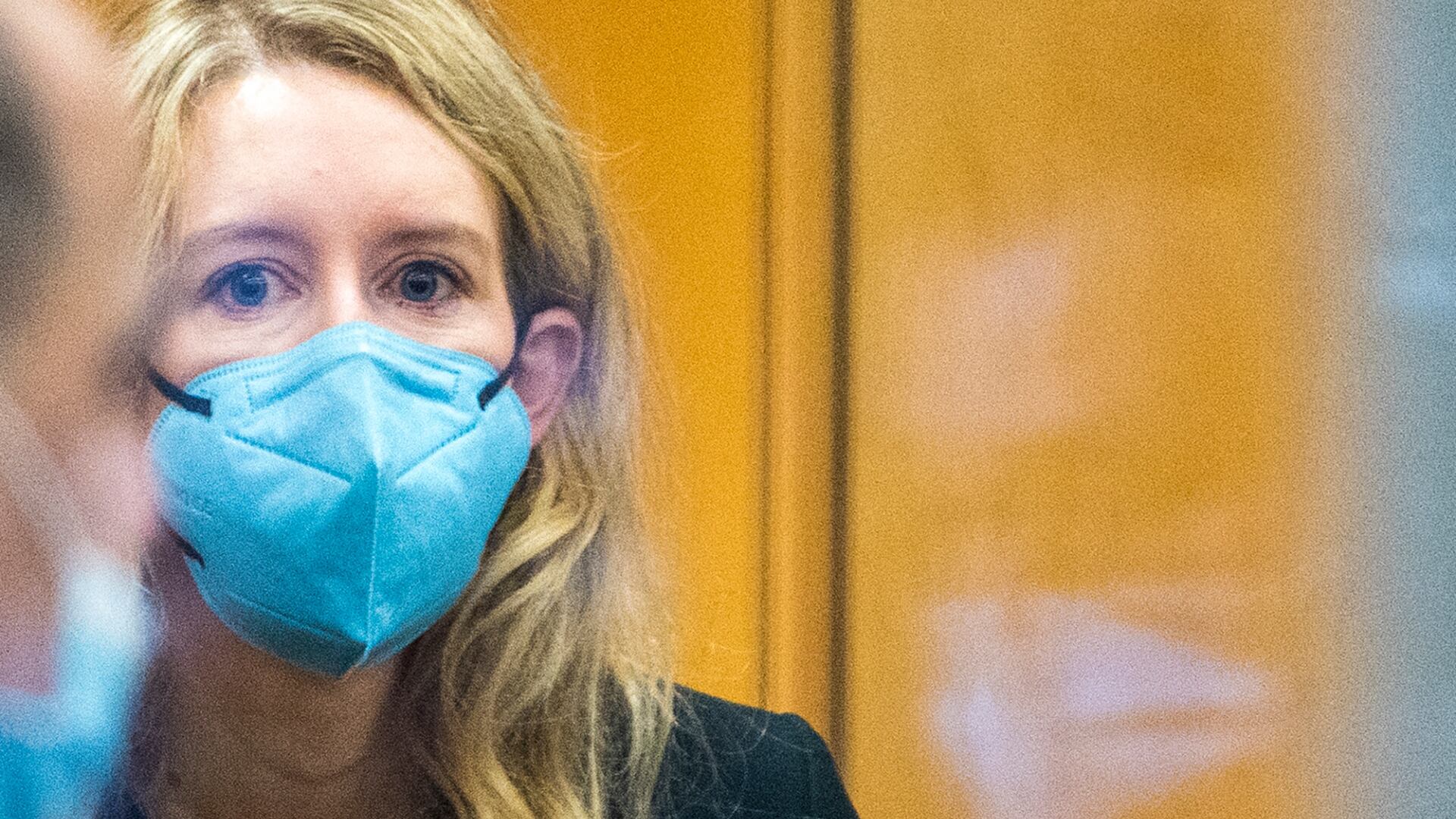
Jurors in the trial against Theranos CEO Elizabeth Holmes have entered day six of deliberations. Holmes is accused of lying to investors about the functionality of a newly developed blood-testing technology. Andrew George, partner at Baker Botts, joined Cheddar to break down key points in the case and what the jury might be considering during their deliberations. He also noted that the rest of Silicon Valley, including Holmes' business partner, Ramesh "Sunny" Balwani, who is facing identical charges, is closely watching the outcome of deliberations — as it could set the tone for future regulations and Balwani's own trial.
While slumps within the crypto market have typically correlated with major developments, such as China's crypto crackdown or Tesla reversing course on accepting bitcoin, the current slide is coming at a time when the stock market is at or near record levels. Reporter Alex Vuocolo talks about the role of the crypto derivatives market in bitcoin's latest price drop, as well as the future of sustainability in the space.
According to a recent report from T-Mobile, spam call traffic doubled in 2021. The company says so far they have been able to block just 21 billion spam calls for their customers this year. Despite telecom giants blocking these calls, a number of customers continue to receive these spam calls, especially during the holiday season. Founder and President of Vertical Consultants Hugh Odom, joined Cheddar to discuss more.