Socially Conscious Consumers Got Spotify to Change Its Tune
*By Britt Terrell*
Spotify's decision to remove the R&B artist R.Kelly's songs from parts of its streaming music platform was a considered response to consumers' demands that brands behave in a more socially responsible way.
"These social movements typically backed by large groups of young users are pressuring companies to take a stance," said Phillip Tracy, a tech writer for The Daily Dot.
According to a 2015 Nielsen [report](https://www.forbes.com/sites/sarahlandrum/2017/03/17/millennials-driving-brands-to-practice-socially-responsible-marketing/#3946f9034990), 66 percent of consumers are willing to spend more if a product comes from a sustainable brand. Millennial customers are even more demanding ー 81 percent of millennials expect their favorite companies to make public declarations of corporate citizenship.
To appeal to those sentiments, some brands are responding increasingly quickly to online calls to action when new controversies arise.
Spotify made a statement this week when it responded to a #MuteRKelly movement that started after the singer was [accused](http://www.vulture.com/2018/04/another-woman-is-accusing-r-kelly-of-sexual-misconduct.html) of sexually abusing women in a sex cult. Like the hashtag campaigns #MeToo and #TimesUp, the online effort around R.Kelly sought to hold the artist accountable in the marketplace.
Citing its new Hate Content and Hateful Conduct Policy, Spotify said it would no longer include R.Kelly's music in its algorithm and editorial-curated playlists.
Tracy said in an interview Friday with Cheddar that it's hard to say whether other streaming services such as Apple Music will follow Spotify's example.
Spotify has 75 million subscribers as of its first public earnings report earlier this month. Apple has 40 million.
For the full interview, [click here](https://cheddar.com/videos/spotify-takes-the-keys-from-ignition-2).
After nearly a century, General Motors is no longer the top-selling automaker in America. Toyota has dethroned the long-reigning champ to become the leader in U.S. auto sales for the first time, and the first non-domestic automaker to take that title. The Japanese automaker outsold GM by about 114,000 vehicles, or 5% more, in 2021. Al Root, senior writer for Barron's, joined Cheddar to discuss the meaning behind these numbers.
This year's worldwide semiconductor shortage limited the supply of everything from new cars to smart phones.
Looking ahead, several experts in the chip industry expect the shortage to continue deep into 2022, and maybe even 2023. Syed Alam, Accenture's Global Semiconductor Lead, joined Cheddar Movers to discuss.
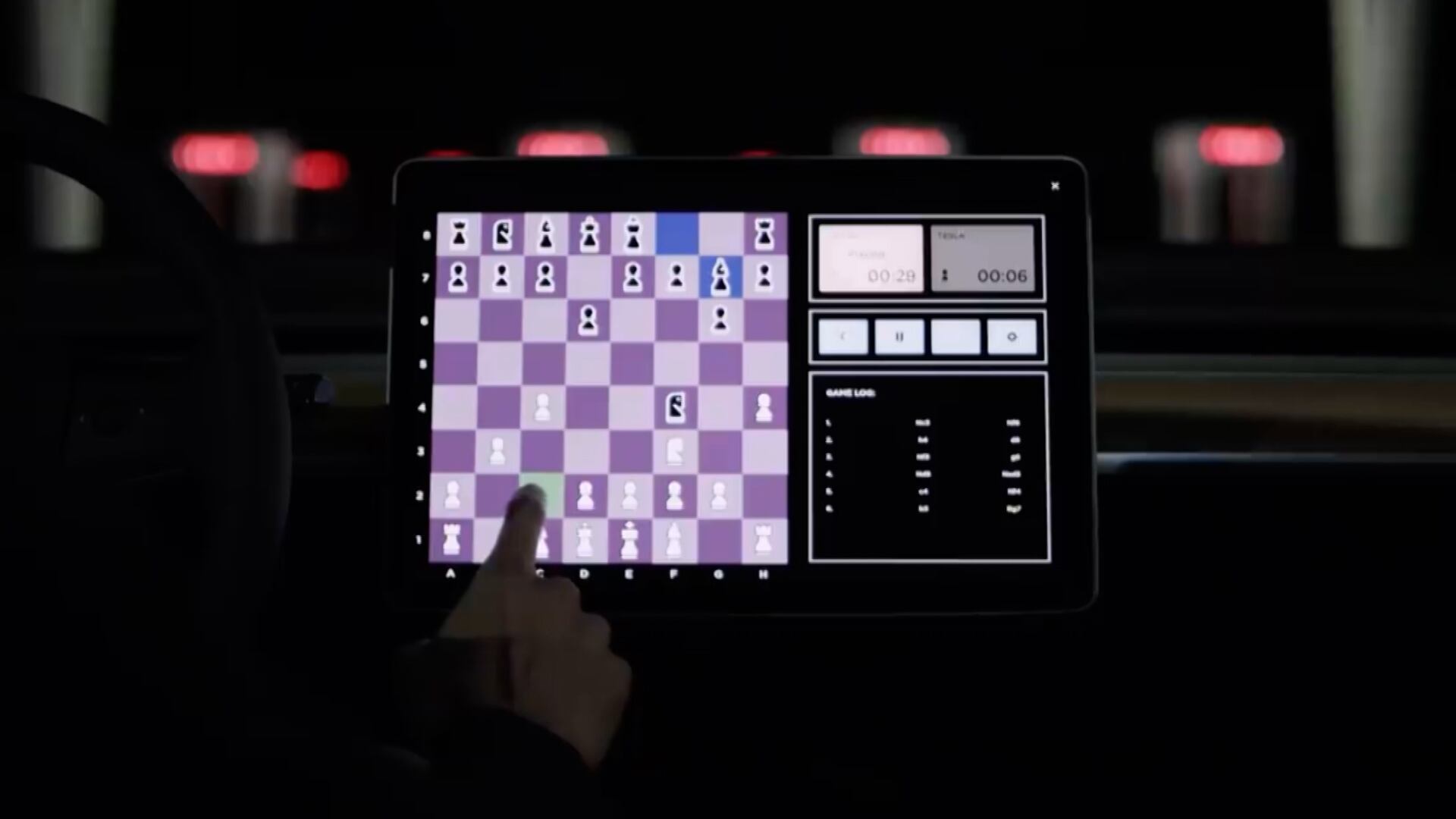
The National Highway Traffic Safety Administration is investigating roughly 580,000 Tesla vehicles due to their front touch screen 'passenger play' gaming feature amid concerns over possible distracted driving. The investigation covers Tesla models ranging from the years 2017-2022. Brian Moody, Executive Editor at Autotrader, joined Cheddar Movers for more.
After a two-week delay of 5G deployment at airports due to the airline industry's claims it will cause "catastrophic disruption," AT&T and Verizon are set to roll out the service on January 19. Michael Boyd, CEO of aviation consultancy Boyd Group International, joined Cheddar to discuss the concerns being voiced by the airlines. "If the airline industry thinks it's going to be something to disrupt our system or impair safety, it shouldn't roll out at all, period," Boyd said, noting that the telecom giants should rethink the activation over safety and security.
Breakthrough Energy Catalyst, a private-public fund backed by Bill Gates, is planning to invest up to $15 billion in clean technology initiatives across the U.S., UK, and European Union. It will target four key areas and help fund large projects that otherwise would not be financially possible. Bobby Hollis, Director of Breakthrough Energy Catalyst, joins Cheddar News' Closing Bell to discuss.
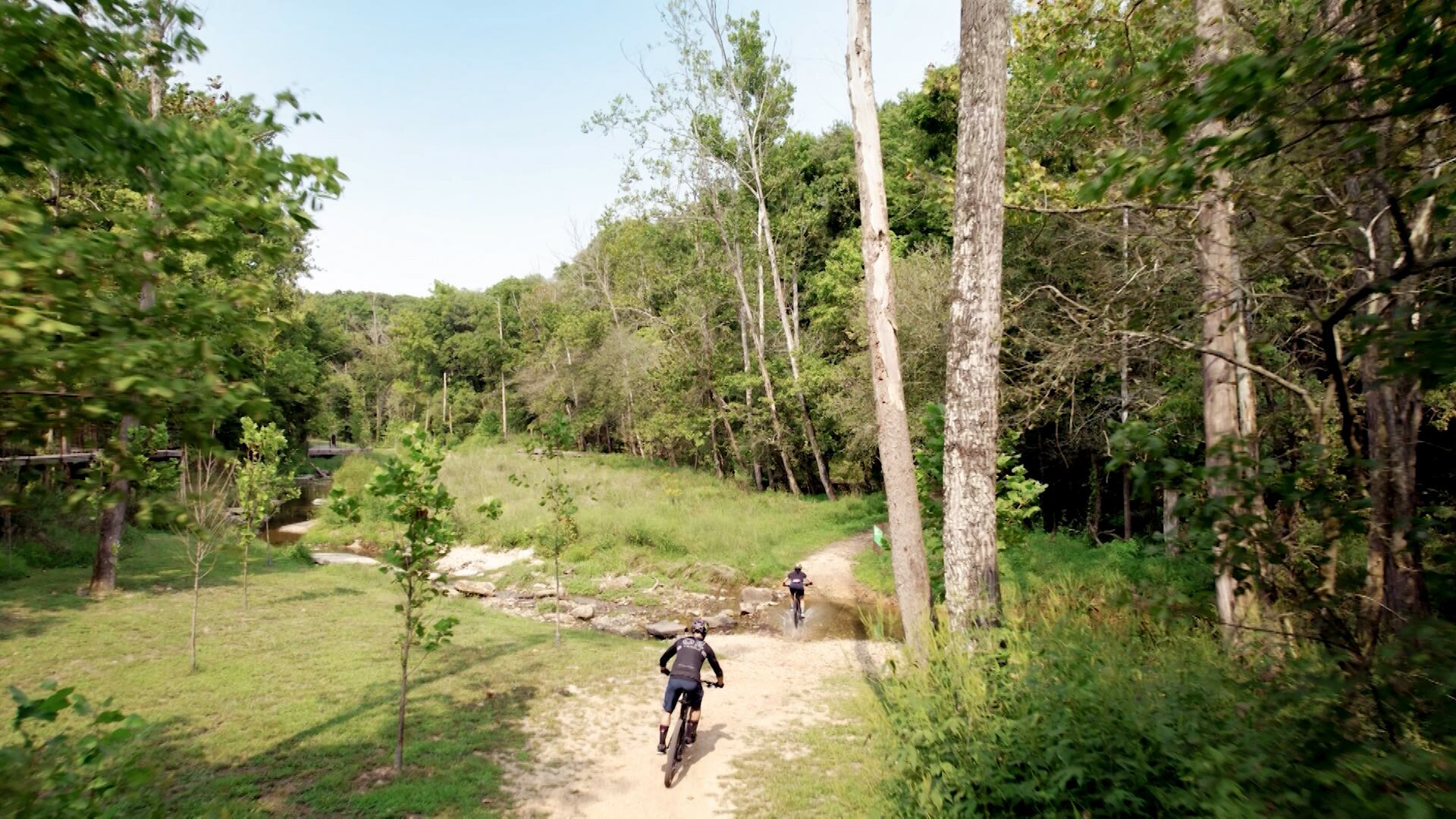
An economic development agency, the Northwest Arkansas Council, is looking to draw technology professionals to their region of the Southern state with incentives like $10,000 worth of Bitcoin and a new bicycle. Nelson Peacock, president and CEO of the private nonprofit made up of companies like Walmart and Tyson Foods, joined Cheddar to talk about the program to further power his local economy. "By offering the payment in Bitcoin, we're looking to identify those people with interest and expertise in the underlying technologies, the blockchain technologies," he said.