Socially Conscious Consumers Got Spotify to Change Its Tune
*By Britt Terrell*
Spotify's decision to remove the R&B artist R.Kelly's songs from parts of its streaming music platform was a considered response to consumers' demands that brands behave in a more socially responsible way.
"These social movements typically backed by large groups of young users are pressuring companies to take a stance," said Phillip Tracy, a tech writer for The Daily Dot.
According to a 2015 Nielsen [report](https://www.forbes.com/sites/sarahlandrum/2017/03/17/millennials-driving-brands-to-practice-socially-responsible-marketing/#3946f9034990), 66 percent of consumers are willing to spend more if a product comes from a sustainable brand. Millennial customers are even more demanding ー 81 percent of millennials expect their favorite companies to make public declarations of corporate citizenship.
To appeal to those sentiments, some brands are responding increasingly quickly to online calls to action when new controversies arise.
Spotify made a statement this week when it responded to a #MuteRKelly movement that started after the singer was [accused](http://www.vulture.com/2018/04/another-woman-is-accusing-r-kelly-of-sexual-misconduct.html) of sexually abusing women in a sex cult. Like the hashtag campaigns #MeToo and #TimesUp, the online effort around R.Kelly sought to hold the artist accountable in the marketplace.
Citing its new Hate Content and Hateful Conduct Policy, Spotify said it would no longer include R.Kelly's music in its algorithm and editorial-curated playlists.
Tracy said in an interview Friday with Cheddar that it's hard to say whether other streaming services such as Apple Music will follow Spotify's example.
Spotify has 75 million subscribers as of its first public earnings report earlier this month. Apple has 40 million.
For the full interview, [click here](https://cheddar.com/videos/spotify-takes-the-keys-from-ignition-2).
High-speed connectivity solutions provider Credo went public on the Nasdaq on Thursday, raising $200 million in its IPO. CEO Bill Brennan, joined Cheddar to discuss its entry into the capital markets and the next chapter for the company. "We're going to be focused on what we have been focused on, which is really creating, creating innovative connectivity solutions that really pushed the edge on efficient power as well as very effective cost," he said.
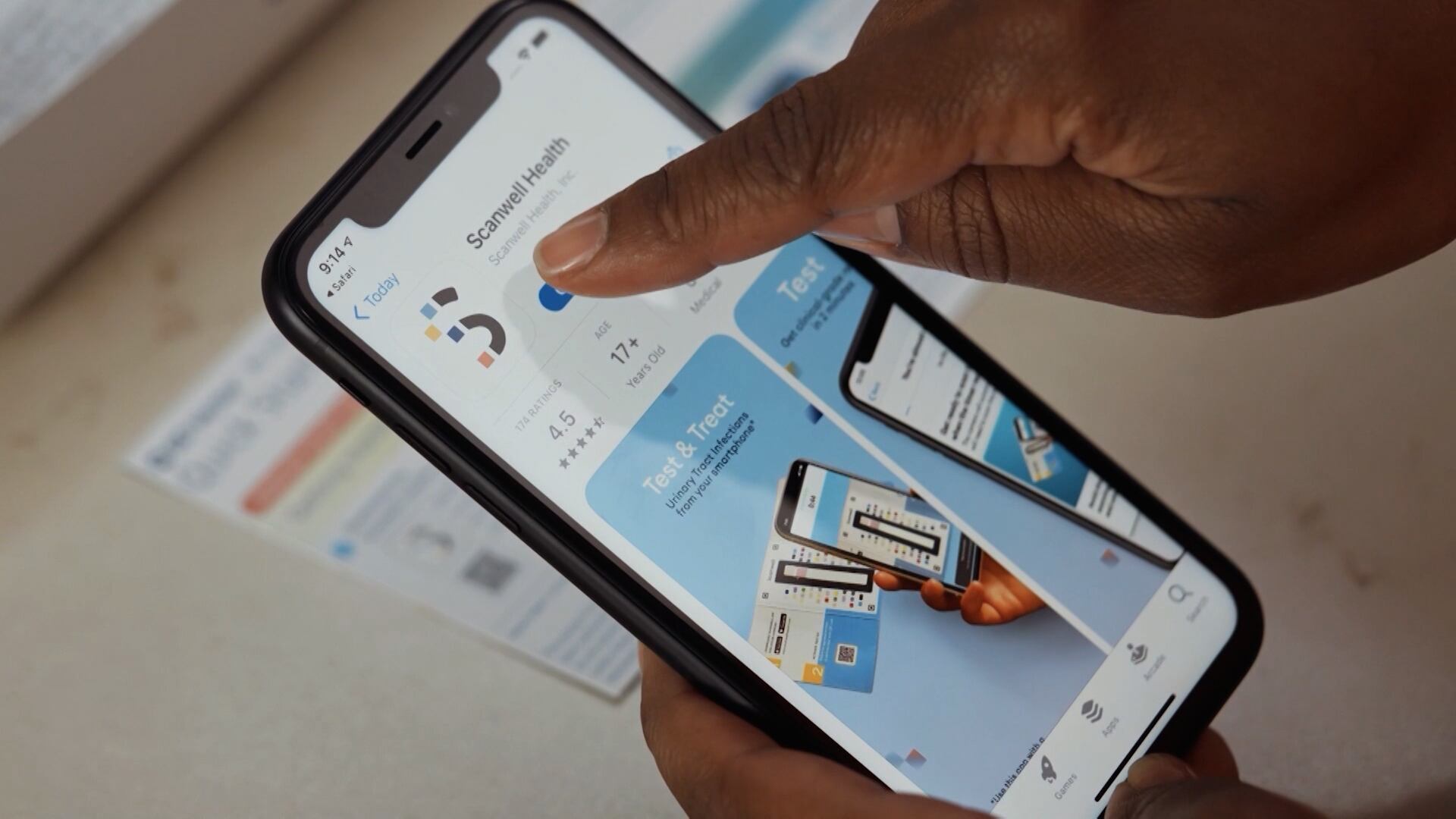
BD Veritor is a variation of the at-home COVID test that uses a smartphone to interpret the results. The test is taken via a nose swab test strip that is then scanned by your phone’s camera with the result clearly displayed as positive or negative. James Walker, vice president of integrated diagnostics USA for BD, joined Cheddar to discuss how the test hopefully takes the "guesswork out of testing." Walker also went into what BD is doing to deal with the surging demand for at-home tests amid the omicron spread. "While we don't disclose how much we produce, we have capacity to manufacture up to 12 million rapid antigen tests per month and are delivering on our commitments to distributors and retailers," he said.
Low-code app development platform Crowdbotics raised $22 million in a Series A funding round led by Jackson Square Ventures. Crowdbotics has helped more than 14,000 customers launch apps without having to learn how to code. The company can offer a team of expert developers to help companies launch custom apps, or provide the means for companies to develop apps themselves. Crowdbotics CEO Anand Kulkarni joined Cheddar News' Closing Bell to discuss.
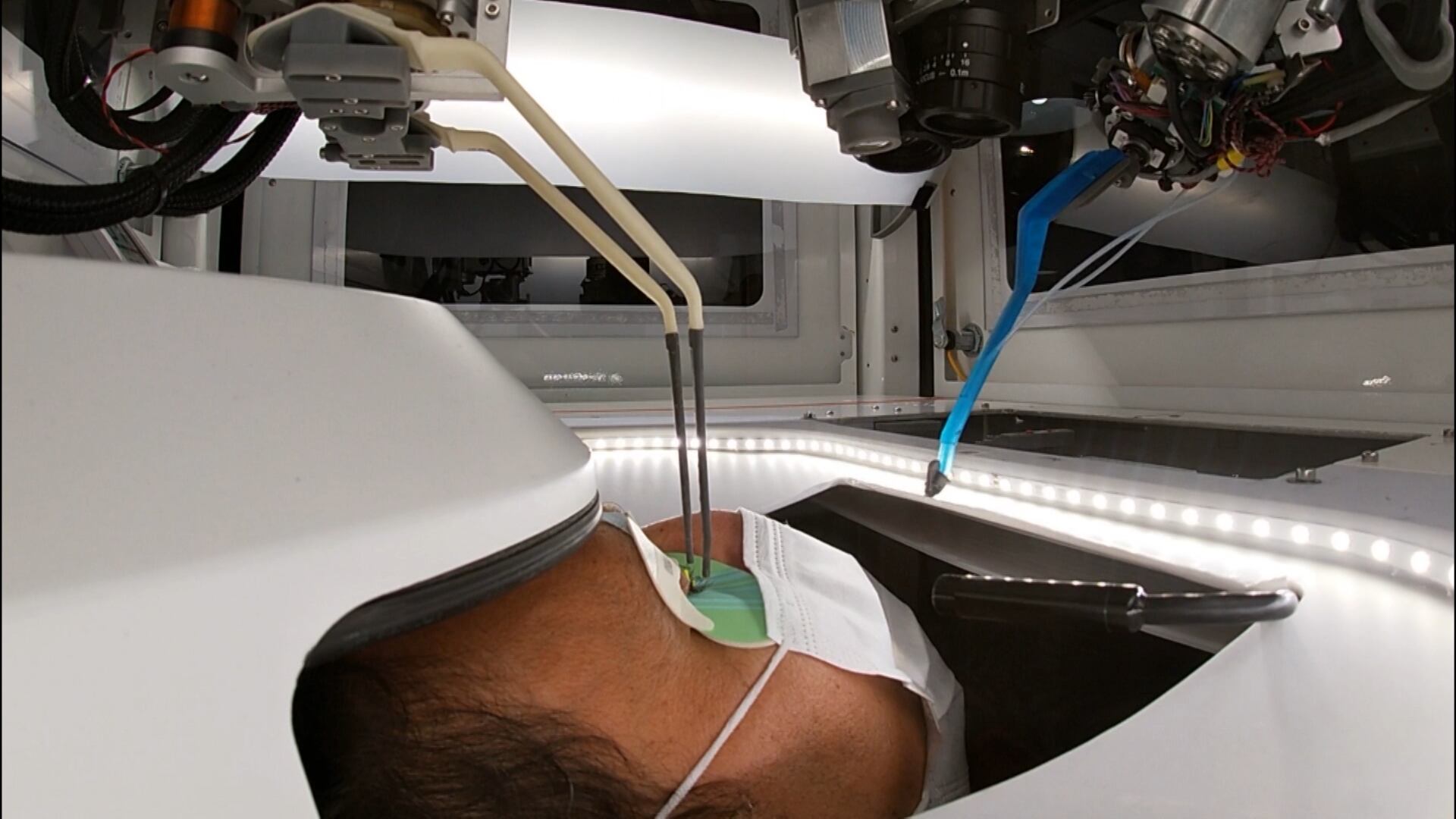
Nathan Harding, CEO of Luum, joins Cheddar Innovates to discuss the process of having a robot put on eyelash extensions, and how automation is making its way into the beauty industry
Kevin Yu, Founder and CEO of Sidechef, joins Cheddar Innovates to discuss how it's building a platform to make recipe shopping easy, and how its features help you discover new recipes with the same ingredients to fight the massive problem of food waste.
On this episode of Cheddar Innovates: Sidechef CEO breaks down how it's building a platform to make recipe shopping easy; Luum CEO explains the process of having a robot put on eyelash extensions; A look at Curiosity Stream's new original series, 'Evolve.'