Snap's Rollback of Redesign May Signal an Identity Crisis
*By Britt Terrell*
Snap is doing something that is unprecedented in social media. The maker of Snapchat has answered angry users' protests and revamped its app to make it more similar to the original version.
"It's a sign of humility in a way for Snapchat," said Marty Swant, a staff writer at Adweek. "In a way, I wonder if they have a bit of an identity crisis."
Is Snap making a tool for publishers or is the app catering to its core users?
Snapchat's 2017 redesign was meant to bring more people to its publishing page. But loyal users revolted: A petition called for the app maker to revert to the old design, the platform saw its user growth [decline in the last quarter](http://deadline.com/2018/05/snap-inc-snapchat-slowest-growth-earnings-stock-plunges-1202380663/).
As Snap's stock continues to plummet ーit's down nearly 50 percent year-over-year ー the company must figure out ways to appeal to advertisers.
"I think the big picture that Snapchat has now is their ads are a lot more creative than the ads you're seeing on Instagram stories - Snapchat's main competitor," said Swant in an interview Monday with Cheddar. "They're just cooler looking, they're more engaging. I think that's a big play, but the question is, do users actually spend time with them?"
For the full interview, [click here](https://cheddar.com/videos/snap-redesigns-its-redesign).
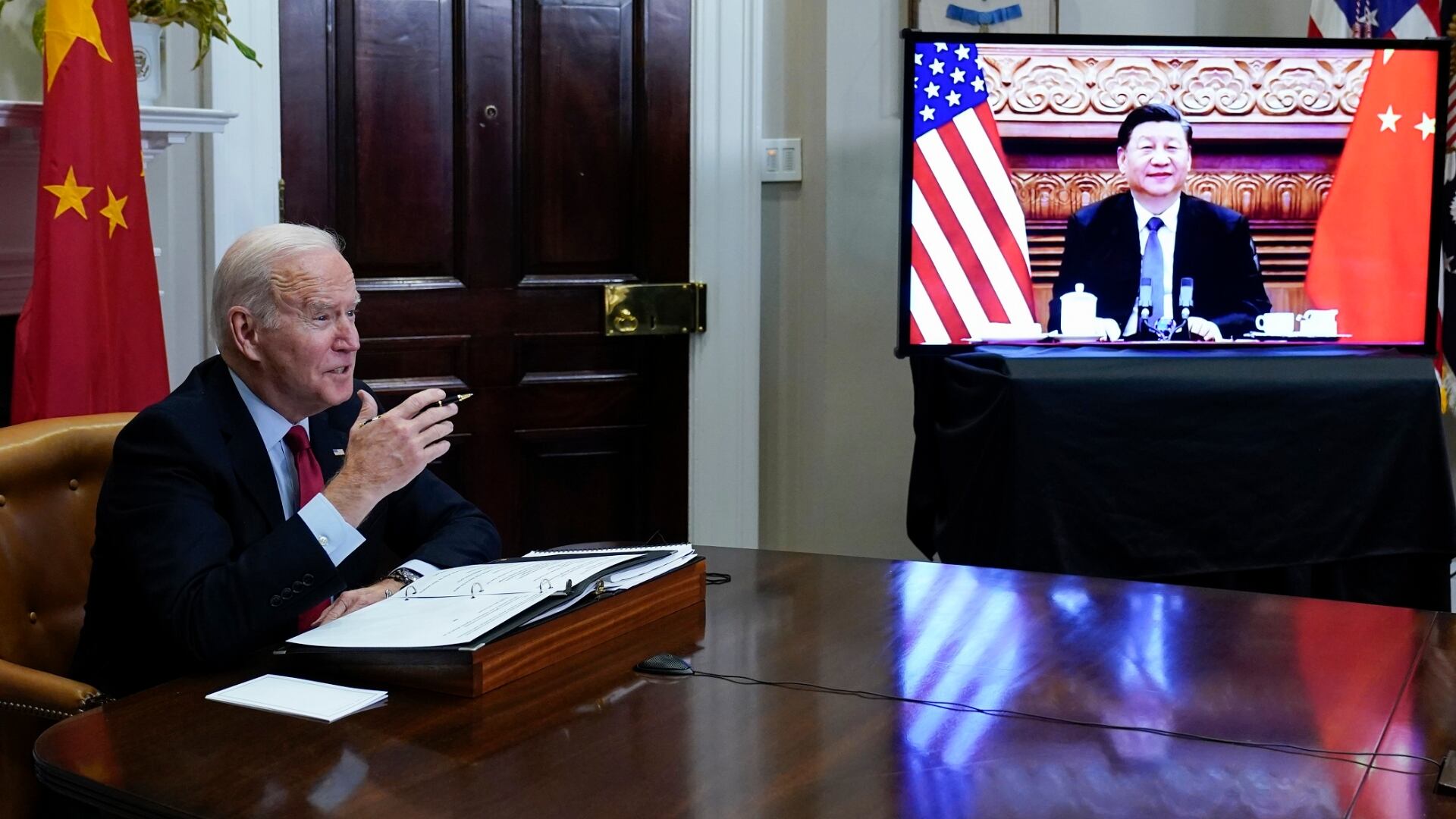
Catching you up on what you Need to Know on Mar 18, 2022, with updates on the war in Ukraine, President Biden’s meeting with Xi Jinping, Meta removing a deepfake video of Volodymyr Zelenskyy, Britney Griner, vaccine updates, and tech news.
Six House lawmakers are calling on Meta to stop paid ads from Chinese news companies that push Russian misinformation regarding the war in Ukraine. Matt Skibinski, General Manager, NewsGuard Technologies joins Cheddar to discuss the role of social media in this war.
You may have noticed more social media giants experimenting with community-building live audio platforms.
Twitter's newest product 'spaces' allows for a deeper human connection than the 280 characters users are restrained to in a tweet. Senior reporter Michelle Castillo, caught up with TJ Adeshola, the head of partnerships at Twitter, to discuss.
Netflix is testing out a way to charge users who share their passwords with friends and family, and while it's not being introduced in the U.S. yet, it might one day. The streaming giant is under pressure to grow membership numbers after lackluster fourth-quarter guidance, and anticipated pressures as people return to work and face higher costs elsewhere, thanks to rising inflation. Will Netflix see increased customer cancellations if it implements a price hike for password sharing? Is the company only focusing on the investor, and not the subscriber? Seth Schachner, Managing Director at StratAmericas and Digital Business Executive, joins Closing Bell to discuss Netflix's plans to charge for password sharing, why the company is doing so, how it might hurt subscriber numbers and more.
Simeon Hyman, Chief Investment Strategist at ProShares, joins Cheddar News' Closing Bell, where he explains why his firm launched the Proshares Metaverse ETF today and how this portfolio offers the opportunity for success both now and in the future.
Medical cannabis company Akanda went public this week in what was the first traditional IPO of the month. Shares jumped about 163% in the stock's first day of trading. The London-based company says it hopes to supply medical cannabis products to wholesalers in international markets. Tej Virk, CEO of Akanda, joins Cheddar News' Closing Bell to discuss.