Snap's Rollback of Redesign May Signal an Identity Crisis
*By Britt Terrell*
Snap is doing something that is unprecedented in social media. The maker of Snapchat has answered angry users' protests and revamped its app to make it more similar to the original version.
"It's a sign of humility in a way for Snapchat," said Marty Swant, a staff writer at Adweek. "In a way, I wonder if they have a bit of an identity crisis."
Is Snap making a tool for publishers or is the app catering to its core users?
Snapchat's 2017 redesign was meant to bring more people to its publishing page. But loyal users revolted: A petition called for the app maker to revert to the old design, the platform saw its user growth [decline in the last quarter](http://deadline.com/2018/05/snap-inc-snapchat-slowest-growth-earnings-stock-plunges-1202380663/).
As Snap's stock continues to plummet ーit's down nearly 50 percent year-over-year ー the company must figure out ways to appeal to advertisers.
"I think the big picture that Snapchat has now is their ads are a lot more creative than the ads you're seeing on Instagram stories - Snapchat's main competitor," said Swant in an interview Monday with Cheddar. "They're just cooler looking, they're more engaging. I think that's a big play, but the question is, do users actually spend time with them?"
For the full interview, [click here](https://cheddar.com/videos/snap-redesigns-its-redesign).
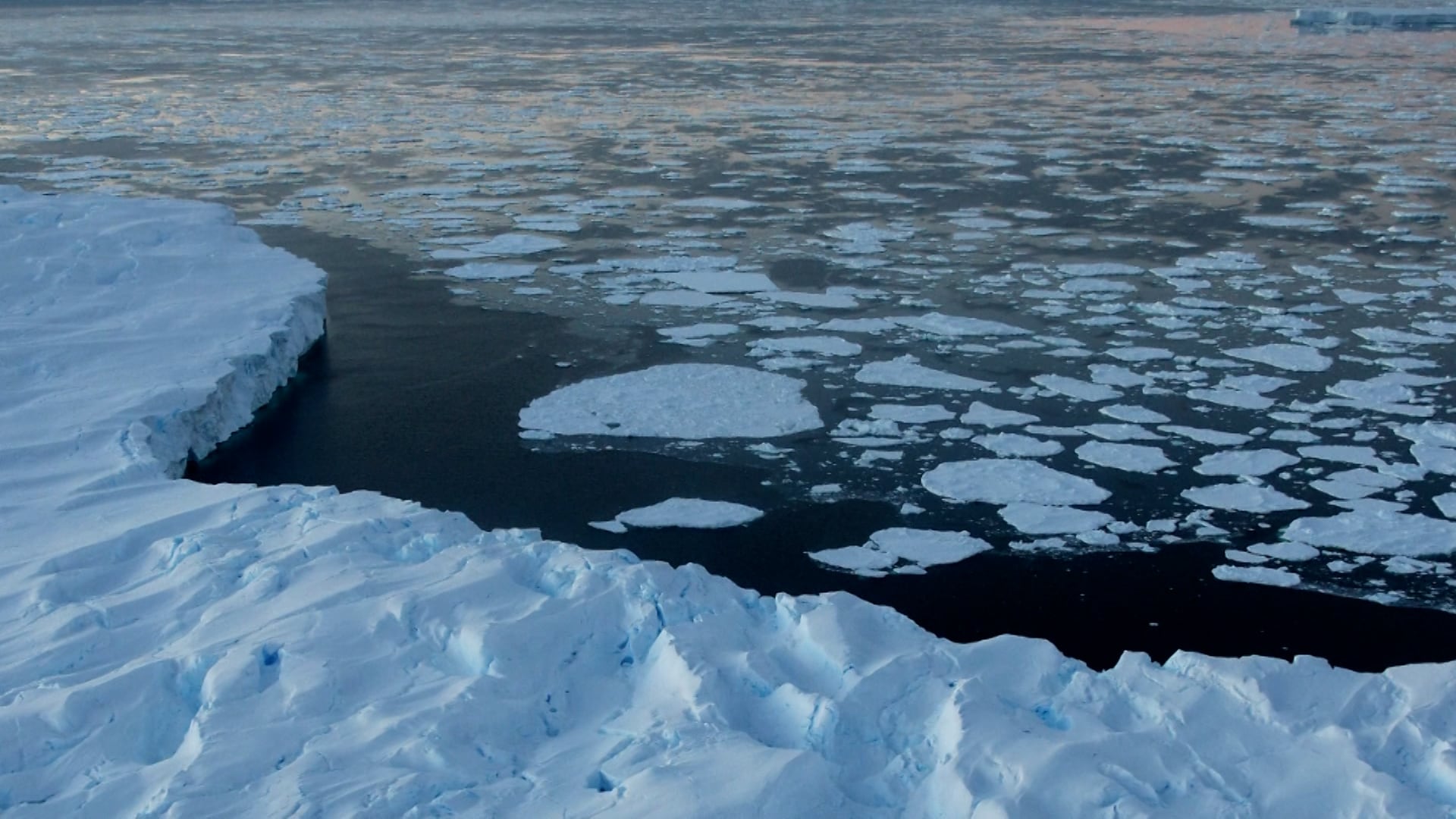
Blue Bear Capital, a venture and growth equity firm focusing on AI-powered solutions for the world’s energy, infrastructure, and climate challenges, recently announced it has raised $150 million dollars in new funding. Ernst Sack, Partner at Blue Bear Capital, joins Cheddar Climate the vision his company has when it comes to combating climate change.
Tinder is working to keep users on the platform for longer periods by introducing its own in-app currency. Users can collect coins by staying active on the dating app or purchasing them. The currency can then be used on features like Super Likes or Boosts.
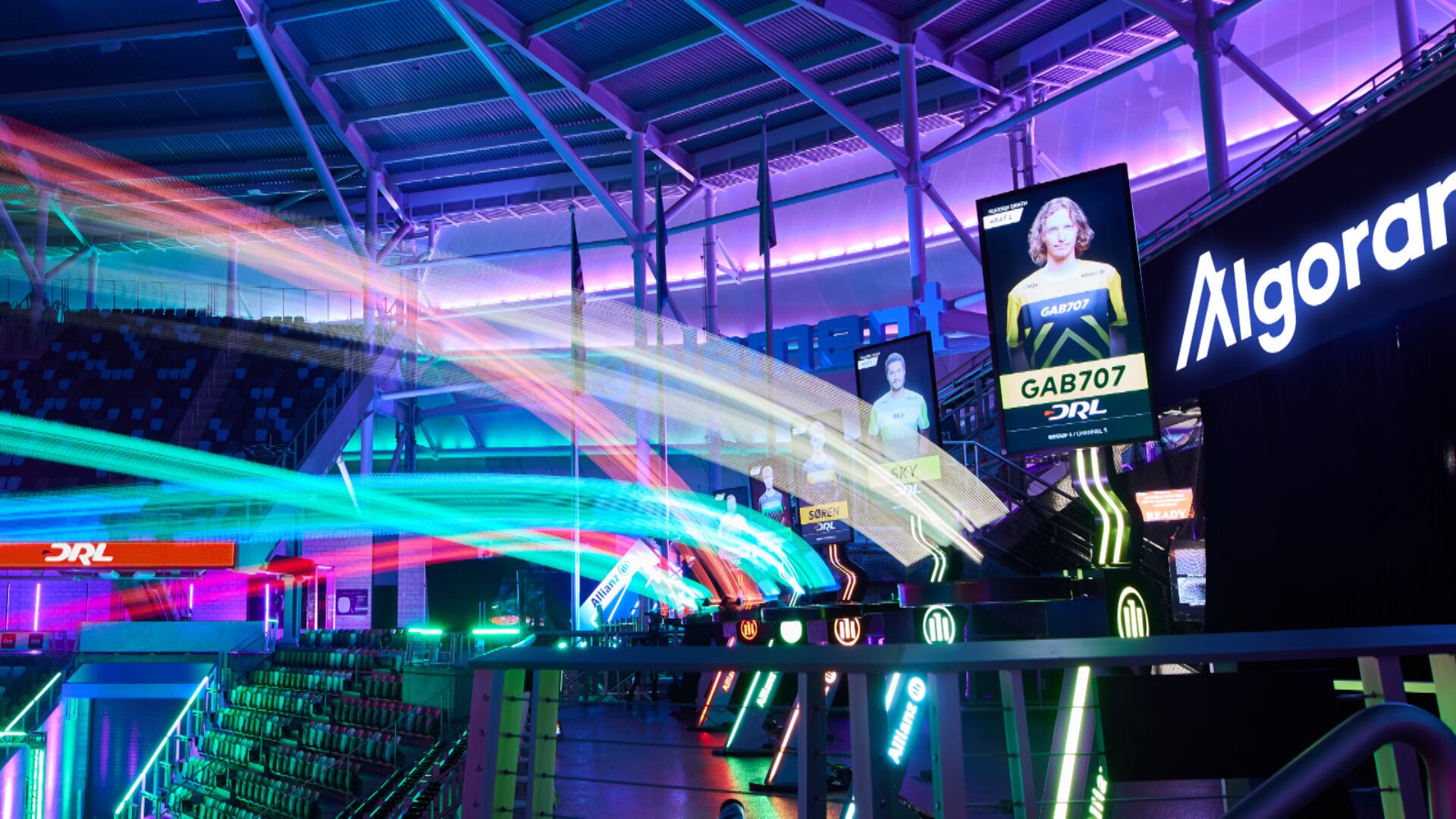
The Drone Racing League kicked off its 2021-2022 world championship season this week. Spanning across 14 different locations over the course of the year, 12 of the world's best drone pilots will be racing against each other to bring home the title. Drone racing has grown in popularity over the past year, with the Drone Racing League seeing an uptick of nearly 200 percent average viewership, 90 percent in virtual drone racing participation and 60 percent fanbase growth over social media. Rachel Jacobson, President of the Drone Racing League, discusses the future of the sport and why she thinks drone racing will soon be on par with traditional sports.