Snap's Rollback of Redesign May Signal an Identity Crisis
*By Britt Terrell*
Snap is doing something that is unprecedented in social media. The maker of Snapchat has answered angry users' protests and revamped its app to make it more similar to the original version.
"It's a sign of humility in a way for Snapchat," said Marty Swant, a staff writer at Adweek. "In a way, I wonder if they have a bit of an identity crisis."
Is Snap making a tool for publishers or is the app catering to its core users?
Snapchat's 2017 redesign was meant to bring more people to its publishing page. But loyal users revolted: A petition called for the app maker to revert to the old design, the platform saw its user growth [decline in the last quarter](http://deadline.com/2018/05/snap-inc-snapchat-slowest-growth-earnings-stock-plunges-1202380663/).
As Snap's stock continues to plummet ーit's down nearly 50 percent year-over-year ー the company must figure out ways to appeal to advertisers.
"I think the big picture that Snapchat has now is their ads are a lot more creative than the ads you're seeing on Instagram stories - Snapchat's main competitor," said Swant in an interview Monday with Cheddar. "They're just cooler looking, they're more engaging. I think that's a big play, but the question is, do users actually spend time with them?"
For the full interview, [click here](https://cheddar.com/videos/snap-redesigns-its-redesign).
Amid an ongoing labor shortage, more companies are turning to automation for processes like shipping and delivery in order to relieve supply chain pressures. But what does this mean for the wider labor market - will those jobs return? How will workers fare once supply chain issues ease? Sam Lurye, CEO and Founder of automation startup Kargo, joins Cheddar News' Closing Bell to discuss the pros and cons of automation, how workers can adapt alongside new technology, and how the pandemic led to the perfect storm for the rise of automation.
Ben McMillan, CIO at IDX Digital Assets, joins Cheddar News' Closing Bell, where he explains how the recent surge by Ethereum and Bitcoin can be connected to a play against inflation.
AI chipmaker Hailo raised $136 million in its latest funds round, representing one of the largest investments ever in the AI chip space. It comes amid the ongoing global chip shortage, and a surge in demand for the company's technology, which is used to power smart cities, cars and homes, and the next generation of retail. Hailo co-founder and CEO Orr Danon joined Cheddar News' Closing Bell to discuss.
The two biggest names in the ride-sharing industry reported earnings this week. Uber and Lyft both beat Wall Street expectations on their top and bottom lines, as the companies and the ride-sharing industry have recently faced several challenges like the pandemic, the supply chain crisis, and driver shortages. Johnson Research Group CEO Chris Johnson joined Cheddar News' Closing Bell to discuss.
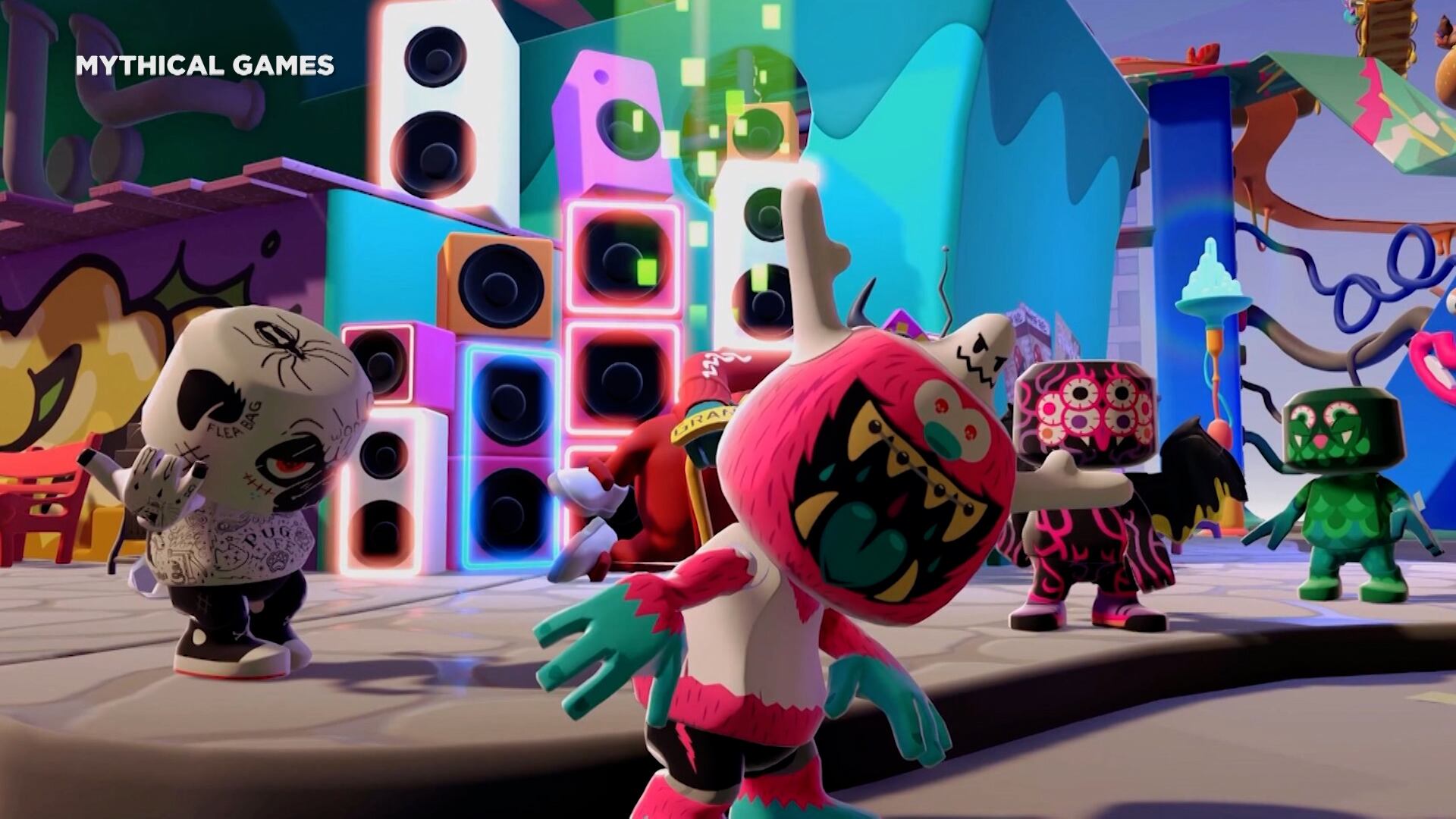
Gaming technology studio Mythical Games recently raised $150 million in a round led by Andreesen Horowitz, bringing Mythical's valuation to above unicorn status at $1.2 billion. Mythical Games' mission is to create a new generation of gaming with play-to-earn games that allow players to play to win actual cryptocurrency. Now the company is taking it to another level with NFT technology, allowing players to play with characters they can truly own. Mythical Games CEO John Linden joined Cheddar News' Closing Bell to discuss.
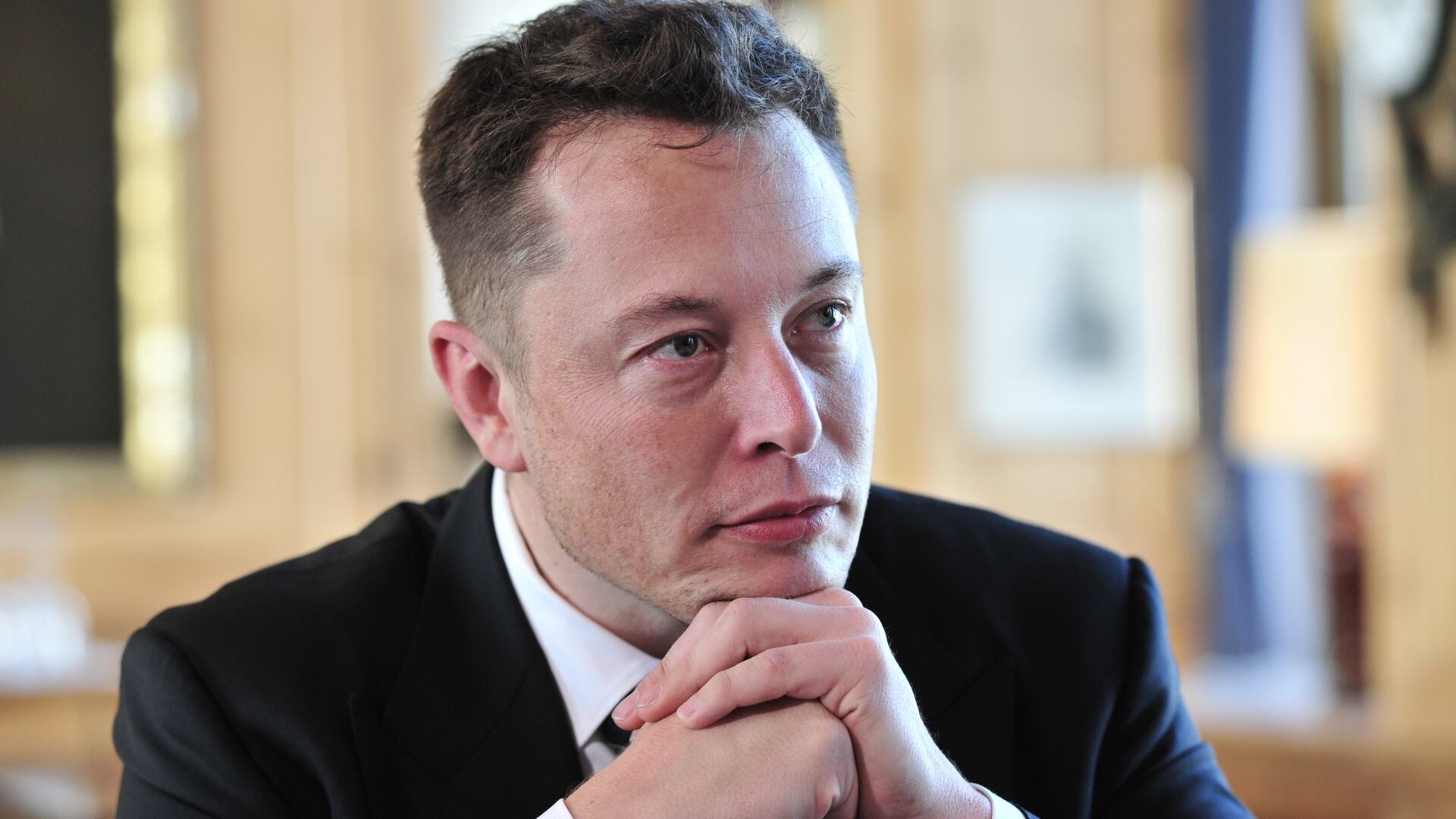
Tesla CEO Elon Musk posed a question to his Twitter followers over the weekend: 'Should I sell 10% of my Tesla shares in order to pay off a looming $15 billion tax bill?' Shares plummeted after he posed the question, and just over half of 3.5 million Twitter voters said Musk should sell a fraction of his shares. Dan Ives, Managing Director of Equity Research at Wedbush Securities, joins Cheddar News' Closing Bell to discuss whether or not Musk's Twitter poll was significant amid his looming tax bill, and how investors are feeling after yet another controversial tweet from the Tesla chief.
David Ewalt, Editor in Chief of Gizmodo, joins 'Fast Forward' to paint a picture of what a metaverse-driven future looks like, and how it will propel the future of work and education.