Snap's Rollback of Redesign May Signal an Identity Crisis
*By Britt Terrell*
Snap is doing something that is unprecedented in social media. The maker of Snapchat has answered angry users' protests and revamped its app to make it more similar to the original version.
"It's a sign of humility in a way for Snapchat," said Marty Swant, a staff writer at Adweek. "In a way, I wonder if they have a bit of an identity crisis."
Is Snap making a tool for publishers or is the app catering to its core users?
Snapchat's 2017 redesign was meant to bring more people to its publishing page. But loyal users revolted: A petition called for the app maker to revert to the old design, the platform saw its user growth [decline in the last quarter](http://deadline.com/2018/05/snap-inc-snapchat-slowest-growth-earnings-stock-plunges-1202380663/).
As Snap's stock continues to plummet ーit's down nearly 50 percent year-over-year ー the company must figure out ways to appeal to advertisers.
"I think the big picture that Snapchat has now is their ads are a lot more creative than the ads you're seeing on Instagram stories - Snapchat's main competitor," said Swant in an interview Monday with Cheddar. "They're just cooler looking, they're more engaging. I think that's a big play, but the question is, do users actually spend time with them?"
For the full interview, [click here](https://cheddar.com/videos/snap-redesigns-its-redesign).
ORIGYN Foundation, an NFT authentication start-up based in Switzerland, has secured $20 million in funding from investors like Paris Hilton, Bill Ackman, and Polychain Capital, among others. The non-profit, now valued at $300 million, uses AI technology to verify non-fungible tokens across art, collectibles, digital media and luxury goods. Daniel Haudenschild, CEO of ORIGYN Entreprise, discusses how the money will help put power back into the hands of artists, creators, and collectors.
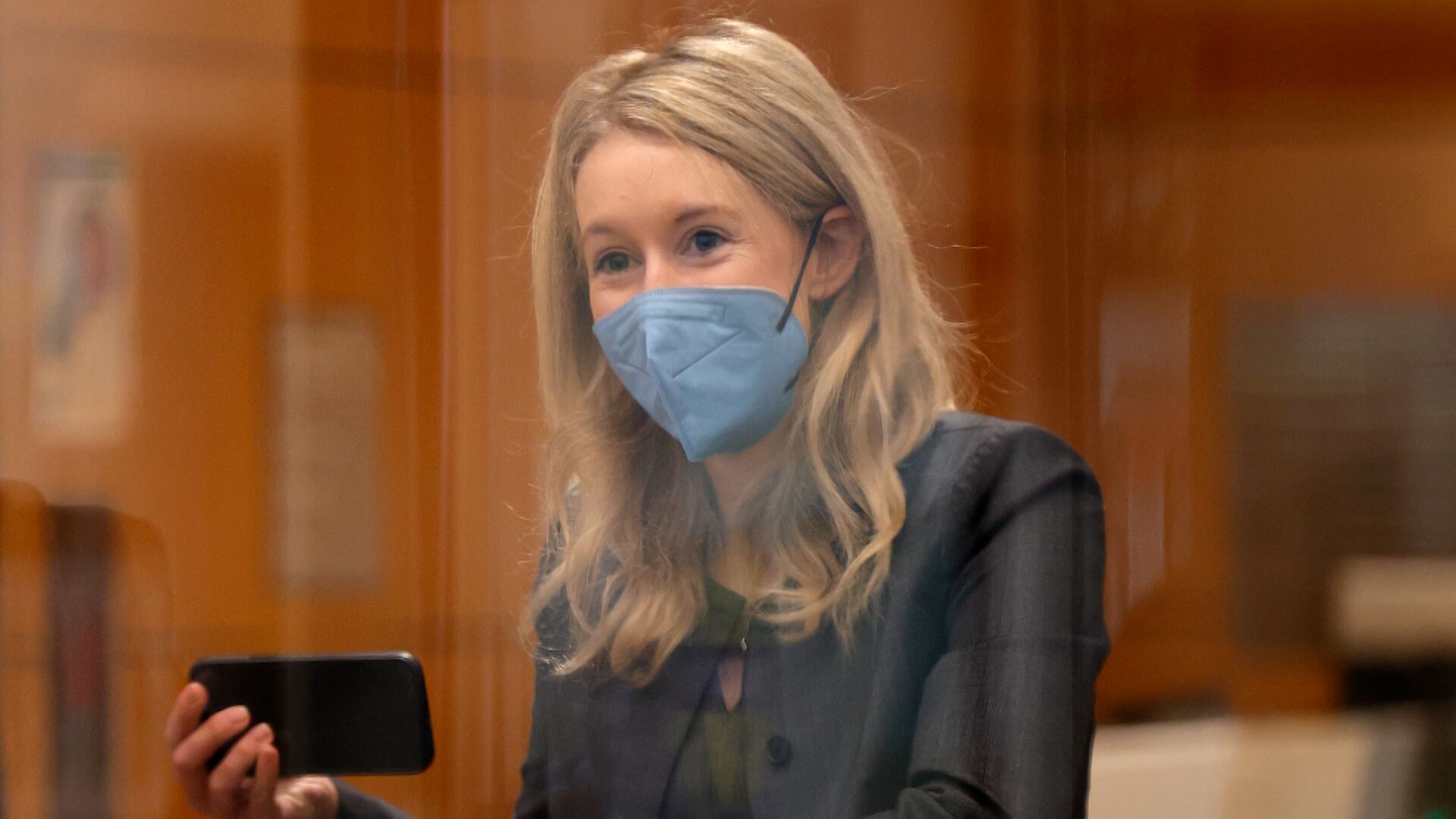
Michael S. Weinstein, chair of the white collar criminal defense practice at Cole Schotz, joined "Wake Up With Cheddar" to break down the defense's strategy to put Elizabeth Holmes on the stand in the former Theranos CEO's criminal fraud trial. "She's humanizing herself, and she's certainly coming off as they would want her to," he said. "I think what really is going to be interesting and really where the rubber meets the road is when the cross-examination commences, and they're able to pick apart her story and contrast what she's currently saying to what she previously said on multiple occasions in the last five to seven years."
Jill and Carlo are a bit delayed today on account of Carlo's internet not working. Better late than never, they discuss what we know about the suspect in the Christmas parade crash, closing arguments in the Arbery killing trial, and more.
A group of crypto enthusiasts pooled over $40 million dollars in an attempt to win a copy of the U.S. Constitution last week. However, their efforts came up short, as hedge fund billionaire Ken Griffin emerged as the victor in a $43.2 million Sotheby's auction. Matt Cutler, CEO & Co-Founder of Blocknative, joins Cheddar News' Closing Bell, where he explains why ConstitutionDAO ultimately came up short.
Gparency, a company that says its mission is to revolutionize the commercial mortgage industry, raised $15 million in its first funding round - representing the largest ever seed round in the commercial real estate space. Gparency's service will allow landlords and real estate developers to receive funding directly from banks, without the need for a mortgage broker. The company says its new approach will give power back to the consumer. Gparency founder and CEO Ira Zlotowitz joins Cheddar News' Closing Bell to discuss.