Snap's Rollback of Redesign May Signal an Identity Crisis
*By Britt Terrell*
Snap is doing something that is unprecedented in social media. The maker of Snapchat has answered angry users' protests and revamped its app to make it more similar to the original version.
"It's a sign of humility in a way for Snapchat," said Marty Swant, a staff writer at Adweek. "In a way, I wonder if they have a bit of an identity crisis."
Is Snap making a tool for publishers or is the app catering to its core users?
Snapchat's 2017 redesign was meant to bring more people to its publishing page. But loyal users revolted: A petition called for the app maker to revert to the old design, the platform saw its user growth [decline in the last quarter](http://deadline.com/2018/05/snap-inc-snapchat-slowest-growth-earnings-stock-plunges-1202380663/).
As Snap's stock continues to plummet ーit's down nearly 50 percent year-over-year ー the company must figure out ways to appeal to advertisers.
"I think the big picture that Snapchat has now is their ads are a lot more creative than the ads you're seeing on Instagram stories - Snapchat's main competitor," said Swant in an interview Monday with Cheddar. "They're just cooler looking, they're more engaging. I think that's a big play, but the question is, do users actually spend time with them?"
For the full interview, [click here](https://cheddar.com/videos/snap-redesigns-its-redesign).
The streaming giant Netflix posted its latest earnings from its fourth quarter after the close on Thursday. The company's stock plummeted shortly after the company warned that its rate of subscription additions are slowing down. Senior Reporter at MarketWatch Jon Swartz, joined Cheddar to discuss more.
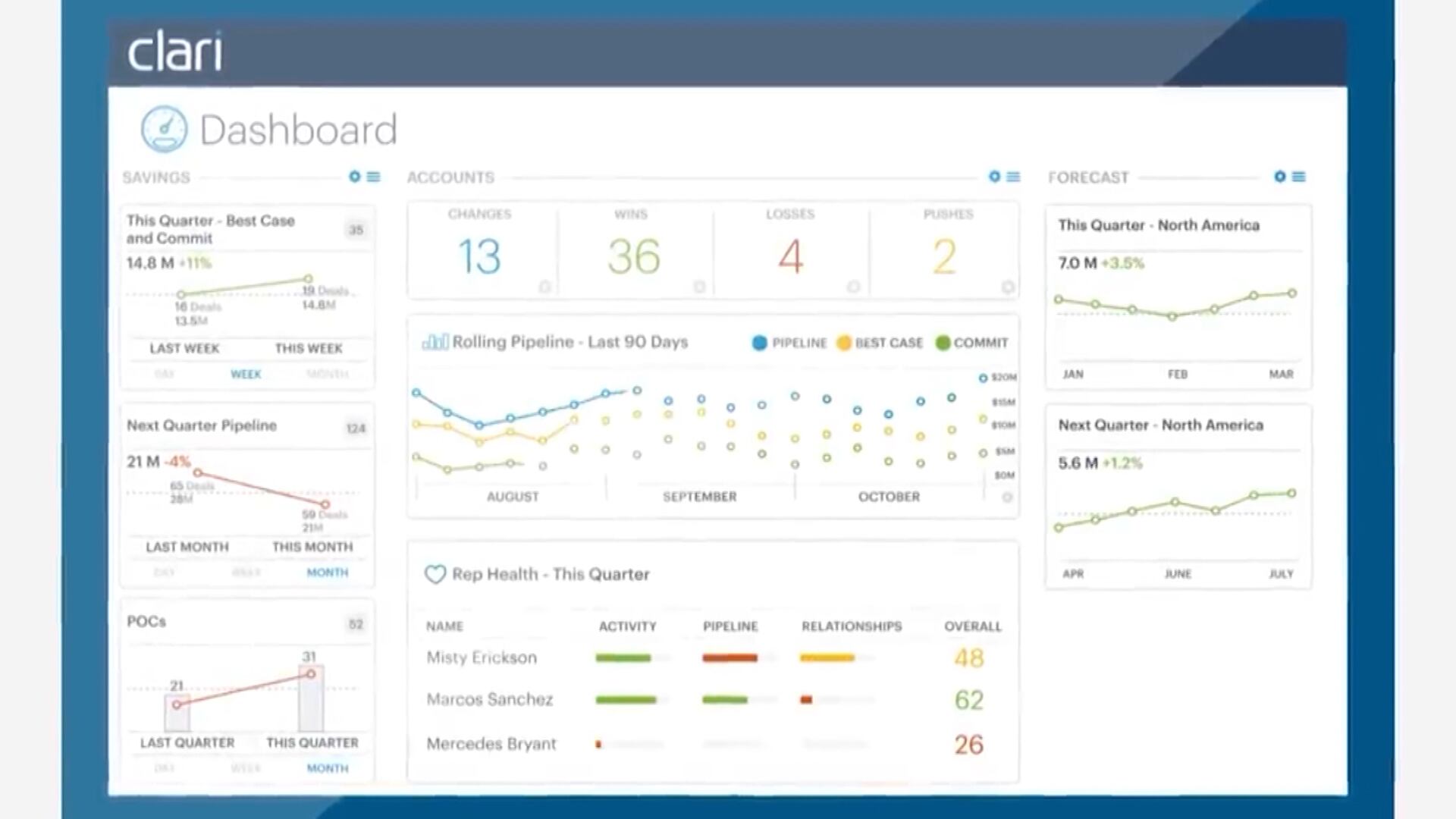
Revenue operations platform Clari recently raised $225 million in a Series F financing round led by Blackstone, bringing the company's valuation to more than $2.6 billion. Calri says more than 450 companies from around the world use its A.I.-powered platform to make their revenue operations more connected, efficient, and predictable. Clari CEO Andy Byrne joined Cheddar News' Closing Bell to discuss.
Technology company Unity announced it has acquired Ziva Dynamics. Marc Whitten, SVP & GM, Create at Unity, joins Cheddar News' Closing Bell, where he discusses how this move will help his company democratize real-time character creation.
AT&T announced it's offering two tiers of high-speed internet, 2 gigs, and 5 gigs, to its fiber customers in more than 70 metro regions. AT&T Consumer CEO Thaddeus Arroyo joined Cheddar to talk about the newly available speed upgrades for 5.2 million of its customers, and where the rollout goes from here. "Over the course of 2022, we'll rapidly continue to retrofit the rest of the base," he said. "And importantly now is, as we build-out, we've talked about building out to cover 30 million homes and businesses by the end of 2025, we're going to continue to ensure that every new location that we stand up has this multi gig capability."
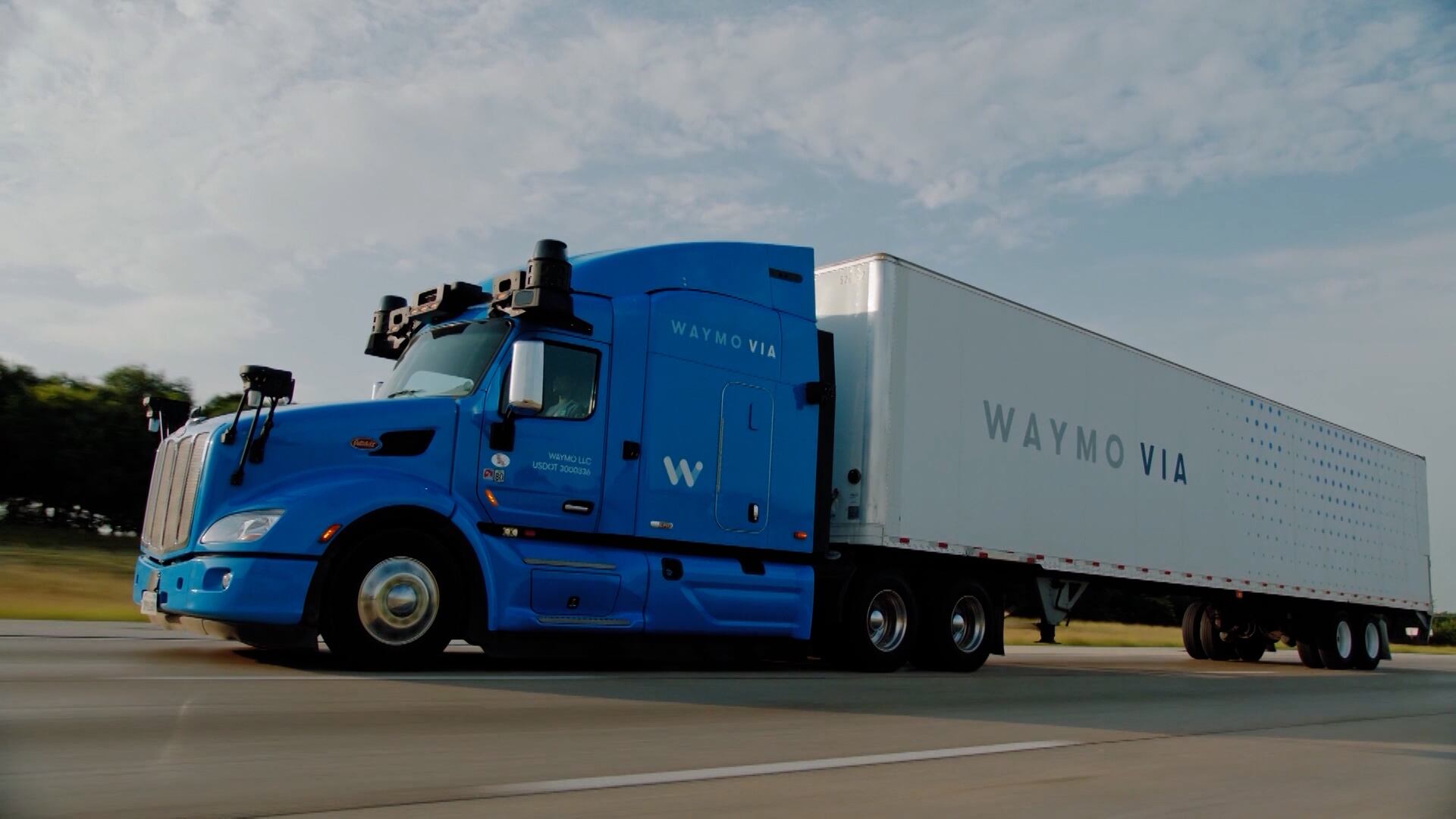
Autonomous driving tech company Waymo is partnering with transportation and logistics business J.B. Hunt. The two firms are teaming up to bring autonomous shipping to the highways. Head of commercialization for trucking at Waymo, Charlie Jatt, joined Cheddar to discuss how the companies are combining their strengths. "We, of course at Waymo, are working on the technology side of affairs, and J. B Hunt brings critical operational and commercial expertise," Jatt said. "And together we're going to work to deploy the first fully autonomous Class 8 truck hauling goods for one of their customers in the coming years in Texas."
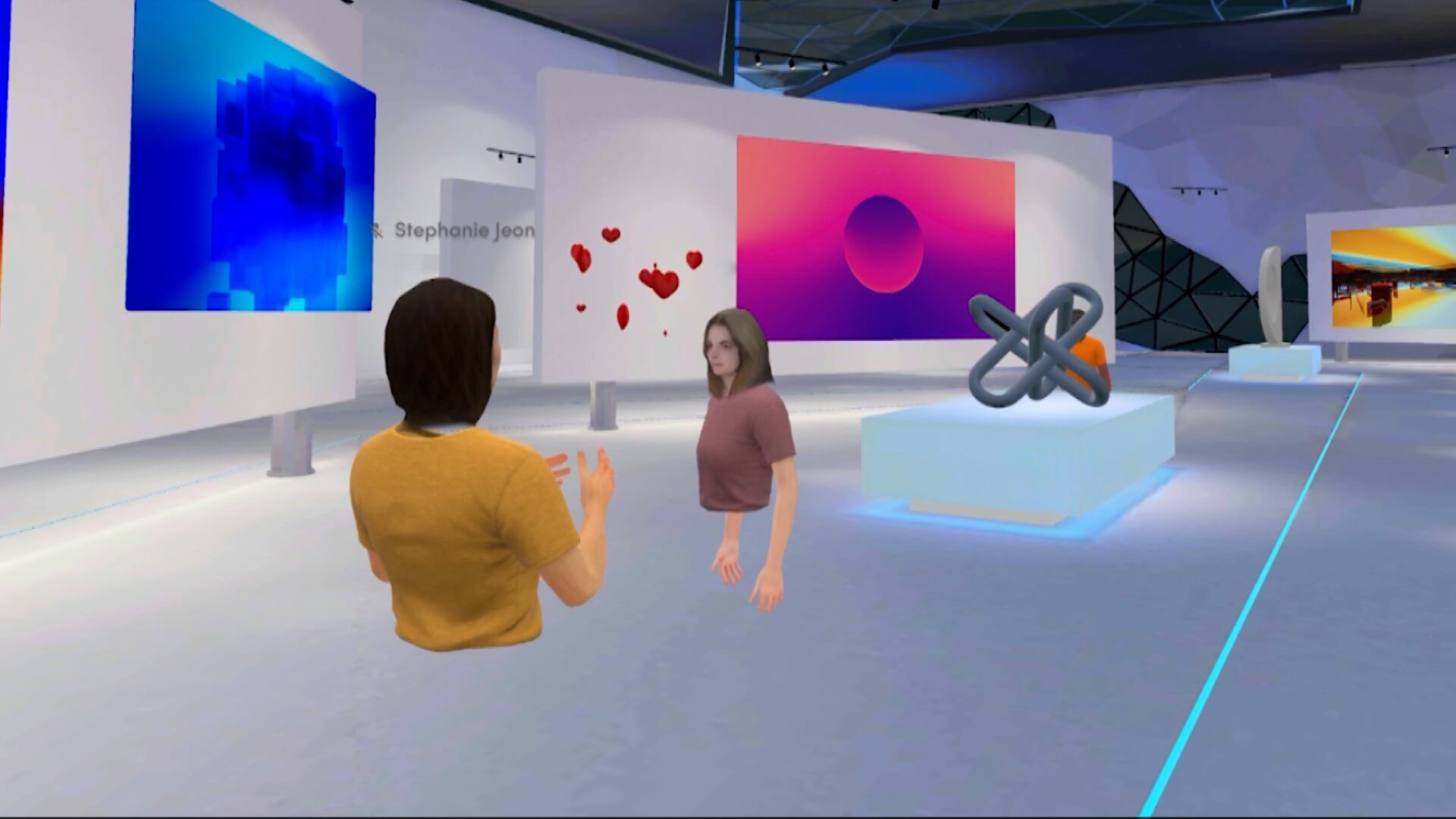
As companies look toward the metaverse concept to further move their companies online, Shep Ogden, CEO and co-founder of Offbeat Media, spoke with Cheddar about questions investors should be posing to businesses like how customized the metaverse experience will be. "One of the best things that people can do, or companies can do, to be competitive is really find those influencers within the community that are very deep in the space," Ogden added.