Global smartphone shipments saw their largest-ever single decline in the fourth quarter of 2022, plunging 18.3 percent year-over-year, according to data from the International Data Corporation (IDC).
The drop rounds out a 11.3 percent decline for all of 2022 for a total of 1.21 billion units, which is the lowest annual shipment amount since 2013.
"We have never seen shipments in the holiday quarter come in lower than the previous quarter," said Nabila Popal, research director at IDC, in a news release. "Heavy sales and promotions during the quarter helped deplete existing inventory rather than drive shipment growth."
The downward trend has been ongoing for years but intensified in 2022. As global economic uncertainty increases, vendors are increasingly cautious in planning shipments, as they focus on profitability over maximizing sales and risking accumulating too much inventory.
"Even Apple, which thus far was seemingly immune, suffered a setback in its supply chain with unforeseen lockdowns at its key factories in China," Popal said.
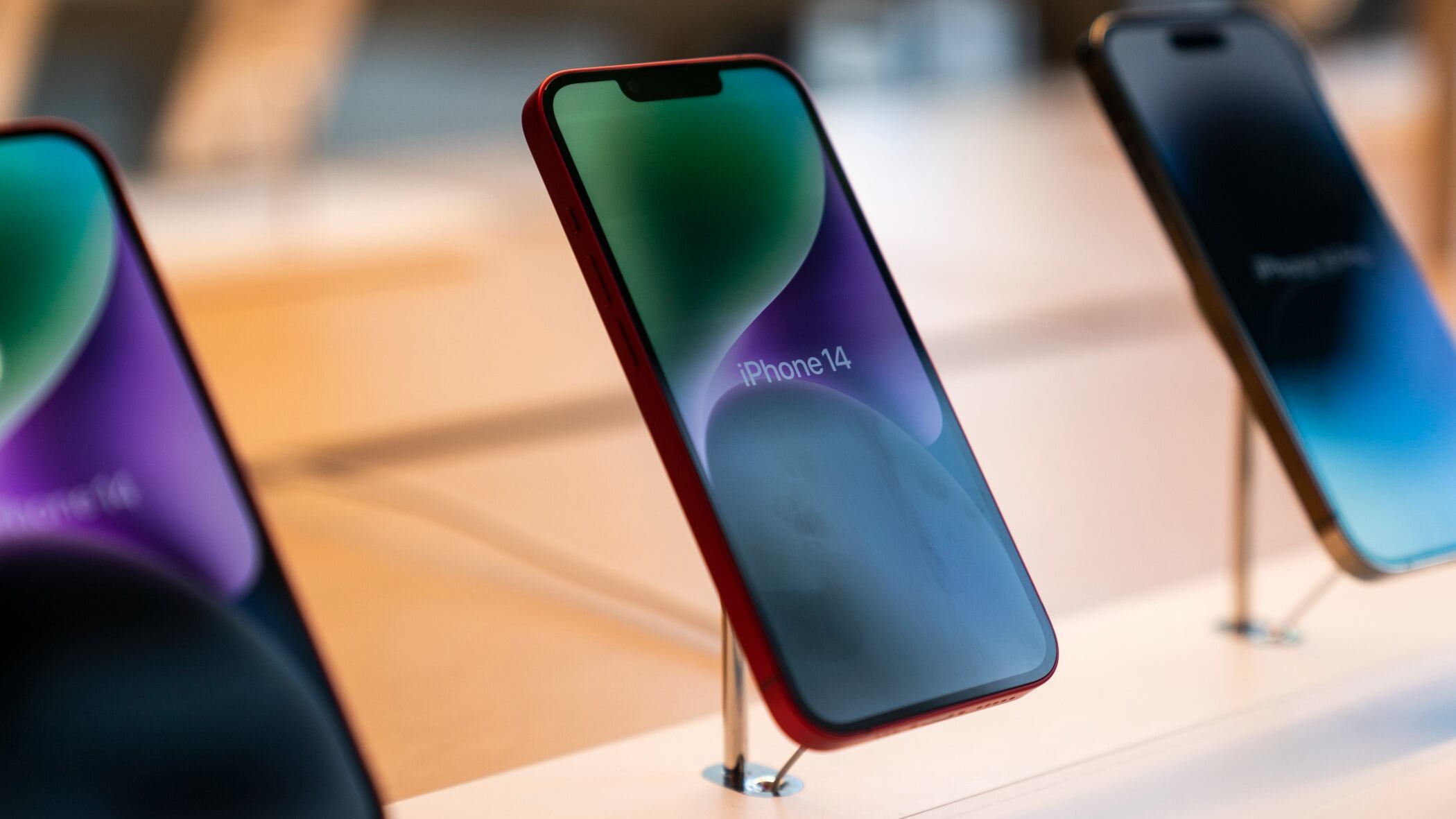
While Apple is still the biggest smartphone maker in the world, the company shipped 14.9 percent fewer units in 2022 than the year before for a total of 72.3 million.
Samsung's smartphone sales were also down 15.6 percent, and China-based Xiaomi saw its sales plunge more than 26 percent.
"We continue to witness consumer demand dwindle as refresh rates climb past 40 months in most major markets," said Anthony Scarsella, another research director for IDC. "With 2022 declining more than 11% for the year, 2023 is set up to be a year of caution as vendors will rethink their portfolio of devices while channels will think twice before taking on excess inventory."
On a positive note, he said consumers are likely to see more generous trade-in offers and promotions this year, as companies new ways to drive sales and upgrades.


