*By Carlo Versano*
While the television industry rapidly consolidates and cord-cutting spreads, Sling TV envisions a future where bundles are things of the past, and customers watch programming on an "à la carte" basis.
Warren Schlichting, the company's EVP and group president, spoke to Cheddar on Monday from Denver Startup Week about the ever-changing media landscape.
"I don't want to pay for things I'm not watching," he said, channeling the mantra of the 2.3 million cord-cutters who make up Sling's customer base.
Sling, an OTT service owned by Dish ($DISH), recently [expanded](https://www.broadcastingcable.com/news/nielsen-in-deal-to-provide-digital-ad-ratings-for-sling-tv) a partnership with ratings firm Nielsen to digitally measure ad campaigns that run on the service. Advertisers on traditional television have long relied on Nielsen's famously complex ratings metrics, while OTT allows for a more targeted approach.
"Nielsen is the currency of linear television," said Schlichting, noting that the partnership will help Nielsen ratings become the "currency" for streaming as well.
Sling's customer base still pales in comparison to that of a major cable provider. But the metric that matters is growth, Schlichting said.
It's no secret that cable growth is slowing ー see Comcast's ($CMCSA) Sky deal as evidence ー while streaming is on the rise.
One of the business challenges with an OTT service like Sling has been the unpredictability of user patterns ー unbound by long-term contracts, customers tend to leave, come back, then repeat. It's a new kind of consumer who follows the content. Schlichting said that is precisely why Sling has expanded its offerings to include pay-per-view and VOD products.
"There's all sorts of ways you interact with Sling," he said.
According to a [study](https://www.emarketer.com/content/more-than-half-of-us-consumers-watch-subscription-ott-video-2018) by eMarketer last month, cord-cutting will grow by 33 percent this year, and the number of people who subscribe to at least one OTT service will rise to just over half the U.S. population. There's still about [90 million](https://www.recode.net/2018/1/23/16857600/netflix-hulu-cable-streaming-tv-movies-david-letterman-chart) Americans who pay $100 a month or so for cable ー all potential Sling customers, in Schlichting's estimation.
"We like our chances," he said.
For full interview [click here](https://cheddar.com/videos/sling-tv-eyes-more-targeted-advertising-with-nielsen).
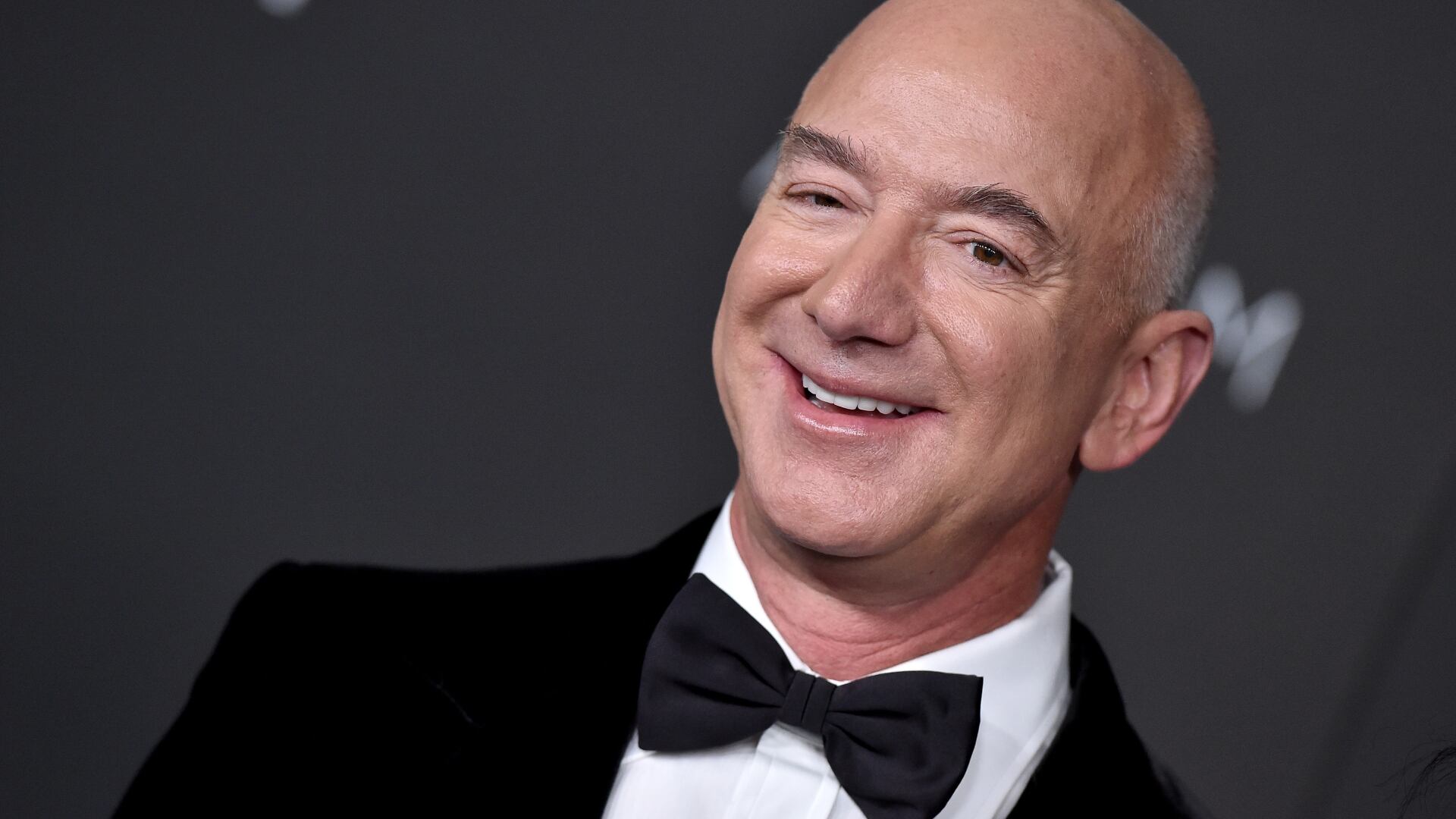
Amazon founder Jeffrey Bezos took to the stage at the U.N.'s COP26 Climate Summit to unveil a new plan to combat climate change, but some say it might do more harm than good. Justine Calma, Science Reporter at The Verge, joined Cheddar to discuss.
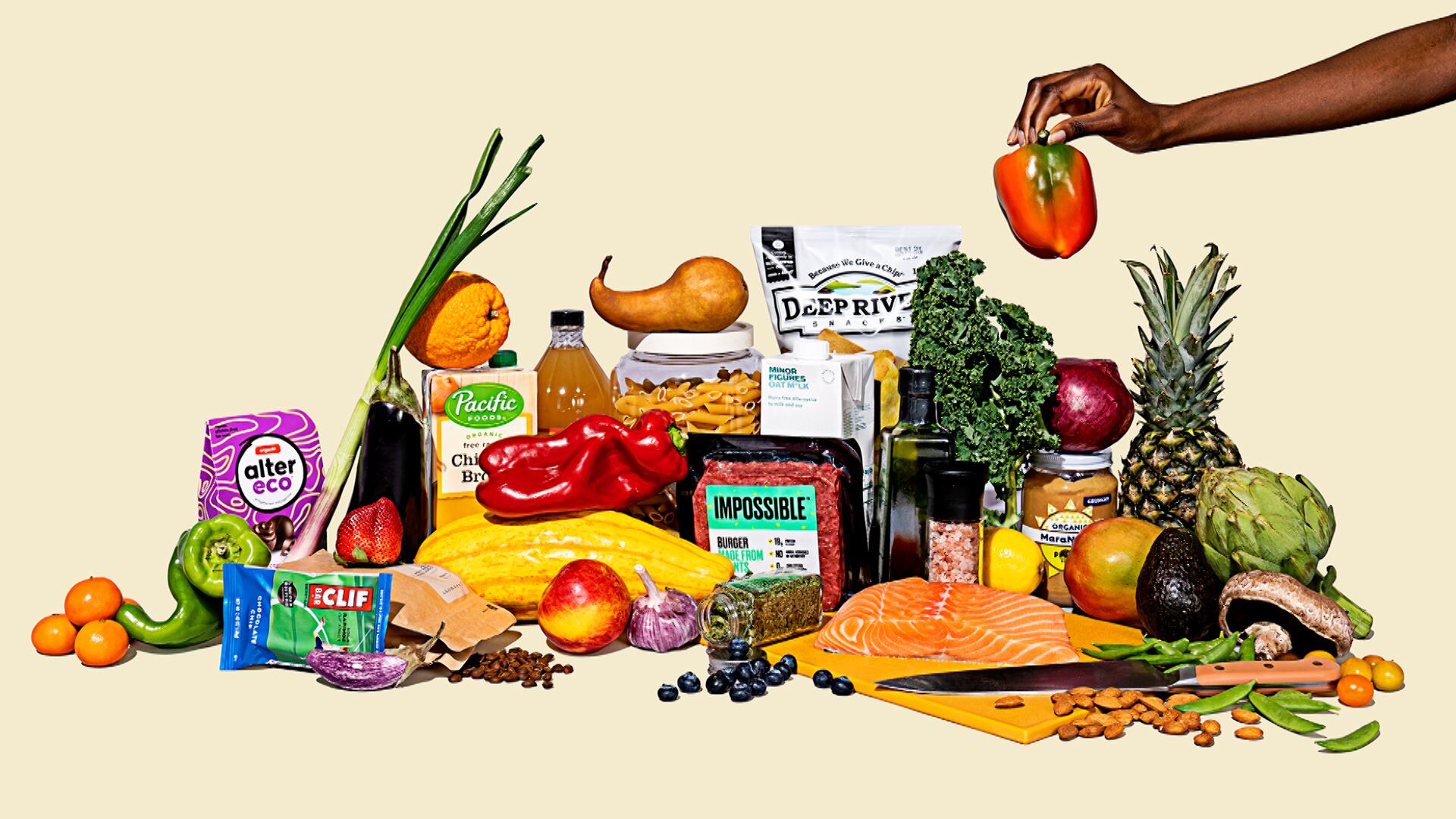
Misfits Market, the grocery delivery company that capitalizes on curbing food waste, expanded into California for the first time on Wednesday. Abhi Ramesh, founder and CEO, joined Cheddar to discuss the launch in the Golden State, after the company's beginnings in Philadelphia and experiencing a wave of growth amid the pandemic. He noted that the expansion was an opportunity to provide West Coast communities with fresh produce as "one in five California households are in food deserts and don't have access to fresh, healthy food."
George Seay, CEO of Annandale Capital, talks about the supply chain issues and labor shortages impacting the tech sector, and where to hedge as inflation rises.
The Justice Department has filed a lawsuit to block Penguin Random House from acquiring its rival Simon & Schuster. The DOJ hopes this will block the merger, which it says would ultimately hurt authors and consumers nationwide. Barry C. Lynn, executive director of the Open Markets Institute, joined Cheddar to explain what the lawsuit signals about the Biden administration's approach to cracking down on antitrust, and why Amazon might be next.
Bryan Freeman, Executive Chairman of Real Good Foods, discusses the need for healthy meal choices in the frozen food space and what expansion for the company looks like.
Lance Ippolito, Head Trader at The Future of Wealth, talks about the health of the tech sector amid the supply chain challenges and the catalysts fueling record highs on the stock market.
Darren Schuringa, Founder & CEO of ASYMmetric ETFs, discusses the major risks to markets and offers ways to hedge high inflation as consumer spending continues to rise.
Danielle Dimartino Booth, CEO & Director of Intelligence at Quill Intelligence and former Advisor to Dallas Fed, talks about what to expect from the FOMC meeting, and how labor participation and wage growth may impact inflation going forward.
Kristina Hooper, Chief Global Market Strategist at Invesco, talks about the Fed's flexibility around tapering and what to expect for the October Jobs Report.
Will Rhind, Founder & CEO of GraniteShares, talks about consumer spending amid inflation concerns and discusses the headwinds impacting the tech and energy sectors.