*By Carlo Versano*
While the television industry rapidly consolidates and cord-cutting spreads, Sling TV envisions a future where bundles are things of the past, and customers watch programming on an "à la carte" basis.
Warren Schlichting, the company's EVP and group president, spoke to Cheddar on Monday from Denver Startup Week about the ever-changing media landscape.
"I don't want to pay for things I'm not watching," he said, channeling the mantra of the 2.3 million cord-cutters who make up Sling's customer base.
Sling, an OTT service owned by Dish ($DISH), recently [expanded](https://www.broadcastingcable.com/news/nielsen-in-deal-to-provide-digital-ad-ratings-for-sling-tv) a partnership with ratings firm Nielsen to digitally measure ad campaigns that run on the service. Advertisers on traditional television have long relied on Nielsen's famously complex ratings metrics, while OTT allows for a more targeted approach.
"Nielsen is the currency of linear television," said Schlichting, noting that the partnership will help Nielsen ratings become the "currency" for streaming as well.
Sling's customer base still pales in comparison to that of a major cable provider. But the metric that matters is growth, Schlichting said.
It's no secret that cable growth is slowing ー see Comcast's ($CMCSA) Sky deal as evidence ー while streaming is on the rise.
One of the business challenges with an OTT service like Sling has been the unpredictability of user patterns ー unbound by long-term contracts, customers tend to leave, come back, then repeat. It's a new kind of consumer who follows the content. Schlichting said that is precisely why Sling has expanded its offerings to include pay-per-view and VOD products.
"There's all sorts of ways you interact with Sling," he said.
According to a [study](https://www.emarketer.com/content/more-than-half-of-us-consumers-watch-subscription-ott-video-2018) by eMarketer last month, cord-cutting will grow by 33 percent this year, and the number of people who subscribe to at least one OTT service will rise to just over half the U.S. population. There's still about [90 million](https://www.recode.net/2018/1/23/16857600/netflix-hulu-cable-streaming-tv-movies-david-letterman-chart) Americans who pay $100 a month or so for cable ー all potential Sling customers, in Schlichting's estimation.
"We like our chances," he said.
For full interview [click here](https://cheddar.com/videos/sling-tv-eyes-more-targeted-advertising-with-nielsen).
Cognitive healthcare platform BrainCheck recently raised $10 million in a Series B round. The platform offers neurologists a new way to detect and care for brain disorders like Alzeheimer's, and brain injuries like concussions. BrainCheck CEO Yael Katz joined Cheddar News' Closing Bell to discuss.
Stocks closed mixed today, with the S&P 500 and the Nasdaq both notching record closing highs. Veronica Willis, investment strategy analyst at the Wells Fargo Investment Institute, joins Cheddar News' Closing Bell to discuss today's close, recent inflation data, rising oil prices, and more.
Jean-Denis Mariani, the chief digital officer at COTY, the parent company for major brands like Bottega Veneta, Burberry, and Kylie Skin, joined Cheddar to talk about the impact of the pandemic on the beauty industry and the rapid shift to e-commerce sales. "There is no digital strategy anymore, only strategy in a digital world," he said. Mariani also talked about personalized makeup selection for consumers as the beauty sector begins to incorporate technology like artificial intelligence.
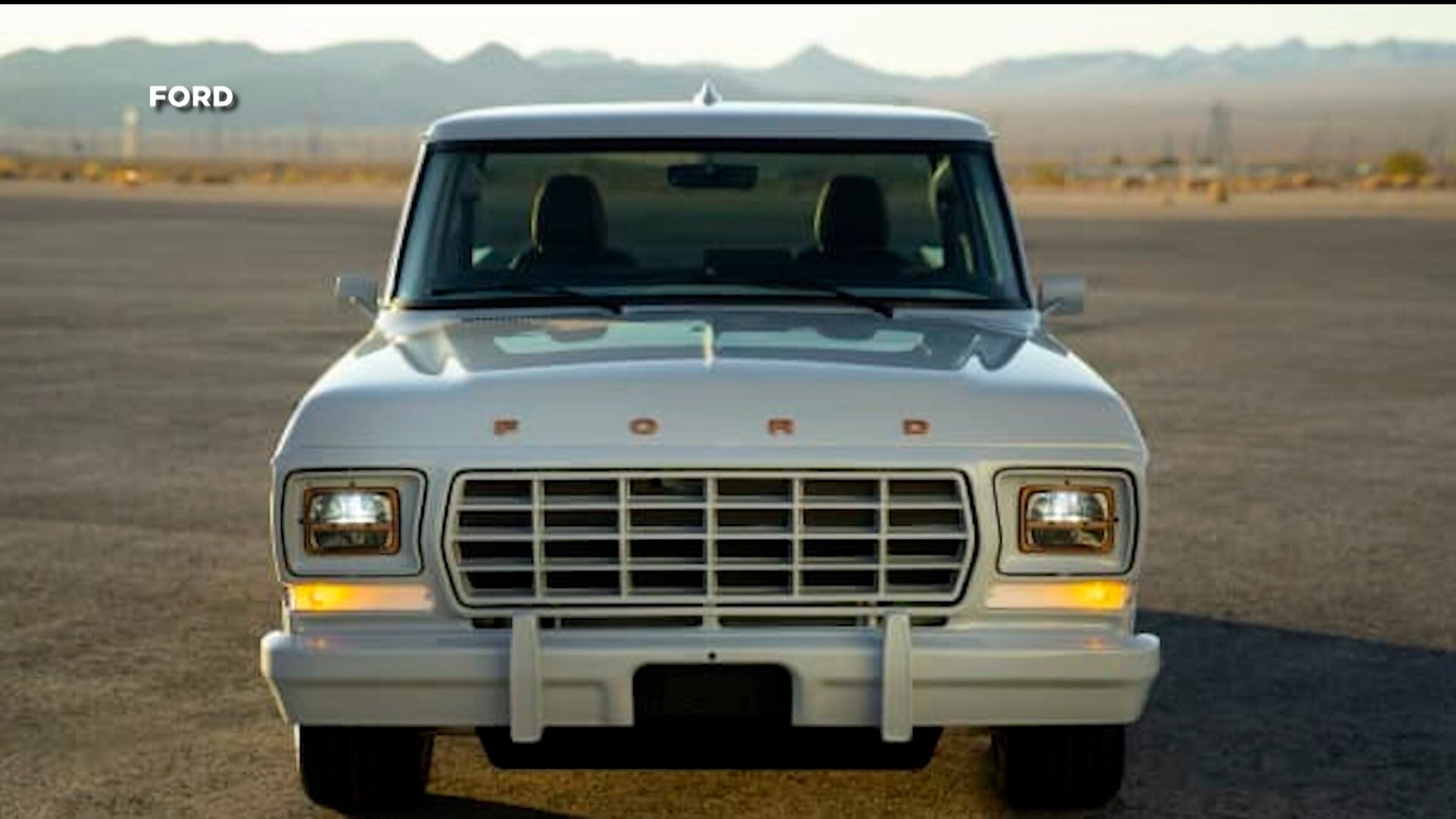
Amid an ongoing global semiconductor chip shortage, American automaker Ford has decided to open up supply chains of its own. Karl Brauer, an executive analyst at iSeeCars.com, joined Cheddar to discuss Ford's new partnership with multinational semiconductor maker GlobalFoundries to build those chips domestically. Brauer praised Ford for the move both for ongoing supply woes and the future of automobile manufacturing. "It's not just the supply chain," he said. "It's not just about getting chips, but maybe getting chips that are more customized and specific to your needs."
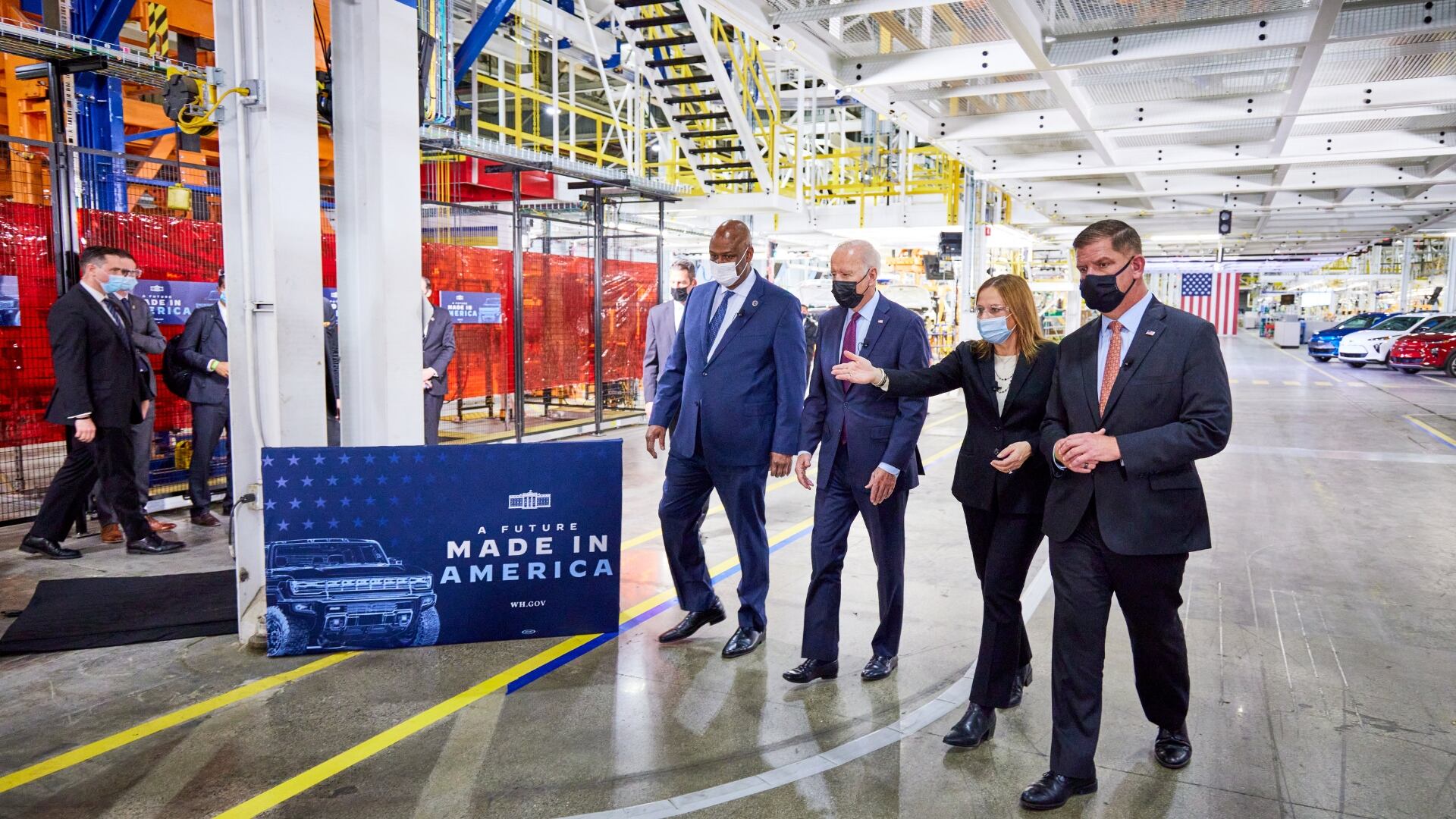
Gerald Johnson, Executive VP, Global Manufacturing and Sustainability at General Motors, joins Cheddar News to break down what Factory ZERO signifies for GM's all-electric future and why the auto manufacturer will be a leader in the growing EV industry.
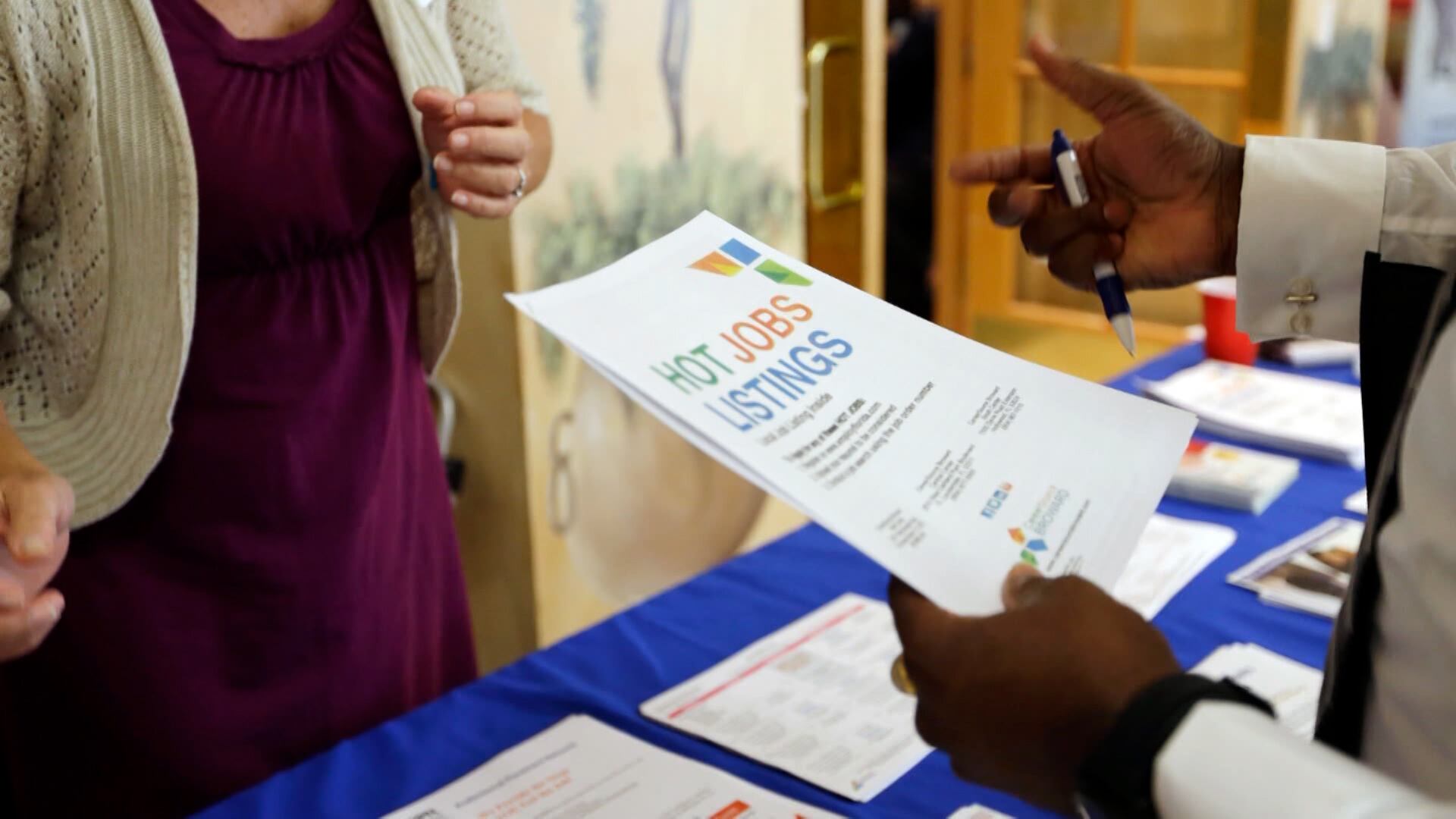
According to the U.S. Labor Department, a record 4.4-million people quit their job in September, with data showing there are seven unemployed workers for every ten job openings.
However, Americans aren't just quitting their jobs for more suitable ones, many are embracing their entrepreneurial side, leaving to start their own business. Dick Schulze, founder of Best Buy joined Cheddar's Opening Bell to discuss.
Airlines are gearing up for a busy winter season as they continue to rebound from the pandemic. But jet fuel prices combined with the ongoing labor shortage could put a damper on those holiday gains. Christian Vernet, president of La Compagnie, the only all business class airline in the world, joined Cheddar for an update on the state of the airline industry and how it's dealing with the surge in demand after the U.S. reopened its border to international visitors.
Cadillac is launching its first ever all-electric vehicle. The 2023 Lyriq boasts an estimated 300 mile range, $60,000 dollar starting price, a 33-inch advanced LED display, among many other features. The rollout comes as Cadillac has posted record third quarter global sales and plans to become all-electric by 2030. Rory Harvey, vice president of Cadillac, joined Cheddar to discuss what drivers can expect from the Lyriq, and how the brand has been able to deal with the ongoing chip shortage.
Octavio Marenzi, Founder & CEO of Opimas, discusses how labor participation is directly correlated with wage pressures and why supply chain issues are having little effect on earnings from the retail sector.
Philip Palumbo, Founder, CEO & Chief Investment Officer of Palumbo Wealth Management, discusses why wage pressure could impact earnings going forward and talks about the valuation mismatch within the tech sector.