*By Carlo Versano*
While the television industry rapidly consolidates and cord-cutting spreads, Sling TV envisions a future where bundles are things of the past, and customers watch programming on an "à la carte" basis.
Warren Schlichting, the company's EVP and group president, spoke to Cheddar on Monday from Denver Startup Week about the ever-changing media landscape.
"I don't want to pay for things I'm not watching," he said, channeling the mantra of the 2.3 million cord-cutters who make up Sling's customer base.
Sling, an OTT service owned by Dish ($DISH), recently [expanded](https://www.broadcastingcable.com/news/nielsen-in-deal-to-provide-digital-ad-ratings-for-sling-tv) a partnership with ratings firm Nielsen to digitally measure ad campaigns that run on the service. Advertisers on traditional television have long relied on Nielsen's famously complex ratings metrics, while OTT allows for a more targeted approach.
"Nielsen is the currency of linear television," said Schlichting, noting that the partnership will help Nielsen ratings become the "currency" for streaming as well.
Sling's customer base still pales in comparison to that of a major cable provider. But the metric that matters is growth, Schlichting said.
It's no secret that cable growth is slowing ー see Comcast's ($CMCSA) Sky deal as evidence ー while streaming is on the rise.
One of the business challenges with an OTT service like Sling has been the unpredictability of user patterns ー unbound by long-term contracts, customers tend to leave, come back, then repeat. It's a new kind of consumer who follows the content. Schlichting said that is precisely why Sling has expanded its offerings to include pay-per-view and VOD products.
"There's all sorts of ways you interact with Sling," he said.
According to a [study](https://www.emarketer.com/content/more-than-half-of-us-consumers-watch-subscription-ott-video-2018) by eMarketer last month, cord-cutting will grow by 33 percent this year, and the number of people who subscribe to at least one OTT service will rise to just over half the U.S. population. There's still about [90 million](https://www.recode.net/2018/1/23/16857600/netflix-hulu-cable-streaming-tv-movies-david-letterman-chart) Americans who pay $100 a month or so for cable ー all potential Sling customers, in Schlichting's estimation.
"We like our chances," he said.
For full interview [click here](https://cheddar.com/videos/sling-tv-eyes-more-targeted-advertising-with-nielsen).
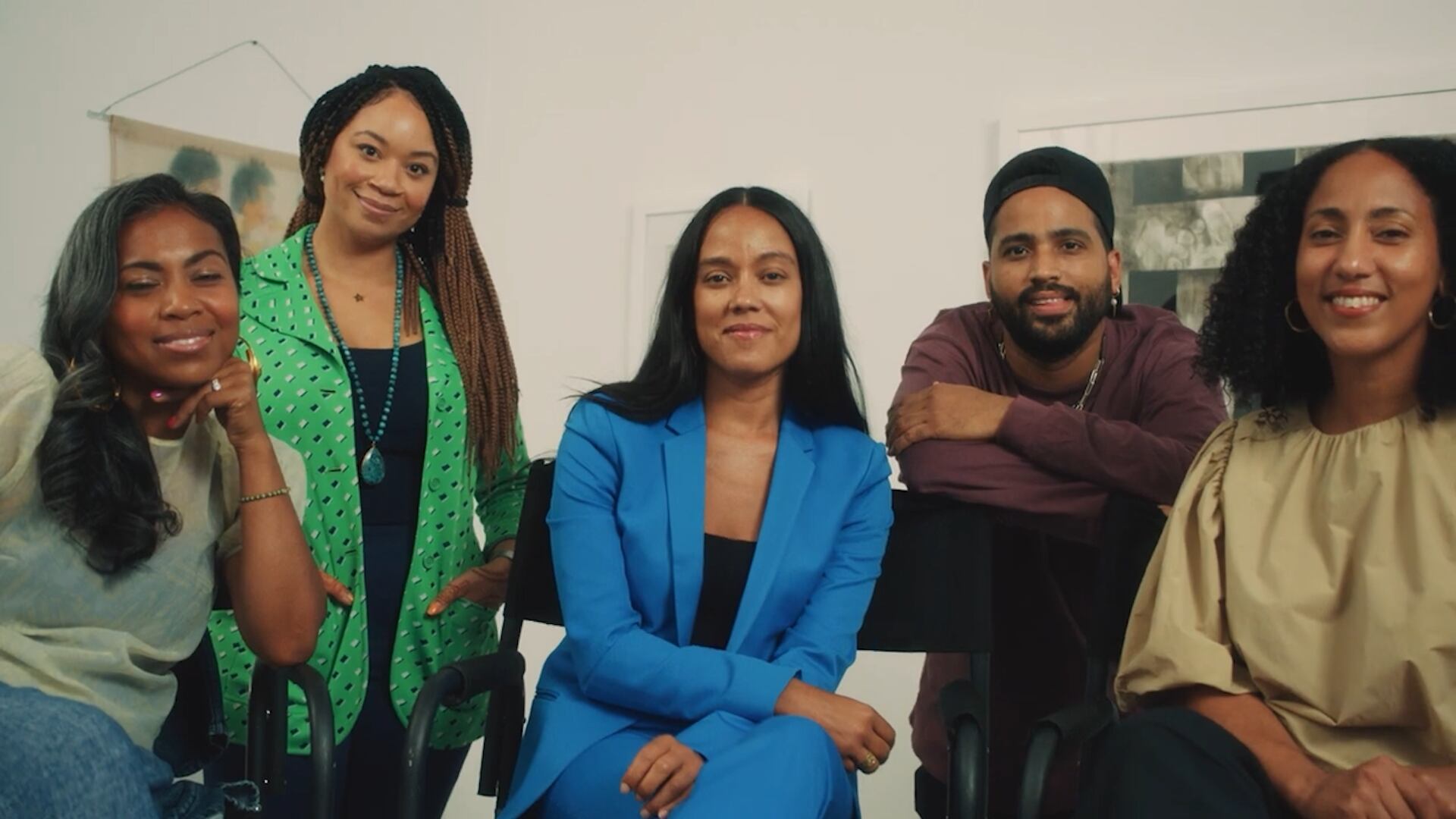
Michael Mitchell, senior director of brand at Mailchimp, joins Cheddar News to discuss the launch of Bloom Season and what every BIPOC entrepreneur needs to know to succeed.
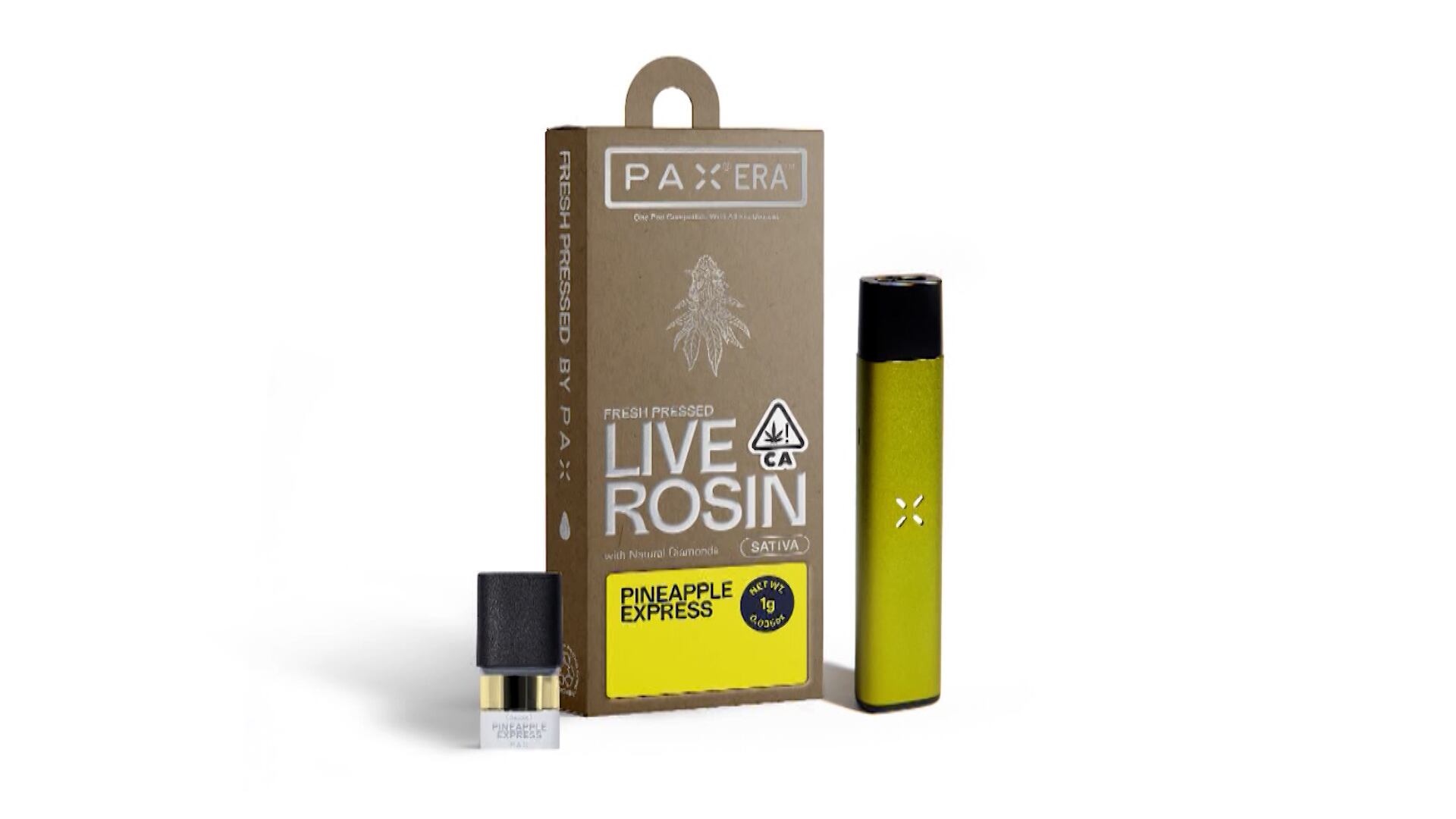
Pax Labs, a leading electronic vaporizer company, plans to release its very first cannabis pod venture, of which different strands of cannabis will be available. COO Steven Jung spoke with Cheddar’s Chloe Aiello to talk about the release of the companies own line of 100 percent cannabis pods for use with its vaporizers. "I think this is the direction that most products are going," Jung noted. "If you look at the data, it would actually show you that most consumers are in fact looking for this kind of delivery mechanism in the product itself."
The gaming industry has seen multiple large scales deals this month alone, including Microsoft's megadeal for Activision Blizzard. And, seemingly in response, rival Sony, picked up Bungie for $3.6 billion, a studio once owned by both Microsoft and Activision. The sector is reportedly on track to spend $150 billion on mergers and acquisitions just this year alone, a record-breaking total, according to investment firm Drake Star Partners. Michael Metzger, a partner at the firm specializing in technology, media, and communications, joined Cheddar to discuss the flurry of deals in the gaming space and what might be behind the hot M&A activity.
Ari Redbord, head of legal and government affairs and TRM Labs, joins Cheddar News to discuss why Facebook is ditching its crypto project and what that means for the space.
Natalie Fertig, federal cannabis policy reporter at Politico Pro, joins Cheddar News to discuss a new YouGov poll that looks at how Americans feel about marijuana and politics.
After classic rocker Neil Young demanded removal of his music from Spotify over vaccine misinformation coming from The Joe Rogan Experience podcast, the platform made the decision to take down Young's songs and continue supporting Rogan with whom they have an exclusive contract. The move touched off a firestorm of controversy, leading to responses from both the streaming service and the podcasting host. Evan Nierman, CEO of Red Banyan Crisis PR, joined Cheddar to break down the latest on the fracas. "I think when [Spotify] initially said, we're not going to be commenting on that, that was a silly move because guess what? They did end up commenting about it, and nine times out of 10, when an organization says they're not going to be issuing a comment, they ultimately do," Nierman noted.