*By Carlo Versano*
While the television industry rapidly consolidates and cord-cutting spreads, Sling TV envisions a future where bundles are things of the past, and customers watch programming on an "à la carte" basis.
Warren Schlichting, the company's EVP and group president, spoke to Cheddar on Monday from Denver Startup Week about the ever-changing media landscape.
"I don't want to pay for things I'm not watching," he said, channeling the mantra of the 2.3 million cord-cutters who make up Sling's customer base.
Sling, an OTT service owned by Dish ($DISH), recently [expanded](https://www.broadcastingcable.com/news/nielsen-in-deal-to-provide-digital-ad-ratings-for-sling-tv) a partnership with ratings firm Nielsen to digitally measure ad campaigns that run on the service. Advertisers on traditional television have long relied on Nielsen's famously complex ratings metrics, while OTT allows for a more targeted approach.
"Nielsen is the currency of linear television," said Schlichting, noting that the partnership will help Nielsen ratings become the "currency" for streaming as well.
Sling's customer base still pales in comparison to that of a major cable provider. But the metric that matters is growth, Schlichting said.
It's no secret that cable growth is slowing ー see Comcast's ($CMCSA) Sky deal as evidence ー while streaming is on the rise.
One of the business challenges with an OTT service like Sling has been the unpredictability of user patterns ー unbound by long-term contracts, customers tend to leave, come back, then repeat. It's a new kind of consumer who follows the content. Schlichting said that is precisely why Sling has expanded its offerings to include pay-per-view and VOD products.
"There's all sorts of ways you interact with Sling," he said.
According to a [study](https://www.emarketer.com/content/more-than-half-of-us-consumers-watch-subscription-ott-video-2018) by eMarketer last month, cord-cutting will grow by 33 percent this year, and the number of people who subscribe to at least one OTT service will rise to just over half the U.S. population. There's still about [90 million](https://www.recode.net/2018/1/23/16857600/netflix-hulu-cable-streaming-tv-movies-david-letterman-chart) Americans who pay $100 a month or so for cable ー all potential Sling customers, in Schlichting's estimation.
"We like our chances," he said.
For full interview [click here](https://cheddar.com/videos/sling-tv-eyes-more-targeted-advertising-with-nielsen).
According to the Federal Reserve, the investment gap between Black and white Americans has remained substantial, with only 34 percent of Black households joining in on the historic rise in the markets. Stacey Tisdale, the first Black woman to have reported from the NYSE and the CEO and president of Mind Money Media Inc., said that the data might not be as disheartening as it seems. "I think that number is very deceiving. That Federal Reserve study is actually from 2019, and it's very important that we all look beneath that number and look beneath the surface because there is nothing short of an investing revolution going on in the Black community," Tisdale said.
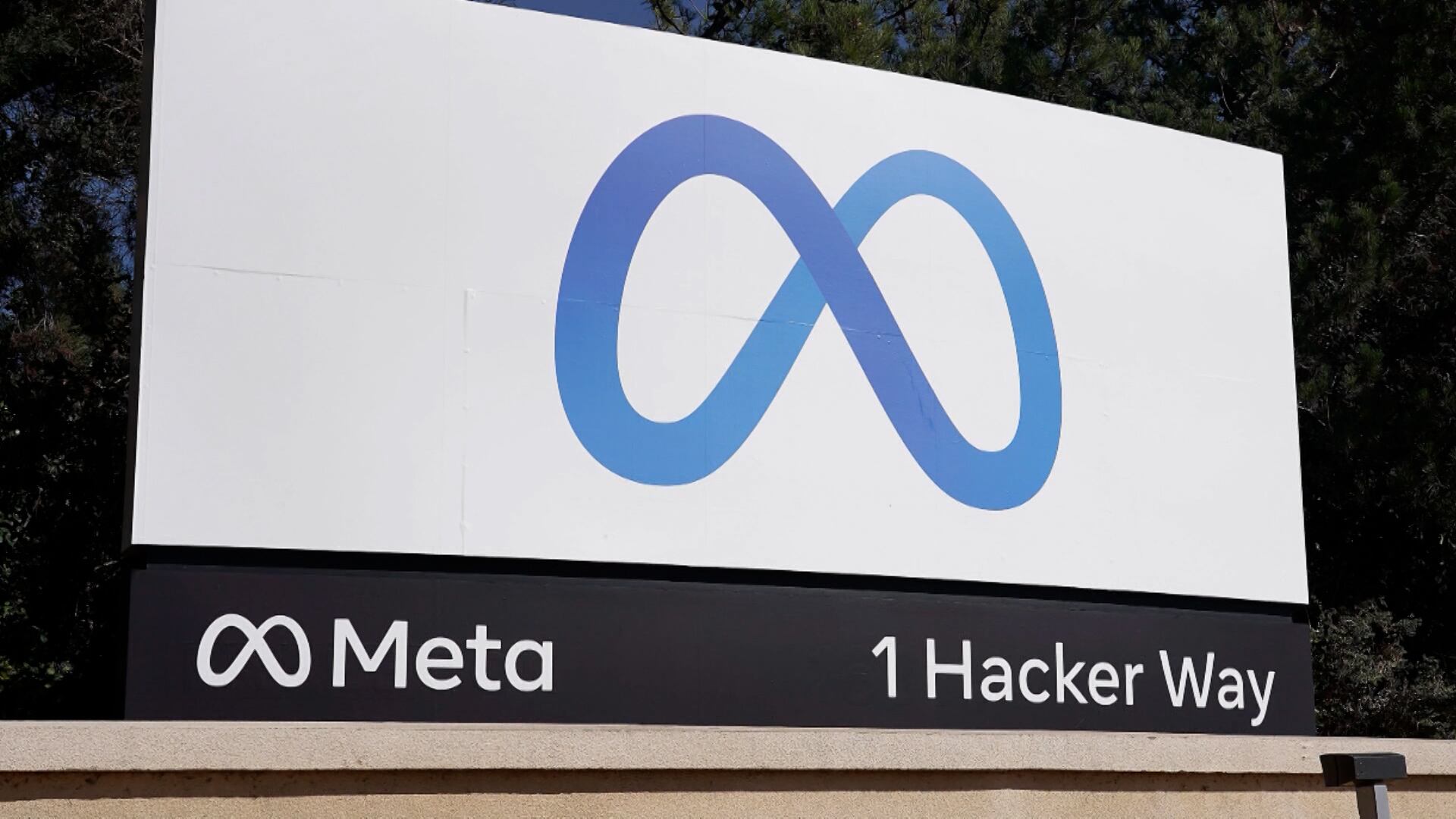
Facebook parent Meta’s miss on Q4 earnings raised alarm bells amongst investors. The tech giant lost users for the first time as it invests a lot into the metaverse, its virtual realm, in the hopes that consumers will move their social media consumption there. The stock dropped around 25 percent on the report, and CEO Mark Zuckerberg chalked it up to people flocking toward apps like TikTok, even as his own platform attempts to make a big pivot to the metaverse future. "It's gonna take a long time to develop and it's gonna take a long time to bring to fruition," Rebecca Walser, president of Walser Wealth Management told Cheddar. "In the meantime, the world is moving on. We have a very short attention span, especially on social media, and we want the short little videos. And Tiktok has just taken off."
Wall Street saw another volatile day after the Federal Reserve left rates unchanged for now, with plans to raise rates in March at its next meeting in order to ease inflation. Fed Chair Jerome Powell said the Fed has not made decisions on the size of rate increases, adding that the Fed is not trying to get inflation below two-percent. Ken Johnson, CFA and Investment Strategy Analyst explains why Powell thinks that high inflation is a significant threat to the labor market.
Ed Butowsky, managing partner at Chapwood Investments, joined Wake Up With Cheddar to break down the disappointing takeaways from Spotify's Q4 earnings report, which sent the stock plunging.
Anu Gaggar, global investment strategist for Commonwealth Financial Network, joined Cheddar News to discuss how global supply chains could be disrupted even further by an armed conflict in Ukraine.
Google parent company Alphabet saw yet another successful quarter reporting its final earnings report for 2021 on Tuesday. The tech giant beat Wall Street expectations across the board with much of that success owed to not only the growth of its cloud business, but also its multi-platform advertising. Joanna O'Connell, Principal Analyst at Forrester explains why advertising may be one of the keys to Alphabet’s future success.