Slack beat expectations in its second quarter earnings report, posting $145 million in sales after the bell on Wednesday. The company was expected to report $141.25 million in sales.
Slack’s stock, however, fell swiftly in after hours trading due to weaker-than-expected guidance for the third quarter. The earnings report was the company’s first release since going public in June under the ticker WORK on the New York Stock Exchange.
“We remain focused on expansion within existing customers and growing our large enterprise customer base,” Allen Shim, Slack’s chief financial officer, said in a statement. Shim added that the company’s revenue growth was 58 percent year-over-year increase.
The popular workplace messaging platform posted a net loss per share of $0.14, better than the expected loss of $0.18. Slack, however, said it expects a loss of $0.08 to $0.09 per share in the third quarter, slightly more than what analysts were expecting.
It also said revenue growth would slow from 58 percent to less than 48 percent, which seemed to worry investors after hours with shares falling more than 15 percent. Yet the drop comes after the stock gained more than an 8 percent during the trading day Wednesday.
Since its founding in 2014, Slack has grown to be used by over 600,000 organizations in 150 countries. The platform, which has free and paid subscription plans, is now used by an estimated 10 million people who send over 1 billion messages a week. Shim added that Slack also increased its paid customer base by 720 clients, which marked a 75 percent year-over-year jump.
Slack’s market debut earlier this summer followed several other major tech startups, such as Uber ($UBER) and Lyft ($LYFT), that went public this year.
Forgoing the traditional initial public offering process, Slack directly listed its shares on the market. The big difference between that and an IPO is that the company did not issue new shares, but instead, existing shareholders sold their stock to public investors. That means, unlike Uber and Lyft, Slack did not raise additional capital as part of the IPO.
The last major company to complete a direct listing was Spotify ($SPOT), which went public in April 2018.
“This is an entirely new category of software enabling a once-in-a-generation shift in the way people work together,” Stewart Butterfield, the company's CEO and co-founder, added in a statement. “We believe channel-based collaboration is so superior to email-based communication for work, that this shift is inevitable.”
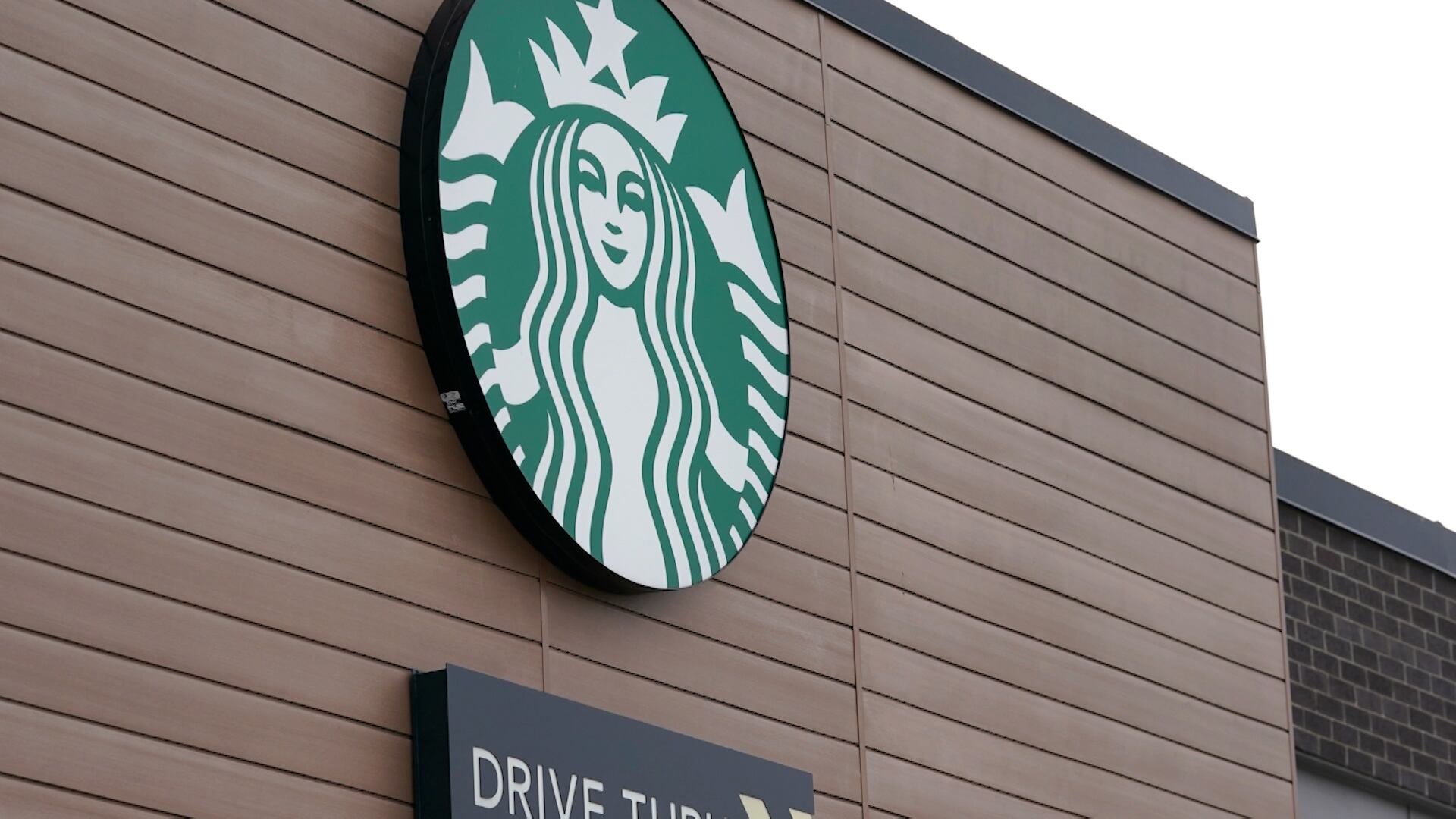
Following the historic vote that established the first unionized Starbucks cafe in the nation, two stores in Boston have filed to have union elections as well. Baristas Cassie Fleischer and Jaz Brisack of the Buffalo cafe joined Cheddar to discuss supporting the Boston unionizing efforts. The duo also recounted efforts they say Starbucks undertook to stop their own organizing, including claims they would lose all their current benefits, anti-union propaganda texts, and anti-union meetings. "Howard Schultz, the former CEO, even came in to make a speech about how wonderful the benefits were and how he felt like that was akin to sharing blankets during the Holocaust," said Brisack.
Stocks closed lower Tuesday as investors weighed higher than expected producer price index data, released one day before the Federal Reserve's two-day December meeting concludes. The Fed is expected to announce its decision about speeding up its asset tapering timeline, and a potential interest rate hike. Barry James, portfolio manager at James Investment Research, joins Cheddar News' Closing Bell to discuss investor skittishness, what the Fed might announce, and more.
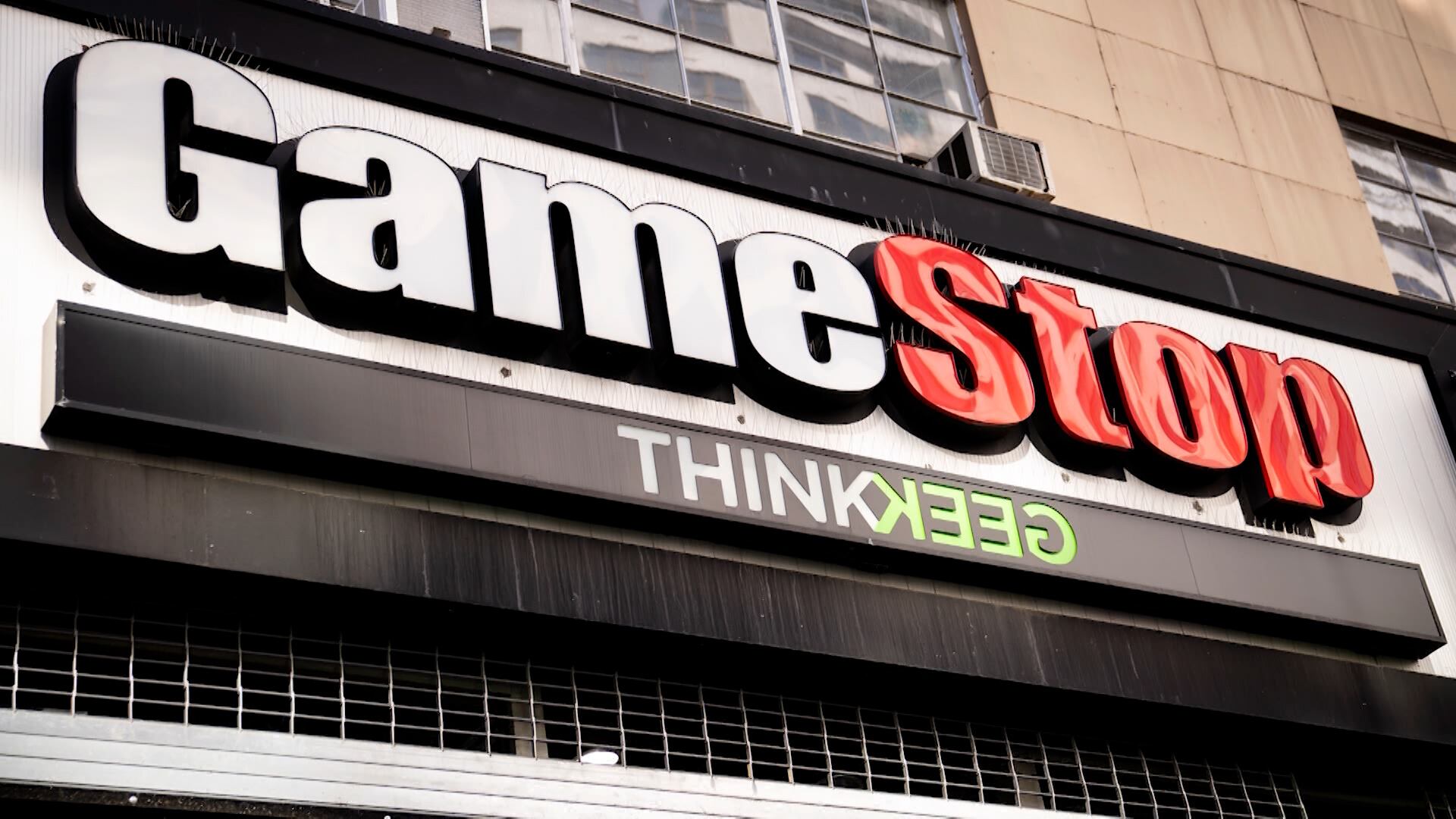
As 2021 is approaching its end, the meme stock mania that surrounded companies like Gamestop and AMC this year doesn't seem to be going anywhere. Stocks for both companies plunged to their lowest levels in months on Monday, but on Tuesday, traders seemed to come to the rescue, as the stocks for both companies saw rebounds. Great Hill Capital Chariman Thomas Hayes joins Cheddar News' Closing Bell to discuss.
Upward Farms is an indoor vertical farming company on a mission to heal our broken food system and reconnect consumers with organic locally-grown food. The Brooklyn-based company uses its controlled environment farms to grow organic leafy greens, which are sold at whole foods markets in New York City. Upward Farms co-founder and CEO Jason Green joined Cheddar Climate to discuss.
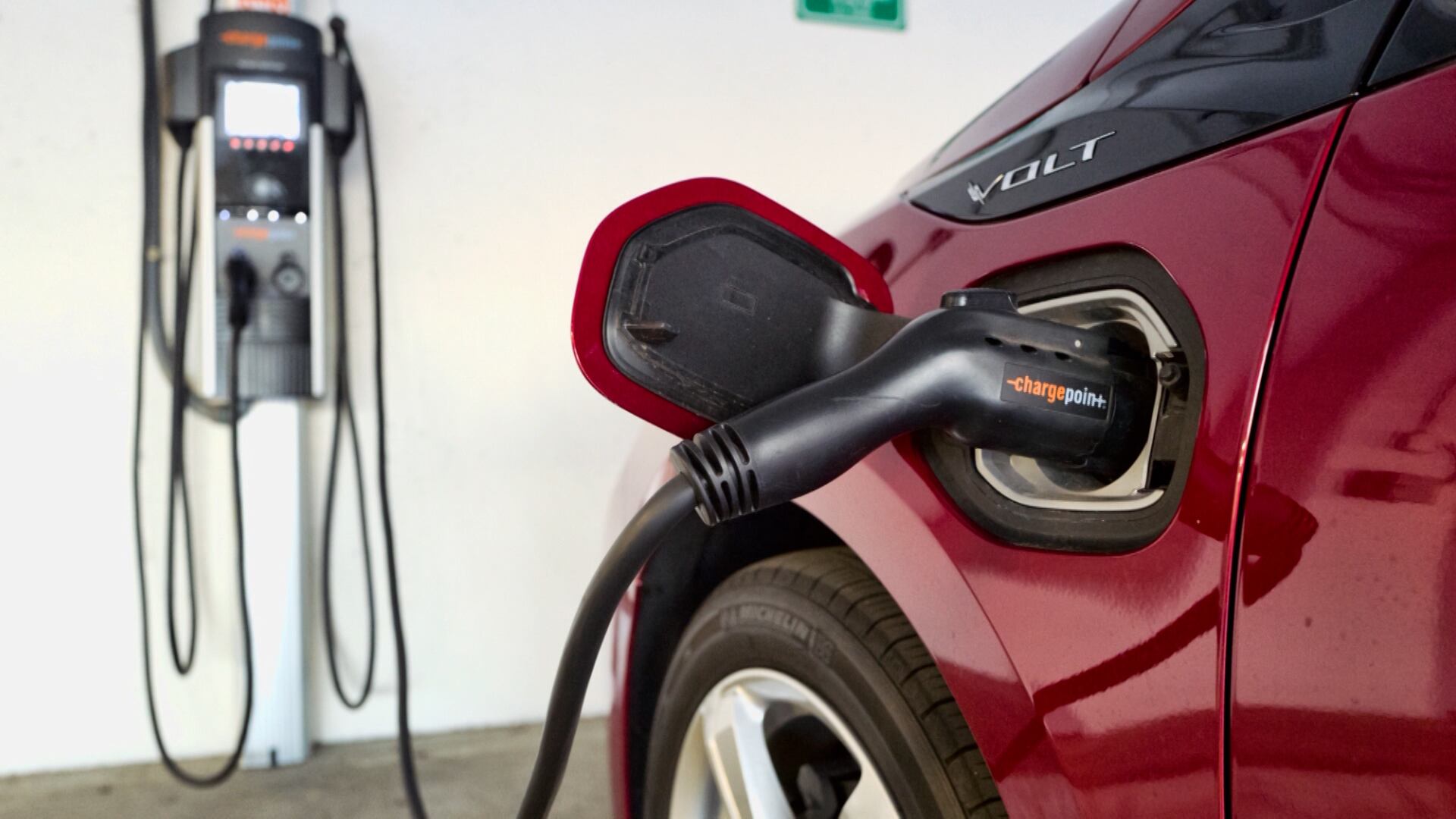
One of the biggest hurdles when it comes to widespread electric vehicle adoption is consumer hesitation about their ability to keep their EV charged if they take a longer trip outside of their locality. Now, electric companies nationwide are teaming up as part of a coalition to build out a network of EV charging stations spanning major U.S. travel corridors. Kellen Schefter, director of electric transportation at the Edison Electric Institute, joins Cheddar Climate to discuss the coalition's plans, how drivers can compare fueling up with gas to recharging an EV on a long trip, how the charging network will be funded, and more.
Cheddar is looking back at the 12 biggest buzzwords of the year leading up to Christmas. Today's word of the day is "Infrastructure." Definition: (noun) the basic physical and organizational systems that uphold the structure of the economy.