Slack beat expectations in its second quarter earnings report, posting $145 million in sales after the bell on Wednesday. The company was expected to report $141.25 million in sales.
Slack’s stock, however, fell swiftly in after hours trading due to weaker-than-expected guidance for the third quarter. The earnings report was the company’s first release since going public in June under the ticker WORK on the New York Stock Exchange.
“We remain focused on expansion within existing customers and growing our large enterprise customer base,” Allen Shim, Slack’s chief financial officer, said in a statement. Shim added that the company’s revenue growth was 58 percent year-over-year increase.
The popular workplace messaging platform posted a net loss per share of $0.14, better than the expected loss of $0.18. Slack, however, said it expects a loss of $0.08 to $0.09 per share in the third quarter, slightly more than what analysts were expecting.
It also said revenue growth would slow from 58 percent to less than 48 percent, which seemed to worry investors after hours with shares falling more than 15 percent. Yet the drop comes after the stock gained more than an 8 percent during the trading day Wednesday.
Since its founding in 2014, Slack has grown to be used by over 600,000 organizations in 150 countries. The platform, which has free and paid subscription plans, is now used by an estimated 10 million people who send over 1 billion messages a week. Shim added that Slack also increased its paid customer base by 720 clients, which marked a 75 percent year-over-year jump.
Slack’s market debut earlier this summer followed several other major tech startups, such as Uber ($UBER) and Lyft ($LYFT), that went public this year.
Forgoing the traditional initial public offering process, Slack directly listed its shares on the market. The big difference between that and an IPO is that the company did not issue new shares, but instead, existing shareholders sold their stock to public investors. That means, unlike Uber and Lyft, Slack did not raise additional capital as part of the IPO.
The last major company to complete a direct listing was Spotify ($SPOT), which went public in April 2018.
“This is an entirely new category of software enabling a once-in-a-generation shift in the way people work together,” Stewart Butterfield, the company's CEO and co-founder, added in a statement. “We believe channel-based collaboration is so superior to email-based communication for work, that this shift is inevitable.”
The media giant formerly known as ViacomCBS has officially rebranded itself as Paramount Global with a focus on its streaming service, Paramount Plus. Naveen Chopra, chief financial officer at Paramount, joined Cheddar to discuss the company’s name change and streaming wars. "There are components of content licensing that we continue to do, either historical arrangements or opportunities to license content that don't really impinge on what we're trying to do with our owned and operated services and that continues to be an important ingredient in our broader financial model," he said. "But our number one priority is putting our best assets on Paramount Plus." Chopra also discussed theatrical release windows before feature films hit its service and the platform's subscription goals.
The recent 7.5% year-over-year increase in consumer prices is the highest since 1982, and drew some strong reactions from investors, with speculations that the Federal Reserve will hike interest rates by 50 points instead of 25. But other analysts believe that the Fed will stick with its original plan of 25 points next month. Chris Vecchio, Senior Analyst, at DailyFX broke down how the Fed could potentially react to the historically high inflation data.
Ride share competitors Uber and Lyft both posted their fourth quarter earnings days apart from each other. Both companies have been trying to get back on their feet after taking some pandemic-related hits, but the Omicron variant had other ideas as the year came to a close, with each company taking a hit in ridership in December. Lance Ippolito, head trader at The Future of Wealth explains how Uber and Lyft measured up this earnings period and why Uber may still have an edge over the competition.
The Super Bowl might be over, but people are still buzzing about the players, commercials, halftime show, and more. Google tracks the top searches before and after the game every year, revealing the show-stopping moments of the biggest sporting event of the year. Sadie Thoma, Director of US Creative Partnerships at Google, joined Cheddar's Opening Bell to discuss the top trends this year.
Parallel Systems has been selected to receive $4.5 million from the Department of Energy for an advanced testing program of its autonomous, battery-electric rail vehicles. The startup, which has raised more than $53 million to date, was founded by former SpaceX engineers to reimagine the rail system by creating a more efficient, decarbonized freight network. Matt Soule, Co-founder & CEO of Parallel Systems, joined Cheddar's Opening Bell to discuss what the company hopes to achieve.
Disney reported earnings beat on both top and bottom lines. Earnings per share came in at $1.06 versus Refinitiv estimates of 63 cents. Revenue also exceeded expectations at $21.82 billion dollars versus $20.91 billion expected. Meanwhile, Disney+ added 11.8 million new subscribers this quarter to reach nearly 130 million total. Tuna Amobi, media and entertainment expert at CFRA research, joined Cheddar to gives his take on Disney's earnings blowout.
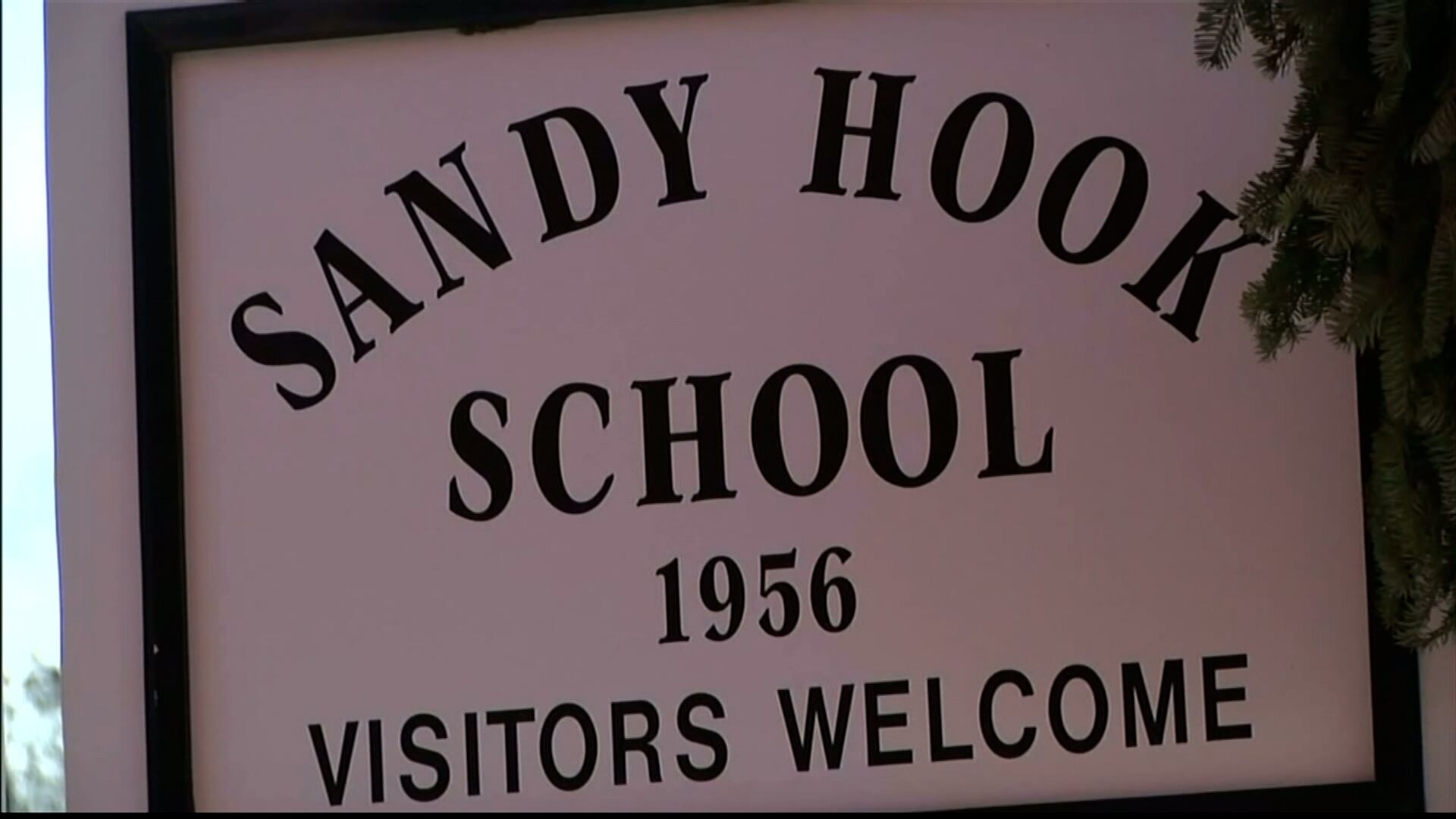
Almost a decade after facing a parent's worst nightmare, the families of the young students killed in the Sandy Hook School shooting reached a settlement with gun manufacturer Remington, makers of the Bushmaster AR-15 used in the crime. David Pucino, deputy chief counsel, Giffords Law Center to Prevent Gun Violence joined Cheddar News to discuss the families' case and how its strategy brought about the legal settlement. "They built a really great case showing the way that Bushmaster developed its advertising to drive sales using those toxic messages.