Slack beat expectations in its second quarter earnings report, posting $145 million in sales after the bell on Wednesday. The company was expected to report $141.25 million in sales.
Slack’s stock, however, fell swiftly in after hours trading due to weaker-than-expected guidance for the third quarter. The earnings report was the company’s first release since going public in June under the ticker WORK on the New York Stock Exchange.
“We remain focused on expansion within existing customers and growing our large enterprise customer base,” Allen Shim, Slack’s chief financial officer, said in a statement. Shim added that the company’s revenue growth was 58 percent year-over-year increase.
The popular workplace messaging platform posted a net loss per share of $0.14, better than the expected loss of $0.18. Slack, however, said it expects a loss of $0.08 to $0.09 per share in the third quarter, slightly more than what analysts were expecting.
It also said revenue growth would slow from 58 percent to less than 48 percent, which seemed to worry investors after hours with shares falling more than 15 percent. Yet the drop comes after the stock gained more than an 8 percent during the trading day Wednesday.
Since its founding in 2014, Slack has grown to be used by over 600,000 organizations in 150 countries. The platform, which has free and paid subscription plans, is now used by an estimated 10 million people who send over 1 billion messages a week. Shim added that Slack also increased its paid customer base by 720 clients, which marked a 75 percent year-over-year jump.
Slack’s market debut earlier this summer followed several other major tech startups, such as Uber ($UBER) and Lyft ($LYFT), that went public this year.
Forgoing the traditional initial public offering process, Slack directly listed its shares on the market. The big difference between that and an IPO is that the company did not issue new shares, but instead, existing shareholders sold their stock to public investors. That means, unlike Uber and Lyft, Slack did not raise additional capital as part of the IPO.
The last major company to complete a direct listing was Spotify ($SPOT), which went public in April 2018.
“This is an entirely new category of software enabling a once-in-a-generation shift in the way people work together,” Stewart Butterfield, the company's CEO and co-founder, added in a statement. “We believe channel-based collaboration is so superior to email-based communication for work, that this shift is inevitable.”
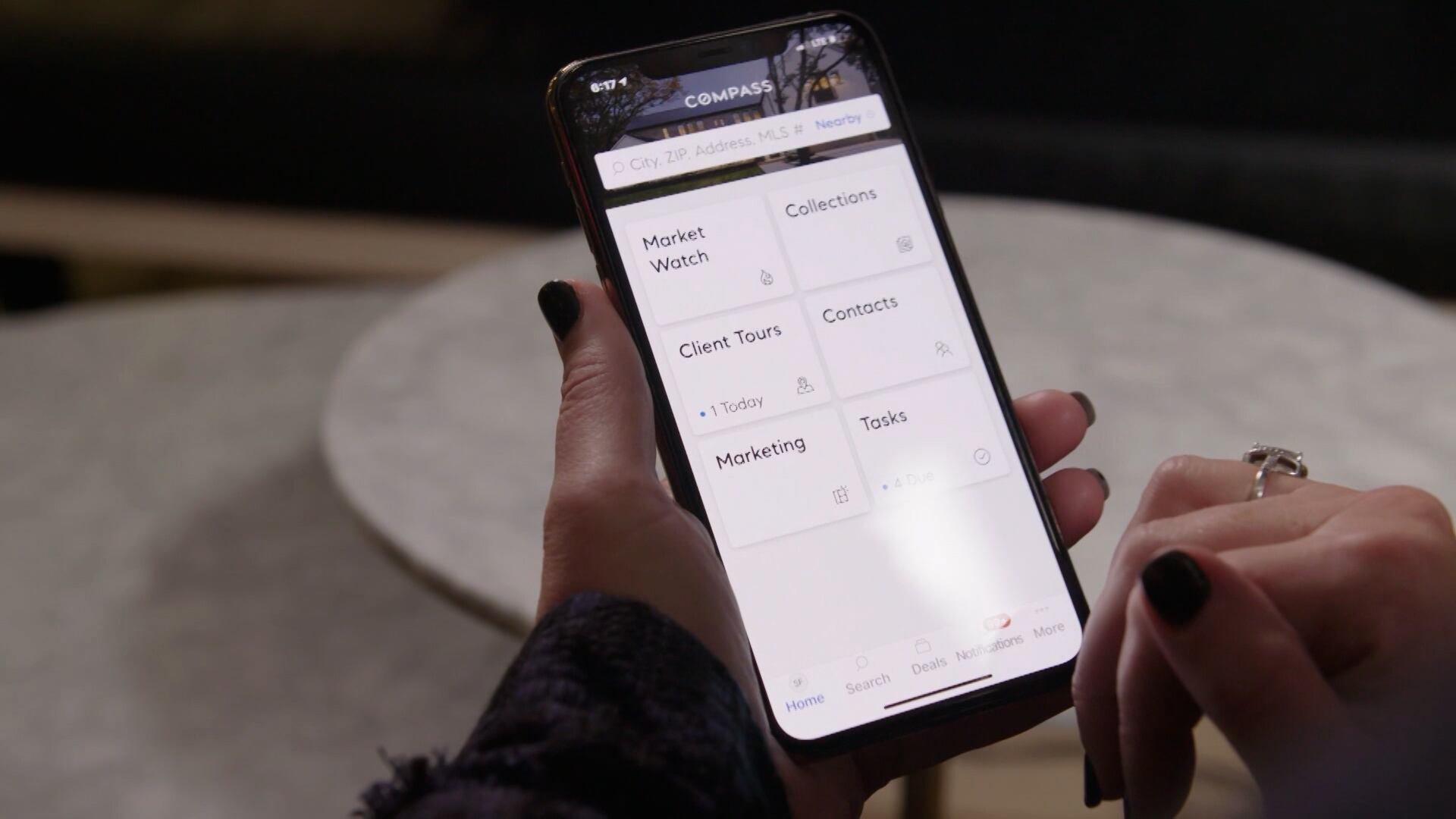
Compass Inc. reported its Q4 earnings on Wednesday, noting a 31 percent surge in quarterly revenue year over year. The real estate brokerage platform allows agents to promote and market their properties online and saw a 90 percent agent retention rate as well. Compass CEO Robert Reffkin joined Cheddar News to discuss the company's earnings, what ongoing inflation means for the housing market and how they help agents directly. "Let me start by saying my mom is actually a real estate agent, has been the majority of my life. She's a real estate agent today at Compass, and so I built Compass with her in mind," Reffkin said. The goal for an agent is to grow their business and have a better quality of life, more income to support their family, more time to be with their family, and it's not just software. It's a platform of software and services."
While many are excited to watch the final two NFL teams square-off and see which one ultimately takes home the trophy, some, on the other hand, are there for another mian attraction -- the commercials. Companies during this year's game are looking towards the future From electric vehicles, to robots, and crypto-currency, several first-time advertisers are expected to join long-time advertisers like Pepsi, Budweiser and Doritos during the NFL's biggest game. Tom Morton, Global Chief Strategy Officer at R/GA, joined Cheddar News' Big Game Special to discuss.
Americans are expected to spend nearly $24 billion in 2022 for Valentine's Day, and many of those gifts will be in the form of chocolate. John Galloway, interim president of the Americas and CMO of Godiva, joined Cheddar's Opening Bell to discuss what chocolate trends the brand is seeing this year, plus the impact of inflation and supply chain issues on the industry.
Darren Schuringa, Founder & CEO, of ASYMmetric ETFs, talks about the strength of the U.S. consumer and discusses how tension between Russia and Ukraine is impacting the energy market.
Robert Conzo, CEO of The Wealth Alliance, breaks down the major headwinds impacting markets and highlights areas within technology showing potential growth.
Nissan is revving up its commitment to electric vehicles. the Japanese automaker announcing plans to invest $500 million to transform its assembly plant in Mississippi to build two all-new EV models starting in 2025. It's all part of Nissan's goal to have 23 electrified models for the Nissan and Infiniti brands globally by 2030. Ashwani Gupta, Nissan's COO, joined Cheddar's Opening Bell to discuss this announcement and the company's EV goals moving forward.
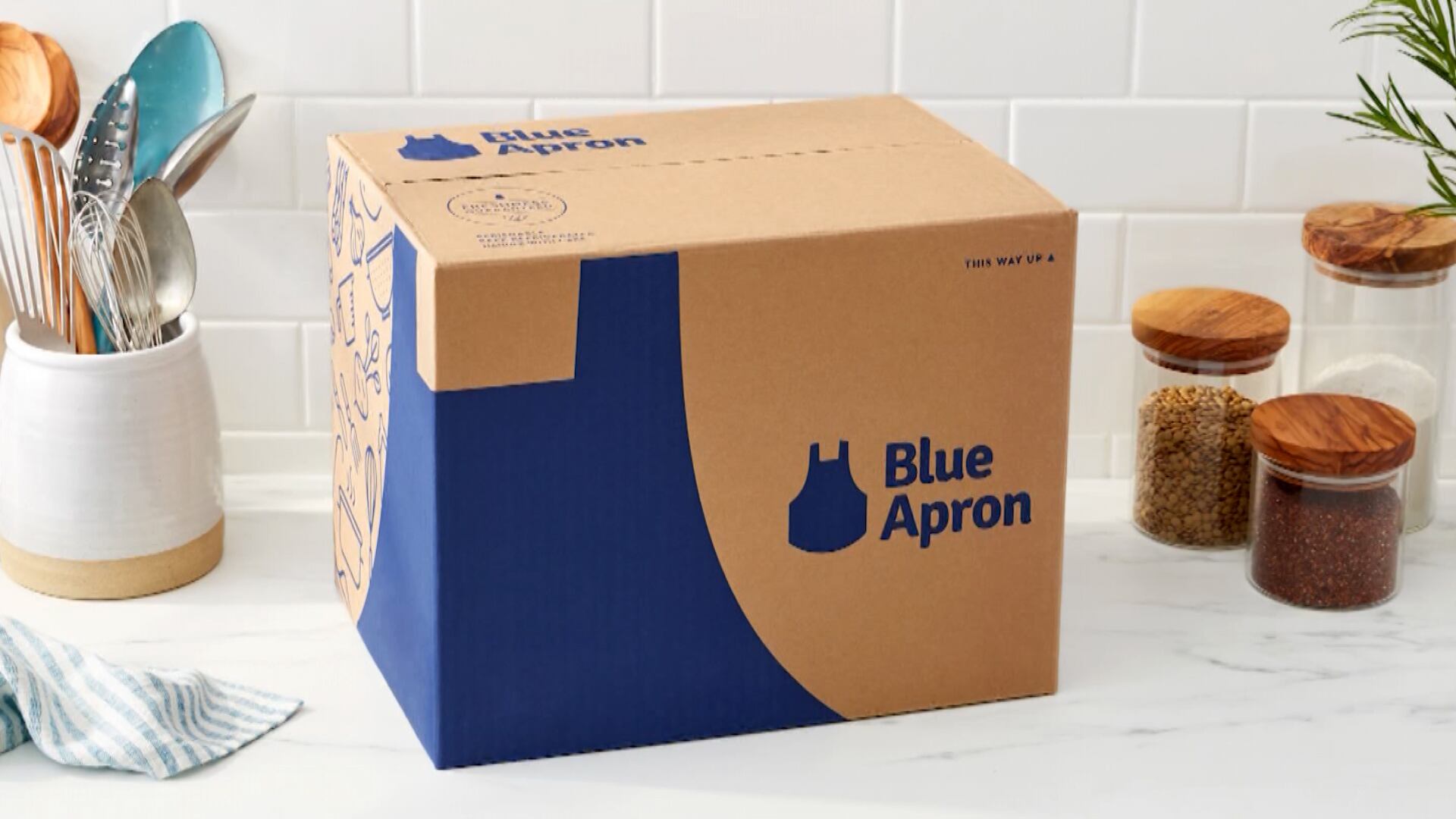
Blue Apron CEO Linda Findley joined Cheddar News to talk about the meal kit company’s Wellness 360 holistic wellness campaign and previewing Q4 and end of year results to be released next week. "Really the concept here is about holistic wellness and health," Findley said. "So thinking through not just what you're eating, but also mental health and financial health. And so we try to bring lots of tools to people so that they can think about ways to manage that balance."
Cepton made its debut on the Nasdaq under the ticker symbol ‘CPTN’ on Thursday. Jun Pei, the co-founder and CEO, joined Cheddar News to discuss going public and its lidar-based solutions for improving safety in autonomous features in cars. "It's really just a huge benefit in addition to radar and camera, and becomes an entire sensor suite that will bring cars to a higher level, both for safety and autonomy."