U.S. airlines are seeking as much as $50 billion in federal support as travel restrictions aimed at containing the spread of coronavirus have pushed the industry’s biggest players to the brink of bankruptcy.
The airlines are seeking a combination of grants, government-backed loans and tax relief, the industry’s main trade group, Airlines 4 America, has said.
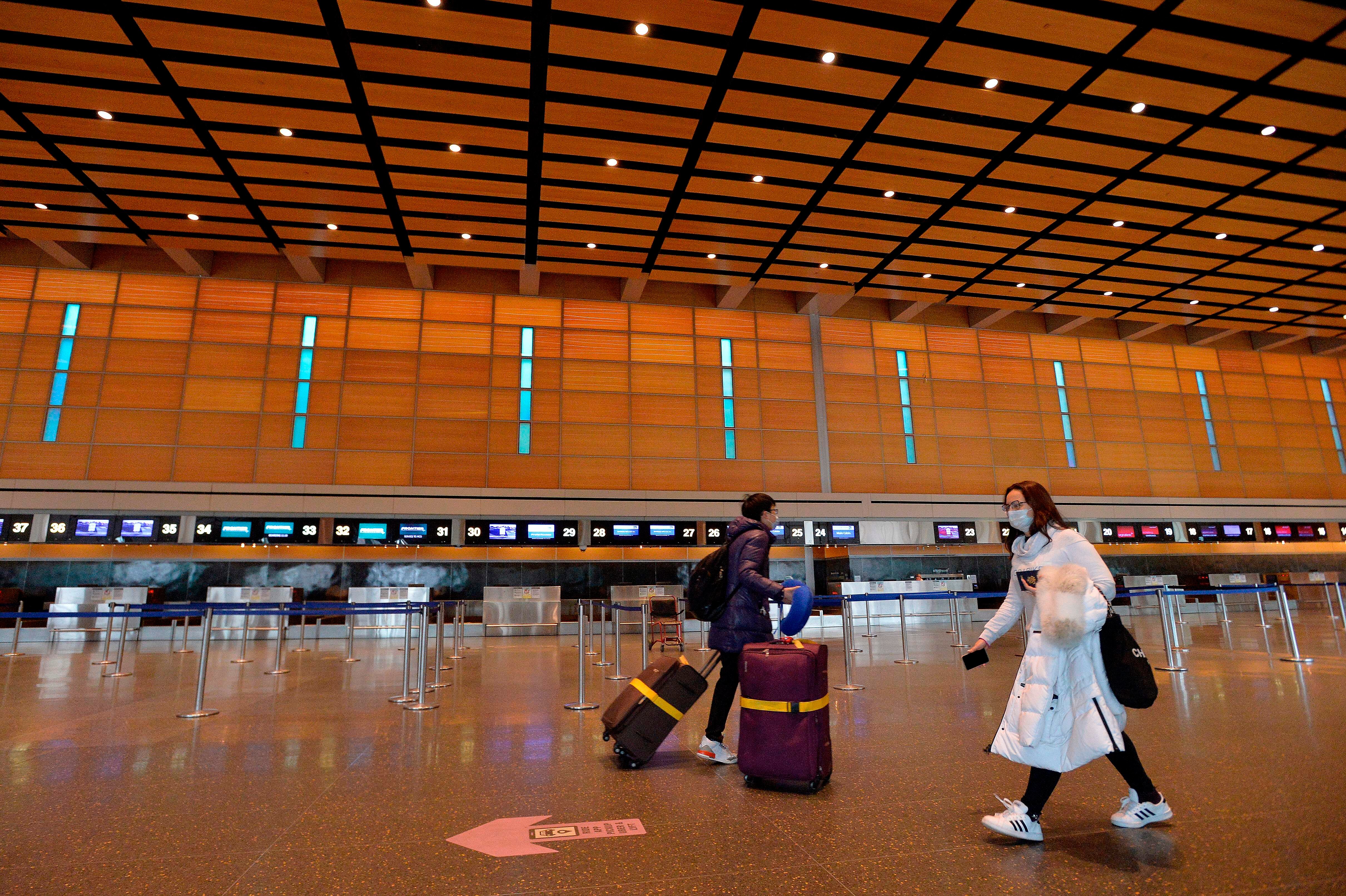
The impact of the travel restrictions has been swift and dramatic: Among the country’s Big Three airlines, American Airlines has slashed its international flights by 75 percent, United Airlines plans to cut half its domestic and international flights through the next two months, and Delta Airlines has said that bookings have plummeted by roughly a third.
Meanwhile JetBlue, Southwest and Alaska have reduced their schedules, and some ultra-low-cost providers like Frontier and Spirit have taken dramatic steps to prop-up ridership, with Frontier on Monday announcing free flights for students with .edu email addresses.
“This is a today problem, not a tomorrow problem. It requires urgent action,” A4A president and CEO Nicholas Calio said in a statement.
The Wall Street Journal was the first to put a number on the bailout request.
The trade group’s statement sought to underscore the urgency, describing a “dramatic decline in demand” that is “getting worse by the day,” “historic capacity cuts” and a “staggering” economic impact on U.S. airlines.
United Airlines’ market value has plunged by 60 percent since the start of the year. American Airlines’ stock price has fallen by more than 50 percent, and Delta Airlines’ by close to 40 percent.
“U.S. carriers are in need of immediate assistance as the current economic environment is simply not sustainable. This is compounded by the fact that the crisis does not appear to have an end in sight,” the trade group said.
Landing founder and CEO Bill Smith shares how the company’s new Nomad pass and partnership with Frontier Airlines allows subscribers unlimited airfare and accommodations.
The pandemic yielded government financial support and (eventually) a surprisingly strong job market — but racial wealth disparities grew. Why is it so difficult to close the wealth gap?
Plenty of retailers and suppliers are reducing the variety of their offerings to focus instead on what they think will sell best. Many businesses have decided less is better, justifying their limited selection by asserting shoppers don’t want so much choice.
Joe Pompliano, author of the Huddle Up newsletter, breaks down the biggest moments from Super Bowl LVIII, from potentially record-breaking viewership to Taylor Swift’s highly anticipated appearance.
David Wright, President and owner of Wright Financial Group, shares his thoughts on why the Federal Reserve seems hesitant to cut rates, and why regional bank stocks could help move the needle.
Disney and Fortnite-maker Epic Games will collab on making new video games with Disney characters. Hopefully it will be more than Mickey Mouse hitting the Griddy.
Hershey is cautioning on its 2024 profit growth as the company contends with rising cocoa costs, leading to increased prices for chocolate. The company anticipates its full-year earnings per share being relatively flat, partly due to higher cocoa and sugar costs.
Prince Harry has reached an out-of-court settlement with a tabloid newspaper publisher that invaded his privacy with phone hacking and other illegal snooping. Attorney David Sherborne said that Mirror Group Newspapers had agreed to pay Harry’ “substantial” costs and damages.