Shutterstock Developed an Algorithm Google Can't Break
After working on a project with Google, Shutterstock knew that the tech giant would release an algorithm that could wipe the company’s watermark from its stock images, a move that would have opened the door for the general public to do the same and claim copyrighted pictures as their own.
So what do you do when Google can crack your formula for success? You create a stronger one, Shutterstock CEO, Jon Oringer, told Cheddar.
“We made sure that before that paper came out we got ahead of it,” Oringer said. “We developed an even stronger watermark,” adding that this challenge pushed Shutterstock to step up its security game.
But Shutterstock is no stranger to leveling up its business strategies. The company, with a $1.29 billion market cap, recently acquired Canada-based Flashstock Technology for $50 million.
“We are always reinventing ourselves,” Oringer said in the recent interview, saying Shutterstock now has two offices in Canada after its acquisitions.
The executive stated that investing in Flashstock or Shutterstock Custom, as the new division is called, is “super important” for the future of the company, explaining that this investment was an effort to offer clients the ability to access on-brand custom shots.
“Brands have always come to us and said, ‘We like that image, but how do we get our brand in that image,’” he said.
As for creating a brighter future for a company, Oringer shared his top advice for fellow entrepreneurs: be able to play every role before you hand it over to someone else.
“If you start with that culture, if you start with that mindset, that really makes it so that you can scale well into the future,” he told Cheddar.
As commercial options tighten, more travelers are turning to private aviation. Wheels Up CEO George Mattson breaks down capacity and demand challenges.
Layoffs, hiring slowdowns, and shifting skill demands dominate this year’s job talk. LinkedIn’s Kory Kantenga explains what workers should watch for next.
Retailers face tariffs and cost challenges this holiday season. Wells Fargo's Lauren Murphy shares insights on pricing, promotions, and shopping trends.
Dateability, founded by sisters Jacqueline and Alexa Child, is the only dating app for disabled and chronically ill communities, fostering love without limits.
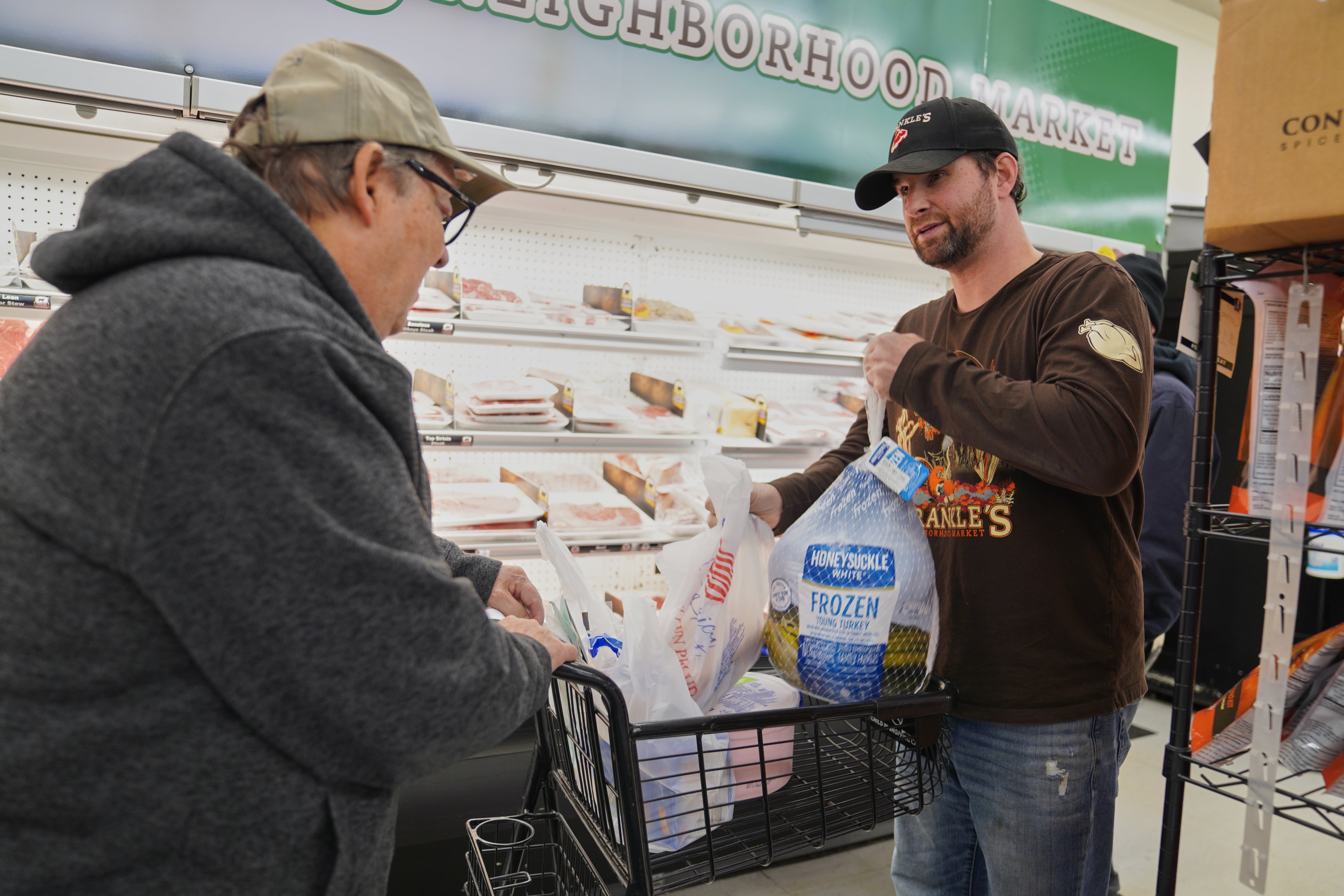
Some small grocery stores and neighborhood convenience stores are eager for the U.S. government shutdown to end and for their customers to start receiving federal food aid again. Late last month, the Trump administration froze funding for the SNAP benefits that about 42 million Americans use to buy groceries. The U.S. Department of Agriculture says about 74% of the assistance was spent last year at superstores like Walmart and supermarkets like Kroger. Around 14% went to smaller stores that are more accessible to SNAP beneficiaries. A former director of the United Nations World Food Program says SNAP is not only a social safety net for families but a local economic engine that supports neighborhood businesses.
Andy Baehr, Head of Product at CoinDesk Indices, breaks down crypto’s Black Friday crash, Bitcoin dipping under $100K, and what’s driving the market rout.