Should Publishers Worry About Facebook's New News Feed?
Facebook’s Lindsey Shepard stands by the company’s latest news feed update, despite reports that users are sharing less about themselves on the platform.
“We actually send out thousands of surveys, really every single week, to hear from our community about things that are working for them, things that they love, and also things that honestly, we can be doing better,” the company’s Director of Product Marketing for News Feed, told Cheddar.
“What we’ve heard from people is that when they’re interacting with friends and family, when they’re having those thoughtful discussions and conversations, that feels like time well spent,” Shepard said.
The changes announced last week de-prioritize posts from publishers and brands in an effort to increase user engagement. While Facebook argues only pages with low engagement will be impacted, some outlets fear alienation, with the company even admitting users will spend less time on the platform.
The move may seem ironic given Facebook's recent push to get publishers to invest more heavily on content. But Shepherd isn't worried.
“What’s good for people, and what makes people really enjoy their Facebook experience, is really good for anyone that’s leveraging Facebook for their business."
For full interview [click here](https://cheddar.com/videos/facebooks-lindsey-shepard-talks-the-news-feed-reboot).
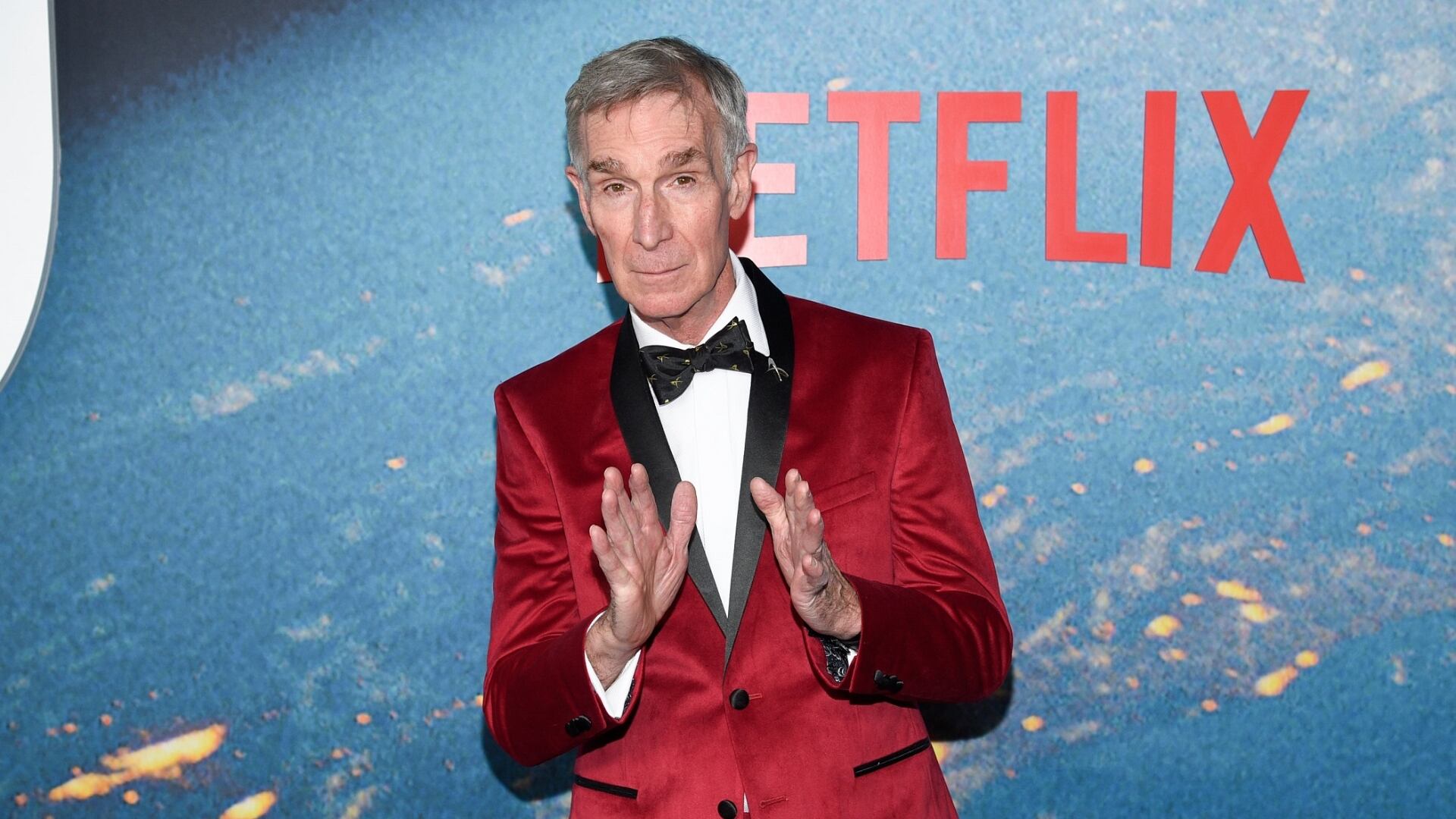
Bill Nye the Science Guy is back but on an even smaller screen. America’s favorite science teacher has racked up more than eight million followers on TikTok, and he joined Cheddar News to talk about his success on the platform, having fun but also being serious about scientific topics like tackling climate change, and his newest hosting project "The End is Nye," a streaming show on Peacock that examines disasters — both natural and manmade. "There are six episodes. We have big disasters. Things go terribly wrong, and then we show you how things could have gone right," he explained.
You probably have your summer music playlist ready to to go, but you're probably not aware how an in-store shopping soundtrack may impact your experience. Spotify Advertising took a look at how audio affects small business shopping. Rochelle Sanchirico, Global Director of Scaled Business and Marketing at Spotify Advertising, joins Cheddar News to discuss.
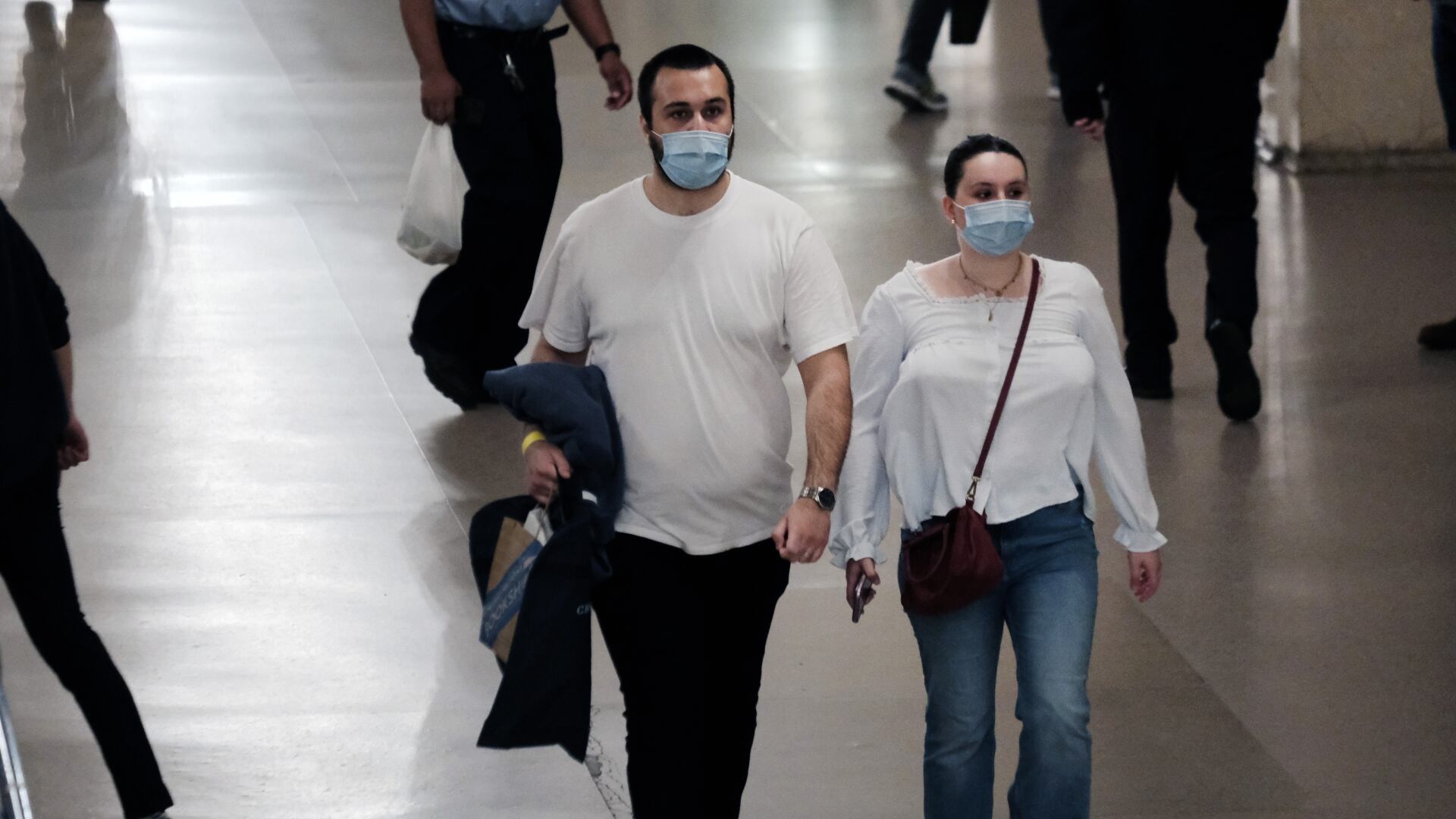
Summer travel season is just around the corner, as the U.S. is entering a fifth COVID-19 wave. Cheddar News speaks with Dr. Jen Caudle, Family Physician and Associate Professor at Rowan University on how to evaluate your vacation plans.
Catching you up on what you need to know on Wednesday, June 1, 2022, House lawmakers hold an emergency hearing on gun control measures in the wake of the Uvalde shooting, the Supreme Court temporarily blocks Texas' law stopping social media moderation, and the James Webb Space Telescope gets a new mission.
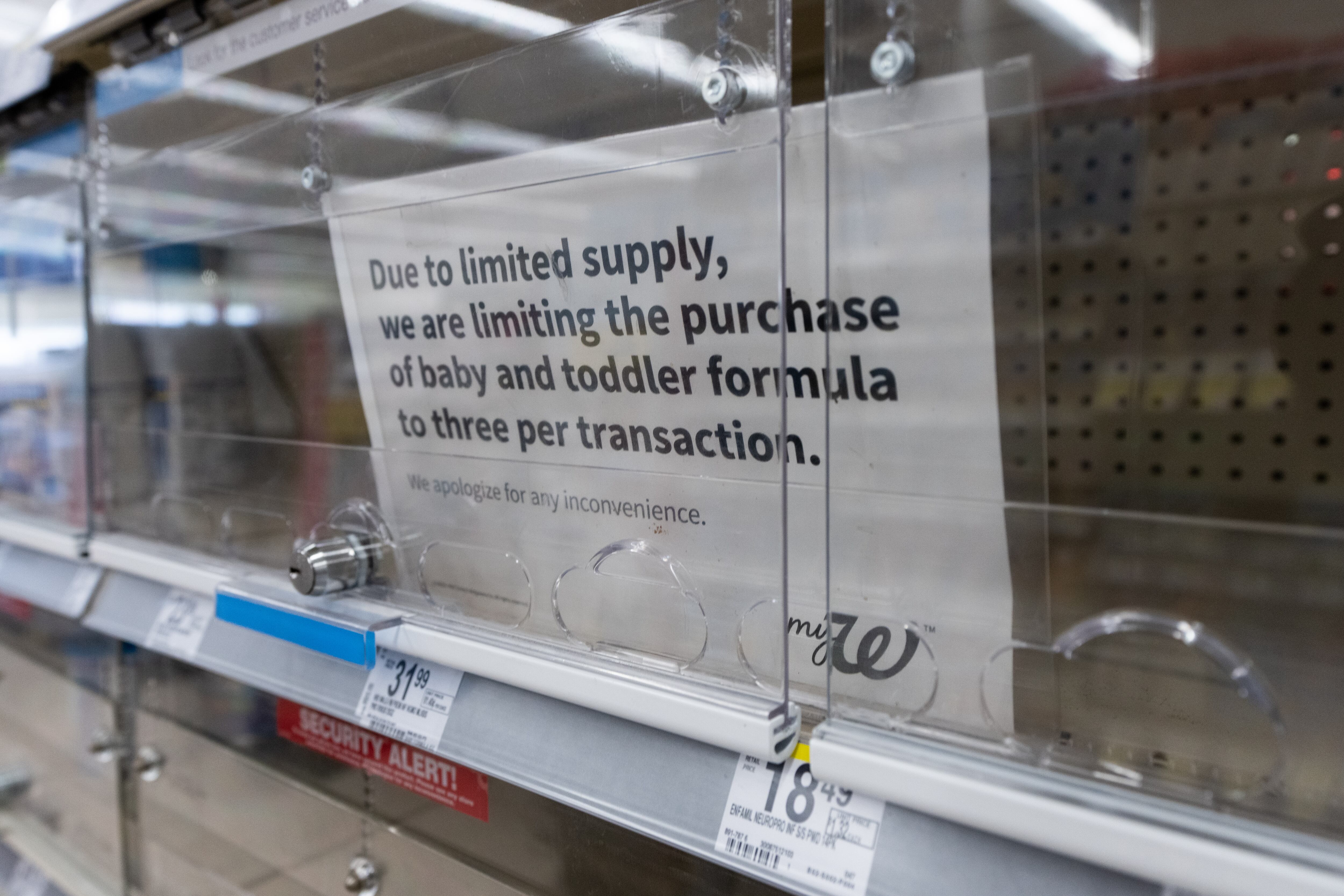
With the baby formula in the United States surging to an out-of-stock rate of 70 percent, the FDA has given Abbott permission to reopen its Michigan plant amid the crisis and authorized foreign imports. Professor Peter Pitts, a former FDA associate commissioner and current president of the Center for Medicine in the Public Interest, joined Cheddar News to discuss the ongoing shortage and its wide impact. “As difficult as things is in urban areas, they’re even worse in small communities and tribal areas where parents can't just go to the next store on the corner," he said. Pitts also noted that the Abbott factory was a "disaster" prior to its shutdown and that it would have been "regulatory malpractice" to have left it open.
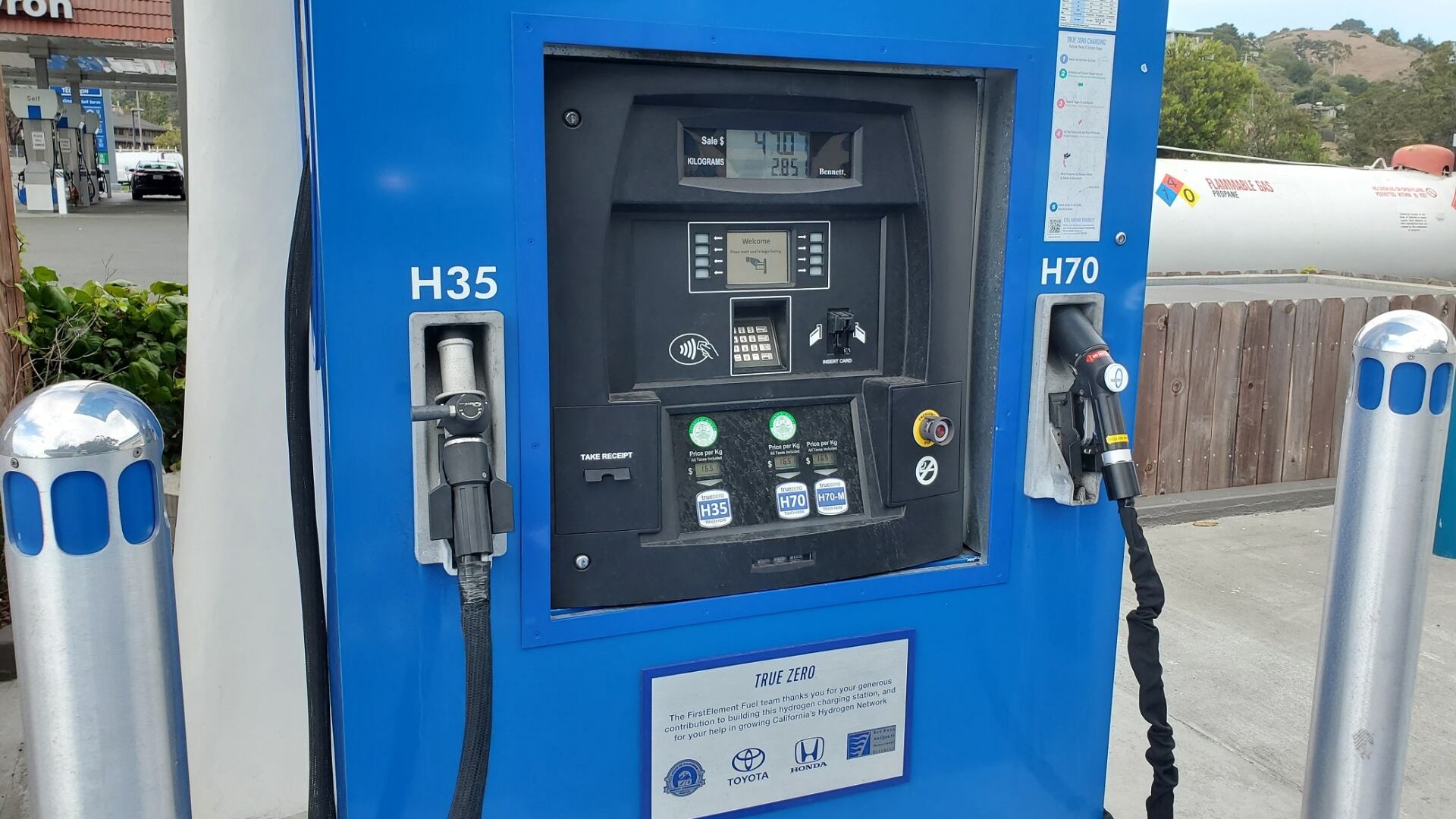
Scientists are hoping that the simplest element in the universe — hydrogen — can be the solution to slowing down climate change. However, it does not come without cost. The process of making hydrogen could potentially add more CO2.