An entire population of adults has not been accounted for when it comes to administering COVID-19 vaccinations. Pregnant women, who are at higher risk of severe illness if they contract the virus, were excluded from vaccine clinical trials, and now there is debate and concern about whether or not they are safe for expecting mothers.
March of Dimes CEO Stacey Stewart said the exclusion of pregnant women in vaccine testing is an outdated process and a roadblock for the advancement of science.
"It's 2021, we need to take a more modern approach to how we advance science, especially as it relates to pregnant women [and] to newborn babies," Stewart told Cheddar. "At the March of Dimes, we've been a long advocate for newborn screening for all the things that would help us to make sure that moms and babies are protected,"
While the CDC and the World Health Organization both agree that patients should consult with a doctor to make the best decision for themselves and their baby, the impact of the vaccines, particularly the Moderna and Pfizer/BioNTech mRNA vaccines that do not use the live version of the virus, on pregnancies is unknown. So far, both companies are monitoring women who became pregnant after getting vaccinated.
According to Stewart, the fact that the Moderna and Pfizer's vaccines do not "influence or alter the DNA" signals that they would be a safe option for pregnant women to consider.
"What we are saying at the March of Dimes is consult your health care practitioner," she said. "But by all means, know that as a pregnant woman you are at potentially higher risk of severe illness if you contract COVID-19, so we would certainly recommend that women give serious thought to receiving the vaccine when they're able to."
Last week, NIAID Director Dr. Anthony Fauci said of the more than 10,000 pregnant women that have been vaccinated, no major incidents have been reported, which Stewart said is a good indicator of safety.
"If a woman is at high risk, is an essential worker, is at high risk of being in contact with someone that has COVID-19, is at high risk herself of severe illness because of comorbidities, please consider the vaccine because it could save your life. It could save the life of your baby as well," she noted.
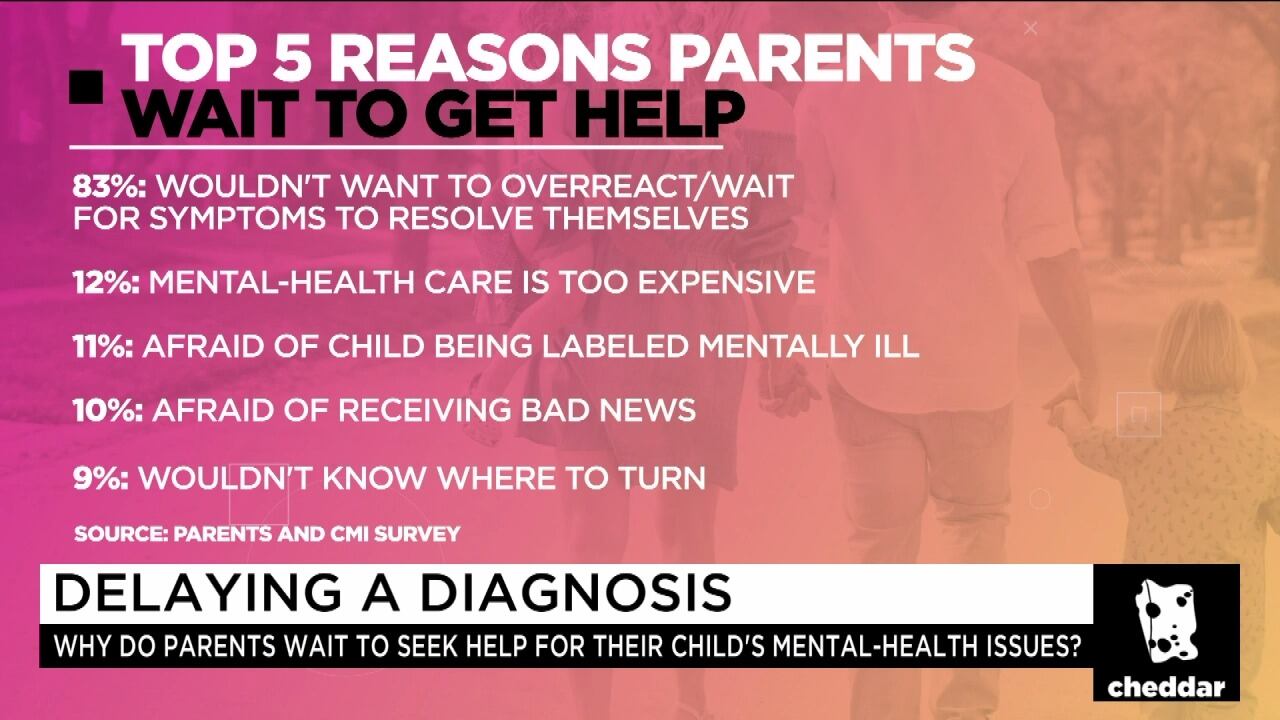
A recent survey by Parents Magazine found that 62 percent of participants waited more than five weeks to get their children help with mental health issues. A majority of those said they were trying not to overreact to their child's behavior, explains Liz Vaccariello, Editor-in-Chief of Parents Magazine.
Netflix stock is surging after the company reported first-quarter earnings, disclosing that the company added 7.4 million subscribers in the first three months of this year. Netflix now has 125 million subscribers globally. This year, Netflix plans to spend $8 billion on developing original content.
Goldman Sachs reported earnings on Tuesday, soaring past Wall Street estimates. The firm said its quarterly revenue hit $10 billion, an increase of 27%. Goldman's successful first quarter is due in large part to the recent surge in trading and market volatility.
Plus, we talk artificial intelligence with Sam Mantle, managing director of digital enterprise at Luxoft. The company recently announced a partnership with Softbank Robotics America to improve technology in "Pepper" the robot. Mantle digs into how Pepper can be used across industries from travel, to retail, to hospitality, noting that developers are just starting to learn how expansive and beneficial artificial intelligence can be.
The fallout from Facebook's latest data scandal continues to intensify. The Weinstein Co. officially files for bankruptcy protection after many attempts to sell the company failed. Josh Sternberg, tech editor for AdWeek, joins us to discusses how Uber moves forward after one of its driverless cars killed a pedestrian in Tempe, Arizona. And Bri Bauer from Dairy Queen brings ice cream cones to the trading floor to celebrate the company's National Cone Day. On the first day of spring, Dairy Queen gives customers free vanilla ice cream cones.
One of Nike's top executives is stepping down over misconduct allegations. Airbnb is making it easier for people with disabilities to find rentals on its platform. We dive into the Theranos fraud scandal with the Wall Street Journal reporter who initially reported that something was off with the start-up blood testing company. And Tim Stenovec chats with Neil Patrick Harris about season two of his Netflix show "A Series of Unfortunate Events."
For now, the disgraced founder and CEO of Theranos says she plans to stay on in that role at the company. But a criminal investigation is still ongoing, and indictments could follow, says John Carreyrou, the investigative reporter at The Wall Street Journal who saw through the hype early.
A lot of the media hyped up the technology of Theranos. But when they asked probing questions, they were given "convoluted or confusing" statements.
In celebration of "Pi Day", Curiosity.com editor and podcast host Ashley Hamer looked at the history of the geometric ratio. She told Cheddar that back in 1897, one amateur mathematician almost convinced the Indiana state legislature to pass a law saying 𝜋 is actually equal to 3.2!
"Weed the People" seeks to raise awareness of the impact cannabis has on cancer patients and to depict how the chemicals in the plant can be life-saving.
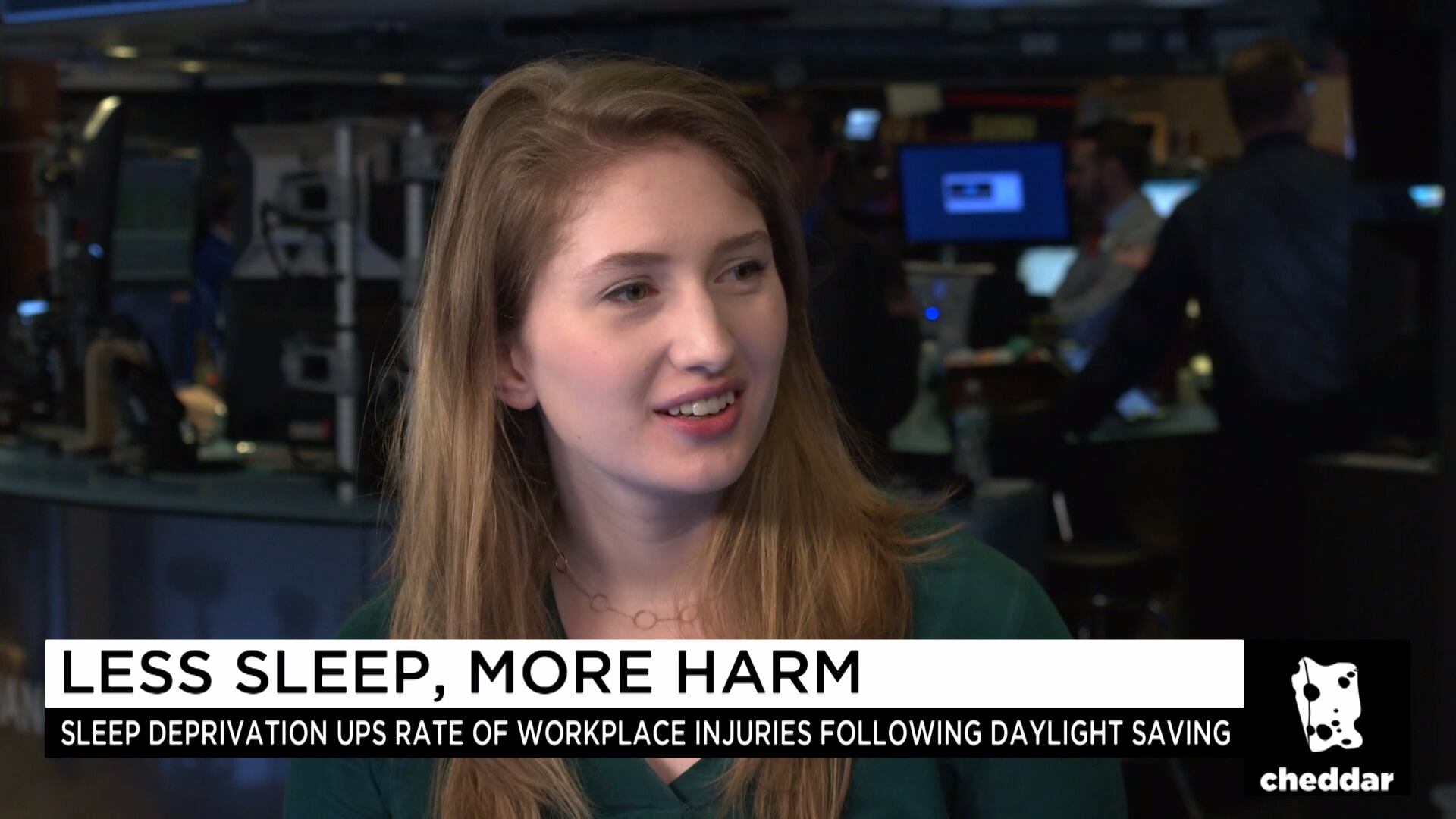
Sara Chodosh, assistant editor at Popular Science, discusses how Daylight Saving Time affects your health. We talk about the rise in fatal car accidents due to sleep deprivation, as well as the negative effects to your health like an increased rate of heart attacks.
Sangita Patel, CEO at LeVar Burton Kids, says that as an Indian child she didn't see herself represented on TV, and she wants to change that for the upcoming generation.