Should Networks Broadcast President Trump's Address to the Nation?
*By Conor White*
After a period of serious flip-flopping, major U.S. television networks have agreed to broadcast President Trump's Tuesday night Oval Office address on immigration to the nation, but according to Christine Emba of the Washington Post, the decision may not be sensical ー largely because it marks a significant departure.
"During President Barack Obama's tenure, the networks did not show his own immigration speech, saying that it was widely politicized," she told Cheddar Tuesday.
President Obama wanted to explain a series of executive actions on immigration in 2014, but networks refused, calling the subject "overtly political."
According to Emba, Trump's immigration speech will be no exception.
"We already know this speech is going to be heavily politicized, as is everything that President Donald Trump does ー and full of misinformation, as again, most of his speeches are," Emba added.
But networks have not historically maintained a consistent policy on immigration addresses; they aired President George Bush's speech on the issue in 2006.
If the decision were up to Emba, President Trump would be receiving the same treatment as President Obama.
"I'm not entirely sure that this will be providing the American public with useful or reliable information, so were I the head of a network, I would not show this speech," she said.
While Trump's address is only scheduled to last a few minutes, Emba believes that's sufficient time to create lasting damage.
"It's only eight to 10 minutes long, but you can start a lot of trouble in eight to 10 minutes," she said.
For full interview [click here](https://cheddar.com/videos/should-networks-be-carrying-trumps-address).
Federal health advisers voted overwhelmingly against an experimental treatment for Lou Gehrig’s disease at a Wednesday meeting prompted by years of patient efforts seeking access to the unproven therapy.
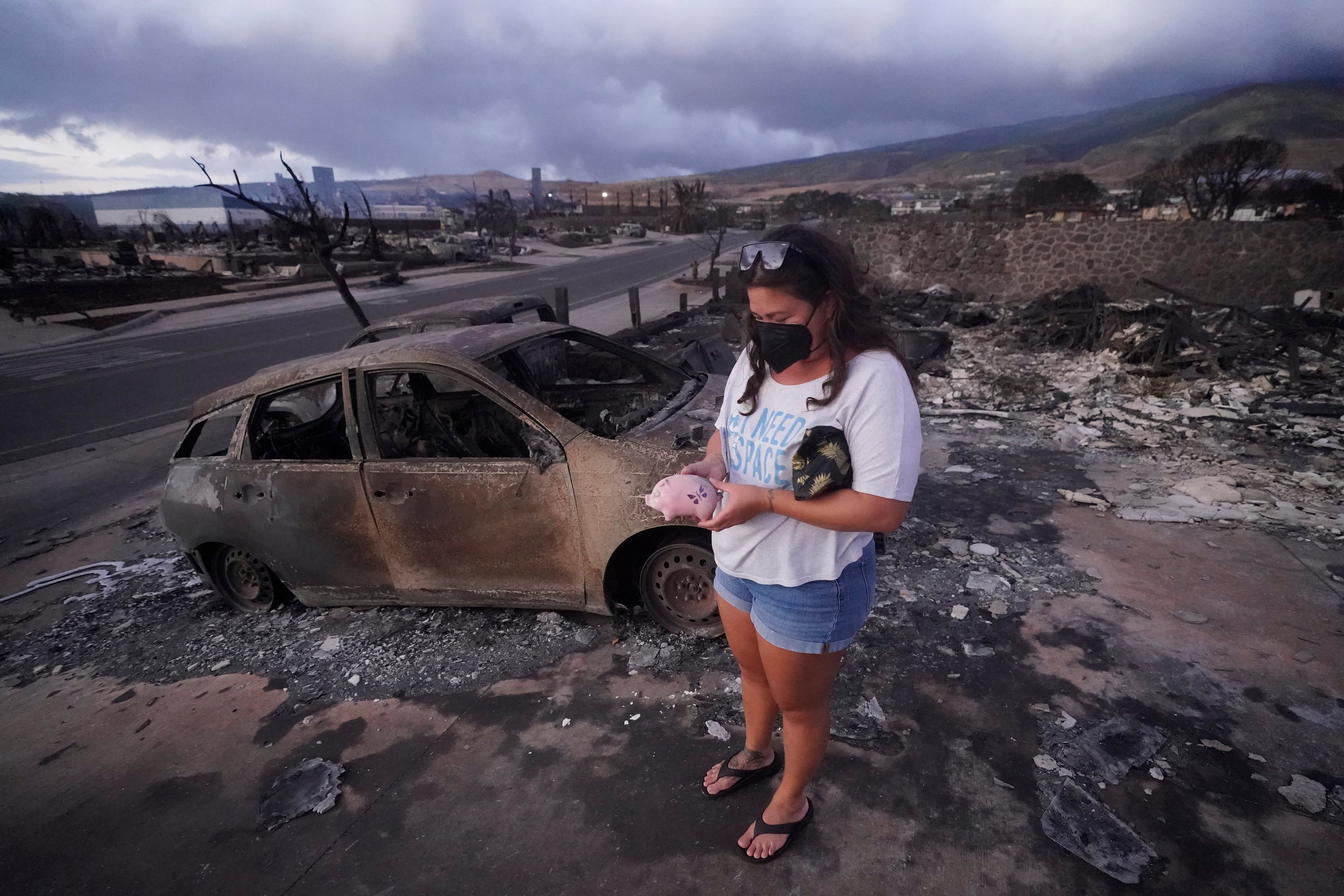
Lawmakers probing the cause of last month’s deadly Maui wildfire did not get many answers during Thursday's congressional hearing on the role the electrical grid played in the disaster.
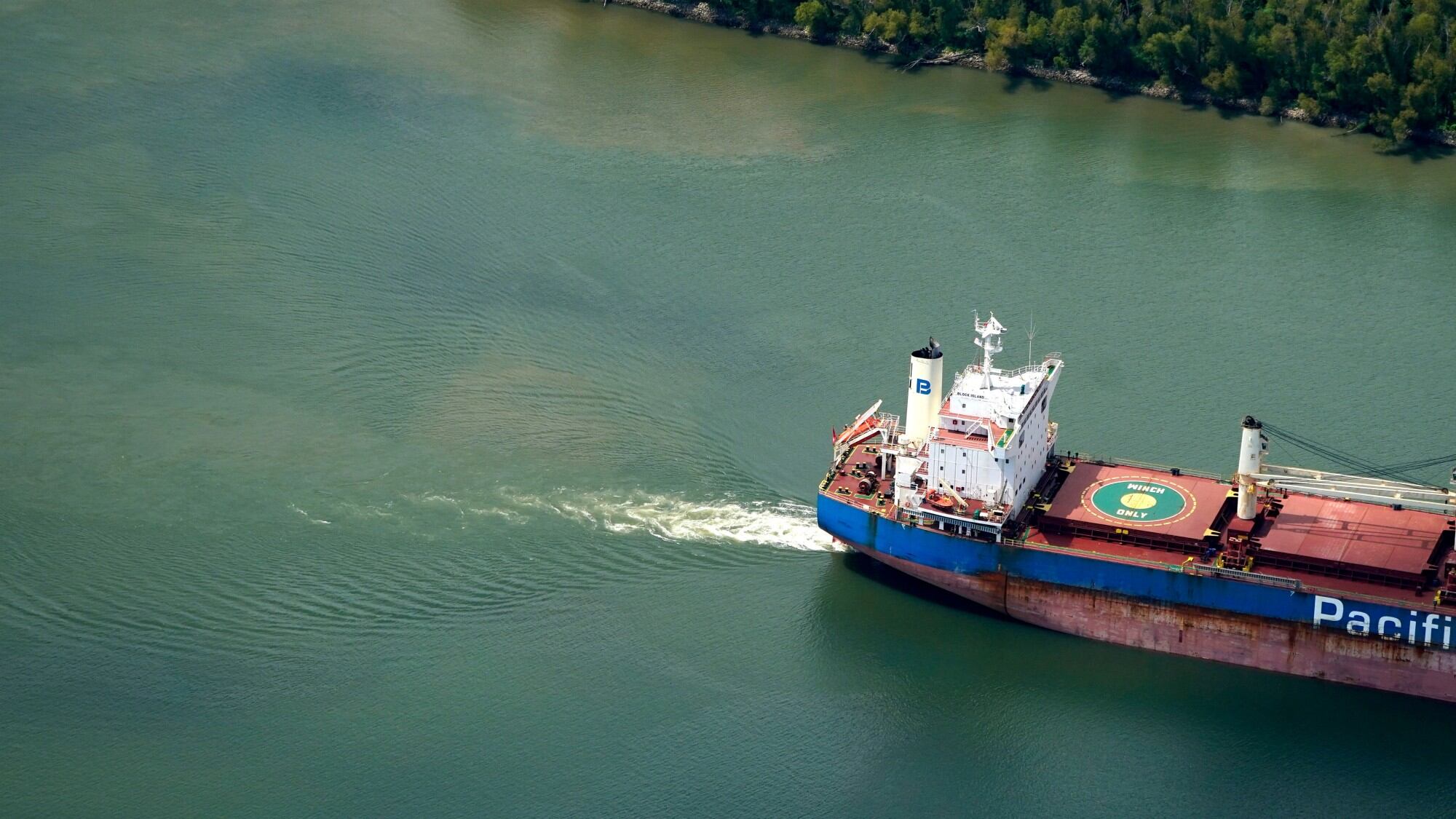
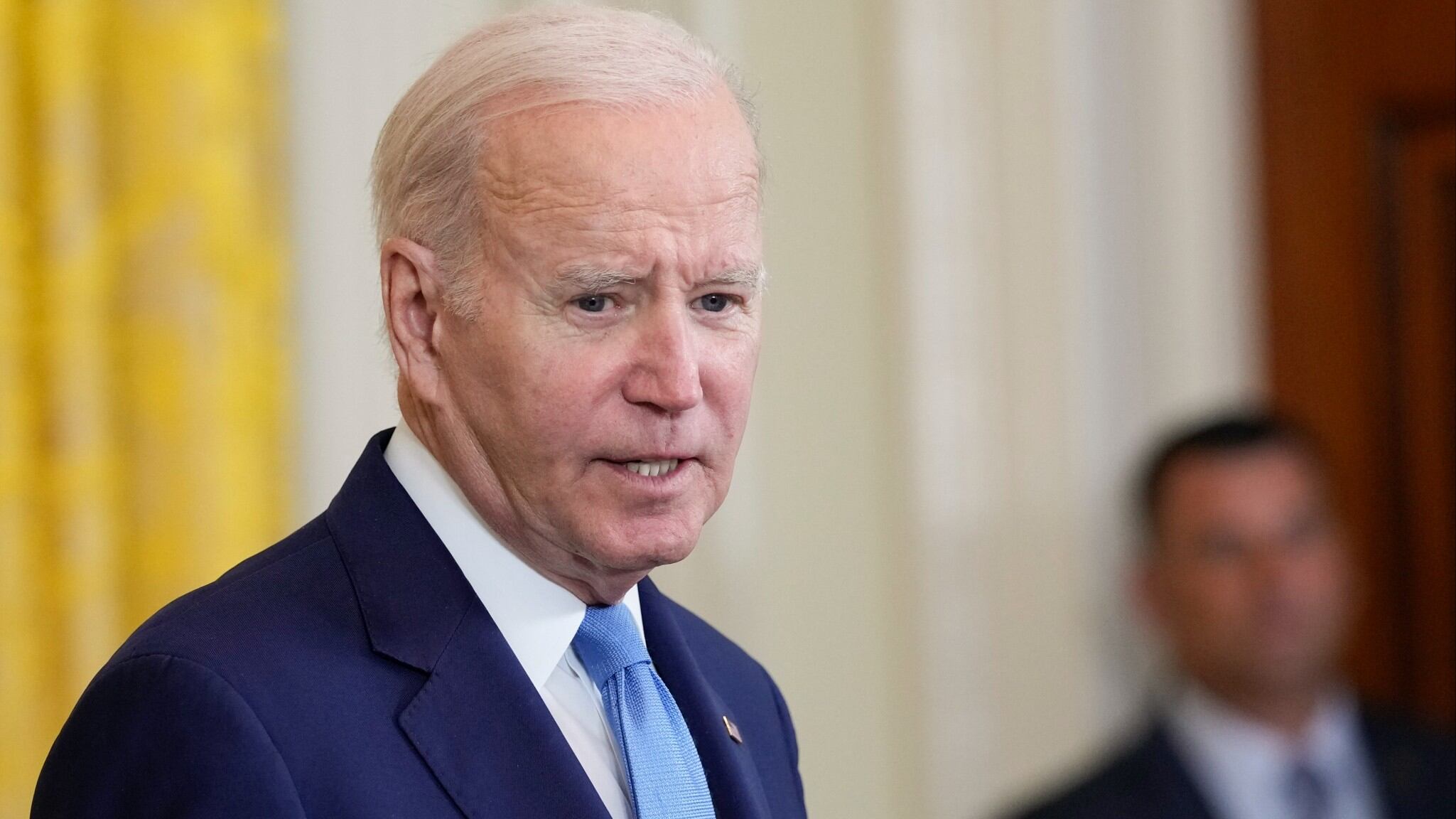
President Joe Biden announced Wednesday that federal disaster assistance is available for Louisiana, which is working to slow a mass inflow of salt water creeping up the Mississippi River and threatening drinking water supplies in the southern part of the state.
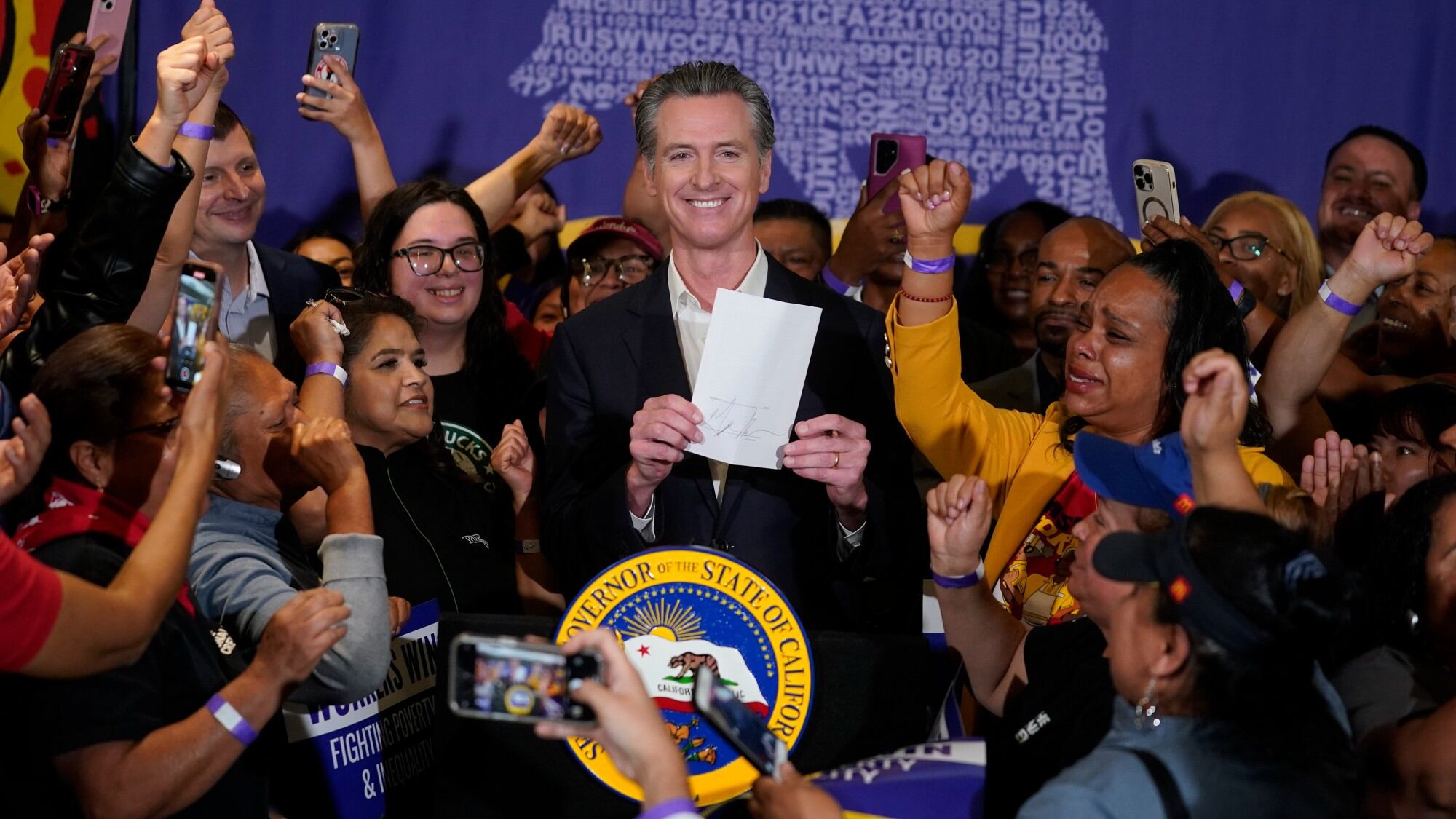
A new law in California will raise the minimum wage for fast food workers to $20 per hour next year, an acknowledgment from the state's Democratic leaders that most of the often overlooked workforce are the primary earners for their low-income households.
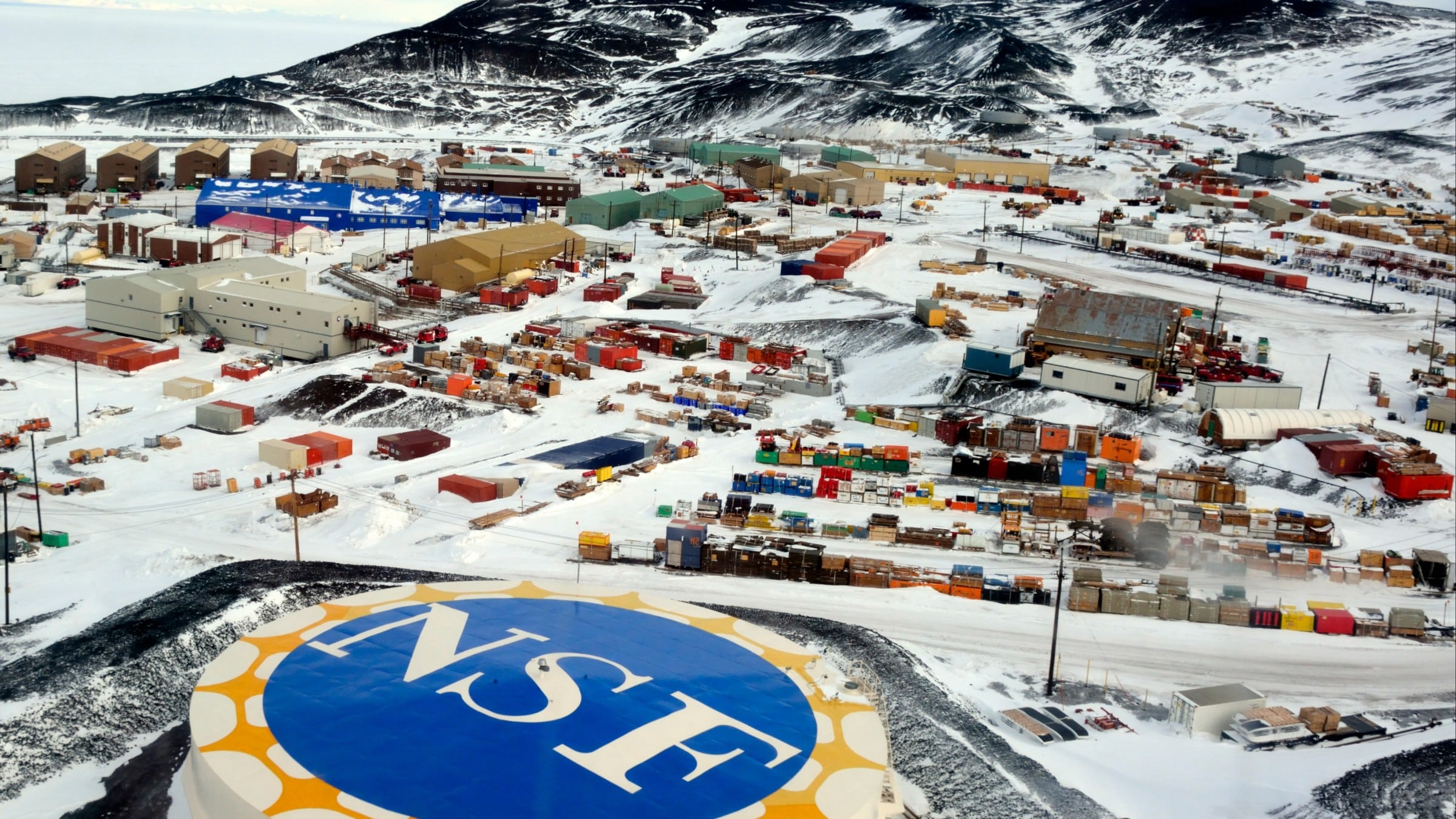
From Sunday, workers at the main United States base in Antarctica will no longer be able to walk into a bar and order a beer, after the U.S. federal agency that oversees the research program decided to stop serving alcohol.
House Republicans launched a formal impeachment hearing Thursday against President Joe Biden, promising to “provide accountability” as they probe the family finances and business dealings of his son Hunter and make their case to the public, colleagues and a skeptical Senate.
The FBI and other government agencies should be required to get court approval before reviewing the communications of U.S. citizens collected through a secretive foreign surveillance program, a sharply divided privacy oversight board recommended on Thursday.
The federal government is just days away from a shutdown that will disrupt many services, squeeze workers and roil politics as Republicans in the House, fueled by hard-right demands, force a confrontation over federal spending.