Financial institutions continue to take a stand against Bitcoin, but its popularity shows no sign of waning.
Nolan Bauerle, Director of Research at Coindesk, told Cheddar that companies shying away from cryptocurrency are making an unwise decision, given high investor interest and increased popularity.
“Bitcoin doesn’t care, Bitcoin dealt with the [People’s Bank of China] already banning it,” he said. “Here you’ve got these guys...trying to make some kind of political point, and the market and cryptocurrency will not care, and will ignore it to the extent that they’ve already ignored the PBOC.”
Financial firm Merrill Lynch recently jumped on the anti-Bitcoin bandwagon, banning clients and financial advisers who trade on their behalf from buying it. Advisers are not allowed to sell Grayscale’s Bitcoin Investment Fund, and bitcoin futures contracts are also forbidden.
Bauerle contends that these banks will have to retract and “come back eventually.”
For full interview [click here](https://cheddar.com/videos/inside-the-factors-driving-ripples-xrp-surge).
Fresh off a successful funding round, co-founder of Lapse Dan Silvertown shares thoughts on regulation, privacy, and why the money for great startups is still out there.
Wendy's announced they are testing out fluctuating prices throughout the day for certain products based on demand. Who will groan the most: lunch-breakers, dinner drivers or late-night goblins?
Shubha Dasgupta, CEO of Pineapple Financial, discusses incorporating artificial intelligence with its newly announced ‘Maui’ tool, plus plans for expansion.
Chair of Penn Engineering’s Department of Computer and Information Science Zachary Ives shares how the department is building its artificial intelligence degree program.
Frances Stacy, Optimal Capital Director of Strategy, breaks down why the latest data indicates the economy may be struggling more than expected, plus some sectors she’s watching.
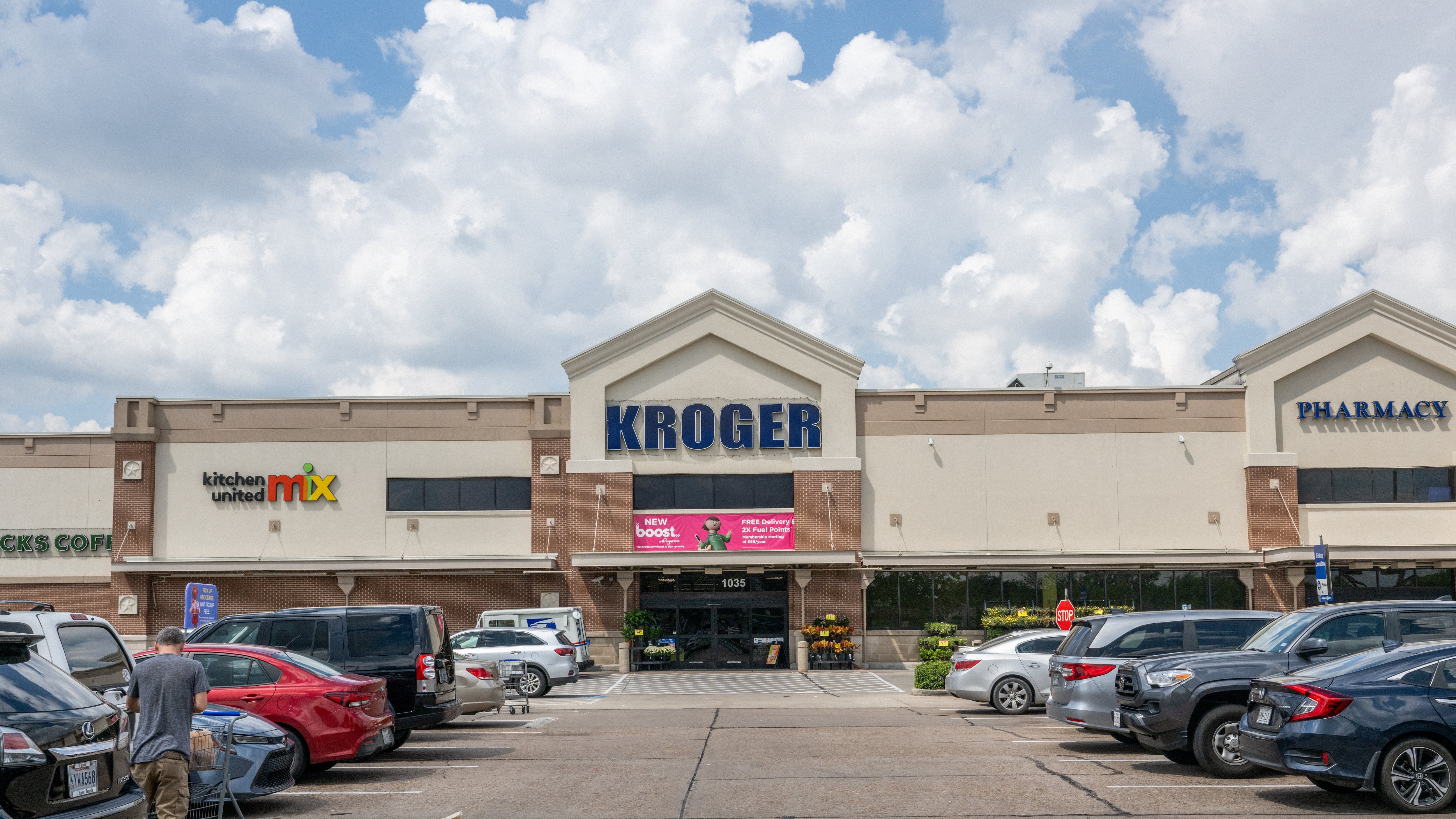
The Federal Trade Commission is suing to block a proposed merger between the two grocery stores. The FTC says the $24.6 billion deal would eliminate competition and lead to higher prices for millions of Americans.