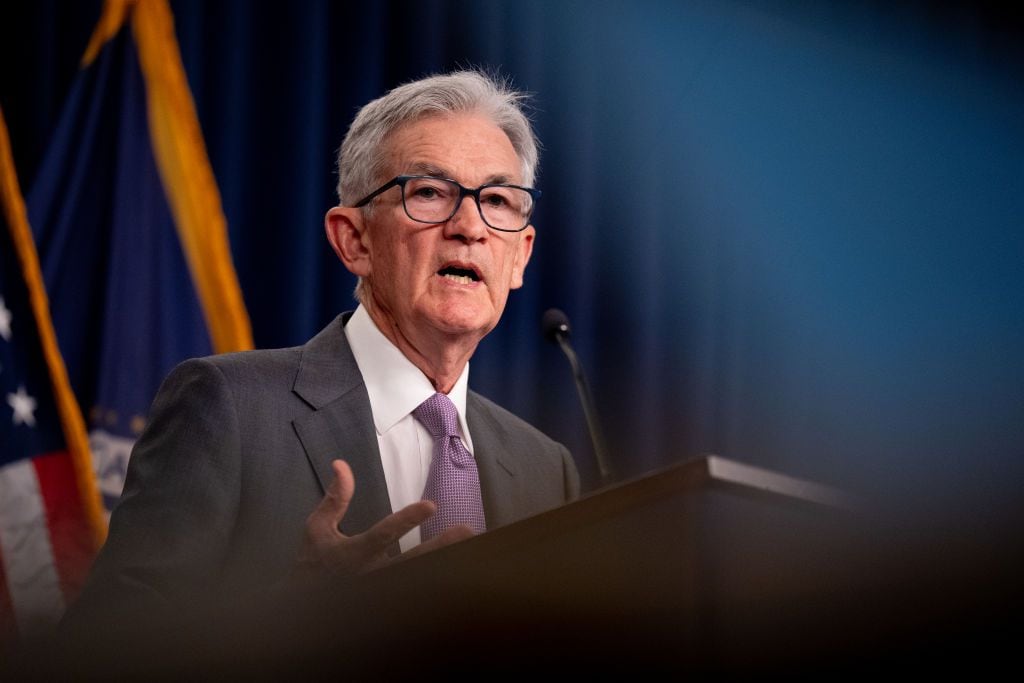
Surging inflation has eased in recent months, but more evidence is needed to show that price increases are coming down in the long term, Federal Reserve Chair Jerome Powell said Wednesday. (Photo by Yuki IWAMURA / AFP) (Photo by YUKI IWAMURA/AFP via Getty Images)
Prices rose half a percent in January, according to the latest consumer price index. That is up from a 0.1 percent decline in December, and five times the 0.1 percent increase in November.
The monthly uptick was in line with expectation, though the year-over-year rate came in higher than expected 6.4 percent, a marginal drop from a 6.5 percent rate in December.
Shelter (i.e. housing) contributed the largest share to the monthly increase, rising 0.7 percent.
Energy costs were also up across the board. The price of piped gas shot up 6.7 percent, while energy overall was up 2 percent after two straight months of declines.
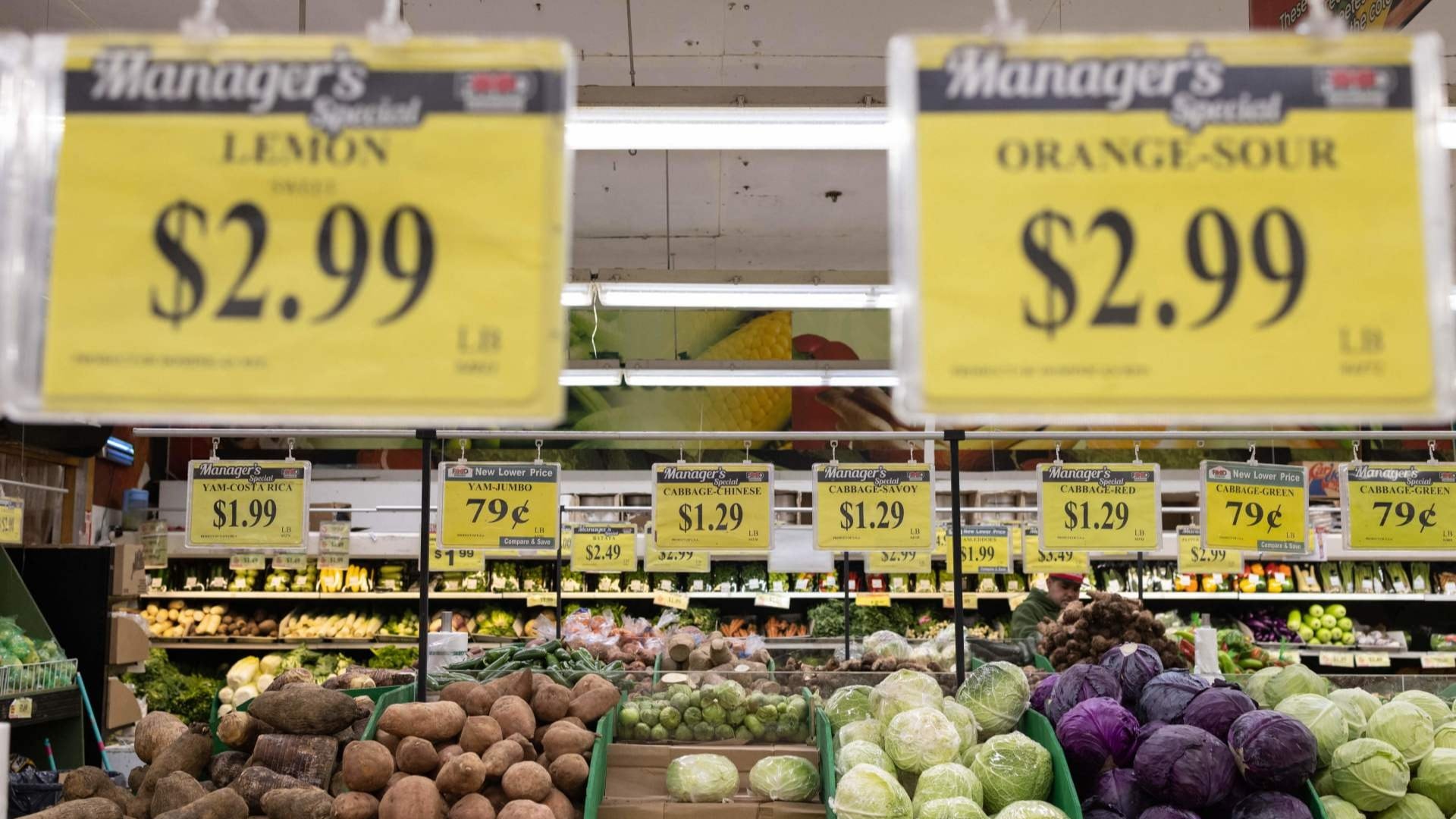
Food prices, meanwhile, were up 0.5 percent. That is up from 0.4 percent in December, but still low relative to the last six months.
Used car prices also continued their steady decline, dropping 1.7 percent month-over-month and 11.6 percent year-over-year.
Despite the month-over-month drop, the annual rate has slowed for seven straight months.
Food inflation affects eating and shopping. Students still get bulk deals, but are people trading down? Debate on price gouging and retailer control persists.
Arc'teryx CEO Stuart Haselden gives an exclusive look inside the outdoor sportswear brand's new NYC flagship store and introduces new MO/GO wearable hiking tech
The US Open kicks off in NYC, and USTA Chairman Dr. Brian Hainline discusses tennis’s growth, Djokovic's worries about pickleball, and the sport's future.