Shark Daymond John Celebrates the Holidays at the NYSE
Shark Daymond John visits the NYSE for the 94th annual tree lighting. John stops by Cheddar to discuss his favorite deals from the year and the best business advice he's ever received.
John says that when an entrepreneur pitches on Shark Tank, he looks for someone who would work on their idea and company without being paid. He values passion and determination and uses that as an indicator of success.
John looked back on some of his Shark Tank deals. He explains his decision behind his deal with Moziah Bridges of Mo's Bows. Initially, Moziah pitched the Sharks on $50,000 in exchange for 20%. John came back and told him not to take any money, and instead to accept his offer of mentorship.
John explained to Cheddar that he received a similar offer when he was starting his clothing company, FUBU, and it proved to be incredibly helpful and lucrative.
Fresh off a successful funding round, co-founder of Lapse Dan Silvertown shares thoughts on regulation, privacy, and why the money for great startups is still out there.
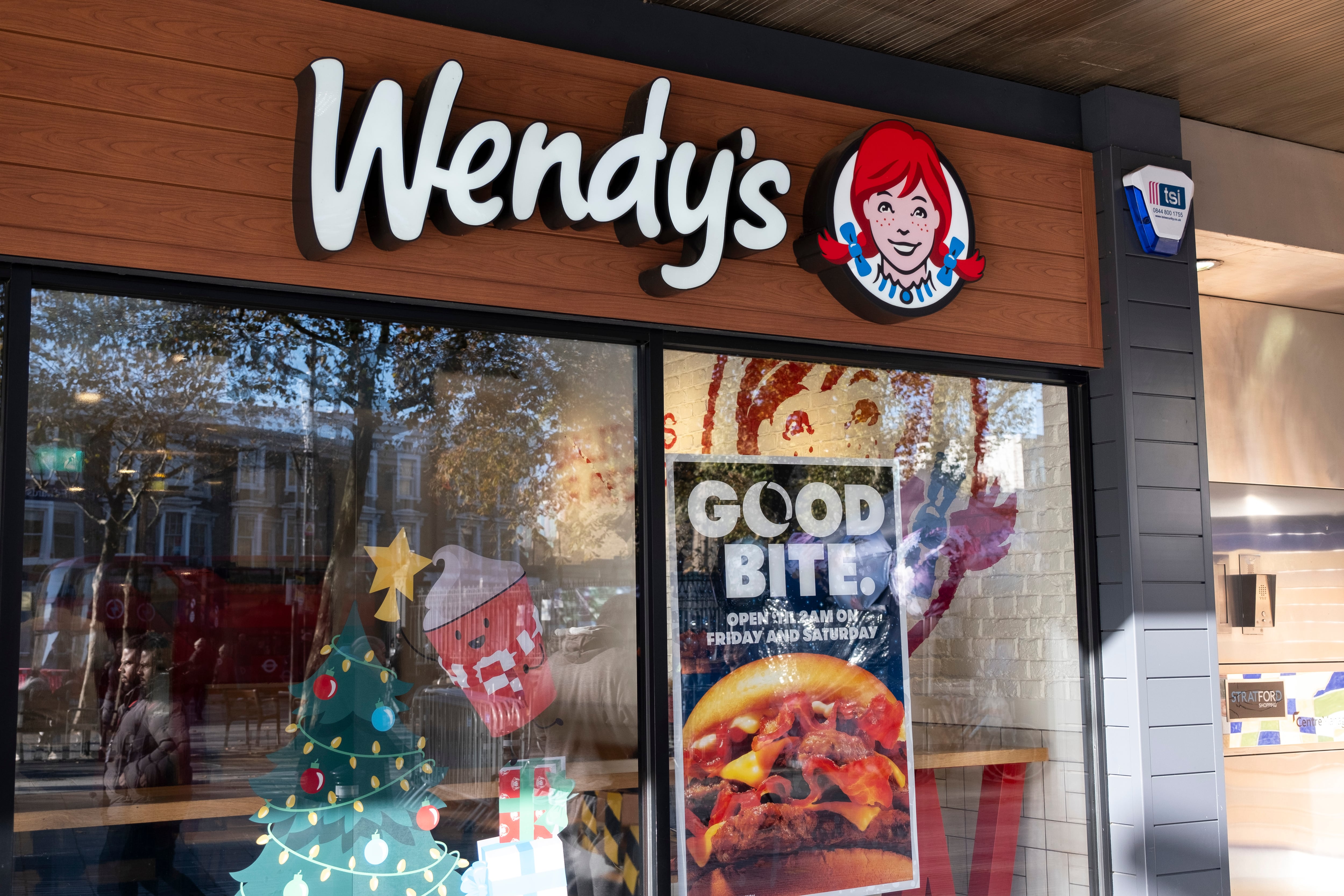
Wendy's announced they are testing out fluctuating prices throughout the day for certain products based on demand. Who will groan the most: lunch-breakers, dinner drivers or late-night goblins?
Shubha Dasgupta, CEO of Pineapple Financial, discusses incorporating artificial intelligence with its newly announced ‘Maui’ tool, plus plans for expansion.
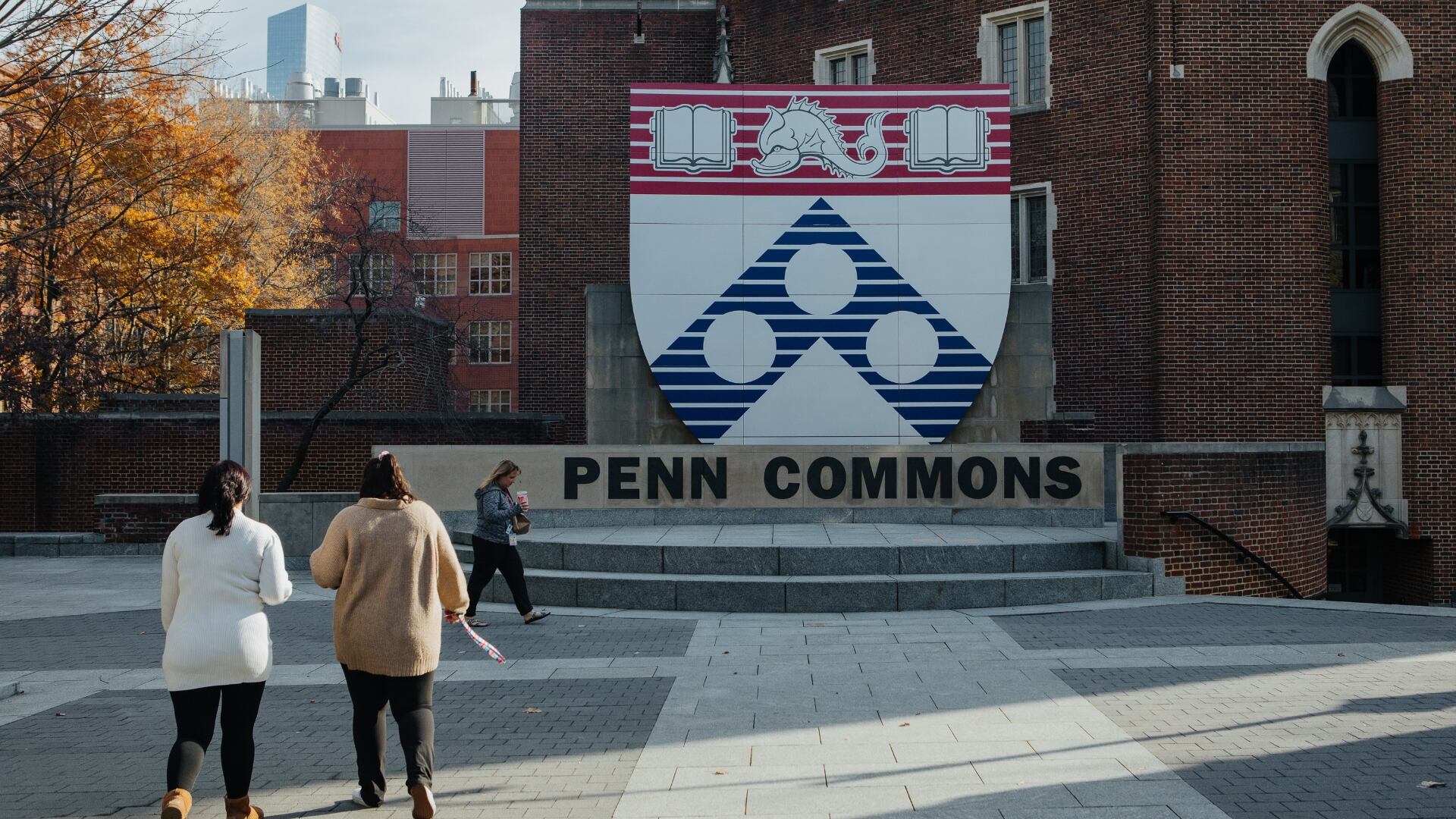
Chair of Penn Engineering’s Department of Computer and Information Science Zachary Ives shares how the department is building its artificial intelligence degree program.
Frances Stacy, Optimal Capital Director of Strategy, breaks down why the latest data indicates the economy may be struggling more than expected, plus some sectors she’s watching.
The Federal Trade Commission is suing to block a proposed merger between the two grocery stores. The FTC says the $24.6 billion deal would eliminate competition and lead to higher prices for millions of Americans.