By Tom Krisher and Matt O'Brien
Twitter has dropped a major roadblock in front of Elon Musk’s effort to take over the company, leaving investors to wonder about the mercurial Tesla CEO’s next move.
The social media company has adopted a “poison pill” defense that makes it difficult for Musk or any other investor to buy Twitter without the board of directors’ approval. Musk, who currently owns about 9% of the company, last week disclosed an offer of about $43 billion, or $54.20 per share.
Twitter’s next likely move is to formally reject Musk’s offer, although it could negotiate. Musk has a number of options which also include talks with the board, sweetening his offer, or even triggering the poison pill, which experts say would be disastrous for the company.
In a regulatory filing on Monday, Twitter’s board said it approved the defensive move to protect the company from “coercive or otherwise unfair” takeover tactics.
The board is leaving open the possibility of negotiating with Musk or another suitor. The filing says the shareholder rights agreement should not interfere with any merger or offer approved by the board.
Although he said his offer was “final,” Musk may have to raise his bid to satisfy other shareholders. A Saudi prince who is among Twitter’s major shareholders scoffed at the offer last week in a tweet. Al Waleed bin Talal said he didn’t believe $43 billion is close to Twitter's value given its growth prospects. Twitter shares hit an all-time high of $77.63 in March 2021.
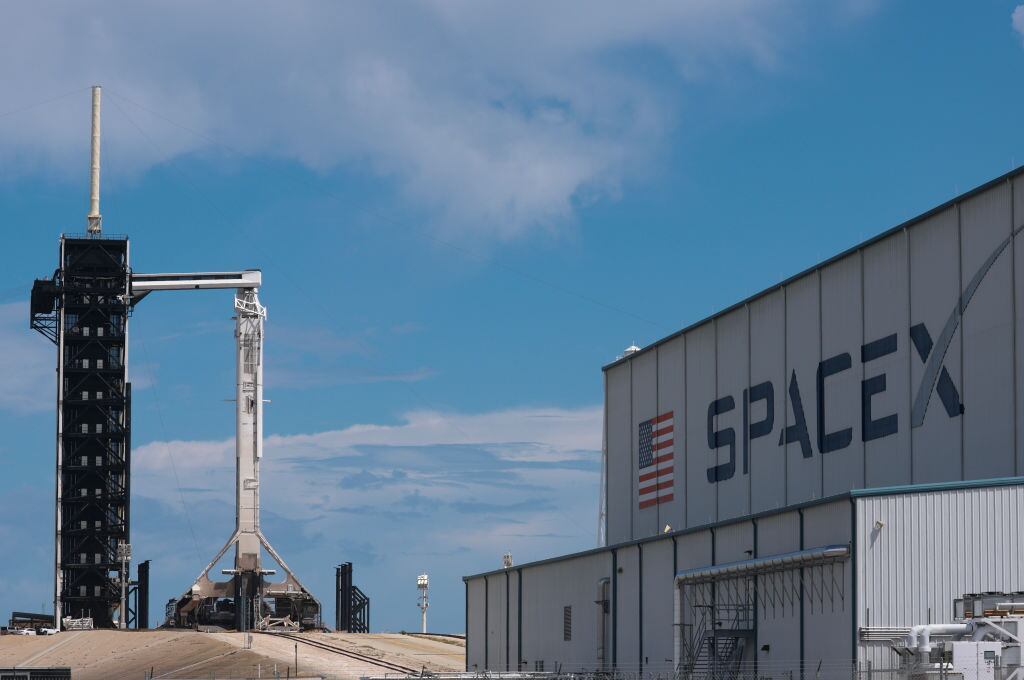
When he made his offer public, Musk provided no details on financing, but such a disclosure could improve his chances. He could raise money by borrowing billions using his stakes in Tesla and SpaceX as collateral, and he could bring in other investors.
The poison pill would give stockholders as of April 25 the right to buy one one-thousandth of a share of preferred stock for each common share they own, at a price of $210. The rights are triggered if any person or group of investors buys 15% or more of the company’s shares without board approval.
The preferred stock would have the same voting rights as a common share, according to the filing, which does not specifically mention Musk.
The poison pill essentially would spell the end of Twitter if Musk or another investor acquires 15% or more of the company, said James Cox, a professor of corporate and securities law at Duke University.
Shareholders who exercise the rights and buy preferred stock at $210 would get $420 in Twitter stock or assets, he said. That would be more than Twitter can afford to pay, and likely would send the company into receivership, Cox said.
“You want to create an event that Musk would never want to trigger because it would be the death of Twitter,” Cox said. He predicts that Musk and the board will negotiate, at least for a while, adding that no investor has ever crossed the line to activate a poison pill.
If Musk triggered the poison pill, he risks wiping out much of the money he has invested in Twitter because his stake would be diluted, said Columbia University law professor Eric Talley. “You want to deter someone from deliberately triggering the poison pill,” Talley said.
Twitter's board has information that the average shareholder doesn't, such as earnings or market growth projections, and whether there's reason to believe that the share value is artificially depressed, Talley said. The board, he said, could just hold out.
"They’re sitting right now on top of a poison pill that’s a bit of a showstopper. From a corporate law perspective, they’re on pretty solid footing right now if they just keep that in place and say they’re not comfortable bargaining at this stage.”
Musk said in making his bid that Twitter “needs to be transformed as a private company” in order to build trust with users and do better at serving what he calls the “societal imperative” of free speech. He said shareholders, not the board, should decide whether Twitter goes private.
Shares of Twitter closed Monday up 7.5% at $48.45, still $5.75 shy of Musk’s offer. That’s a sign that investors are skeptical of whether Musk can pull off the deal.
Musk began accumulating Twitter shares in late January, ending up with a stake of about 9%. Only Vanguard Group controls more shares. A lawsuit filed last week in New York federal court alleged Musk illegally delayed disclosing his stake so he could buy more shares at lower prices.
Musk took to Twitter to criticize board members in recent days, saying he’d save about $3 million per year by bringing the board salary to zero if his bid succeeds, and noting that board members collectively owning just a tiny financial stake in Twitter shows that their “economic interests are simply not aligned with shareholders.”
Musk, who has more than 82 million followers, is a prolific tweeter who has criticized other celebrity accounts for not tweeting enough, suggesting that as a sign that Twitter is dying.
The takeover episode will put pressure on Twitter executives to show that the company is not underperforming, said Olaf Groth, a business professor at the University of California, Berkeley. Even the entire social media business model of making money through advertising -- which Musk has questioned -- is now “up for discussion,” Groth said.
“He may decide it’s not worth it, and that he sent a political signal to exert pressure,” Groth said. “Now all eyes are on Twitter and the clock is ticking.”
____
O'Brien reported from Providence, Rhode Island.