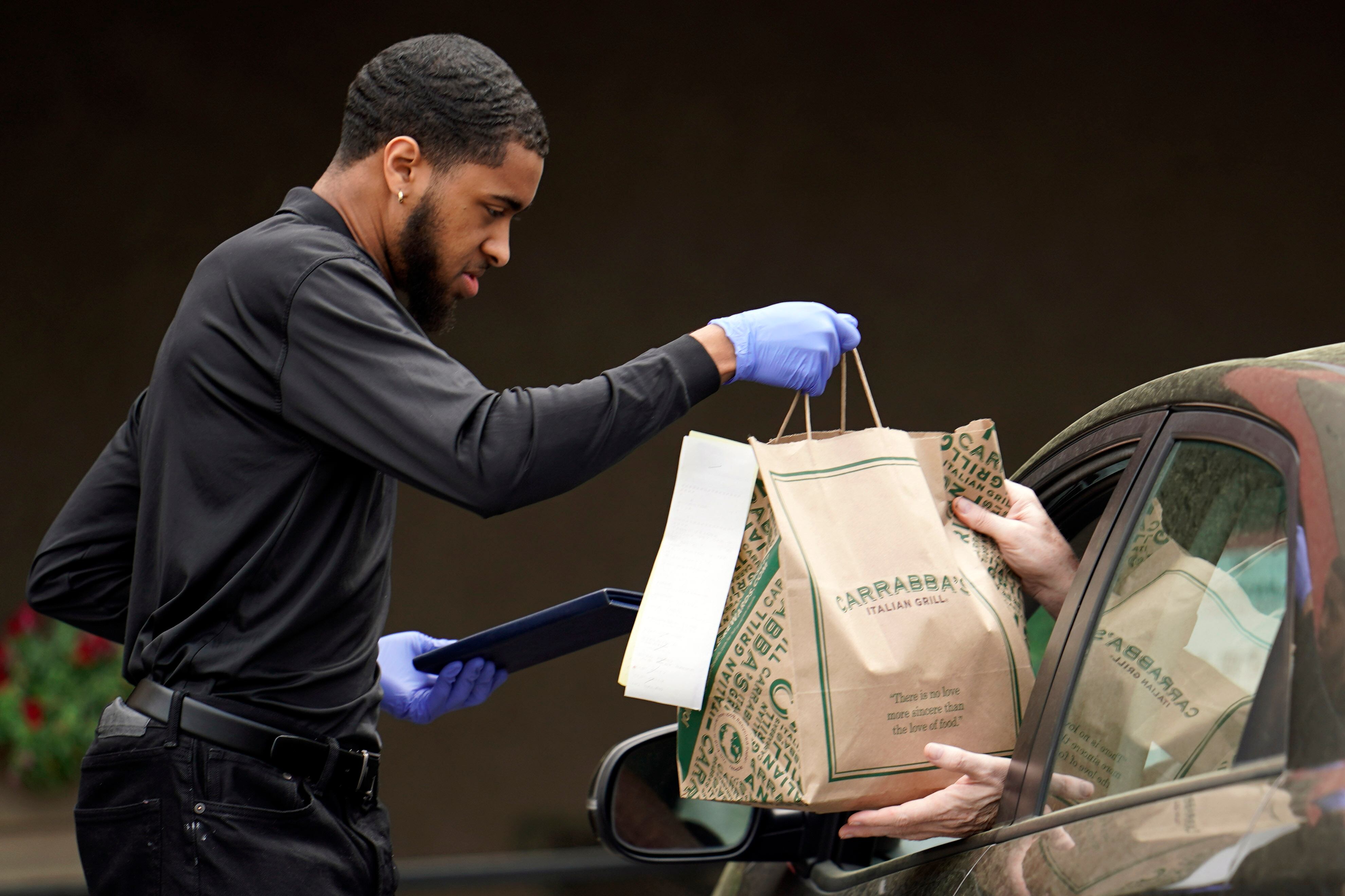
Donta' Haynes makes a curbside delivery outside a Carrabba's Italtian Grill restaurant Wednesday, March 18, 2020, in Houston.
SevenRooms, which works with hospitality venues like hotels and restaurants, has raised $50 million in a Series B funding round led by Providence Strategic Growth.
Joel Montaniel, CEO & co-Founder at SevenRooms, announced the fresh injection of capital first on Cheddar Thursday morning, a feat particularly in the current economic climate.
"It's never easy to raise money," he told Cheddar. "I think what COVID really did was accelerate the need for a platform like SevenRooms that has a unique value proposition, unique platform capability set, which is really all about helping operators create profitability and amazing guest experiences."
Montaniel says SevenRooms will use the fresh capital to develop its platform and to expand globally.
While SevenRooms may not be a household name for consumers, the end-to-end guest management platform is used by hospitality giants like MGM Resorts International and Bloomin' Brands, which operates restaurant chains Carrabba's, Outback Steakhouse, and Bonefish Grill.
SevenRooms uses customer data to help its customers better understand the needs and wants of its customers.
Montaniel says it's this focus on the guest experience that sets SevenRooms apart from rival OpenTable, which is owned by Booking Holdings.
"Our goal, really, is to help operators understand their guests through data and build direct and personalized relationships with them, which ultimately increases profitability and revenue," he said.
The company had been locking horns with OpenTable over whether restaurants can use data discovered through OpenTable to enhance their other systems, like SevenRooms.
OpenTable decided to charge restaurants a $250 a month data-sharing fee the company says is justified.
"It's been an interesting partnership with them and relationship," Montaniel said, adding the two companies have found a way to work together. "We think that the restaurant should be able to control channels and shouldn't have to pay for every guest, in some cases."
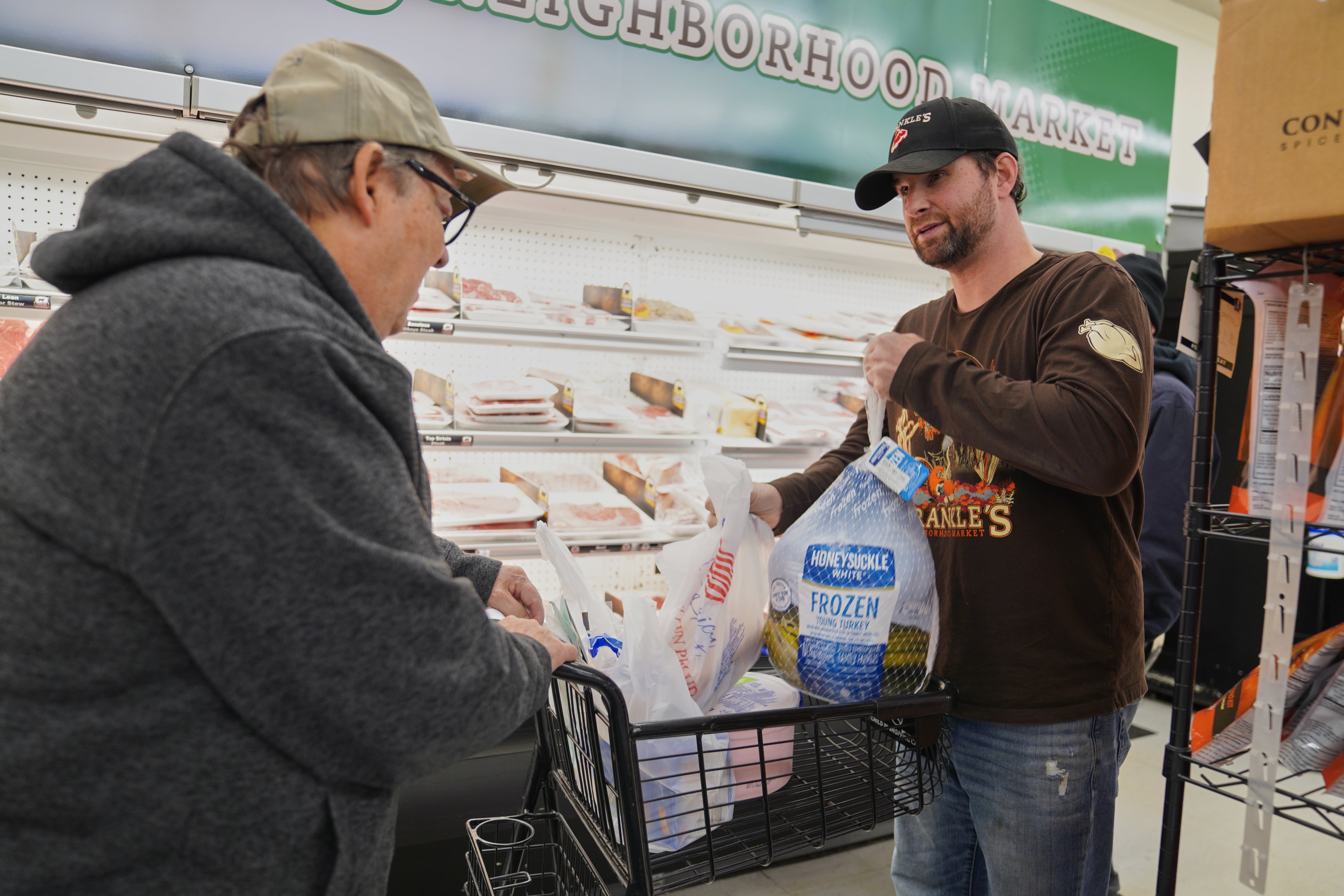
Some small grocery stores and neighborhood convenience stores are eager for the U.S. government shutdown to end and for their customers to start receiving federal food aid again. Late last month, the Trump administration froze funding for the SNAP benefits that about 42 million Americans use to buy groceries. The U.S. Department of Agriculture says about 74% of the assistance was spent last year at superstores like Walmart and supermarkets like Kroger. Around 14% went to smaller stores that are more accessible to SNAP beneficiaries. A former director of the United Nations World Food Program says SNAP is not only a social safety net for families but a local economic engine that supports neighborhood businesses.
Andy Baehr, Head of Product at CoinDesk Indices, breaks down crypto’s Black Friday crash, Bitcoin dipping under $100K, and what’s driving the market rout.
Billionaire Warren Buffett warned shareholders Monday that many companies will fare better than his Berkshire Hathaway in the decades ahead as Father Time catches up
Chris Marquette of POLITICO breaks down how the FAA is cutting flights and facing a critical shortage of air‑traffic controllers amid the government shutdown.
Dr. Manuele Aufiero, CEO & Co‑Founder of Sizable En a groundbreaking undersea energy‑storage technology powering the global shift to clean, scalable power.
Paul Fipps, President of Global Customer Operations at ServiceNow, breaks down the company’s earnings beat, 5‑for‑1 stock split and booming enterprise AI demand