Pipe Bomb Maker Used Crude Tools of Terror, Says Former Counter-Terrorism Official
*By Carlo Versano*
An attempted mail bombing of several prominent Democrats and CNN's New York office used techniques that have grown more common among terrorists in recent years, said Jarrod Bernstein, a former counter-terrorism official in the Obama administration.
Bernstein spoke to Cheddar Wednesday afternoon as the [flurry of apparently politically-motivated threats](https://cheddar.com/videos/possible-explosives-sent-to-hillary-clinton-and-barack-obama) tapped into a sense among many Americans that ー less than two weeks before a pivotal election ー the country's political discourse is on a knife's edge.
The devices that were intended for George Soros, former president Barack Obama, former Secretary of State and presidential candidate Hillary Clinton, former A.G. Eric Holder, Rep. Maxine Waters (D-CA), and CNN's New York office appeared similar and part of a "high concept, low technology" trend that worries counter-terrorism officials, Bernstein said.
That trend includes homemade bombs, commandeered vehicles, and anything else that can be used to inflict mayhem, no matter how crudely.
While not particularly high-tech, the devices seemed to be capable of detonating, Bernstein said. "It doesn't need to be a very sophisticated device to do a lot of damage."
The number of devices and the addressees, all high-profile Democrats who are frequent targets of right-wing ire ー including insults from President Trump ー suggested a motivated individual or group trying to influence our political discourse, according to Bernstein.
"I don't think we've ever seen a scare as widespread as this ー this close to an election," he said.
For full interview [click here](https://cheddar.com/videos/bombs-and-suspicious-packages-sent-to-cnn-obama-clinton-and-other-high-profile-dems).
2021 saw markets continue to be impacted by the onslaught of the coronavirus pandemic -most recently in the form of the Omicron variant- in addition to the global supply chain shortage, and increased inflation. But it wasn't all bad news, as crypto soared throughout the year, and meme stocks continued to have a moment. With the year coming to a close, investors are keeping an eye out to see if they should expect more of the same in the new year. Chris Vecchio, Senior Analyst, at DailyFX tells us what market trends to be on the watch for in 2022.
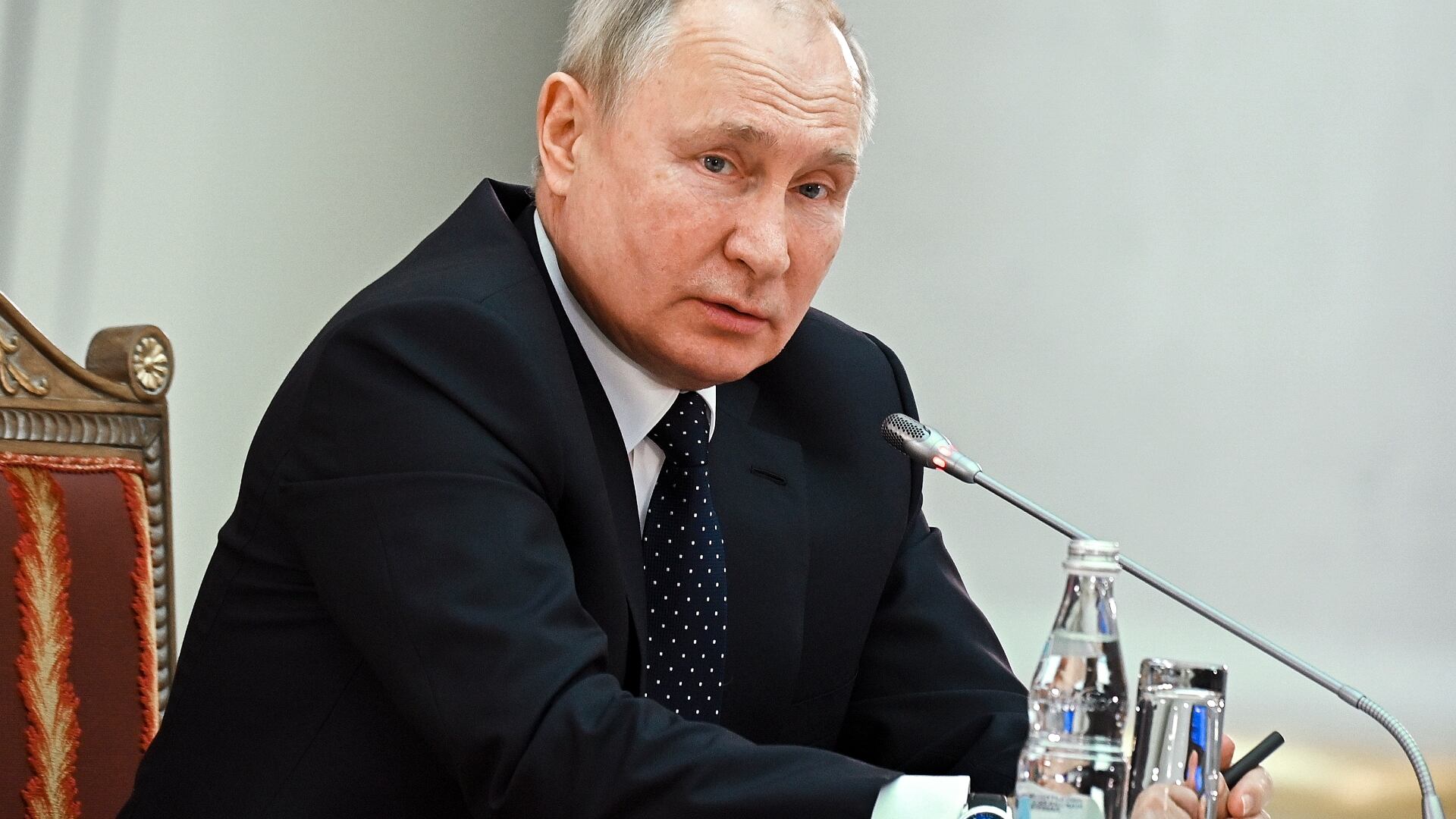
Matt Hayden, vice president of govtech solutions at Exiger and a former assistant secretary of cyber at Department of Homeland Security, joined Cheddar to discuss the surprise phone call initiated by Russian President Vladimir Putin to President Joe Biden, ahead of January security talks about the rising tensions over Ukraine. "We're hoping to hear that we're able to talk about the aggression and the leadup of the Ukrainian militarization," Hayden said. "But we're also looking to hear is how the Kremlin leveraged their talking points to try to test their negotiation stance with the United States leading into this January 10th meeting."
The No Surprises Act begins implementation on January 1, 2022. The legislation is meant to curb the practice of unexpected billing for care from providers the patient was unaware were out-of-network from their insurance. Patricia Kelmar, director of health care campaigns for U.S. PIRG joined Cheddar to describe the hundreds, sometimes thousands, of dollars charged to unsuspecting patients and how things will change under the new law. "If we are picking an in-network doctor and an in-network hospital, we should not see those added costs from anesthesiologists, radiologists, scrub-in surgeons," she said. "The other area it protects you is in air ambulances — not ground ambulances, unfortunately — but the helicopters or the airplanes you might need to transport you in an emergency situation."
President Joe Biden and Russian President Vladmir Putin are expected to have another conversation surrounding escalating tensions between Russia and Ukraine. Ariel Cohen, senior fellow at the Atlantic Council, joined Cheddar's Ken Buffa to discuss the ongoing tensions and why Putin's request for a conversation with Biden comes now. "This is very serious. This is the worst security crisis we had since the collapse of the Soviet Union," Cohen told Cheddar.
Stocks closed mixed on Wednesday, but two indexes - the Dow and the S&P 500 - ended the session with a new record. Akshata Bailkeri, Equity Analyst at Bruderman Asset Management, joins Cheddar News' Closing Bell, where she says there is a consensus for robust consumer spreading in 2022, especially as the Omicron variant is proving to be milder than other COVID-19 strains.