Senate Votes to Save Net Neutrality, but Fate Seems Sealed
*By Alisha Haridasani*
In a last-ditch effort to preserve unfettered access to online content, the Senate voted Wednesday to override the Federal Communications Commission’s decision to scrap net neutrality rules.
All of the Democrats and three Republican Senators voted in favor of the resolution, which was proposed by Senator Ed Markey, Democrat of Massachusetts.
"Republicans will rue the day they voted against middle class families, they will rue the day when they voted against the young people who are so familiar with the internet and you can be sure that we Democrats will remind the people of this vote over and over again," said Senator Chuck Schumer, the Senate minority leader, who has his eye on the midterm elections in November.
The resolution heads to the House, where it faces stronger opposition. Only 161 Representatives have publicly indicated that they would vote in favor of the resolution, 57 short of a majority.
There is still a chance that lawmakers who want to preserve net neutrality could convince more of their colleagues to join them because the issue resonates widely with voters, said Andrew Wyrich, a politics staff writer at The Daily Dot. A number of [polls](http://thehill.com/policy/technology/364528-poll-83-percent-of-voters-support-keeping-fccs-net-neutrality-rules) show strong support ー among Democrats and Republicans ー for maintaining net neutrality.
"A lot of people didn't think that it would happen in the Senate so I think anything can happen," said Wyrich.
Net neutrality rules were put in place by the Obama administration in 2015, ensuring that internet service providers give equal access to all content online, regardless of who produces it or where it comes from. The F.C.C. decided in December to abandon the rules, and they officially expired last month.
Supporters of net neutrality, including the tech companies Amazon, Google, Netflix, and Facebook, have said that stripping away these rules would give internet service providers the power to charge some websites or services more for speedier access. The chairman of the F.C.C., Ajit Pai, who has been a vocal critic of net neutrality, has said the rules hurt the companies that build the internet's infrastructure, and stifle innovation and limit investment.
“It’s going to hurt the little guy,” said Representative Jim Langevin, a Democrat from Rhode Island. Net neutrality allows “small entrepreneurs to have the same amount of access that big companies do,” he said.
Though a majority of Americans support net neutrality, Pai, the F.C.C. chairman, has said the rules were "heavy-handed."
For the full interview, [click here](https://cheddar.com/videos/senate-votes-to-keep-net-neutrality-rules).
U.S. stocks ended today's session sharply lower on the heels of rising geopolitical tensions between Russia and Ukraine. Melissa Brown, Managing Director of Applied Research at Qontigo, joins Cheddar News' Closing Bell to discuss.
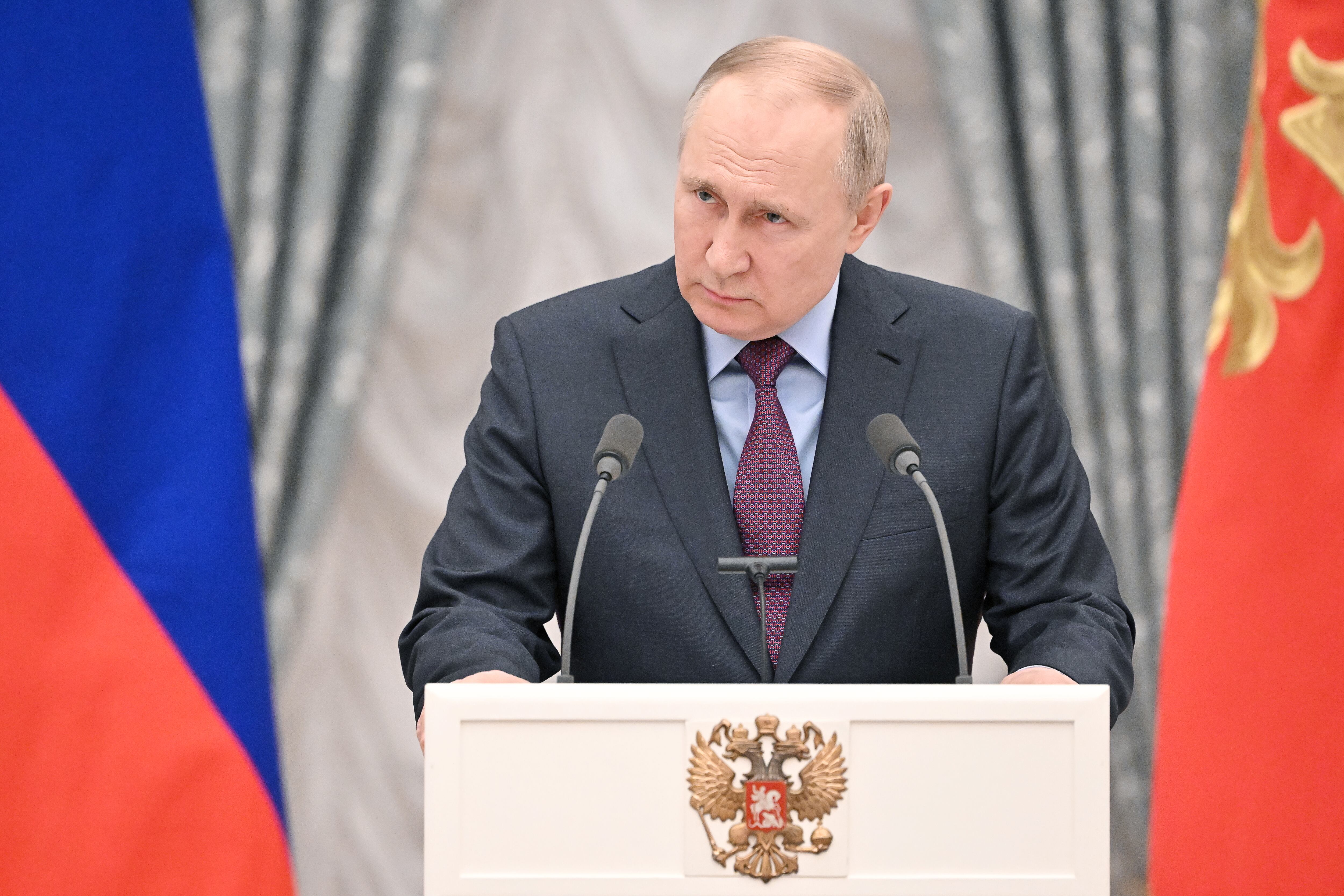
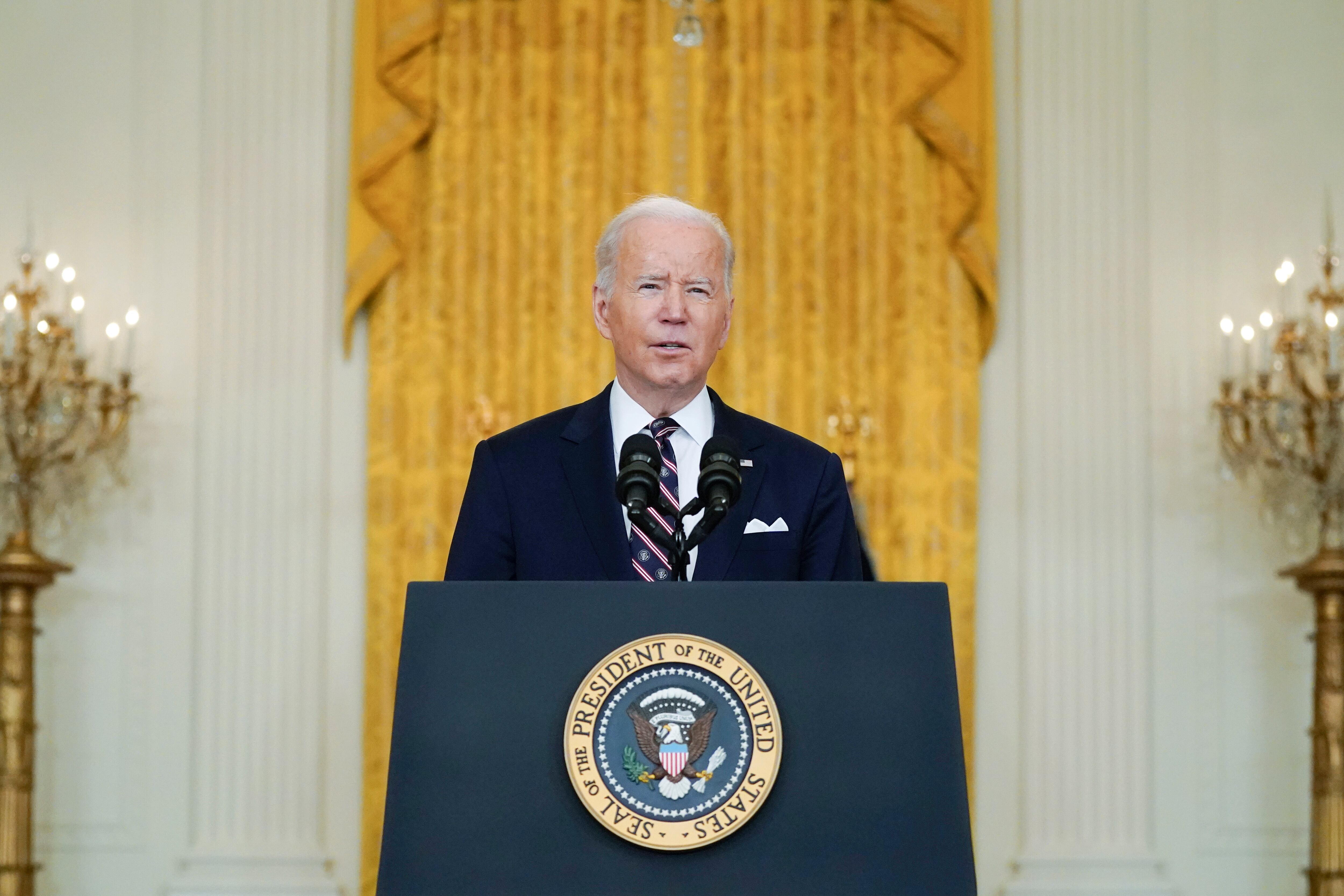
President Joe Biden said Tuesday that the U.S. will begin to impose sanctions on Russia, calling recent troop movement into Ukraine an 'invasion.' Biden and other government officials including from the State Department have begun to classify the Russian troop movement as an invasion after Russian President Vladimir Putin ordered troops to two independent Ukrainian areas in an alleged "peacekeeping" mission — which the West considers an act of aggression. Biden said Russia will continue to pay 'an even steeper price' if it continues sending troops into Ukraine. What happens next? Will Putin find a way around these sanctions? Ariel Cohen, senior fellow at the Atlantic Council, joins Closing Bell to discuss Biden's remarks, how the West will protect Ukraine since it doesn't belong to NATO, and more.
Russian lawmakers have given President Vladimir Putin a military force authorization in Ukraine, and President Biden has described Putin's announcement declaring the independence of two provinces within Ukraine and his subsequent deployment of peacekeepers as tantamount to "invasion. David Tafuri, a former Obama campaign foreign policy advisor and Bush State Department official, joined Cheddar News to discuss. "The Ukrainian military occupies more than 70 percent of those provinces still," Tafuri said, noting Putin alleged having a responsibility to defend those regions. "This would put Ukrainian forces and Russian forces right at each other engaged. And that might be how the war starts."
The major indexes ended Tuesday's session sharply lower due to escalating tensions between Russia and Ukraine. Bill Stone, Chief Investment Officer at The Glenview Trust Company, joins Cheddar News' Closing Bell, where he reminds viewers that Wall Street doesn't like uncertainty, and more of the recent losses are due to geopolitics than inflation.
Karim Hijazi, CEO of Prevailion, joins Cheddar News' Closing Bell, where he says that crypto's decentralized nature will pose obstacles for the FBI's new crypto unit, but it will also make progress with items such as managing fraudulent exchanges.
The Retail Industry Leaders Association released a report alleging the safety risks, economic losses, and potential job losses they link to a surge in shoplifting crimes in the United States. Lisa LaBruno, senior EVP of retail operations at the trade organization, joined Cheddar News to discuss the impact of websites that allow for the resale of unverified goods and passing the INFORM Consumers Act to stamp it out. “We need to hold the online marketplaces accountable for being a favored venue for criminals to resell stolen product," LaBruno said. "And that is exactly what the INFORM Act is designed to do."
The East-West faceoff over Ukraine has escalated dramatically, with Russian lawmakers authorizing President Vladimir Putin to use military force outside his country and President Biden and European leaders responding by slapping sanctions on Russian oligarchs and banks.