Senate Votes to Save Net Neutrality, but Fate Seems Sealed
*By Alisha Haridasani*
In a last-ditch effort to preserve unfettered access to online content, the Senate voted Wednesday to override the Federal Communications Commission’s decision to scrap net neutrality rules.
All of the Democrats and three Republican Senators voted in favor of the resolution, which was proposed by Senator Ed Markey, Democrat of Massachusetts.
"Republicans will rue the day they voted against middle class families, they will rue the day when they voted against the young people who are so familiar with the internet and you can be sure that we Democrats will remind the people of this vote over and over again," said Senator Chuck Schumer, the Senate minority leader, who has his eye on the midterm elections in November.
The resolution heads to the House, where it faces stronger opposition. Only 161 Representatives have publicly indicated that they would vote in favor of the resolution, 57 short of a majority.
There is still a chance that lawmakers who want to preserve net neutrality could convince more of their colleagues to join them because the issue resonates widely with voters, said Andrew Wyrich, a politics staff writer at The Daily Dot. A number of [polls](http://thehill.com/policy/technology/364528-poll-83-percent-of-voters-support-keeping-fccs-net-neutrality-rules) show strong support ー among Democrats and Republicans ー for maintaining net neutrality.
"A lot of people didn't think that it would happen in the Senate so I think anything can happen," said Wyrich.
Net neutrality rules were put in place by the Obama administration in 2015, ensuring that internet service providers give equal access to all content online, regardless of who produces it or where it comes from. The F.C.C. decided in December to abandon the rules, and they officially expired last month.
Supporters of net neutrality, including the tech companies Amazon, Google, Netflix, and Facebook, have said that stripping away these rules would give internet service providers the power to charge some websites or services more for speedier access. The chairman of the F.C.C., Ajit Pai, who has been a vocal critic of net neutrality, has said the rules hurt the companies that build the internet's infrastructure, and stifle innovation and limit investment.
“It’s going to hurt the little guy,” said Representative Jim Langevin, a Democrat from Rhode Island. Net neutrality allows “small entrepreneurs to have the same amount of access that big companies do,” he said.
Though a majority of Americans support net neutrality, Pai, the F.C.C. chairman, has said the rules were "heavy-handed."
For the full interview, [click here](https://cheddar.com/videos/senate-votes-to-keep-net-neutrality-rules).
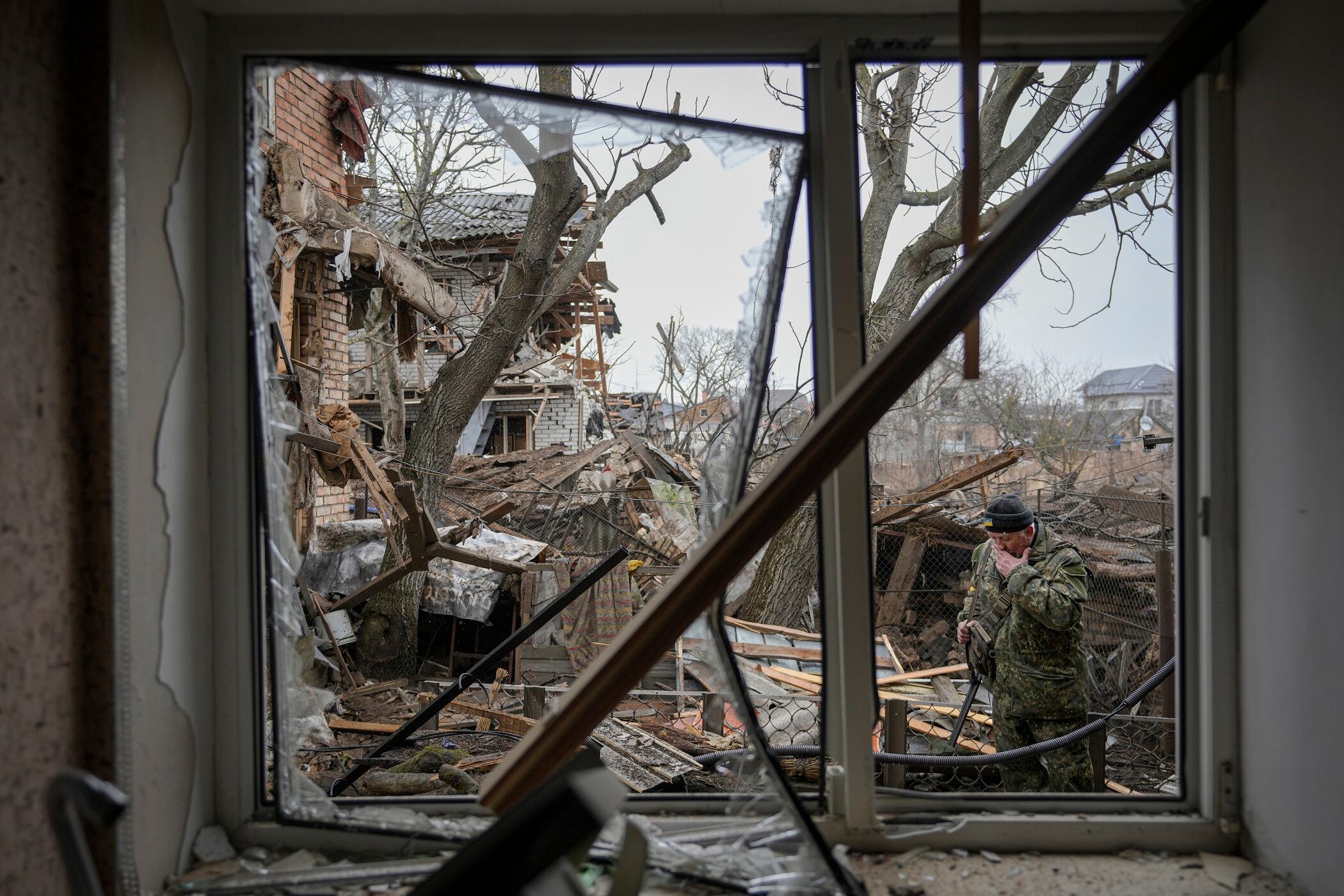
As half a million Ukrainians fled when Russia invaded its neighbor, some civilians chose to stay in harm's way. Igor Gamaniuk, a 17-year-old Ukrainian college student, joined Cheddar News to talk about his decision to remain in his beloved country and volunteer to support soldiers with food, clothing, and supplies. "Right now people are pretty calm in my town. We are trying not to panic. But we have to be cautious because every day and every night the siren could sound and we have to move away from the window or go to the nearest shelter," Gamaniuk explained.
As Russia continues to invade Ukraine, its tech outsourcing sector is at risk. Over the past few years, the country has become a popular outsourcing destination for American and European tech companies, but now the future of that industry is uncertain. Isabelle Bousquette, enterprise technology reporter, for The Wall Street Journal, discusses what repercussions the crisis might have on the industry, and what companies are doing to mitigate possible disruptions.
In a nearly 3,700 page UN report, climate scientists outline the imminent dangers caused by climate change, saying fossil fuels are 'choking humanity.' The report calls some of the impacts of global warming 'irreversible,' warning of extreme consequences in the near future. Kristie L. Ebi, Professor of Global Health and Environmental and Occupational Health Sciences, University of Washington joined Cheddar's Opening Bell to discuss.
Ukrainian President Volodymyr Zelenskyy has signed an application for Ukraine's membership in the European Union, pleading with the bloc to accept this request. It comes as Russian forces push further into Ukraine, forcing at least half a million refugees to flee. Benjamin Schmitt, Postdoctoral Research Fellow at Harvard University and Senior Fellow at the Center for European Policy Analysis, breaks down the latest in Ukraine.
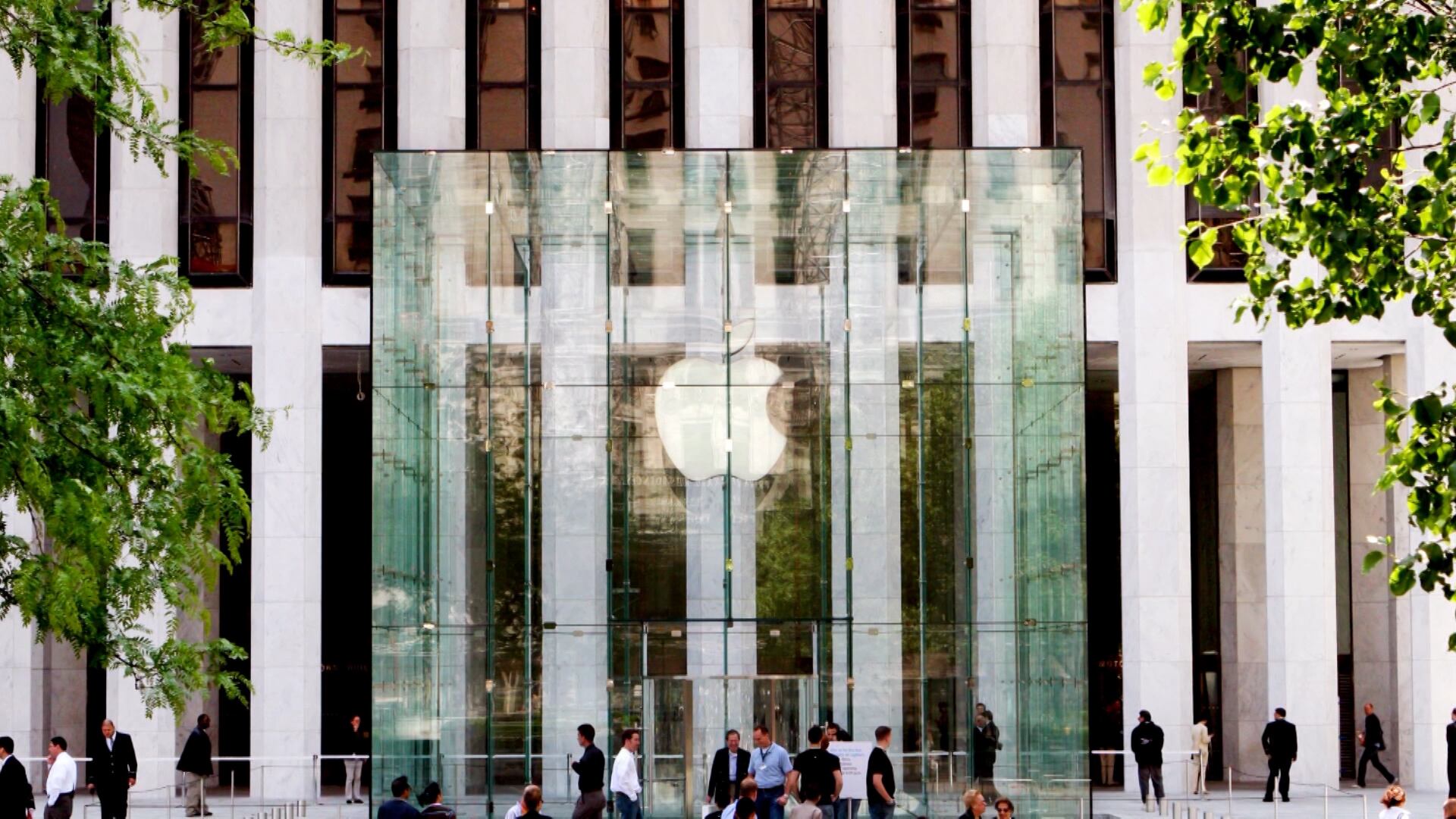
A growing wave of major U.S. companies have taken steps to cut ties with Russia or offer support to Ukraine, as tensions escalate in the region. Exxon, Apple and Boeing are just the latest companies to make the move, following the likes of Google, Meta and BP who have all announced plans to exit the region in response to the conflict. Courtney Vinopal, Breaking News Reporter, Quartz joined Cheddar's Opening Bell for more.
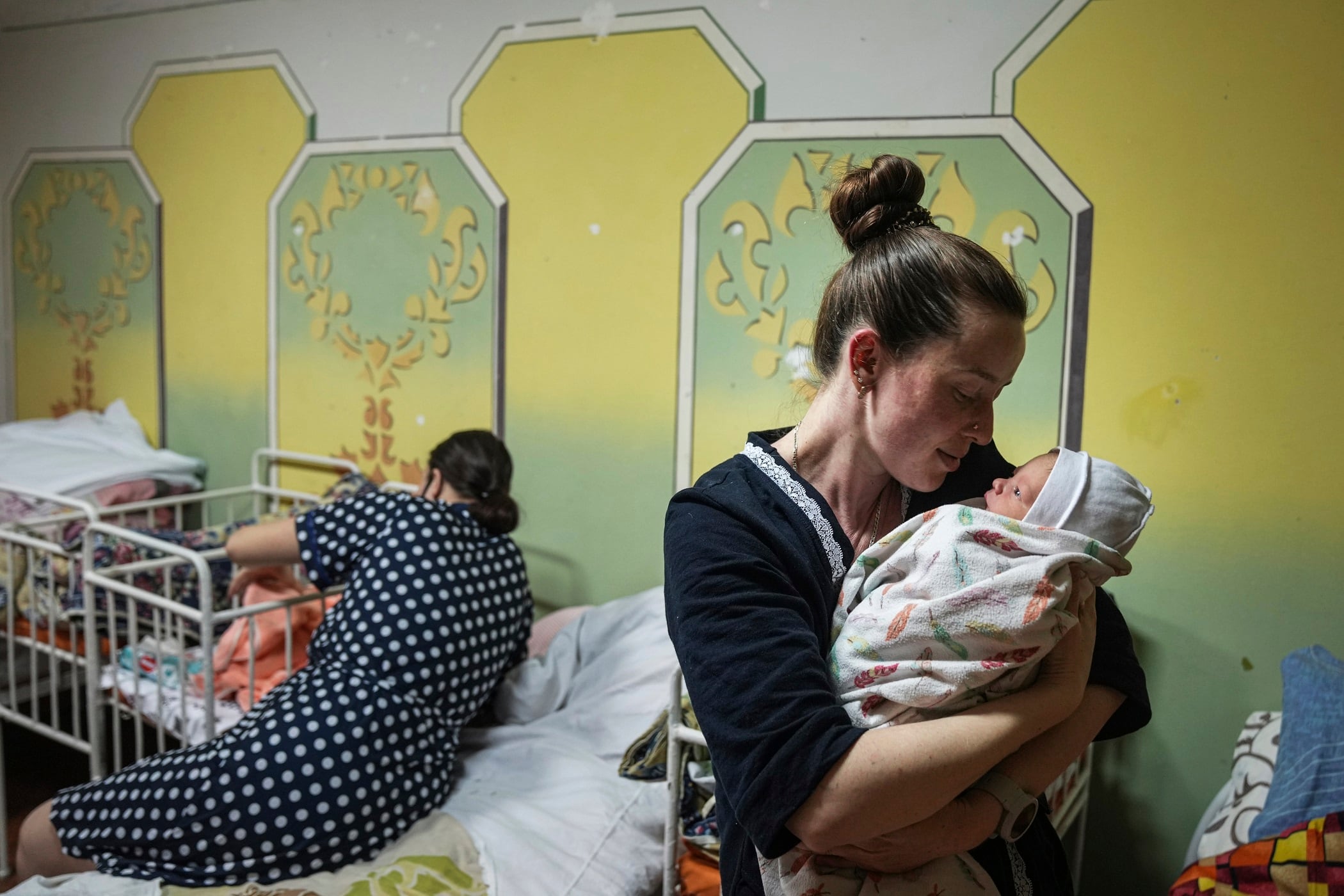
A hospital basement in Ukraine’s coastal city of Mariupol has transformed into a bomb shelter and maternity ward amid shelling during Russia’s invasion.
World leaders are currently dealing with a handful of pressing issues, including Russia's invasion of Ukraine, inflation, and not to mention the COVID-19 pandemic; but it could be argued that the most pressing issue is one that has experienced its fair share of neglect in the past -- climate change. As tensions escalate between Russia and Ukraine, there is fear the focus on climate will once again be pushed aside. However, the White House appears to be making some effort to prevent that from happening. The White House Office of Science and Technology held a first-of-its-kind roundtable discussion with some of the nation's leading climate scientists on Thursday. Michael Mann, Director of the Earth System Science Center at Pennsylvania State University, and author of the book 'The New Climate War' joins Cheddar News' Closing Bell to discuss his experience as one of the climate scientists at the White House event.
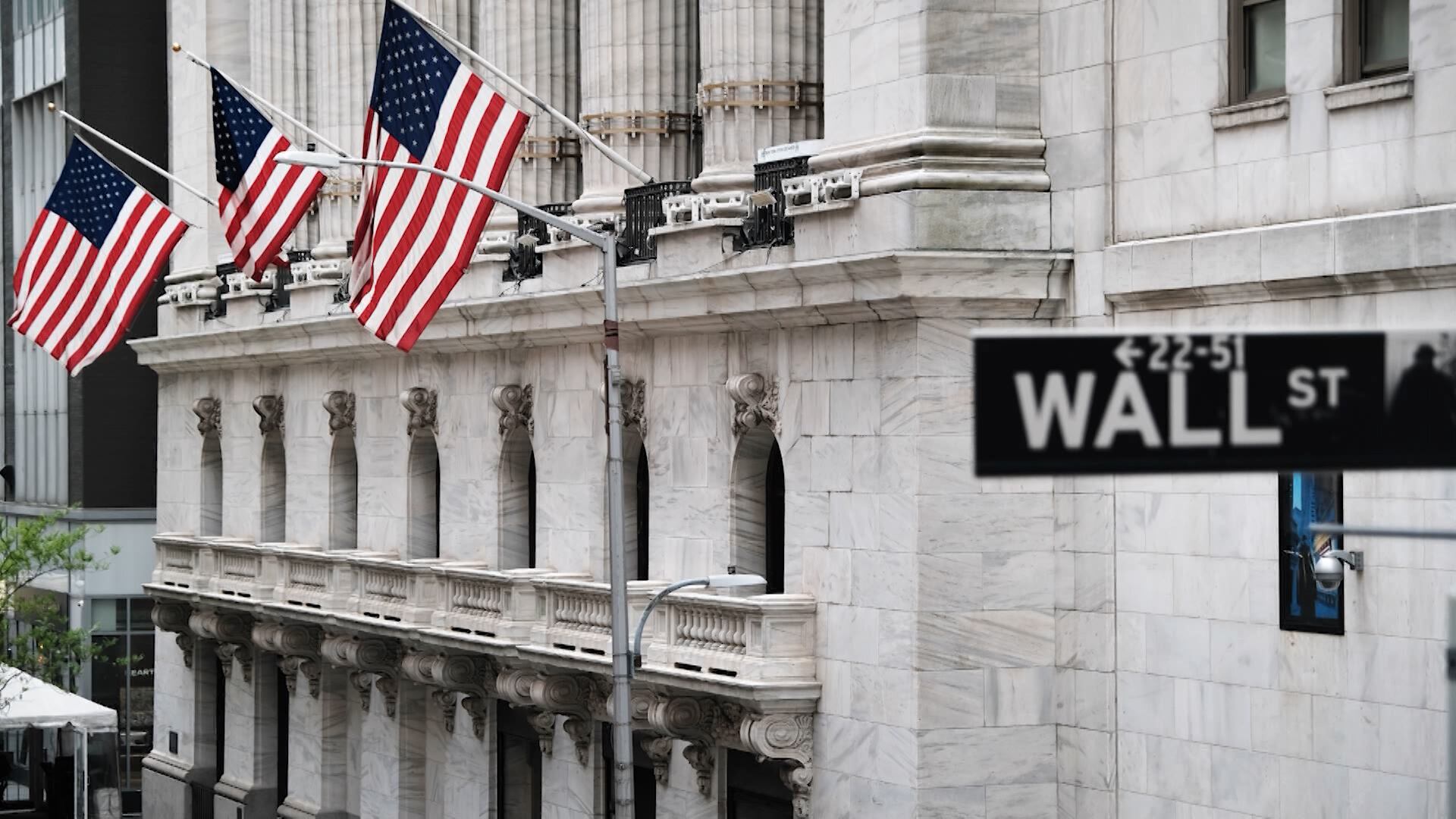
Scott Clemons, Partner and Chief Investment Strategist at Brown Brothers Harriman, joins Cheddar News' Closing Bell, where he discusses the factors leading to the sell-off on Wall Street today and explains why uncertainty is worse than bad news for the investors.
U.S. stocks rebounded to end higher on Thursday after President Biden announced new sanctions against Russia following the country's attack on Ukraine. The Dow was down 859 points at its lowest point of the session, before ultimately finishing the day in the green. Melissa Armo, founder and owner of the Stock Swoosh, joins Cheddar News' Closing Bell to discuss.