Senate Votes to Save Net Neutrality, but Fate Seems Sealed
*By Alisha Haridasani*
In a last-ditch effort to preserve unfettered access to online content, the Senate voted Wednesday to override the Federal Communications Commission’s decision to scrap net neutrality rules.
All of the Democrats and three Republican Senators voted in favor of the resolution, which was proposed by Senator Ed Markey, Democrat of Massachusetts.
"Republicans will rue the day they voted against middle class families, they will rue the day when they voted against the young people who are so familiar with the internet and you can be sure that we Democrats will remind the people of this vote over and over again," said Senator Chuck Schumer, the Senate minority leader, who has his eye on the midterm elections in November.
The resolution heads to the House, where it faces stronger opposition. Only 161 Representatives have publicly indicated that they would vote in favor of the resolution, 57 short of a majority.
There is still a chance that lawmakers who want to preserve net neutrality could convince more of their colleagues to join them because the issue resonates widely with voters, said Andrew Wyrich, a politics staff writer at The Daily Dot. A number of [polls](http://thehill.com/policy/technology/364528-poll-83-percent-of-voters-support-keeping-fccs-net-neutrality-rules) show strong support ー among Democrats and Republicans ー for maintaining net neutrality.
"A lot of people didn't think that it would happen in the Senate so I think anything can happen," said Wyrich.
Net neutrality rules were put in place by the Obama administration in 2015, ensuring that internet service providers give equal access to all content online, regardless of who produces it or where it comes from. The F.C.C. decided in December to abandon the rules, and they officially expired last month.
Supporters of net neutrality, including the tech companies Amazon, Google, Netflix, and Facebook, have said that stripping away these rules would give internet service providers the power to charge some websites or services more for speedier access. The chairman of the F.C.C., Ajit Pai, who has been a vocal critic of net neutrality, has said the rules hurt the companies that build the internet's infrastructure, and stifle innovation and limit investment.
“It’s going to hurt the little guy,” said Representative Jim Langevin, a Democrat from Rhode Island. Net neutrality allows “small entrepreneurs to have the same amount of access that big companies do,” he said.
Though a majority of Americans support net neutrality, Pai, the F.C.C. chairman, has said the rules were "heavy-handed."
For the full interview, [click here](https://cheddar.com/videos/senate-votes-to-keep-net-neutrality-rules).
Markets opened higher on Thursday despite ongoing uncertainty amid the Russia-Ukraine conflict. John Petrides, Portfolio Manager, Tocqueville Asset Management joined Cheddar's Opening Bell to discuss early market activity.
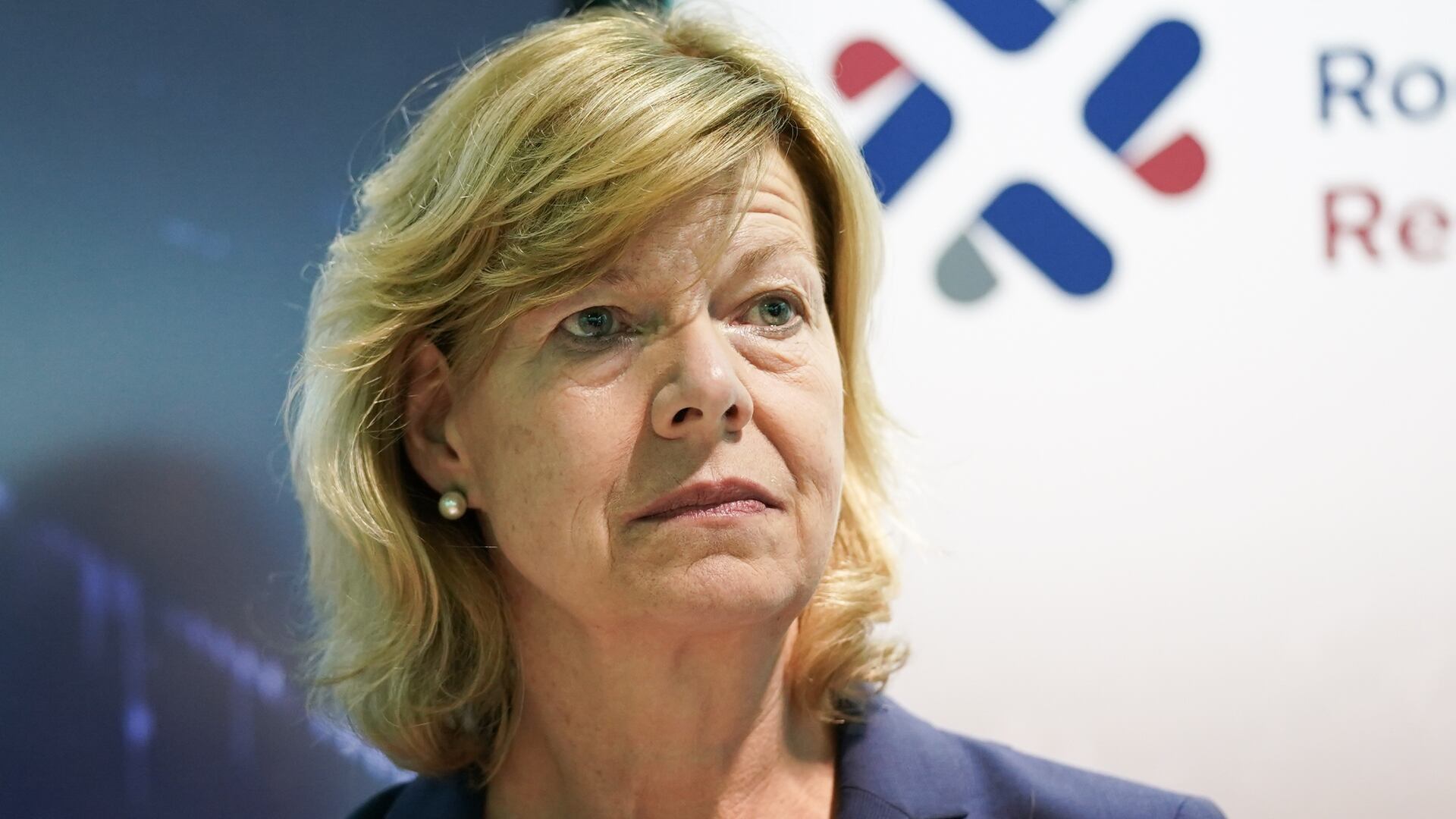
Experts warn that social media is a root cause of mental health issues among many young adults. Sen. Tammy Baldwin (D-Wis.), who co-wrote a letter to TikTok demanding why its algorithms promote toxic content, joined Cheddar to discuss.
The United Nations High Commissioner for Refugees (UNHCR) has reported that an estimated one million people have fled from Ukraine since Russia invaded. Christopher Boian, senior communications officer at UNHCR, joined Cheddar News to report on the current refugee crisis and what the world might expect if conditions continue to worsen. "We have planning figures that forecast as many as four million people could be forced to flee Ukraine," he said. "But that very much depends on how the conflict underway in that country at the moment unfolds in the days and possibly weeks ahead."
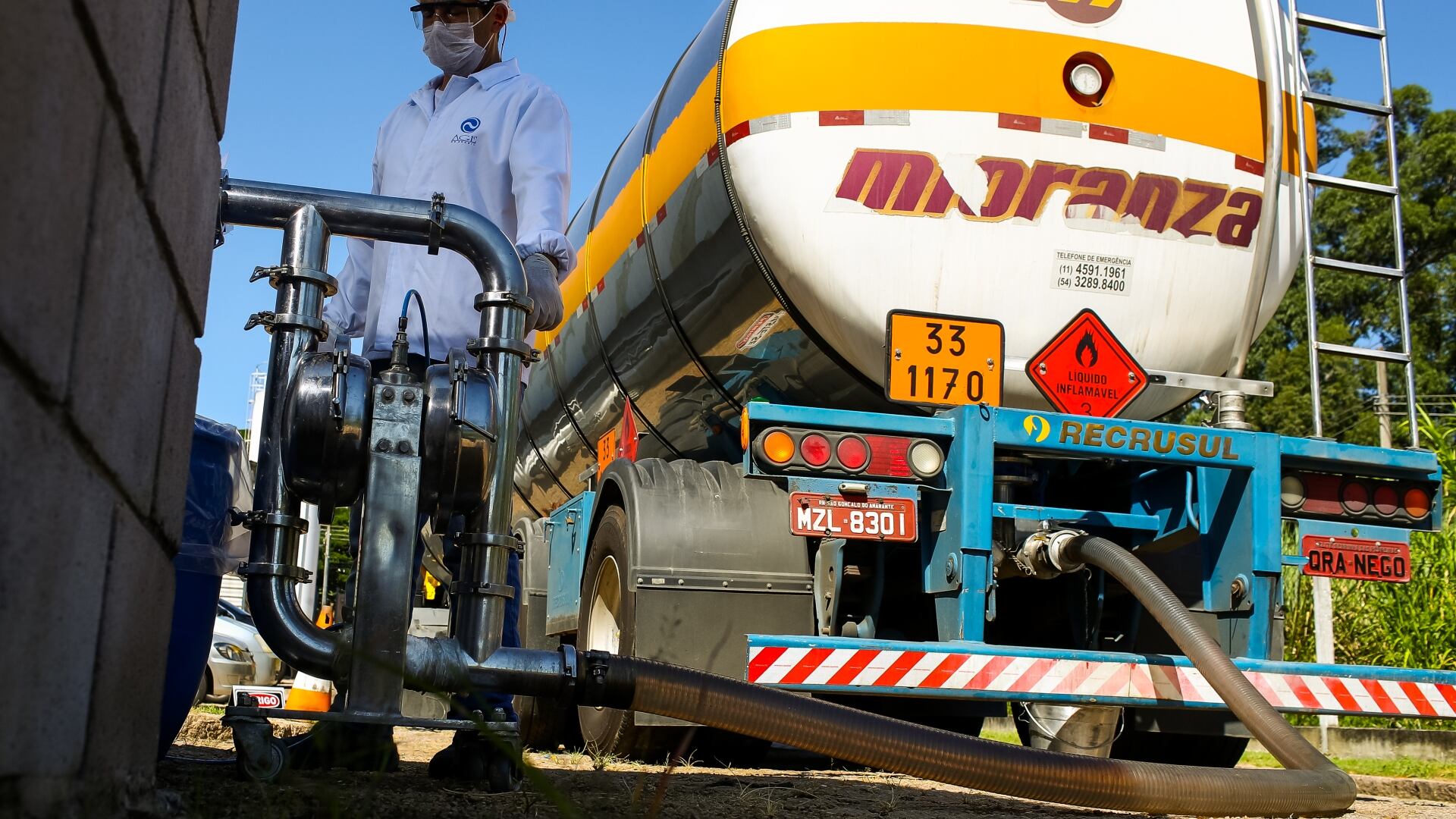
Under the U.S. Renewable Fuel Standard (RFS), corn-based ethanol has been mixed into gasoline sold at pumps in the U.S. since 2005, when a policy was enacted aimed at reducing emissions. Corn-based ethanol had been thought to be a relatively greener energy source compared to other biofuels, but now, a new study published in the Proceedings of the National Academy of Sciences reports it may be actually worse for the climate than straight gasoline. Tyler Lark, an assistant scientist at the University of Wisconsin-Madison's Center for Sustainability, joined Cheddar News' Closing Bell and discussed the pushback against the study. "Essentially when you need to produce more corn to meet the demand for use as ethanol as fuel, farmers respond and they switch more crops like soybeans and wheat into corn," Lark said. "They also bring more land into production, so things that used to be pasture grassland, and both those activities are associated with increased greenhouse gas emissions."
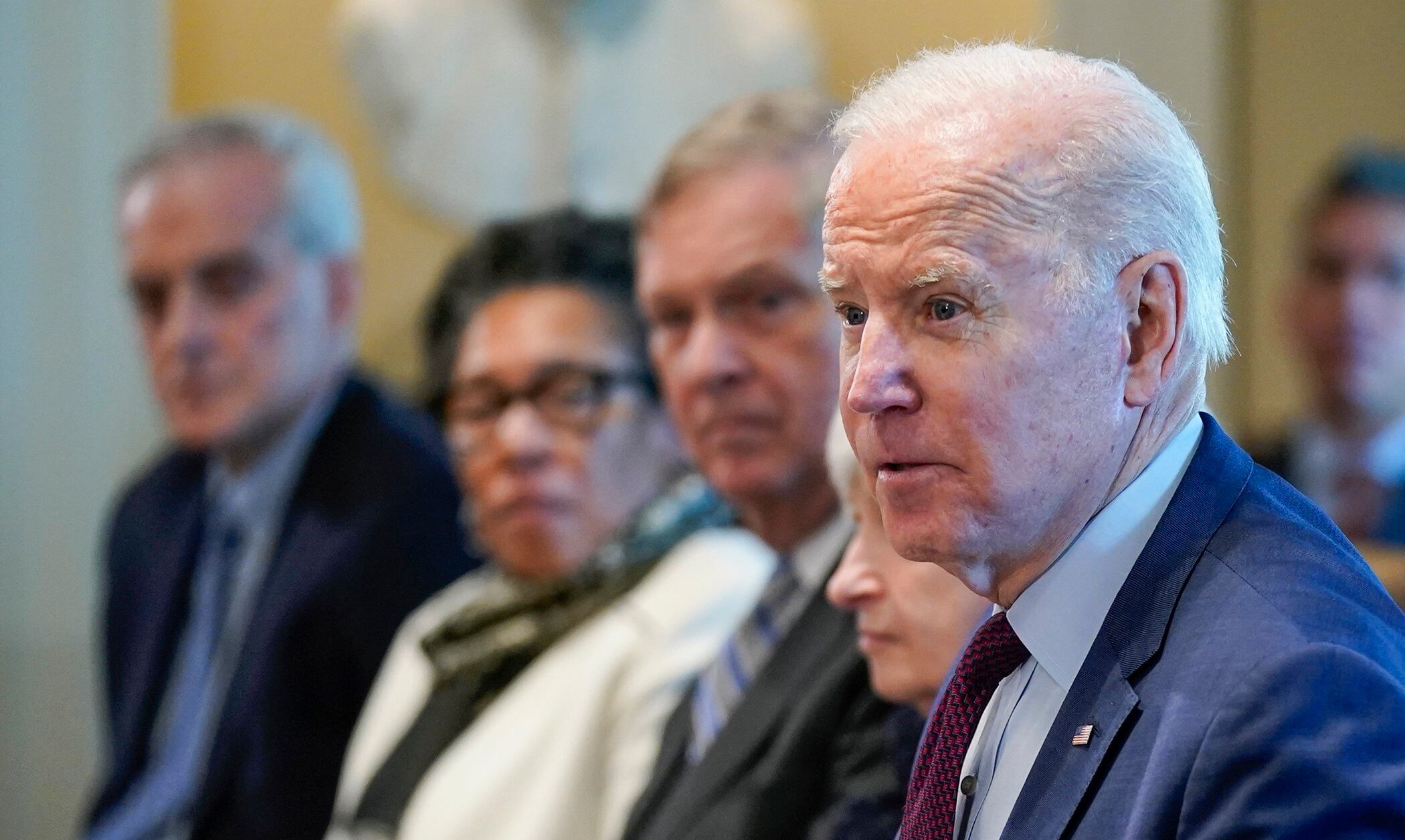
U.S. President Joe Biden’s administration on Thursday announced new sanctions against Russian oligarchs and others in President Vladimir Putin’s inner circle.
Christian Blauvelt, executive managing editor at IndieWire, joins Cheddar News to discuss the growing number of studios pulling content from Russia over Ukraine invasion.
Russian forces are battling for control of a crucial energy-producing city in Ukraine’s south and gaining ground in their bid to cut off the country from the sea.
In the past few years, Betthany Frankel has made a major name for herself as a philanthropist after founding the
BStrong initiative, which has provided relief to people impacted by natural disasters as well as the COVID-19 pandemic. Now, BStrong is shifting its focus to Ukraine, raising millions of dollars in donations for those impacted by Russia's invasion. Bethenny Frankel, the founder of BStrong, joins Cheddar News' Closing Bell to discuss.
Bryan Lee, Chief Investment Officer at Blue Zone Wealth Advisors, joins Cheddar News' Closing Bell, where he elaborates on the volatility we've seen in the markets this week fueled by rising oil prices and the ongoing Russian invasion of Ukraine.