Senate Votes to Save Net Neutrality, but Fate Seems Sealed
*By Alisha Haridasani*
In a last-ditch effort to preserve unfettered access to online content, the Senate voted Wednesday to override the Federal Communications Commission’s decision to scrap net neutrality rules.
All of the Democrats and three Republican Senators voted in favor of the resolution, which was proposed by Senator Ed Markey, Democrat of Massachusetts.
"Republicans will rue the day they voted against middle class families, they will rue the day when they voted against the young people who are so familiar with the internet and you can be sure that we Democrats will remind the people of this vote over and over again," said Senator Chuck Schumer, the Senate minority leader, who has his eye on the midterm elections in November.
The resolution heads to the House, where it faces stronger opposition. Only 161 Representatives have publicly indicated that they would vote in favor of the resolution, 57 short of a majority.
There is still a chance that lawmakers who want to preserve net neutrality could convince more of their colleagues to join them because the issue resonates widely with voters, said Andrew Wyrich, a politics staff writer at The Daily Dot. A number of [polls](http://thehill.com/policy/technology/364528-poll-83-percent-of-voters-support-keeping-fccs-net-neutrality-rules) show strong support ー among Democrats and Republicans ー for maintaining net neutrality.
"A lot of people didn't think that it would happen in the Senate so I think anything can happen," said Wyrich.
Net neutrality rules were put in place by the Obama administration in 2015, ensuring that internet service providers give equal access to all content online, regardless of who produces it or where it comes from. The F.C.C. decided in December to abandon the rules, and they officially expired last month.
Supporters of net neutrality, including the tech companies Amazon, Google, Netflix, and Facebook, have said that stripping away these rules would give internet service providers the power to charge some websites or services more for speedier access. The chairman of the F.C.C., Ajit Pai, who has been a vocal critic of net neutrality, has said the rules hurt the companies that build the internet's infrastructure, and stifle innovation and limit investment.
“It’s going to hurt the little guy,” said Representative Jim Langevin, a Democrat from Rhode Island. Net neutrality allows “small entrepreneurs to have the same amount of access that big companies do,” he said.
Though a majority of Americans support net neutrality, Pai, the F.C.C. chairman, has said the rules were "heavy-handed."
For the full interview, [click here](https://cheddar.com/videos/senate-votes-to-keep-net-neutrality-rules).
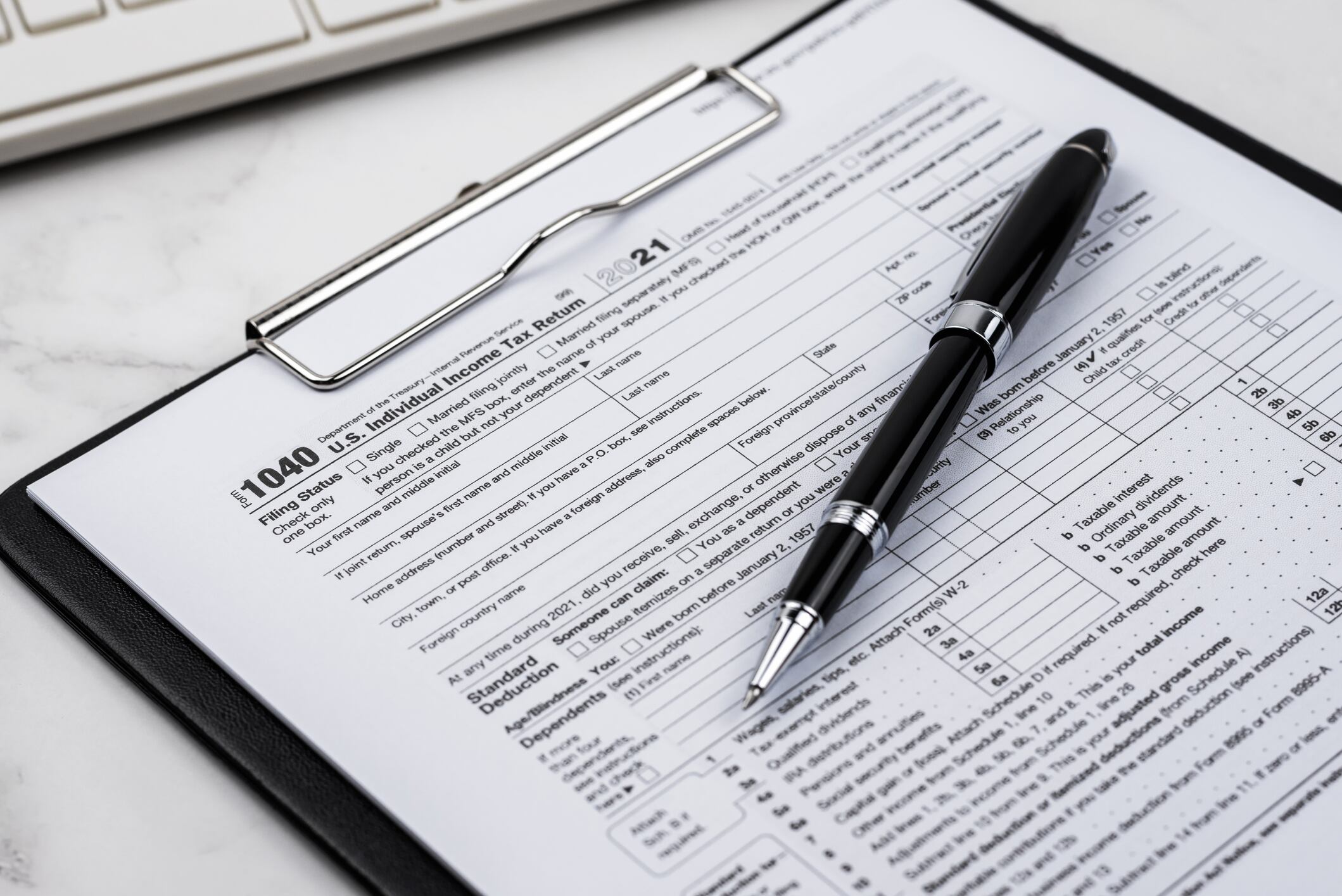
The tax deadline in the U.S. is on April 18 this year, and some filers may still not be able to complete their return by then. Cheddar has partnered with Jackson Hewitt to let you know what you can do should you blow the deadline.
With tax day just five days away, David Ragland, Certified Financial Planner, Certified Divorce Financial Analyst and Chief Executive Officer of IRC Wealth joined Cheddar's Opening Bell to break down everything you need to know ahead of the upcoming tax deadline.
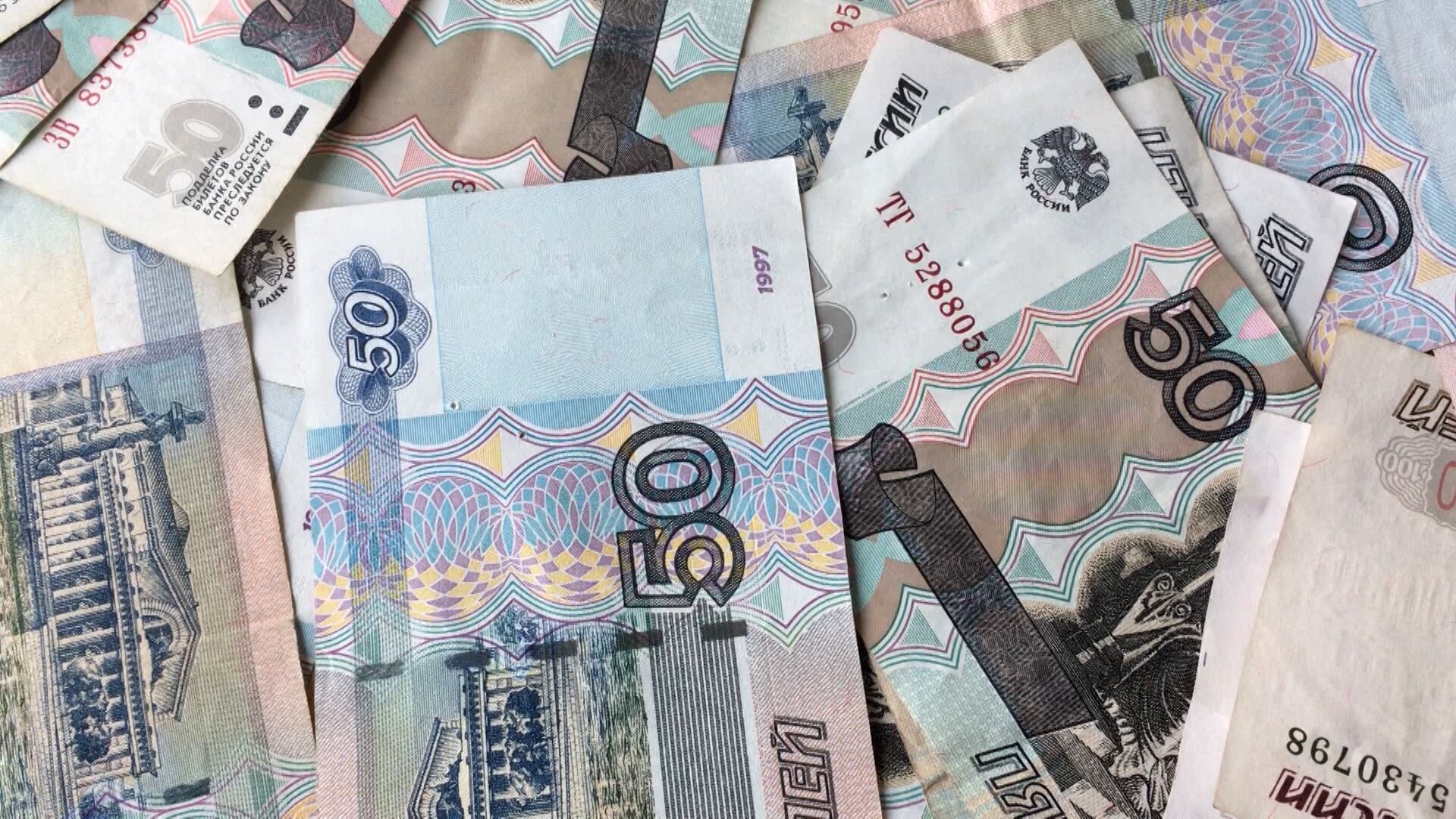
Russia has defaulted on some of its foreign debt as a tidal wave of western sanctions threatens its economy. The credit ratings agency S&P has placed Russia under "selective default" after it tried to pay its latest obligations in rubles. Russia now has a 30-day grace period to resolve the issue, but Moscow is threatening to take legal action. George Seay, Annandale Capital's CEO, joined Cheddar to break down what this means, and how Russia defaulting on its debt might impact the global economy.
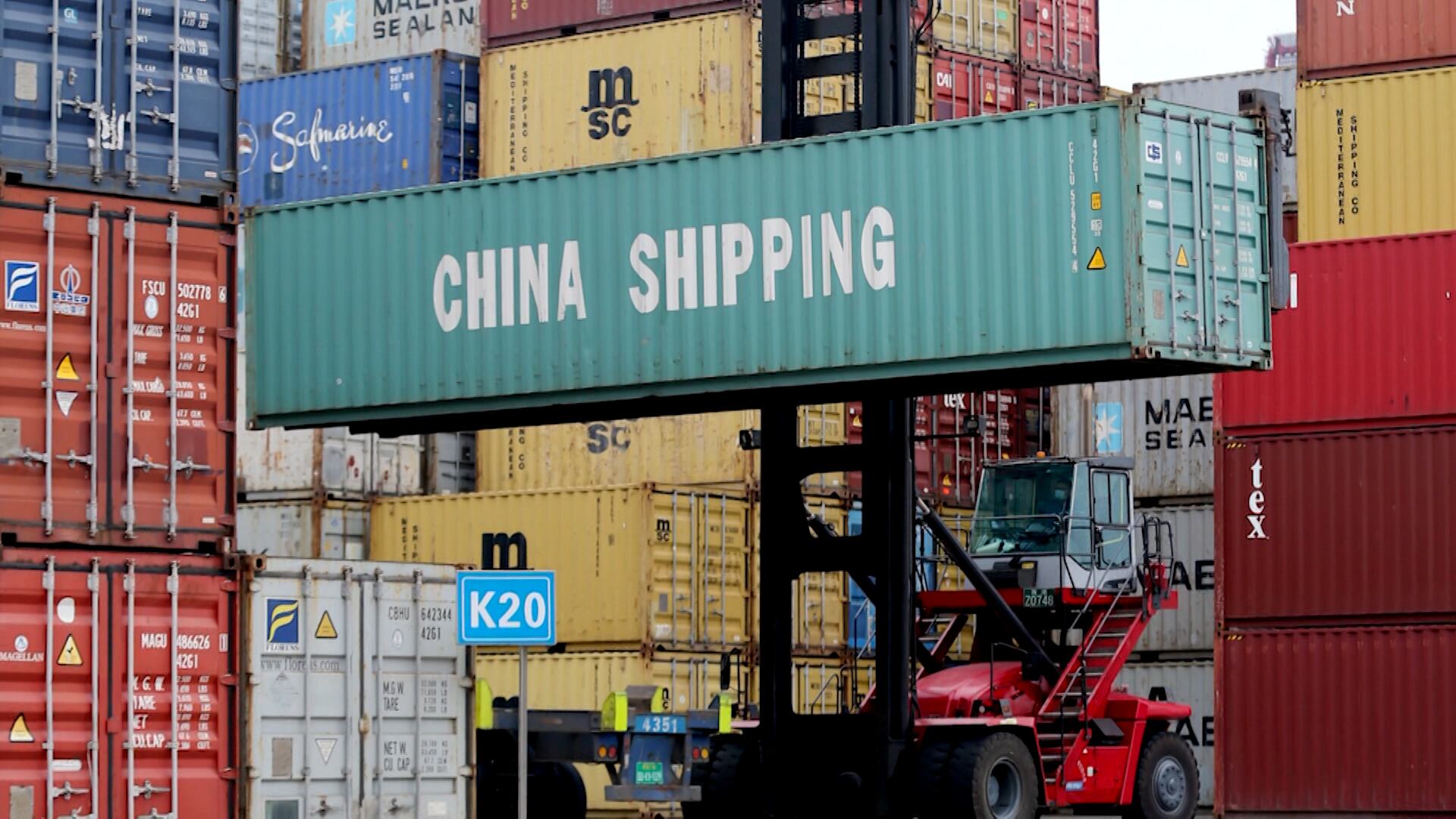
China's zero-covid policy may pose a wide-ranging threat to the local, and overseas economy. Analysts voicing concern on the strict lockdown in Shanghai as businesses and ports remain shuttered, potentially threatening the global supply chain. Shehzad H. Qazi, Managing Director, China Beige Book International joined Cheddar's Opening Bell to discuss.
The consumer price index in March rose by 8.5% from a year ago, the fastest annual gain since December 1981 and one-tenth of a percentage point above the estimate. The rise in prices is driven by strong consumer demand, supply-chain disruptions and skyrocketing energy costs related to Russia's invasion of Ukraine. Heather Boushey, Council of Economic Advisers Member for President Biden, joined Cheddar's Opening Bell to give her reaction to the latest inflation numbers.
As China faces backlash from its response to Russia's invasion of Ukraine, the U.S. is strengthening its relationship with India. India is expected to become one of the top three economic powers in the world over the next 10 to 15 years, bolstered by technological advances and the manufacturing sector. Samir Kapadia, CEO and Principal of The Vogel Group, joined Cheddar to discuss the state of India's economy, and how it can only grow from here.
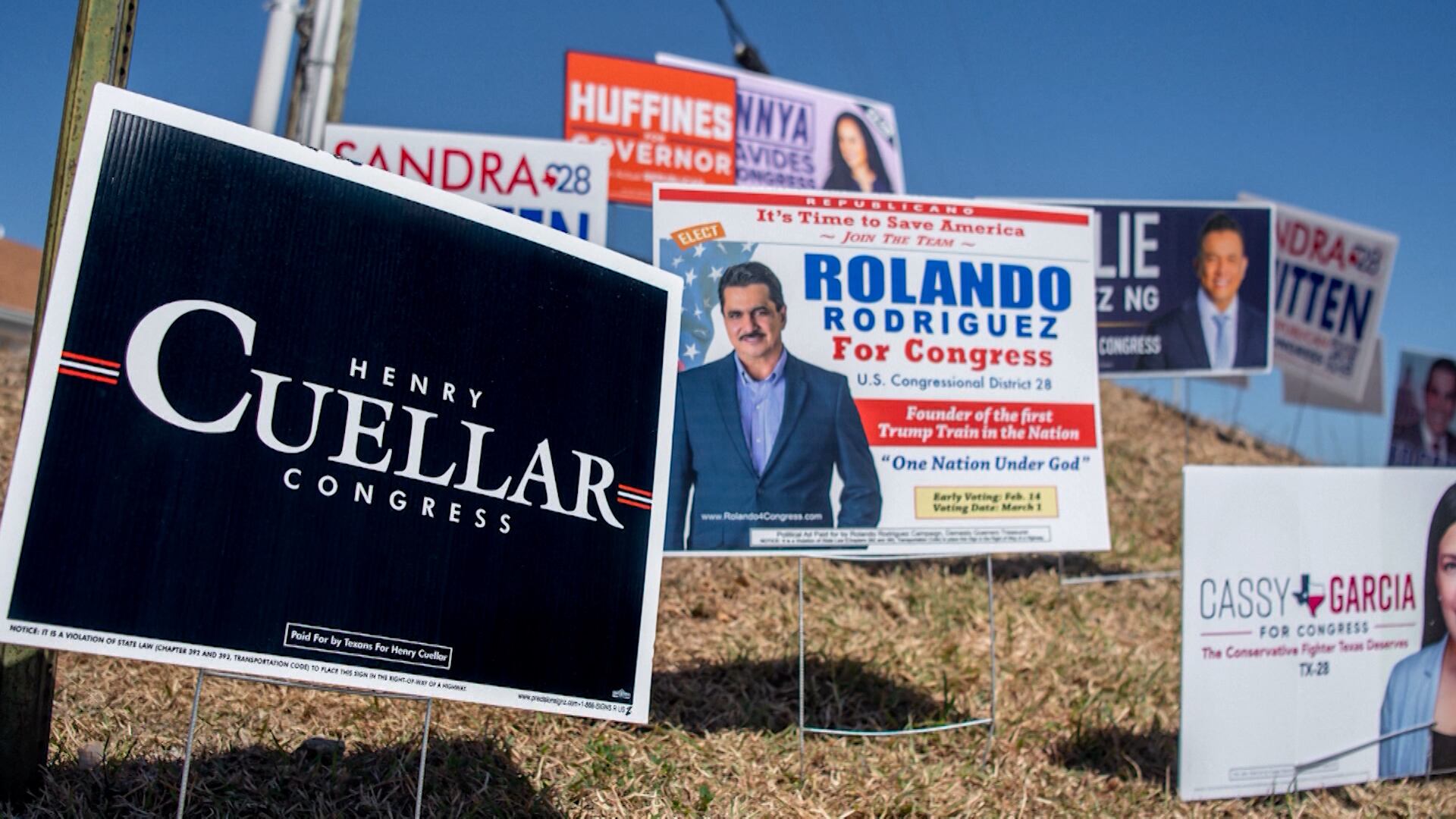
With the midterms just a few months away, record-setting inflation is weighing on the minds of voters. According to a recent CNN poll, a majority of voters said the state of the economy will play a key role in how they cast their ballot, and 55% said the same of inflation. Joseph Zeballos-Roig, Economic Policy Reporter for Insider, joined Cheddar to discuss how inflation could shape the 2022 midterms, and ultimately determine the balance of power in Congress.
The Brooklyn subway attack is the latest in a string of high-profile crimes that have plagued New York City. The surge in crime comes as cities across the country are trying to recover from the pandemic and bring life back to a sense of normal. Joseph Giacalone, professor at John Jay College and retired NYPD sergeant, joined Cheddar's Opening Bell to explain what's behind the rise in crime, and what can be done about it.
After failing to take control of northern and western Ukraine, Russia is shifting its focus to the east. As both sides continue to pour reinforcements into the region, officials are expecting more conventional combat involving tanks, artillery, and aircraft that could shape the war's biggest battles yet. Doug Collins, a former Georgia congressman, joined Cheddar to discuss the change in Russia's tactics.