Senate Votes to Save Net Neutrality, but Fate Seems Sealed
*By Alisha Haridasani*
In a last-ditch effort to preserve unfettered access to online content, the Senate voted Wednesday to override the Federal Communications Commission’s decision to scrap net neutrality rules.
All of the Democrats and three Republican Senators voted in favor of the resolution, which was proposed by Senator Ed Markey, Democrat of Massachusetts.
"Republicans will rue the day they voted against middle class families, they will rue the day when they voted against the young people who are so familiar with the internet and you can be sure that we Democrats will remind the people of this vote over and over again," said Senator Chuck Schumer, the Senate minority leader, who has his eye on the midterm elections in November.
The resolution heads to the House, where it faces stronger opposition. Only 161 Representatives have publicly indicated that they would vote in favor of the resolution, 57 short of a majority.
There is still a chance that lawmakers who want to preserve net neutrality could convince more of their colleagues to join them because the issue resonates widely with voters, said Andrew Wyrich, a politics staff writer at The Daily Dot. A number of [polls](http://thehill.com/policy/technology/364528-poll-83-percent-of-voters-support-keeping-fccs-net-neutrality-rules) show strong support ー among Democrats and Republicans ー for maintaining net neutrality.
"A lot of people didn't think that it would happen in the Senate so I think anything can happen," said Wyrich.
Net neutrality rules were put in place by the Obama administration in 2015, ensuring that internet service providers give equal access to all content online, regardless of who produces it or where it comes from. The F.C.C. decided in December to abandon the rules, and they officially expired last month.
Supporters of net neutrality, including the tech companies Amazon, Google, Netflix, and Facebook, have said that stripping away these rules would give internet service providers the power to charge some websites or services more for speedier access. The chairman of the F.C.C., Ajit Pai, who has been a vocal critic of net neutrality, has said the rules hurt the companies that build the internet's infrastructure, and stifle innovation and limit investment.
“It’s going to hurt the little guy,” said Representative Jim Langevin, a Democrat from Rhode Island. Net neutrality allows “small entrepreneurs to have the same amount of access that big companies do,” he said.
Though a majority of Americans support net neutrality, Pai, the F.C.C. chairman, has said the rules were "heavy-handed."
For the full interview, [click here](https://cheddar.com/videos/senate-votes-to-keep-net-neutrality-rules).
Ryan Thoreson, an LGBT rights researcher at Human Rights Watch, joins Cheddar Politics to discuss claims of grooming made by Republican politicians during efforts to pass so-called 'Don't Say Gay' bills.
Zachary Petrizzo, media reporter at The Daily Beast, joins Cheddar Politics to discuss former President Trump's endorsement of Dr. Oz in the U.S. Senate race in Pennsylvania, and why some parts of the MAGA base are unhappy about it.
Larry Sharpe, libertarian candidate for New York governor, joins Cheddar Politics to talk about the issues motivating his campaign. The discusses his endorsement from the progressive Forward party founded by former presidential candidate Andrew Yang, and changes that can be made to voting systems.
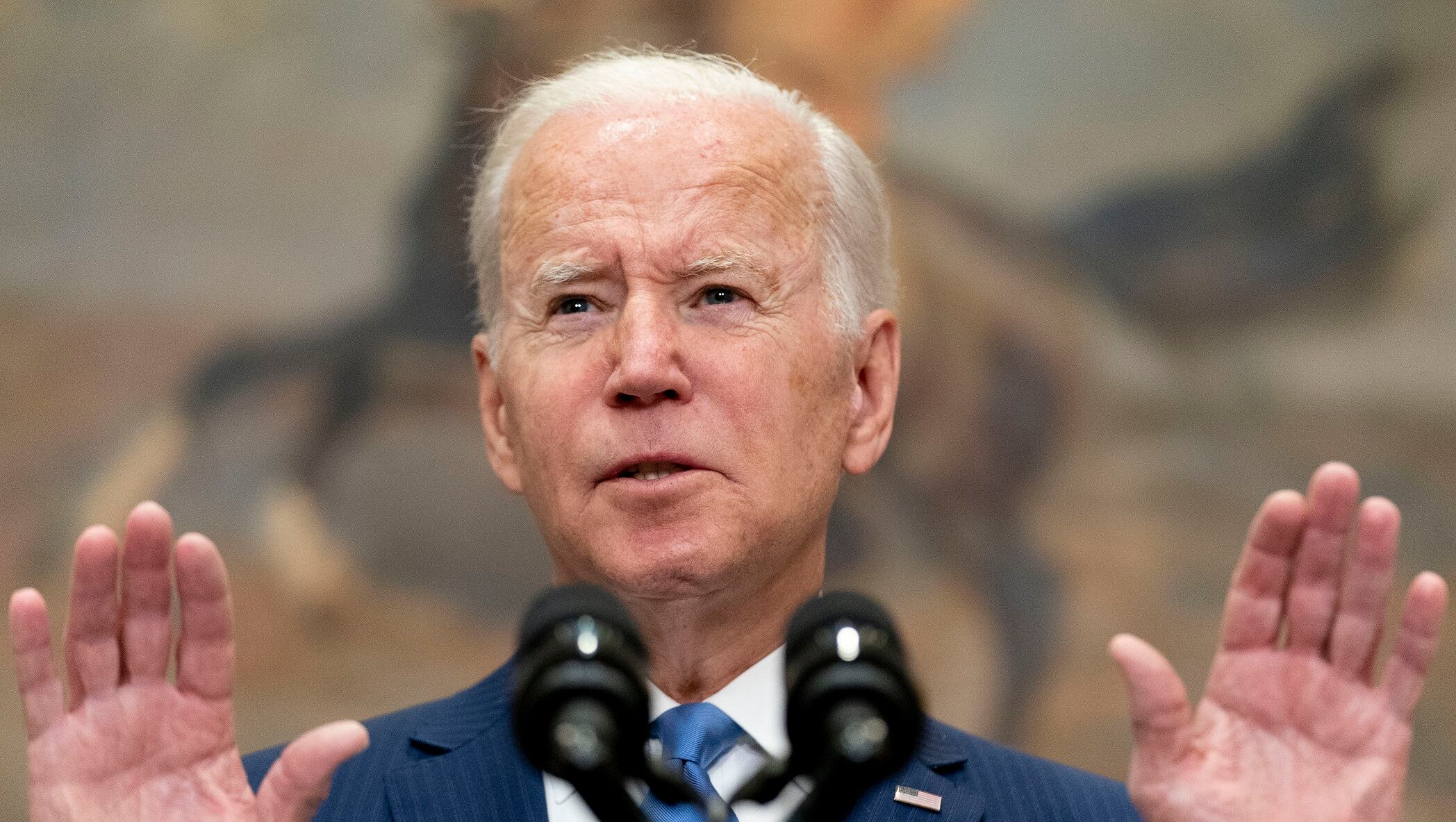
Cheddar Politics breaks down the seismic shift in White House rhetoric surrounding Russia's war on Ukraine. President Biden began calling the alleged war crimes committed by Russian soldiers in the Kyiv region "genocide." Foreign policy and national security analyst A. Ari Aramesh joins Cheddar News to discuss what constitutes genocide and whether the developments in Ukraine qualify.
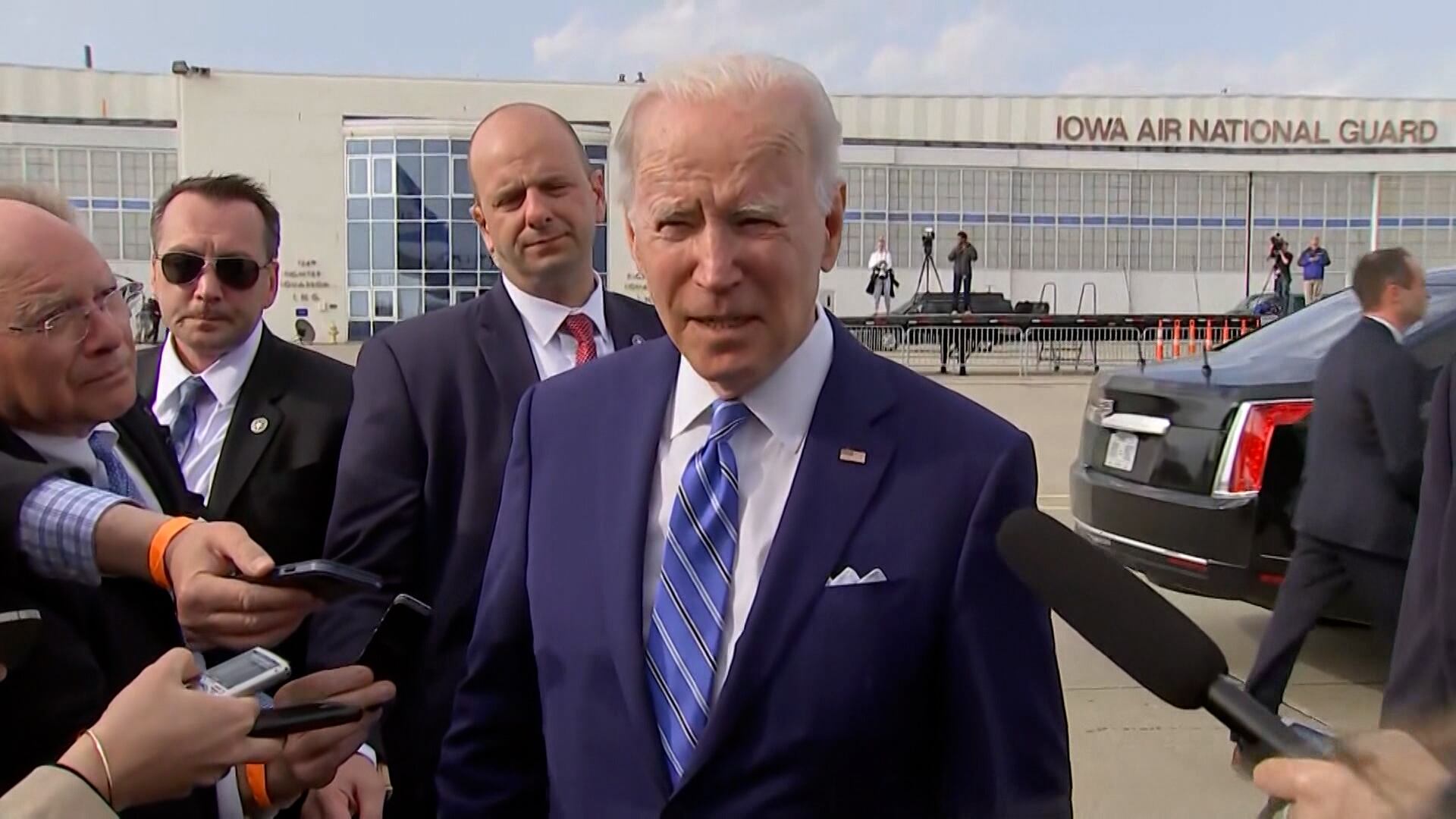
President Joe Biden said he is considering forgiving some federal student debt, a step that would help him fulfill a campaign promise and provide relief to borrowers who took out thousands of dollars in loans to finance their higher education.
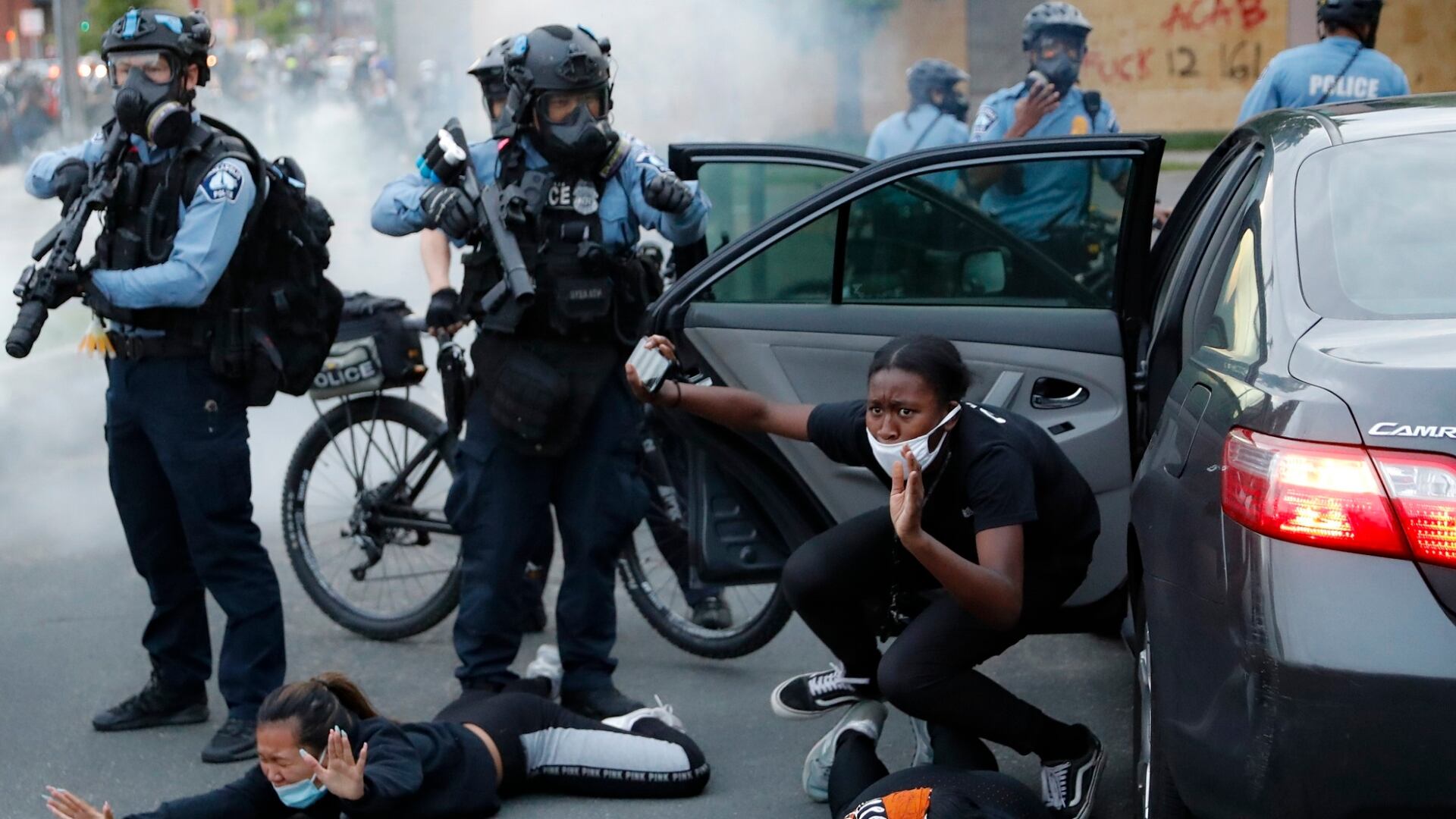
Catching you up on what you need to know on April 28, 2022, with Elon Musk mocking Twitter's top legal exec Vijaya Gadde on the platform itself, a probe in George Floyd's death finding discrimination within the Minneapolis police force, the latest California drought leading to new water restrictions, and more.
Tech giant Microsoft won a military contract for the production of its IVAS (integrated visual augmentation system) combat goggles, based on its HoloLens ARG tech, worth up to $21.9 billion over 10 years. However, the Pentagon is now saying that the device "has not yet demonstrated the capability to serve as a fighting goggle," and that the Army made mistakes in the program's initial stages by not clearly describing minimum performance standards. While testing continues, concerns have grown outside of the Defense Department to Congress and even within Microsoft itself. Cheddar's Ken Buffa takes a deeper look at the possible boondoggle.
U.S. stocks fell sharply to close Tuesday's session, with the Nasdaq dropping 3.95% and hitting a new one-year low. Frances Newton Stacy, Director of Strategy for Optimal Capital, joins Cheddar News to discuss her reaction to how markets closed the session, and to break down Q3 2022 earnings from Microsoft. "Netflix was sort of the big warning, and I think Big Tech was down today in anticipation of these earnings," she says.