Senate Votes to Save Net Neutrality, but Fate Seems Sealed
*By Alisha Haridasani*
In a last-ditch effort to preserve unfettered access to online content, the Senate voted Wednesday to override the Federal Communications Commission’s decision to scrap net neutrality rules.
All of the Democrats and three Republican Senators voted in favor of the resolution, which was proposed by Senator Ed Markey, Democrat of Massachusetts.
"Republicans will rue the day they voted against middle class families, they will rue the day when they voted against the young people who are so familiar with the internet and you can be sure that we Democrats will remind the people of this vote over and over again," said Senator Chuck Schumer, the Senate minority leader, who has his eye on the midterm elections in November.
The resolution heads to the House, where it faces stronger opposition. Only 161 Representatives have publicly indicated that they would vote in favor of the resolution, 57 short of a majority.
There is still a chance that lawmakers who want to preserve net neutrality could convince more of their colleagues to join them because the issue resonates widely with voters, said Andrew Wyrich, a politics staff writer at The Daily Dot. A number of [polls](http://thehill.com/policy/technology/364528-poll-83-percent-of-voters-support-keeping-fccs-net-neutrality-rules) show strong support ー among Democrats and Republicans ー for maintaining net neutrality.
"A lot of people didn't think that it would happen in the Senate so I think anything can happen," said Wyrich.
Net neutrality rules were put in place by the Obama administration in 2015, ensuring that internet service providers give equal access to all content online, regardless of who produces it or where it comes from. The F.C.C. decided in December to abandon the rules, and they officially expired last month.
Supporters of net neutrality, including the tech companies Amazon, Google, Netflix, and Facebook, have said that stripping away these rules would give internet service providers the power to charge some websites or services more for speedier access. The chairman of the F.C.C., Ajit Pai, who has been a vocal critic of net neutrality, has said the rules hurt the companies that build the internet's infrastructure, and stifle innovation and limit investment.
“It’s going to hurt the little guy,” said Representative Jim Langevin, a Democrat from Rhode Island. Net neutrality allows “small entrepreneurs to have the same amount of access that big companies do,” he said.
Though a majority of Americans support net neutrality, Pai, the F.C.C. chairman, has said the rules were "heavy-handed."
For the full interview, [click here](https://cheddar.com/videos/senate-votes-to-keep-net-neutrality-rules).
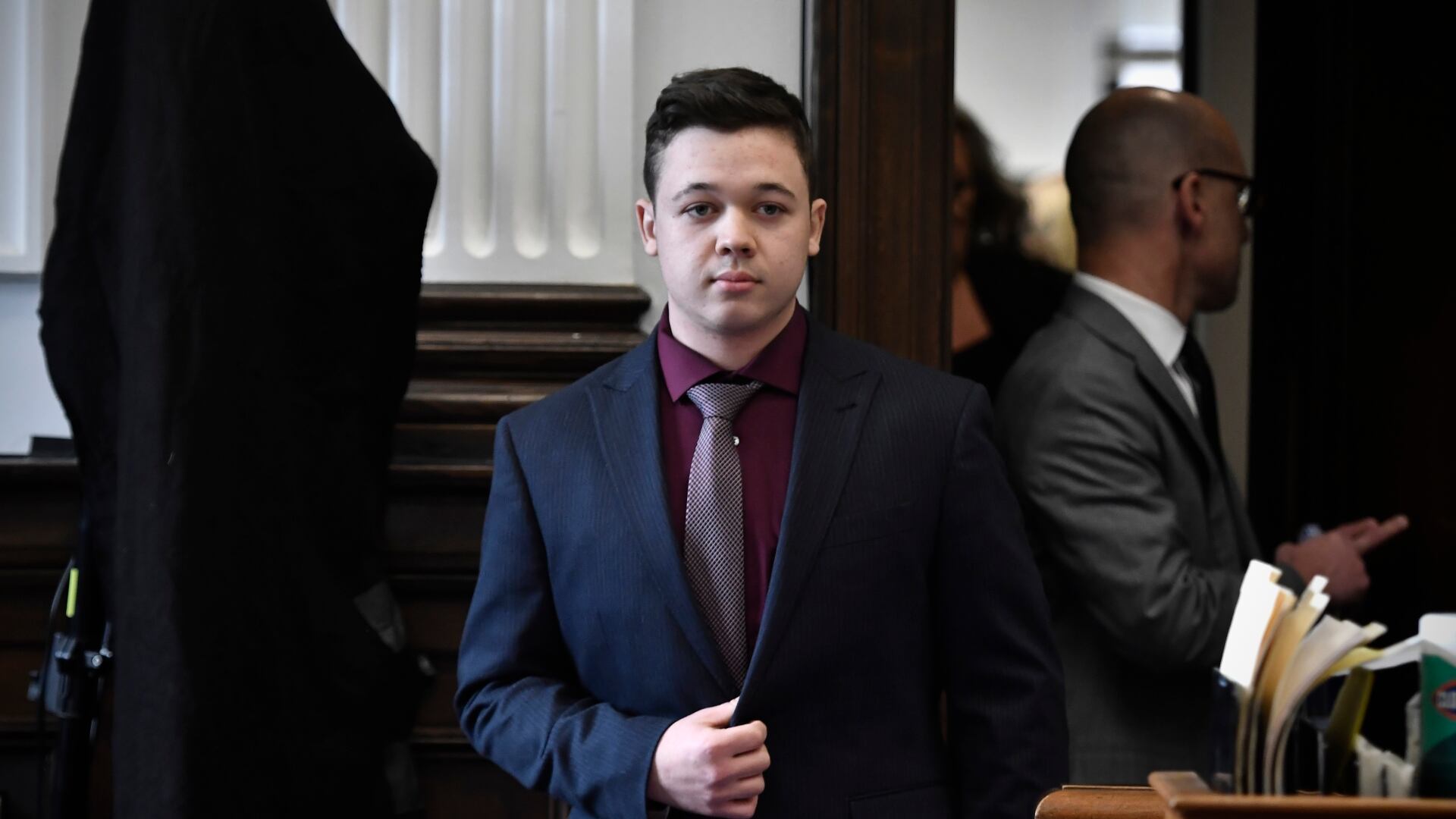
Jill and Carlo are a bit delayed today on account of Carlo's internet not working. Better late than never, they discuss what we know about the suspect in the Christmas parade crash, closing arguments in the Arbery killing trial, and more.
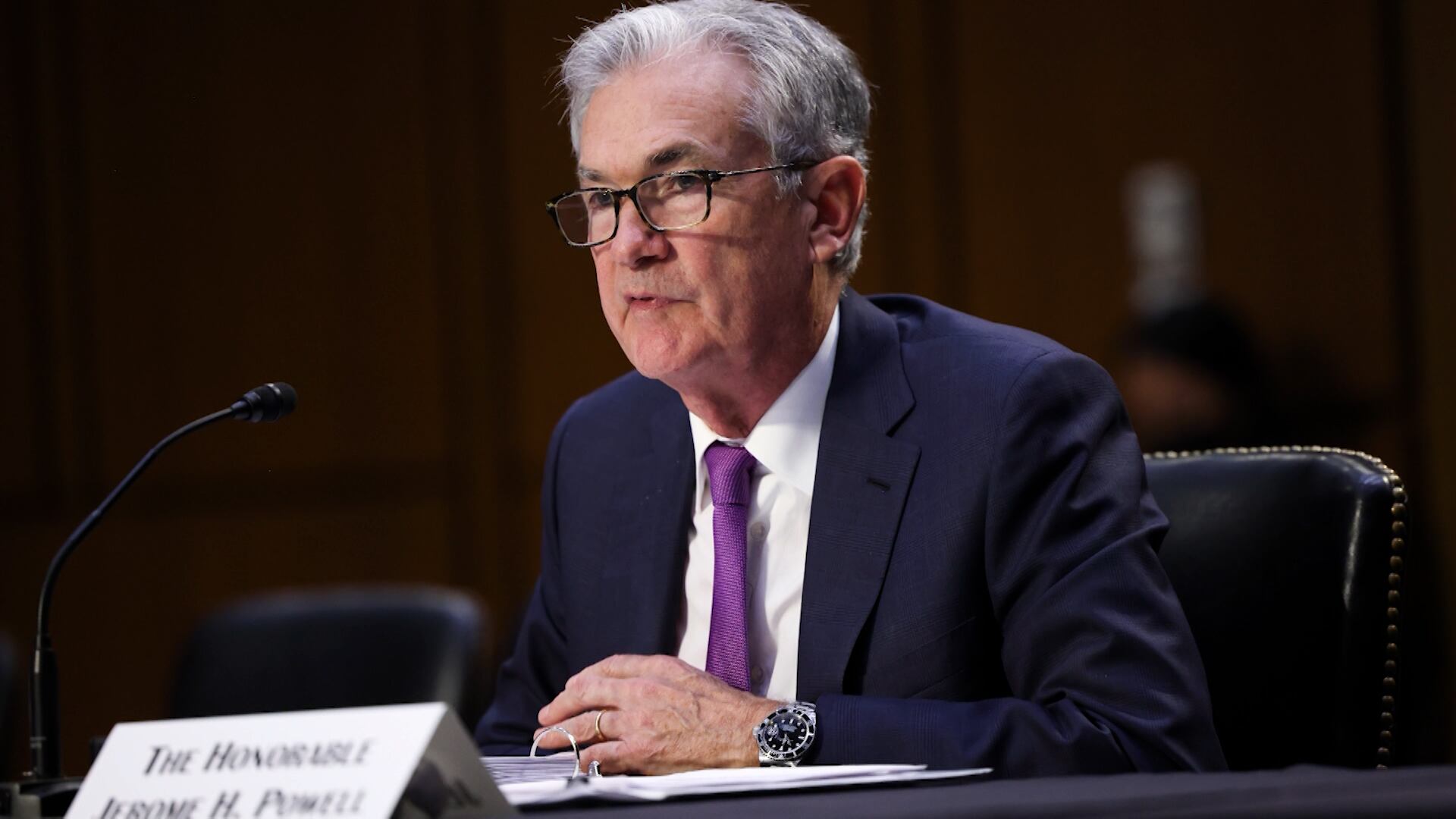
Stocks began the week closing at session lows on a day when bond yields rose and President Biden decided to stick with Jerome Powell as Fed Chair. Bryan Lee, Chief Investment Officer at Blue Zone Wealth Advisors, joins Cheddar News' Closing Bell, where he breaks down the day's activity and discusses what the Fed now needs to do going forward.
President Joe Biden announced Monday he is re-nominating Federal Reserve Chairman Jerome Powell after weeks of speculation that he would choose Democrat and Fed Governor Lael Brainard to fill the role. Biden could be looking for continuity as the U.S. continues to grapple with COVID-19 and high inflation, and investors could be on the same page: markets and treasuries ticked up after the White House made the announcement. MarketWatch Senior Reporter Greg Robb joins Cheddar News' Closing Bell to discuss Powell's re-nomination, what we can expect from the Fed's December meeting, whether it will speed up its taper timeline, and more.
President Joe Biden named Jerome Powell, initially appointed by President Trump, to keep his seat as the chair of the Federal Reserve on Monday amid the ongoing challenges of the pandemic, inflation, and unemployment. David Beckworth, a former international economist for the Treasury Department and a senior fellow with the Mercatus Center, joined Cheddar to discuss what he sees as the practicality of Biden's decision. "What Powell brings to the table is he's built up political capital with Republicans and Democrats," he said. "It's easy for him to get the job done. I think in one way he was the path of least resistance for the president."
In a surprise turn of events, Elizabeth Holmes took the stand in her own defense on Friday and is expected to continue her testimony later today. Holmes, who founded a blood testing start-up Theranos back in 2003, faces 11 counts of wire fraud as well as conspiracy to commit wire fraud. Aron Solomon, Chief Legal Analyst, Esquire Digital joined Cheddar's Opening Bell to discuss.
Jill and Carlo cover the developing story out of suburban Milwaukee, where a speeding SUV careened through a Christmas parade. Looters get more brazen in San Francisco, the missing Chinese tennis star resurfaces, and more.
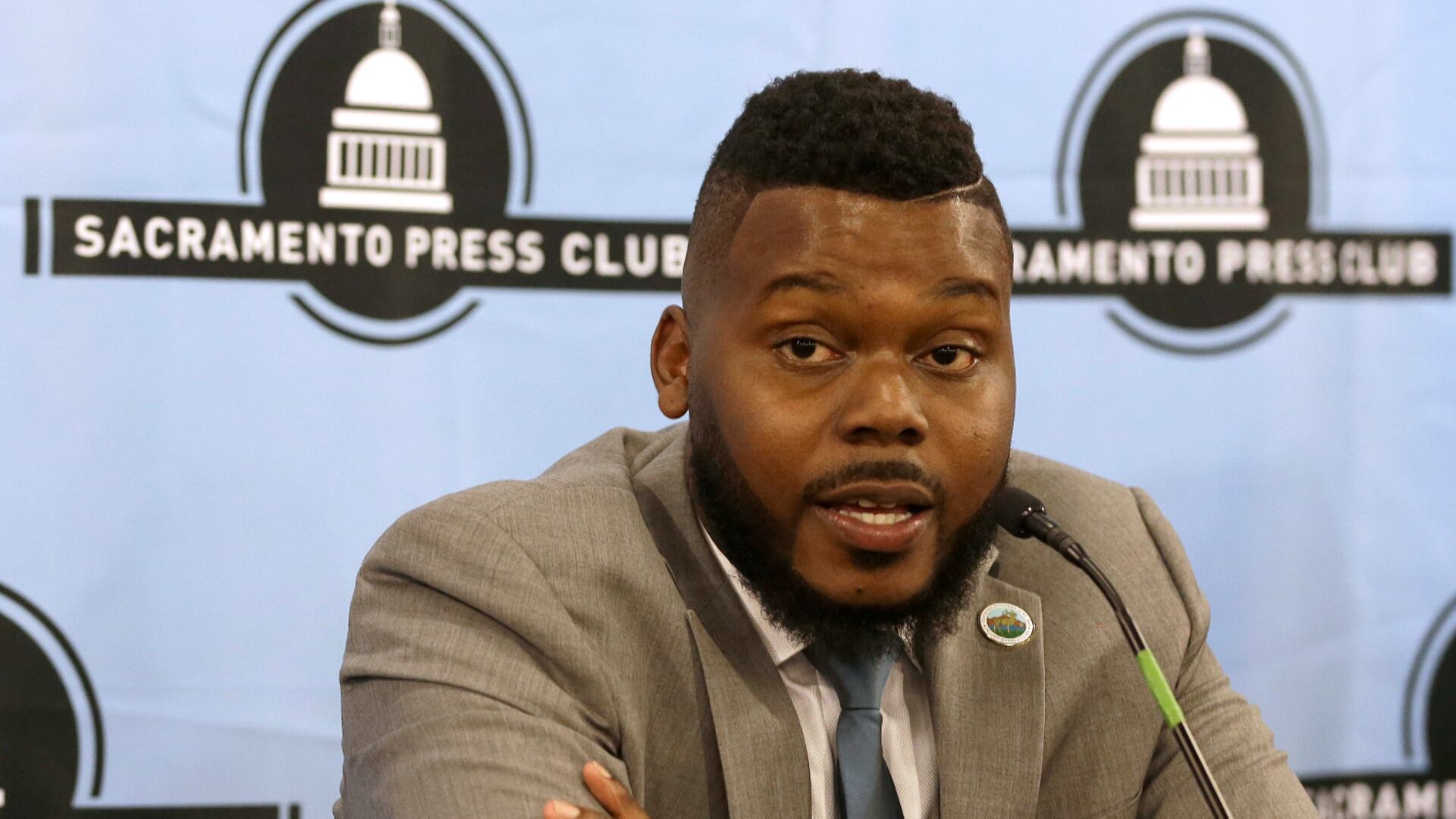
Michael Tubbs, former Mayor of Stockton, California and author of 'The Deeper the Roots,' joined Cheddar Movers to talk all about his new memoir, and his ongoing fight to make meaningful change in his community.