Senate Votes to Save Net Neutrality, but Fate Seems Sealed
*By Alisha Haridasani*
In a last-ditch effort to preserve unfettered access to online content, the Senate voted Wednesday to override the Federal Communications Commission’s decision to scrap net neutrality rules.
All of the Democrats and three Republican Senators voted in favor of the resolution, which was proposed by Senator Ed Markey, Democrat of Massachusetts.
"Republicans will rue the day they voted against middle class families, they will rue the day when they voted against the young people who are so familiar with the internet and you can be sure that we Democrats will remind the people of this vote over and over again," said Senator Chuck Schumer, the Senate minority leader, who has his eye on the midterm elections in November.
The resolution heads to the House, where it faces stronger opposition. Only 161 Representatives have publicly indicated that they would vote in favor of the resolution, 57 short of a majority.
There is still a chance that lawmakers who want to preserve net neutrality could convince more of their colleagues to join them because the issue resonates widely with voters, said Andrew Wyrich, a politics staff writer at The Daily Dot. A number of [polls](http://thehill.com/policy/technology/364528-poll-83-percent-of-voters-support-keeping-fccs-net-neutrality-rules) show strong support ー among Democrats and Republicans ー for maintaining net neutrality.
"A lot of people didn't think that it would happen in the Senate so I think anything can happen," said Wyrich.
Net neutrality rules were put in place by the Obama administration in 2015, ensuring that internet service providers give equal access to all content online, regardless of who produces it or where it comes from. The F.C.C. decided in December to abandon the rules, and they officially expired last month.
Supporters of net neutrality, including the tech companies Amazon, Google, Netflix, and Facebook, have said that stripping away these rules would give internet service providers the power to charge some websites or services more for speedier access. The chairman of the F.C.C., Ajit Pai, who has been a vocal critic of net neutrality, has said the rules hurt the companies that build the internet's infrastructure, and stifle innovation and limit investment.
“It’s going to hurt the little guy,” said Representative Jim Langevin, a Democrat from Rhode Island. Net neutrality allows “small entrepreneurs to have the same amount of access that big companies do,” he said.
Though a majority of Americans support net neutrality, Pai, the F.C.C. chairman, has said the rules were "heavy-handed."
For the full interview, [click here](https://cheddar.com/videos/senate-votes-to-keep-net-neutrality-rules).
Just days after the detection of the Omicron variant, the World Health Organization has agreed to start the process of establishing a global pandemic treaty or accord. Amy Maxmen, senior reporter for Nature, and Dr. Samuel Scarpino, managing director for the Rockefeller Foundation's Pandemic Prevention Institute, joined Cheddar to discuss this effort and what lessons can be learned from the many COVID-19 failures as the world prepares for future pandemics.
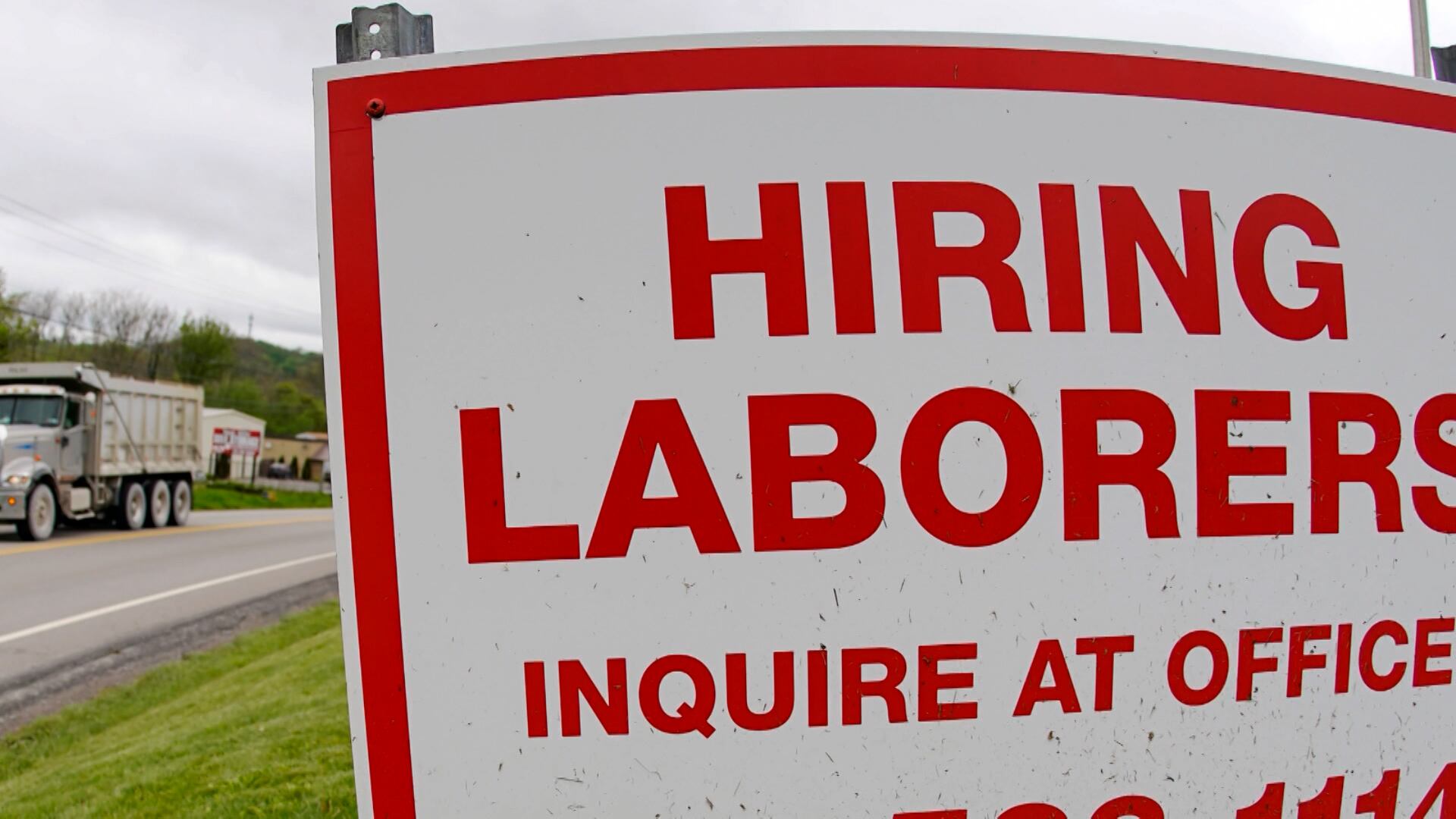
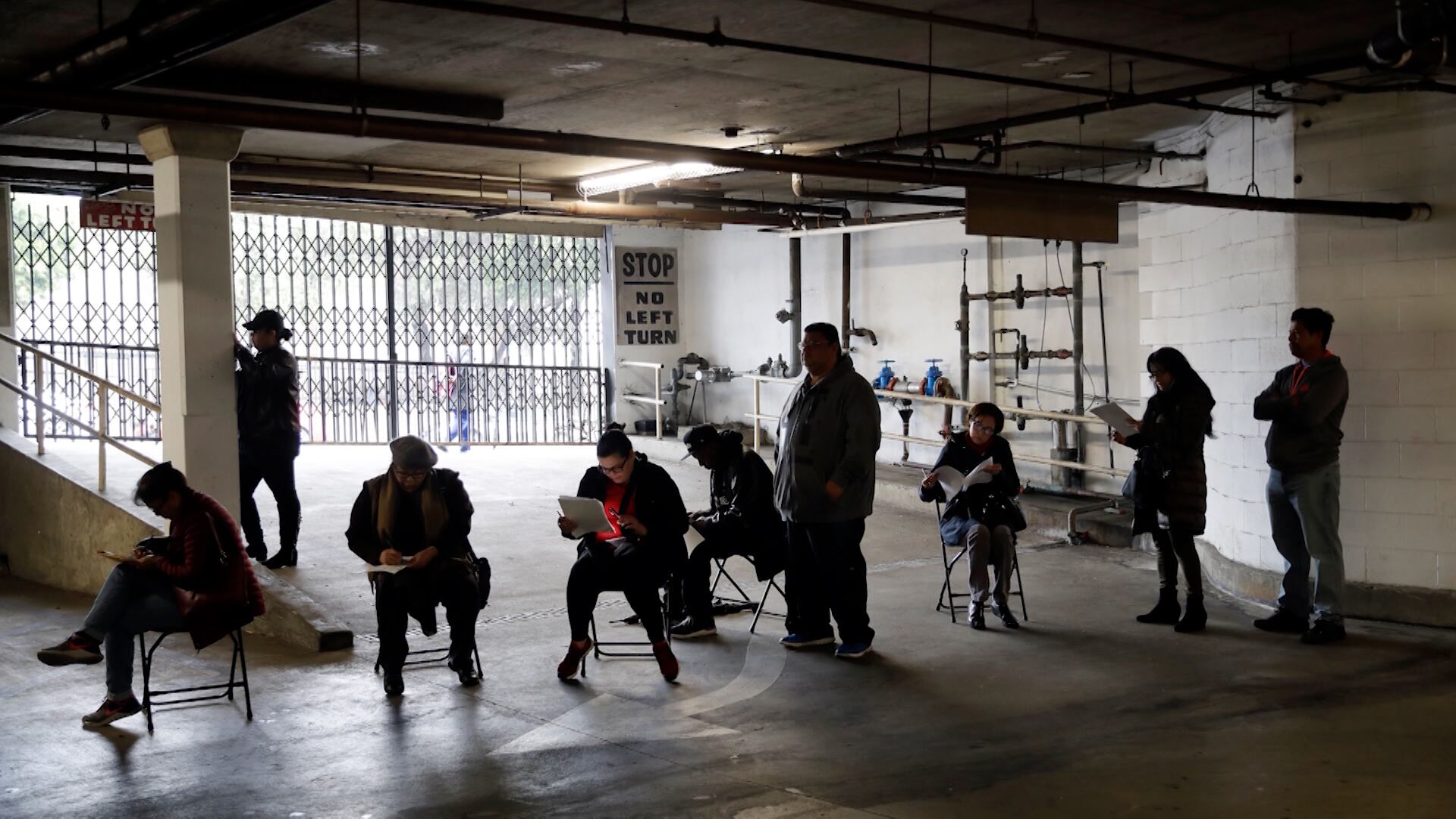
It's a mixed bag for the November jobs report. Hiring slowed last month as employers only added 210,000 jobs, massively missing the estimate of 550,000. But there was one bright spot: the unemployment rate fell to 4.2%, with the number of unemployed people dropping to 6.9 million. Both of those numbers are considerably down from their highs at the end of the 2020 recession. Heather Boushey, a member of President Biden's Council of Economic Advisers, joined Cheddar to discuss the report and the state of the country's ongoing economic recovery.
As the U.S. continues to face supply chain shortages, President Joe Biden is reassuring U.S. consumers that the supply chain is in "very strong shape" ahead of the all-important holiday season. As supply bottlenecks start to show signs of improvement, the industry may be faced with yet another challenge: the Omicron variant. Rob Caucci, Co-Founder & Co-CEO of Fillogic joined Cheddar's Opening Bell to discuss.
Markets rebounded Monday morning after Friday's deep sell-off that saw the Dow suffer its worse day since 2020. It comes as investors continue to react to the impact of the omicron variant on the broader reopening. Eddie Ghabour, Co-Owner at the Key Advisors Group joined Cheddar's Opening Bell to discuss.
Markets bounced back this morning with travel leading the gains after plunging on Monday as the first case of Omicron was detected in the U.S. Jimmy Lee, CEO, Wealth Consulting Group joined Cheddar's Opening Bell to discuss.
The market saw investors react to comments by the World Health Organization's chief scientist, who suggested existing vaccines are likely to offer protection against the new variant. According to Thomas Hayes, chairman of Great Hill Capital, the next two weeks will be crucial as the markets watch for not only the effects of the Omicron variant, but also the Fed's decision on a taper.
It's Friday at long last. Jill and Carlo cover the latest on Omicron, including a possible superspreader event in NYC. Plus, previewing the November jobs report, a new Zoom feature no one asked for, and when it's no longer a good idea to eat Thanksgiving leftovers.
Following the Mississippi abortion case, the fate of Roe V. Wade is at stake. A decision is expected next summer, right around the time midterm candidates will be making their cases to voters. Laura Packard, executive director of Health Care Voter, joins Cheddar News to discuss how the ruling will impact upcoming elections.