Senate Votes to Save Net Neutrality, but Fate Seems Sealed
*By Alisha Haridasani*
In a last-ditch effort to preserve unfettered access to online content, the Senate voted Wednesday to override the Federal Communications Commission’s decision to scrap net neutrality rules.
All of the Democrats and three Republican Senators voted in favor of the resolution, which was proposed by Senator Ed Markey, Democrat of Massachusetts.
"Republicans will rue the day they voted against middle class families, they will rue the day when they voted against the young people who are so familiar with the internet and you can be sure that we Democrats will remind the people of this vote over and over again," said Senator Chuck Schumer, the Senate minority leader, who has his eye on the midterm elections in November.
The resolution heads to the House, where it faces stronger opposition. Only 161 Representatives have publicly indicated that they would vote in favor of the resolution, 57 short of a majority.
There is still a chance that lawmakers who want to preserve net neutrality could convince more of their colleagues to join them because the issue resonates widely with voters, said Andrew Wyrich, a politics staff writer at The Daily Dot. A number of [polls](http://thehill.com/policy/technology/364528-poll-83-percent-of-voters-support-keeping-fccs-net-neutrality-rules) show strong support ー among Democrats and Republicans ー for maintaining net neutrality.
"A lot of people didn't think that it would happen in the Senate so I think anything can happen," said Wyrich.
Net neutrality rules were put in place by the Obama administration in 2015, ensuring that internet service providers give equal access to all content online, regardless of who produces it or where it comes from. The F.C.C. decided in December to abandon the rules, and they officially expired last month.
Supporters of net neutrality, including the tech companies Amazon, Google, Netflix, and Facebook, have said that stripping away these rules would give internet service providers the power to charge some websites or services more for speedier access. The chairman of the F.C.C., Ajit Pai, who has been a vocal critic of net neutrality, has said the rules hurt the companies that build the internet's infrastructure, and stifle innovation and limit investment.
“It’s going to hurt the little guy,” said Representative Jim Langevin, a Democrat from Rhode Island. Net neutrality allows “small entrepreneurs to have the same amount of access that big companies do,” he said.
Though a majority of Americans support net neutrality, Pai, the F.C.C. chairman, has said the rules were "heavy-handed."
For the full interview, [click here](https://cheddar.com/videos/senate-votes-to-keep-net-neutrality-rules).
The Supreme Court will reconsider race-based affirmative action in college admissions. The court will examine admissions policies at Harvard University and The University of North Carolina Chapel Hill, which count the race of applicants as a factor in admissions. The court has upheld affirmative action policies in the past, saying it helps to create more diverse student bodies. However, the conservative Supreme Court could be skeptical and even possibly hostile to such policies. Nick Anderson, Higher Education Writer, Washington Post joined Cheddar's Opening Bell to discuss.
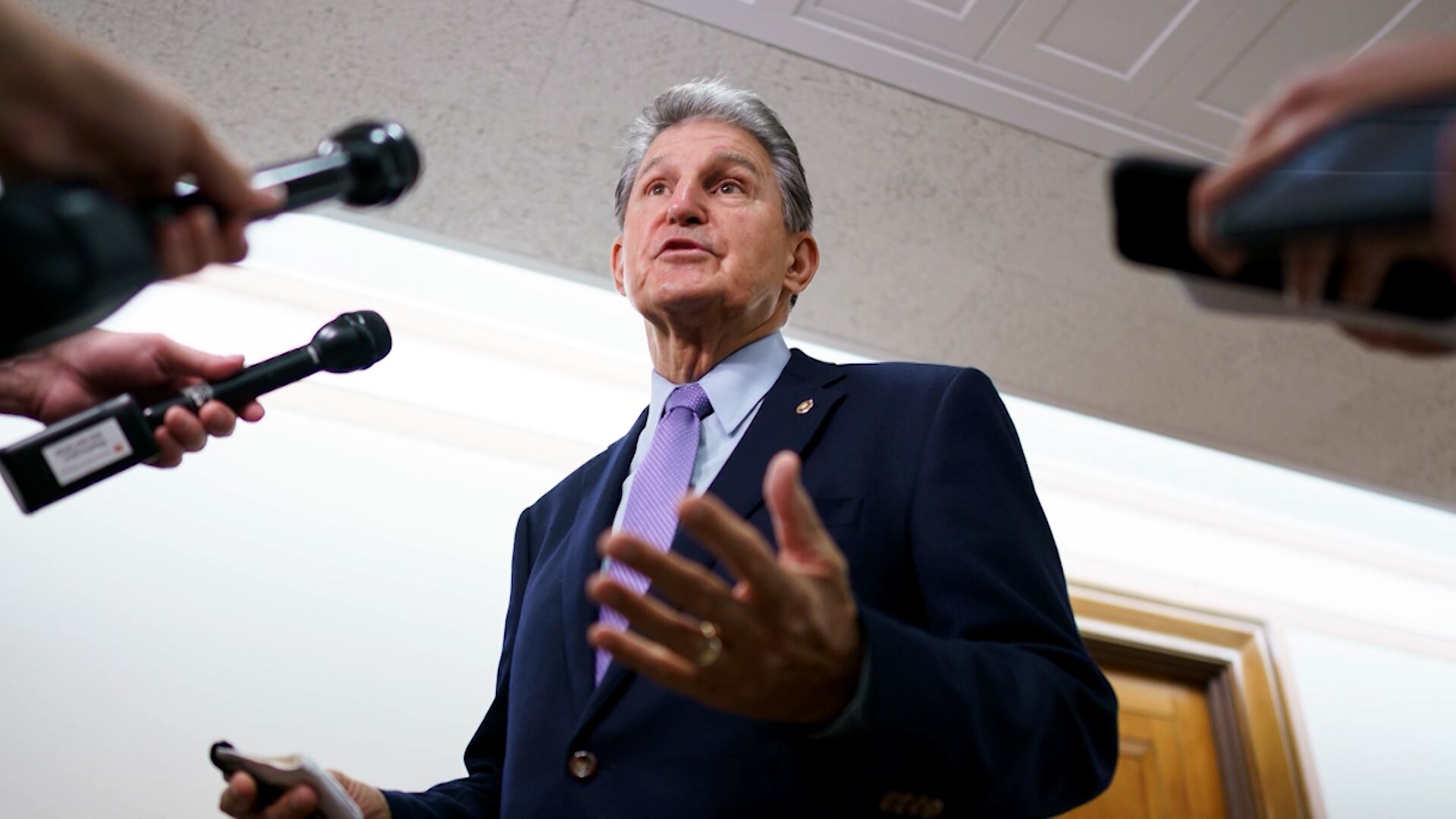
Stephanie Akin, Politics Reporter for CQ Roll Call, breaks down
Senator Manchin's donation pool, and highlights what this support means for the conservative Democrat as well as the Republican party.
The global oil benchmark surpassed $90 for the first time in more than seven years. This comes as growing tensions between Russia and Ukraine add to concerns about the already-tight market. Jay Hatfield, Chief Investment Officer at ICAP, joined Cheddar to discuss what this benchmark means for the oil industry, and what might happen if Russia does invade its neighbor.
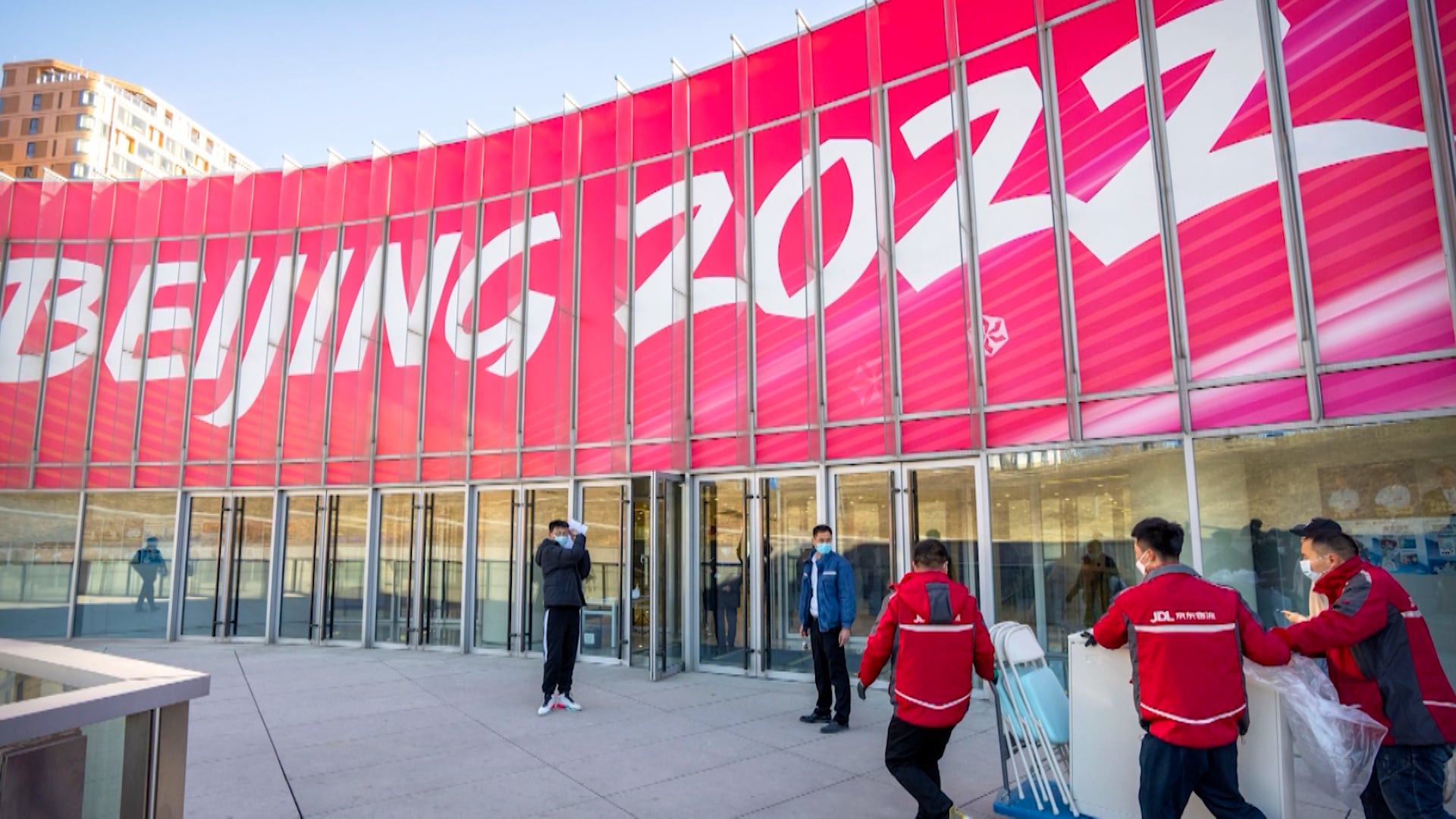
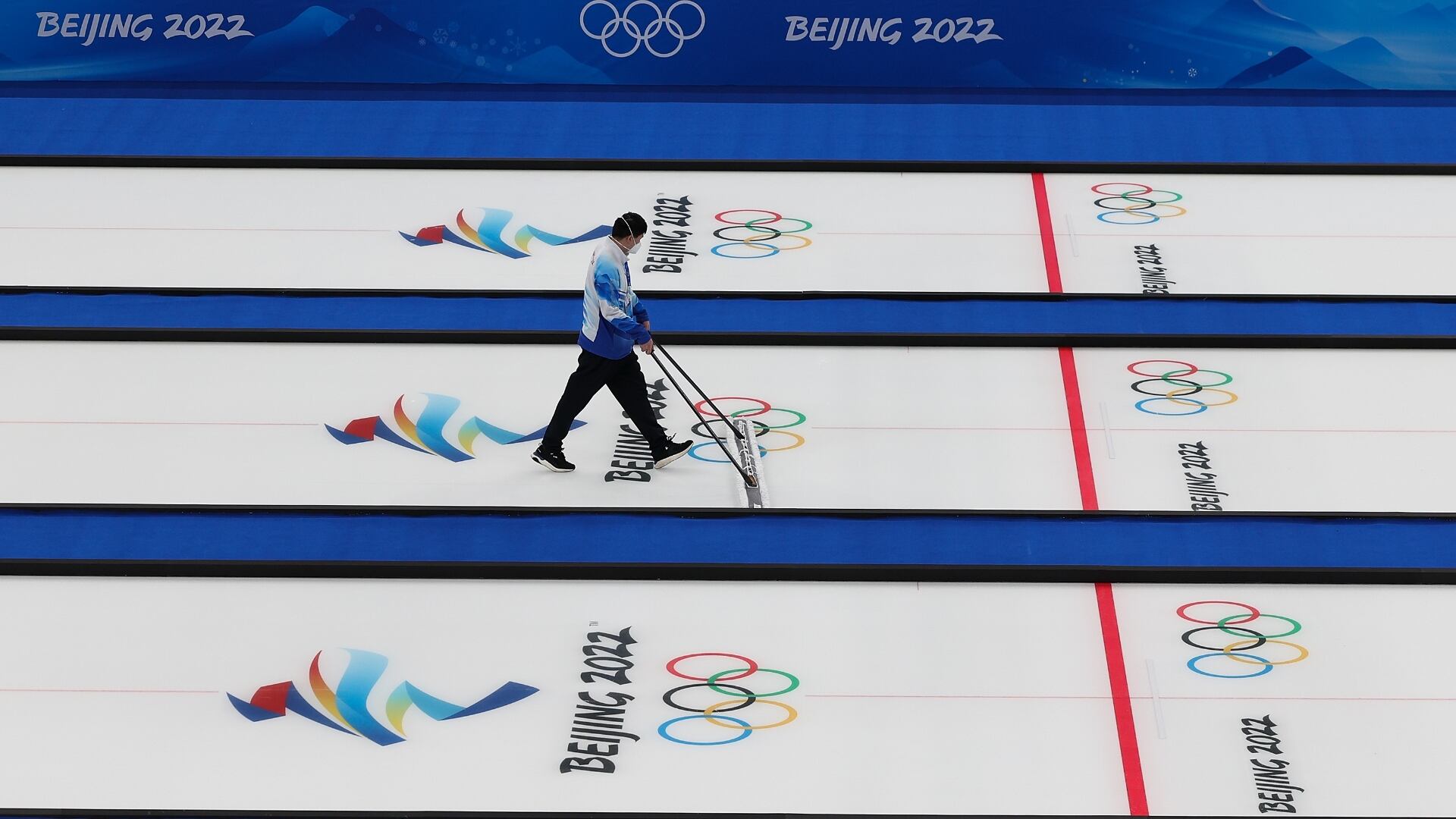
With the Beijing Winter Olympics set to get underway on Friday, Dan Wolken, a national columnist for USA Today, joined Cheddar News to break down the big storylines as the pandemic and international conflicts threaten to cast a cloud over the event that is aspirationally seen as a beacon of international cooperation. Wolken noted specific issues over cybersecurity for visiting athletes and disputes over human rights leading to a diplomatic boycott have been making waves even before the opening ceremony. "So you've got sort of these barbs going back and forth already between the Americans and the Chinese, and things haven't even started yet," he said. "We don't even know what's going to happen once the games start and people actually start winning medals."
We are a week away from the 2022 Beijing Olympics, and China has already faced a host of problems leading up to the opening ceremony of the Beijing games. DJ Peterson, president of Longview Global Advisors, joins Cheddar News to discuss the many concerns and controversies surrounding the event.
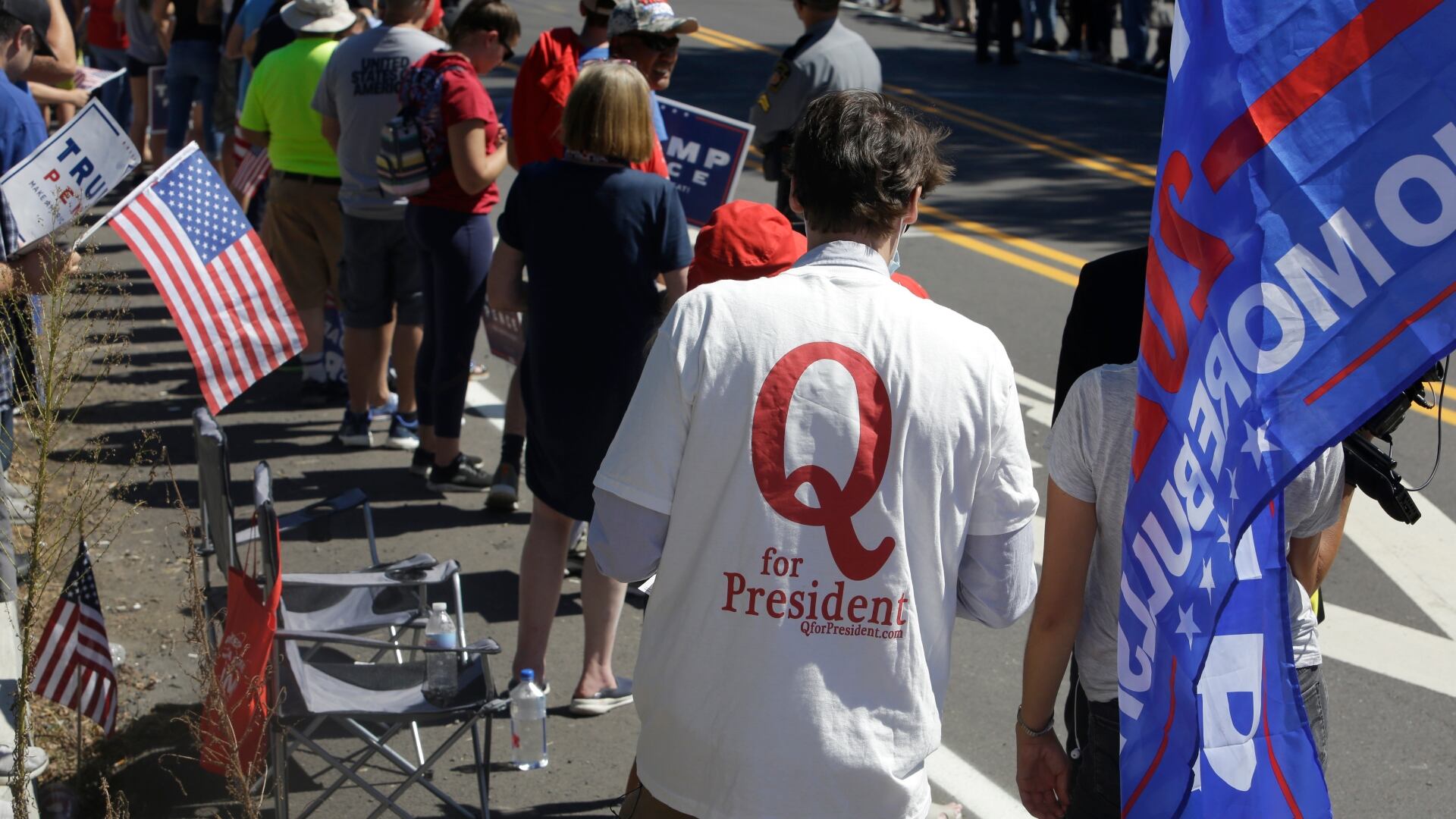
In 2021, QAnon, the community which traffics in conspiracy theories saw a rapid growth in its numbers. As a result of vaccine rollouts, a number of conspiracies surrounding them also began to circulate which then led to the rise of "Anti-Vaxxers". As a result, the QAnon and anti-vax communities have become increasingly intertwined and the results could be costing lives. Senior Researcher at Media Matters Alex Kaplan, joined Cheddar to discuss more.
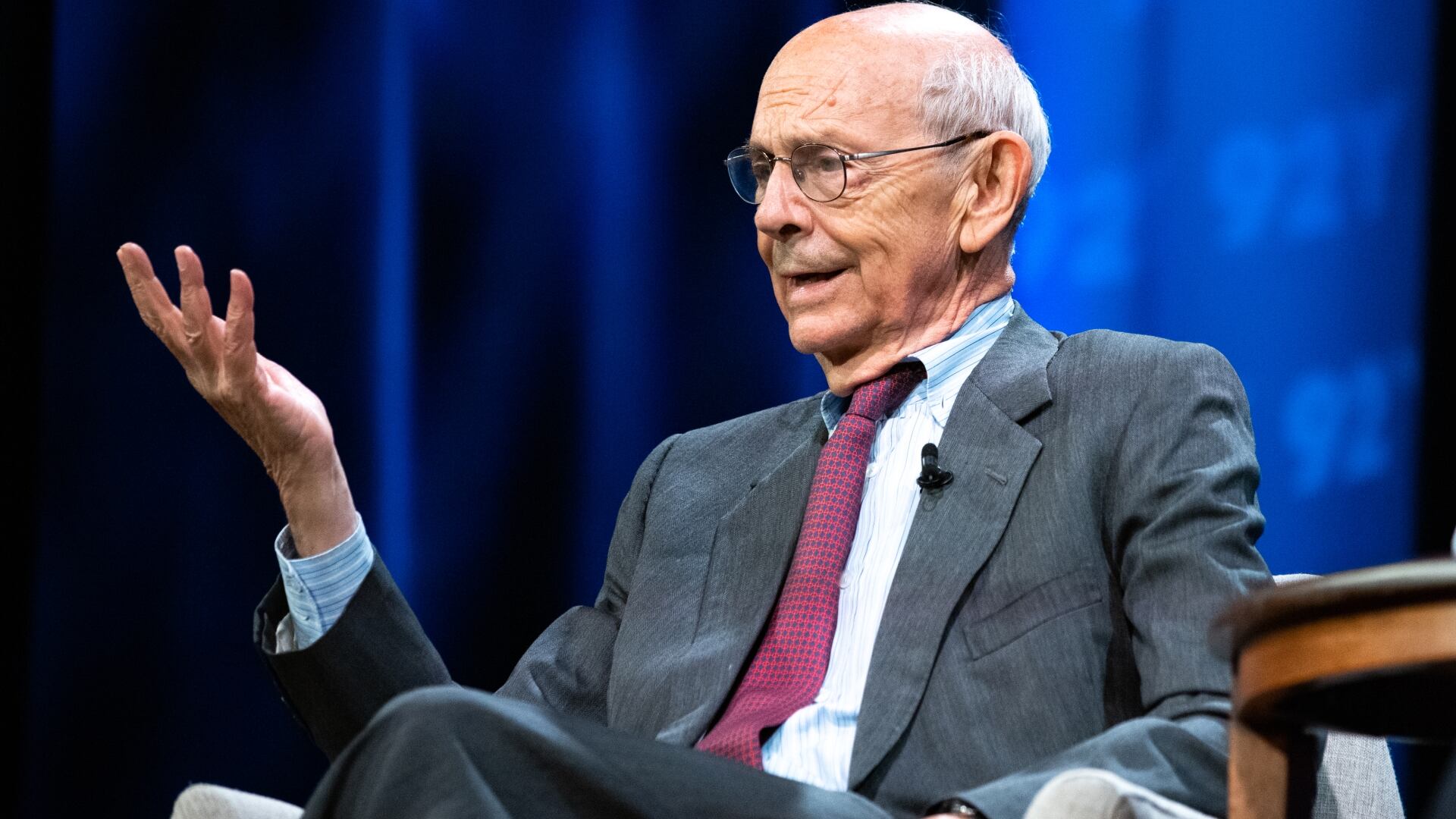
Supreme Court Justice Breyer has announced that he will officially retire from his post. He has served as the senior member of the more liberal wing in recent years. Now his retirement puts pressure on President Biden to decide on who will replace Breyer. Attorney and Media Editor at SCOTUS blog Katie Barlow, joined Cheddar to discuss more.
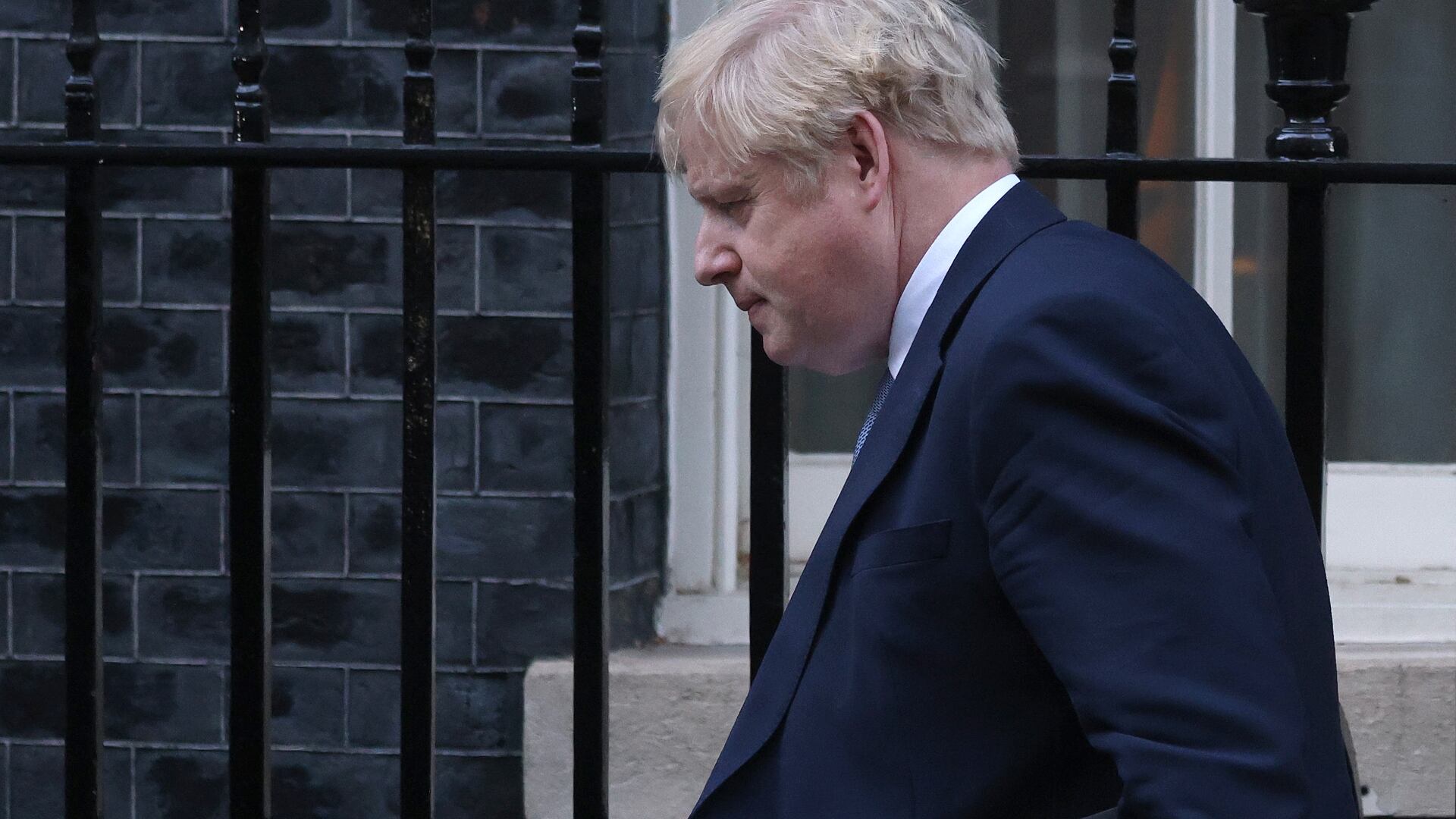
A long awaited report in the UK looking into the alleged parties held at 10 Downing Street during lockdown finds a culture of excessive drinking and a "failure of leadership" in Boris Johnson's government. Cheddar News speaks with international journalist Thomas Cole, who is closely monitoring latest developments.