By Alan Fram
Hours after clinching an initial budget victory, Senate Majority Leader Chuck Schumer conceded Wednesday that Democrats face a tough pathway to delivering a package surging $3.5 trillion into family, health and environment programs to President Joe Biden's desk.
Schumer, D-N.Y., made the remarks after the Senate approved a budget resolution outlining Democrat's 10-year plan for transforming the government into an engine focused on helping lower- and middle income people and slowing the planet's ominously warming temperatures.
The real test will be when Democrats write and vote on subsequent legislation actually enacting the party's priorities into specific spending and tax policies. To succeed, Schumer and House Speaker Nancy Pelosi, D-Calif., will have to satisfy competing demands from party moderates worried about a fat price tag and progressives demanding an all-out drive for their priorities, all with virtually no margin for error in the narrowly divided Congress.
“We still have a long road to travel," Schumer told reporters, turning to a football analogy. “It’s as if we caught a nice long pass at midfield, but we still have 50 yards to go before we score a touchdown."
Actually, some might compare it more to being halfway up Mount Everest with the steeper climb ahead. That's because it's easier for leaders to coax votes from lawmakers for a budget blueprint than it is when they're writing actual changes in spending and tax laws that will deeply impact voters, interest groups and campaign contributors.
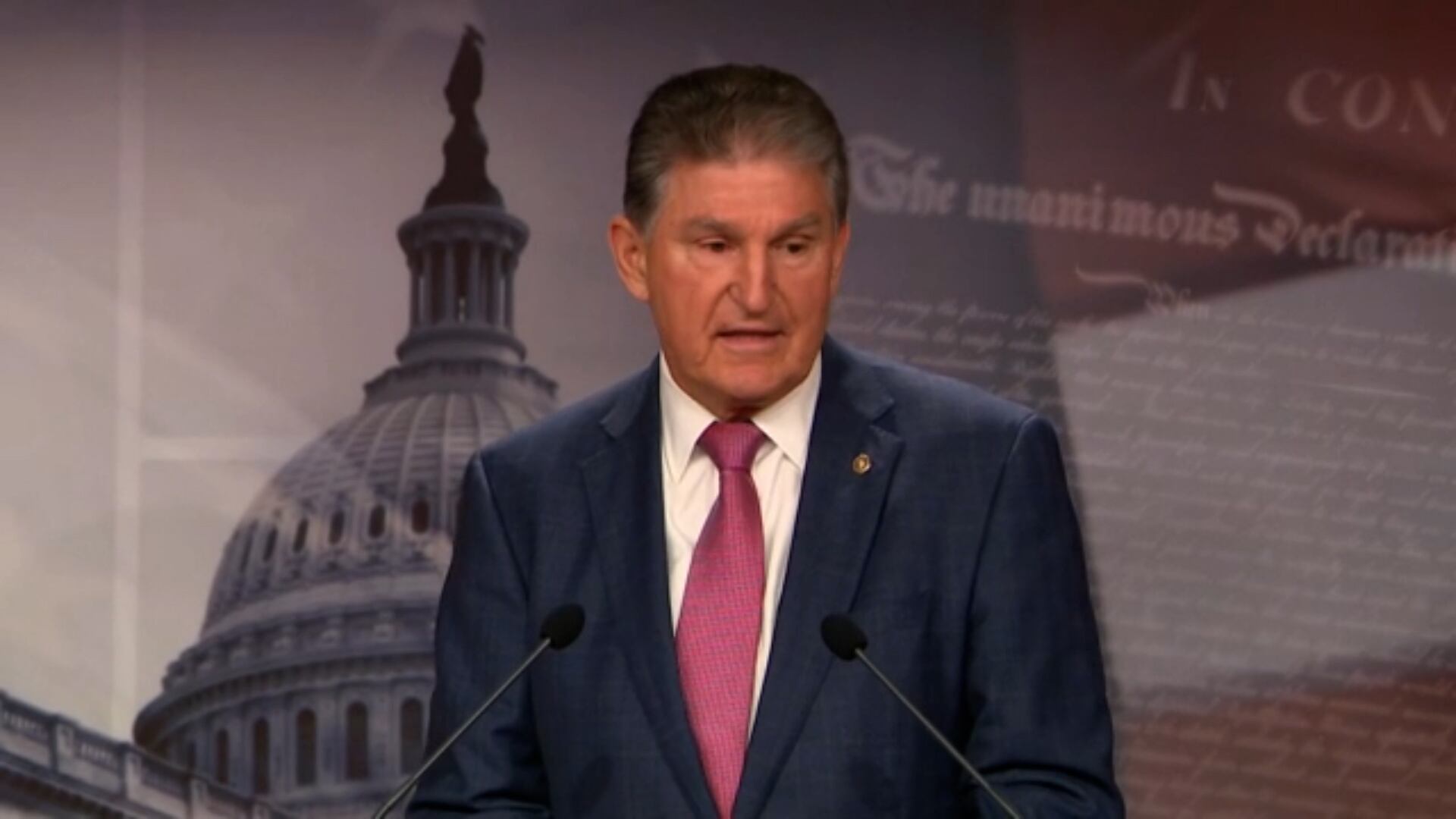
Underscoring the political broadsides that lay ahead, Sen. Joe Manchin, D-W.Va., said in a statement that he has “serious concerns about the grave consequences" of spending an additional $3.5 trillion that he said could fuel inflation and threaten the economy. The views of Manchin, one of the Senate's most conservative Democrats, clash with progressives’ hopes for that amount or more.
Much of the cost of Democrats' proposal would be borne by wealthy people and large corporations, another area where some centrist Democrats may be wary.
The Senate on Tuesday approved the other big chunk of Biden’s objectives, a compromise $1 trillion bundle of transportation, water, broadband and other infrastructure projects. That measure, which passed 69-30 with 19 Republicans backing it, still needs House approval.
The Senate approved the budget resolution at about 4 a.m. EDT Wednesday over uniform Republican opposition, 50-49. It seems sure to get final congressional approval from the House later this month.
That fiscal blueprint's passage is pivotal because that will protect a follow-up bill enacting specific Democratic policies into law from a GOP filibuster in the 50-50 Senate, which would otherwise kill that legislation. Democrats have just a three-vote cushion in the House as well.
Schumer predicted that the final legislation — which the party hopes to produce next month — will contain “every part of the Biden plan in a big, bold, robust way."
Pointedly, he did not specify that the bill would provide the full amounts for Biden's priorities that the president wants. To fit Democrats' goals into their budget plans, some Biden policies may need to be made less ambitious or phased in or out over time.
A chief force behind Democrats' drive has been Senate Budget Committee Chairman Bernie Sanders, I-Vt. He said the measure would help children, families, the elderly and working people — and more.
“It will also, I hope, restore the faith of the American people in the belief that we can have a government that works for all of us, and not just the few," he said.
Republicans argued that Democrats' proposals would waste money, raise economy-wounding taxes, fuel inflation and codify far-left dictates that would harm Americans.
Sen. Mike Rounds, R-S.D., missed the budget votes to be with his ailing wife.
In a budget ritual, senators plunged into a "vote-a-rama," a nonstop parade of messaging amendments that often becomes a painful all-night ordeal. This time, the Senate held more than 40 roll calls by the time it approved the measure at around 4 a.m. EDT, more than 14 hours after the procedural wretchedness began.
With the budget resolution largely advisory, the goal of most amendments was not to win but to force the other party's vulnerable senators to cast troublesome votes that can be used against them in next year's elections for congressional control.
Republicans crowed after Democrats opposed GOP amendments calling for the full-time reopening of pandemic-shuttered schools and boosting the Pentagon's budget and retaining limits on federal income tax deductions for state and local levies. They were also happy when Democrats showed support for Biden's now suspended ban on oil and gas leasing on federal lands, which Republicans said would prompt gasoline price increases.
One amendment may have boomeranged after the Senate voted 99-0 for a proposal by freshman Sen. Tommy Tuberville, R-Ala., to curb federal funds for any municipalities that defund the police. That idea has been rejected by all but the most progressive Democrats, but Republicans have persistently accused them anyway of backing it.
In an animated, sardonic rejoinder, Sen. Cory Booker, D-N.J., called Tuberville's amendment “a gift" that would let Democrats “put to bed this scurrilous accusation that somebody in this great esteemed body would want to defund the police." He said he wanted to “walk over there and hug my colleague."
The budget blueprint envisions creating new programs including tuition-free pre-kindergarten and community college, paid family leave and a Civilian Climate Corps whose workers would tackle environmental projects. Millions of immigrants in the U.S. illegally would have a new chance for citizenship, and there would be financial incentives for states to adopt more labor-friendly laws.
Medicare would add dental, hearing and vision benefits, and tax credits and grants would prod utilities and industries to embrace clean energy. Child tax credits beefed up for the pandemic would be extended, along with federal subsidies for health insurance.
Besides higher taxes on the wealthy and corporations, Democrats envision savings by letting the government negotiate prices for pharmaceuticals it buys, slapping taxes on imported carbon fuels and strengthening IRS tax collections. Democrats have said their policies will be fully paid for, but they'll make no final decisions until this fall's follow-up bill.
Updated on August 11, 2021, at 2:36 p.m. ET with the latest details.