By Lisa Mascaro and Jill Colvin
Senate Majority Leader Mitch McConnell on Tuesday blocked Democrats' push to immediately bring President Donald Trump's demand for bigger $2,000 COVID-19 relief checks up for a vote, saying the chamber would “begin a process” to address the issue.
Pressure is mounting on the Republican-led Senate to follow the House, which voted overwhelmingly on Monday to meet the president's demand to increase the checks from $600 as the virus crisis worsens. A growing number of Republicans, including two senators in runoff elections on Jan. 5 in Georgia, have said they will support the larger amount. But most GOP senators oppose more spending, even if they are also wary of bucking Trump.
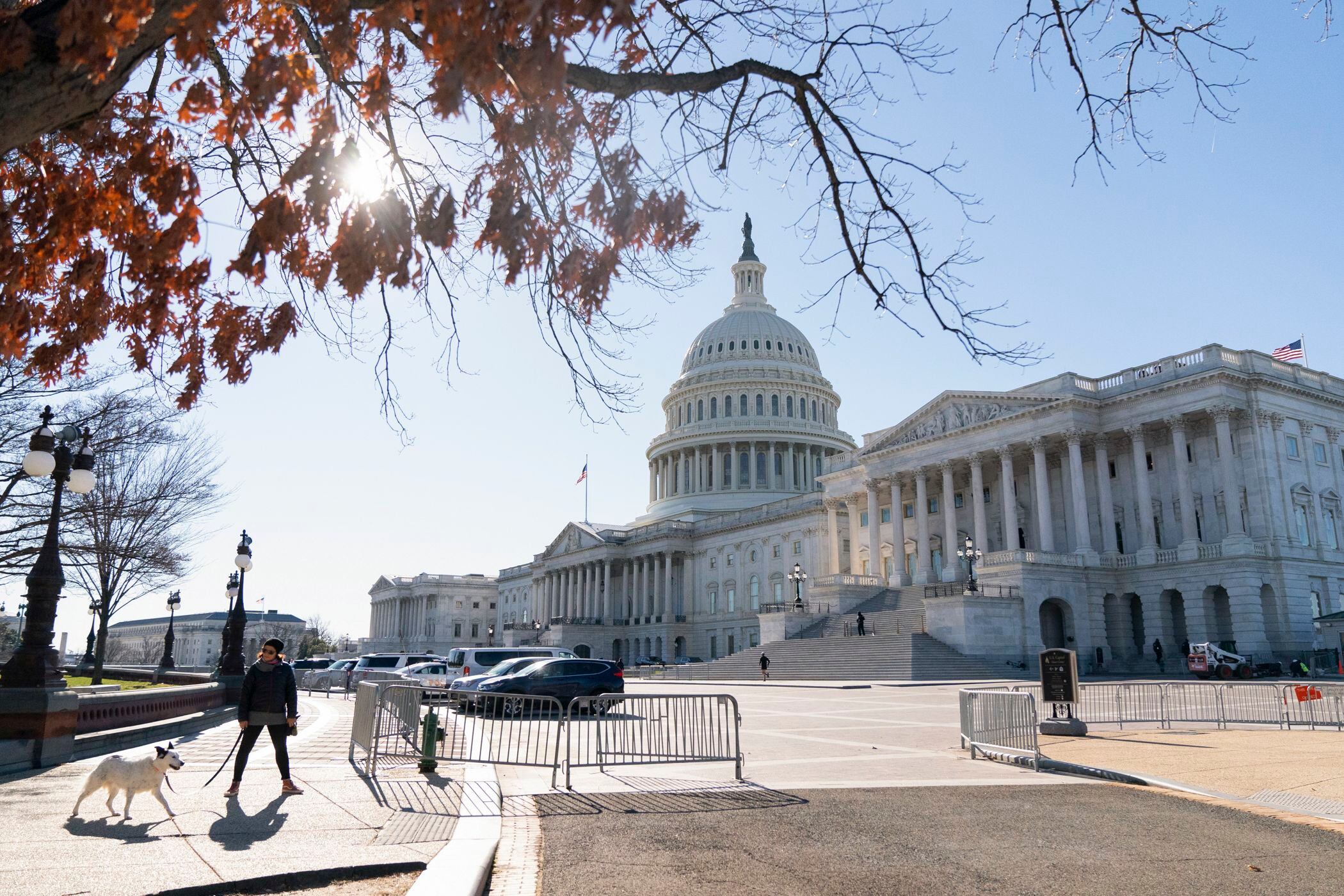
The outcome is highly uncertain heading into the rare holiday-week session.
“There’s one question left today: Do Senate Republicans join with the rest of America in supporting $2,000 checks?" Senate Democratic leader Chuck Schumer said as he made a motion to vote.
McConnell, who has said little publicly on Trump's request, objected but gave almost no indication of his plans ahead.
“The Senate will begin a process," the GOP leader said. He said he plans to bring the president's demand for the $2,000 checks and other remaining issues “into focus.”
The showdown has thrown Congress into a chaotic year-end session just days before new lawmakers are set to be sworn into office for the new year. It's preventing action on another priority — overturning Trump's veto on a sweeping defense bill that has been approved every year for 60 years.
The president's last-minute push for bigger checks deeply divides Republicans, who are split between those who align with Trump’s populist instincts and those who adhere to what had been more traditional conservative views against government spending. Congress had settled on smaller $600 payments in a compromise over the big year-end relief bill Trump reluctantly signed into law.
Liberal senators led by Bernie Sanders of Vermont who support the relief aid are blocking action on the defense bill until a vote can be taken on Trump's demand for $2,000 for most Americans.
"The working class of this country today faces more economic desperation than at any time since the Great Depression of the 1930s," Sanders said as he also tried to force a vote on the relief checks. “Working families need help now.” But McConnell objected a second time.
The GOP blockade may not be sustainable in the face of Trump's demands and as senators face the constituents at home.
The two GOP senators from Georgia, David Perdue and Kelly Loeffler, announced Tuesday they support Trump's plan for bigger checks as they face Democrats Jon Ossoff and Raphael Warnock in runoff elections that will determine which party controls the Senate.
“I’m delighted to support the president,” said Perdue on Fox News. Loeffler said in an interview on Fox that she, too, backs the boosted relief checks.
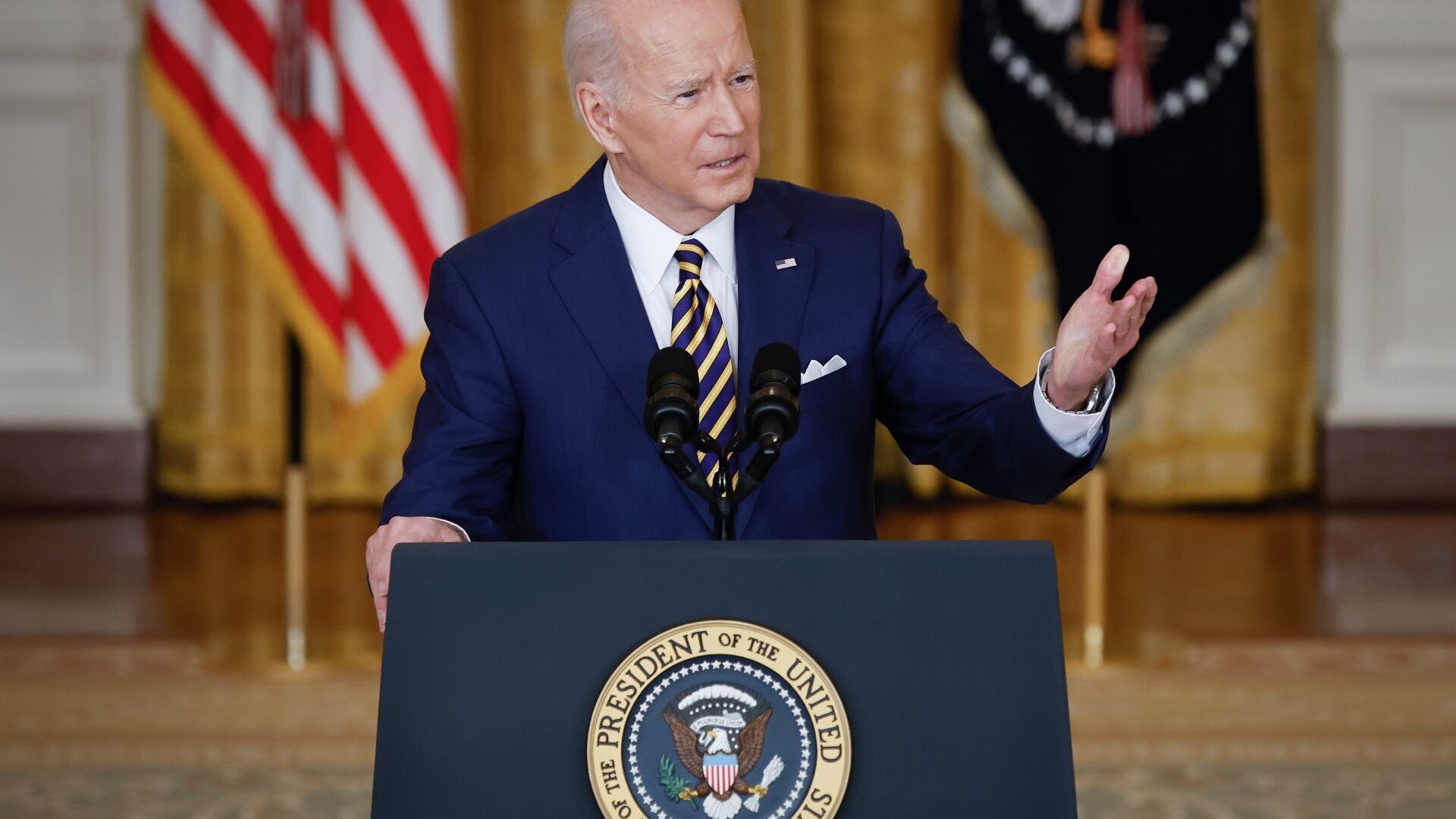
Trump repeated his demand in a tweet ahead of Tuesday’s Senate session: ”$2000 for our great people, not $600!”
Following Trump's lead, Republican Sens. Josh Hawley of Missouri and Marco Rubio of Florida, among the party's potential 2024 presidential hopefuls, are pushing the party in the president's direction.
“We’ve got the votes. Let’s vote today,” Hawley tweeted.
The House vote late Monday was a stunning turn of events. Just days ago, during a brief Christmas Eve session, Republicans blocked Trump's sudden demand for bigger checks as he defiantly refused to sign the broader COVID-19 aid and year-end funding bill into law.
As Trump spent days fuming from his private club in Florida, where he is spending the holidays, millions of Americans saw jobless aid lapse and the nation risked a federal government shutdown Tuesday.
Dozens of Republicans calculated it was better to link with Democrats to increase the pandemic payments rather than buck the outgoing president and constituents counting on the money. House Democrats led passage, 275-134, but 44 Republicans joined almost all Democrats for a robust two-thirds vote of approval.
In the Senate, McConnell is expected to be devising a way out of the bind, perhaps incorporating two other issues Trump raised Sunday as he ultimately signed the massive package into law.
Trump repeated his frustrations over the outcome of the presidential election, which he lost to President-elect Joe Biden, as well as the ability of technology companies like Facebook and Twitter to regulate content in ways Trump believes are unfair.
“Those are the three important subjects the president has linked together," McConnell said.
Trump's push could fizzle out in the Senate and do little to change the COVID-19 relief and federal spending package Trump signed into law.
But the debate over the size and scope of the package — $900 billion in COVID-19 aid and $1.4 trillion to fund government agencies — is potentially one last confrontation between the president and the Republican Party. The new Congress is set to be sworn in Sunday.
For now, the $600 checks are set to be delivered, along with other aid, among the largest rescue packages of its kind.
The COVID-19 portion of the bill revives a weekly pandemic jobless benefit boost — this time $300, through March 14 — as well as the popular Paycheck Protection Program of grants to businesses to keep workers on payrolls. It extends eviction protections, adding a new rental assistance fund.
Americans earning up to $75,000 will qualify for the direct $600 payments, which are phased out at higher income levels, and there's an additional $600 payment per dependent child.
Biden told reporters at an event Monday in Wilmington, Delaware, that he supported the $2,000 checks.
Economists said a $600 check will help, but that it’s a far cry from the spending power that a $2,000 check would provide for the economy, particularly into summer when vaccinations are expected to have reached a wider swath of the population.
“It will make a big difference whether it’s $600 versus $2,000,” said Ryan Sweet, an economist with Moody’s.
Trump's delay in signing the bill stunned lawmakers, who thought they had the president's blessing after months of negotiations with his administration. Several sprang into action to push him not to stall aid during the holidays.
The president also objected to foreign aid funding that his own administration had requested and vowed to send Congress “a redlined version” with spending items he wants removed. But those are merely suggestions to Congress. Democrats said they would resist such cuts.
___
Colvin reported from West Palm Beach, Florida. Associated Press writers Bill Barrow in Atlanta and Ashraf Khalil in Washington and Matt Ott in Silver Springs, Maryland contributed to this report.
Updated on December 29, 2020, at 3:02 p.m. ET with the latest details.