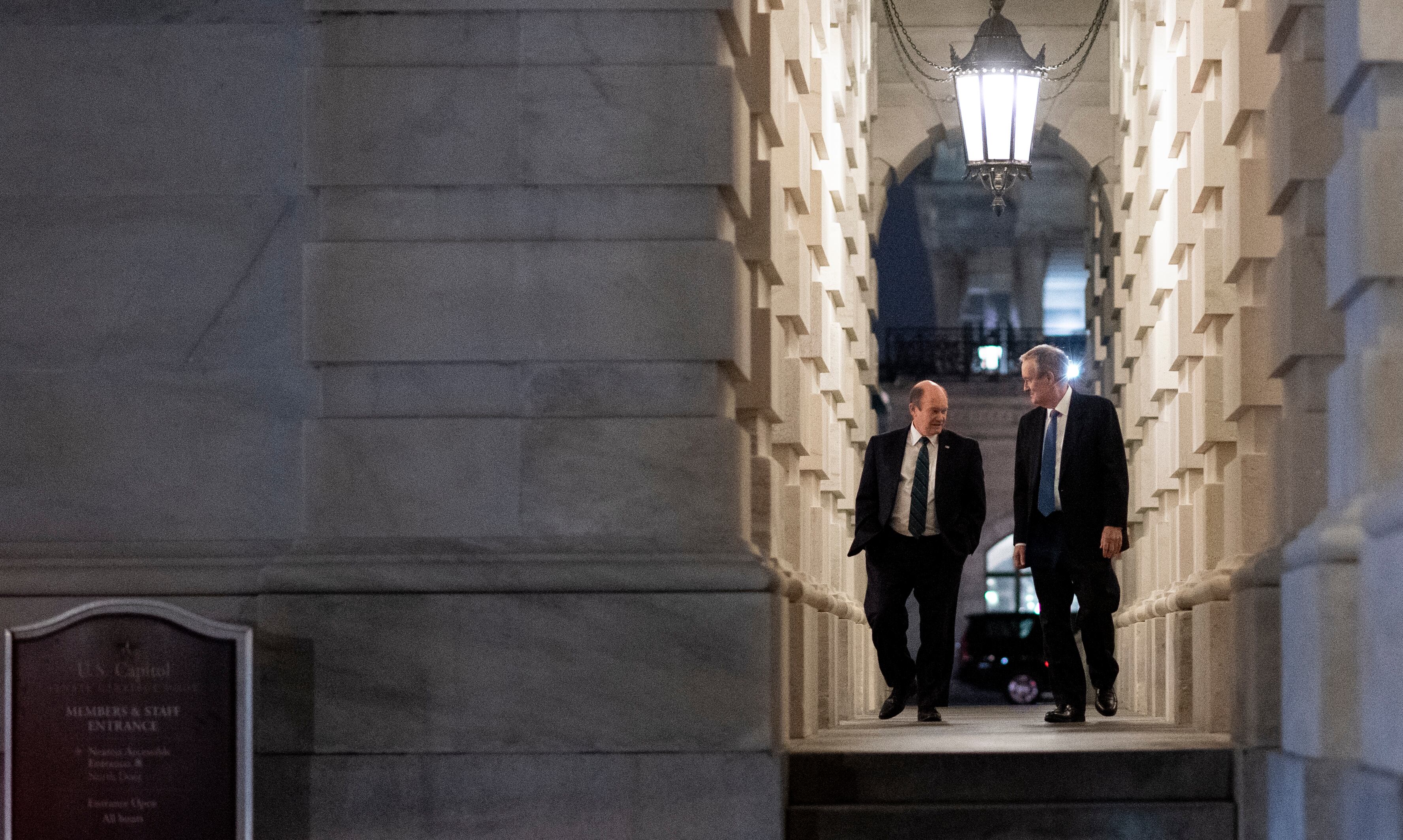
Sen. Mike Crapo, R-Idaho, and Sen. Chris Coons, D-Del., leave the Capitol after voting on the Coronavirus Aid, Relief, and Economic Security Act in the Capitol on Wednesday night. Photo By Bill Clark/CQ-Roll Call, Inc via Getty Images
With just minutes left in the day Wednesday, the Senate kept its pledge to pass a $2.2 trillion coronavirus relief bill, in a unanimous vote.
The 880-page bill is full of funding priorities, including the authorization of a cash infusion to Americans of up to $1,200 for adults and $500 for children.
The final bill also included $367 billion in loans to small businesses, $500 billion in assistance to large businesses, states and cities, as well as an expansion to unemployment benefits that gives an extra $600 per month to those already receiving their states’ unemployment benefits.
The unanimity in the final vote came after a day of uncertainty, as Republican Sens. Ben Sasse (Neb.), Rick Scott (Fla.), Lindsey Graham (S.C.) and Tim Scott (S.C.) threatened to hold up the bill because they felt the unemployment provisions in the bill were too generous and would disincentivize people to work.
“Let’s just make sure we make people whole,” Graham told reporters. “Let’s not increase their salary, because you can’t afford to do that.”
In response, Sen. Bernie Sanders (I-Vt.) threatened to hold up the bill over what he called the “corporate welfare” provisions in the bill.
Ultimately, these controversies were resolved before the final vote. Under normal circumstances, such a large bipartisan majority in the Senate would allay concerns from House members.
But much like the situation Wednesday, the bill’s path forward in the House remains somewhat unclear, as lawmakers of different stripes continue to express concerns about the massive package McConnell termed “emergency relief” rather than “stimulus.”
Rep. Alexandria Ocasio-Cortez (D-N.Y.) stayed active on Twitter for much of Wednesday, criticizing the Senate for its potentially extending its two-week Easter recess to three weeks. She also criticized Senate Republicans for offering a massive amount of corporate assistance in the same bill that is intended to offer relief to everyday Americans.
Ocasio-Cortez’s colleagues from the New York delegation are cautious about the bill. This comes after New York Gov. Andrew Cuomo (D) said the bill was insufficient in meeting the needs of his state, which leads the nation in coronavirus cases with upwards of 30,000 cases.
“It would really be terrible for the state of New York,” Cuomo said Wednesday. “That is a drop in the bucket as to need.”
Some House conservatives cited concerns over the bill’s vast price tag.
Florida Congressman Matt Gaetz (R-Fl.) tweeted his objection to funding for the National Endowments for the Arts and Humanities, Howard University and $350 million for the State Department’s Migration and Refugee Assistance programs.
Senate Majority Leader Steny Hoyer (D-Md.) has informed lawmakers that the House will convene Friday to consider the bill.
"In order to protect the safety of Members and staff and prevent further spread of COVID-19 through Members' travel,” Hoyer emailed lawmakers, “passage will be done by voice vote. Members who want to come to the House Floor to debate this bill will be able to do so."
The House originally hoped to pass the legislative package by unanimous consent but House Republican Leader Kevin McCarthy cautioned that it would not be possible.
"I don't believe we should pass a $2 trillion dollar package by unanimous consent,” McCarthy said Wednesday. “But I also think it would be able to pass it by a voice vote."
That is what both Democrats and Republicans are counting on, especially after Senators voted unanimously for the bill.
With unemployment claims at the highest level in recorded history: 3.28 million, there is increased pressure on the House to pass this quickly and get it to the president’s desk.
In the current package, unemployment benefits would be increased for anyone experiencing unemployment due to the coronavirus pandemic.
Lawmakers anticipate another funding bill will be needed in the future with Speaker Pelosi pledging further cash payments to Americans in a so-called “phase four” relief package.
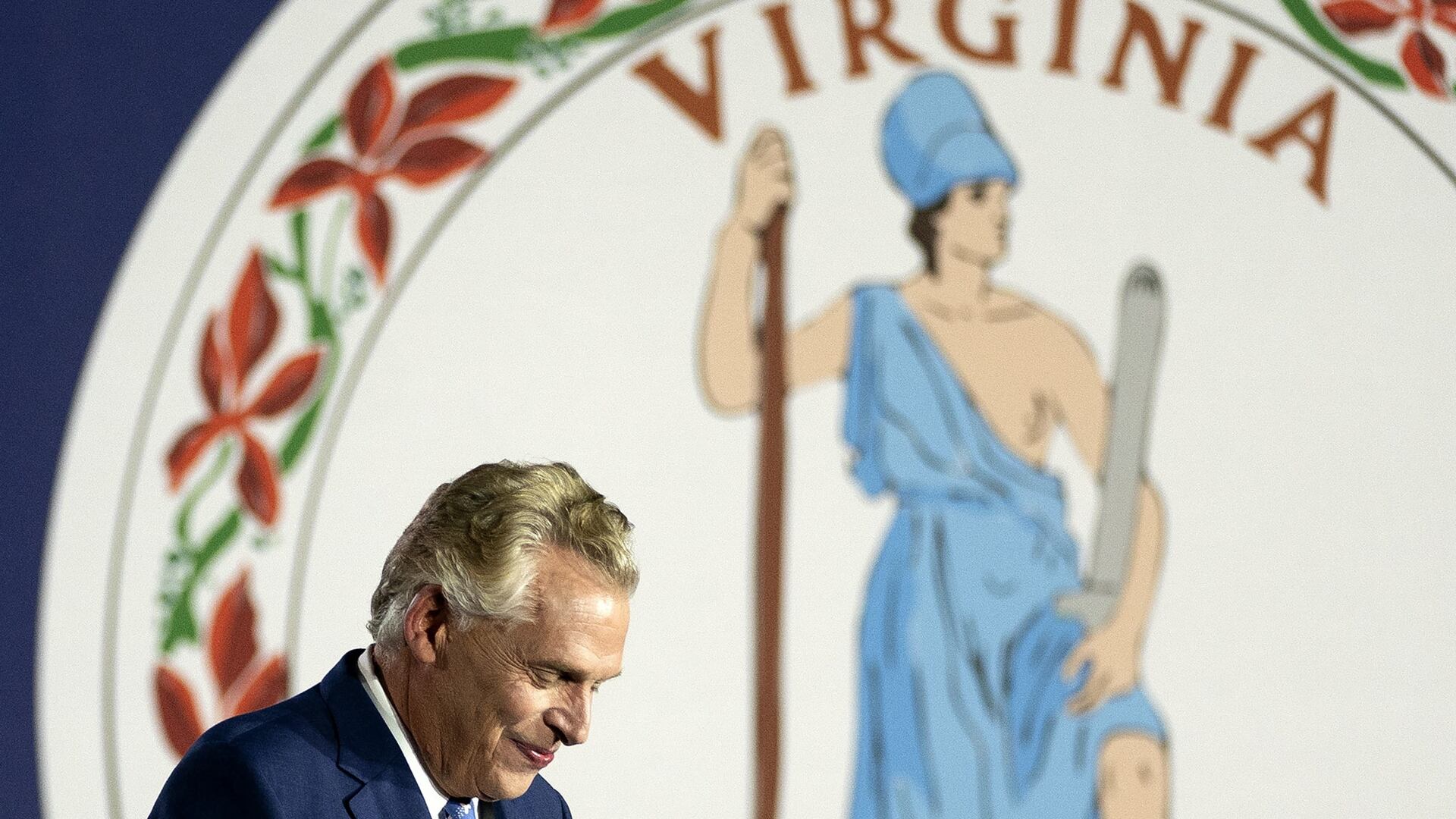
Going into election day on Tuesday, many of us had an inkling it might not be a great day for Democrats. History tells us the president's party tends to lose congressional seats, governorships and state legislature seats in off-year and midterm elections. Tuesday turned out to be a big wake-up call for democrats. Not only did Terry McAuliffe lose in the Virginia governor's race, Gov. Phil Murphy won re-election by an incredibly slim margin. Both races saw continued Democratic losses in rural areas and a shift of suburban voters back to the GOP. Liz Landers, chief political correspondent at Vice News, joins Cheddar Politics to discuss.
Week one of UN climate summit is coming to an end, world leaders made a number of promises to save the planet. President Biden attended the first two days of the meeting.
Alan Neuhauser, vice president of Silverline Communications, joined Cheddar Politics to talk more about the pledges that came out from the summit and their significance.
It's been a busy week for the Supreme Court. It heard arguments on three of the most watched cases in the docket for this term. The court heard arguments in two cases challenging the Texas abortion law on Monday - one filed by abortion providers and the other by the justice department. Instead of weighing in on the constitutionality of the matter itself, justices focused on the unusual structure of the law that enables citizens to enforce the law, not the state government.
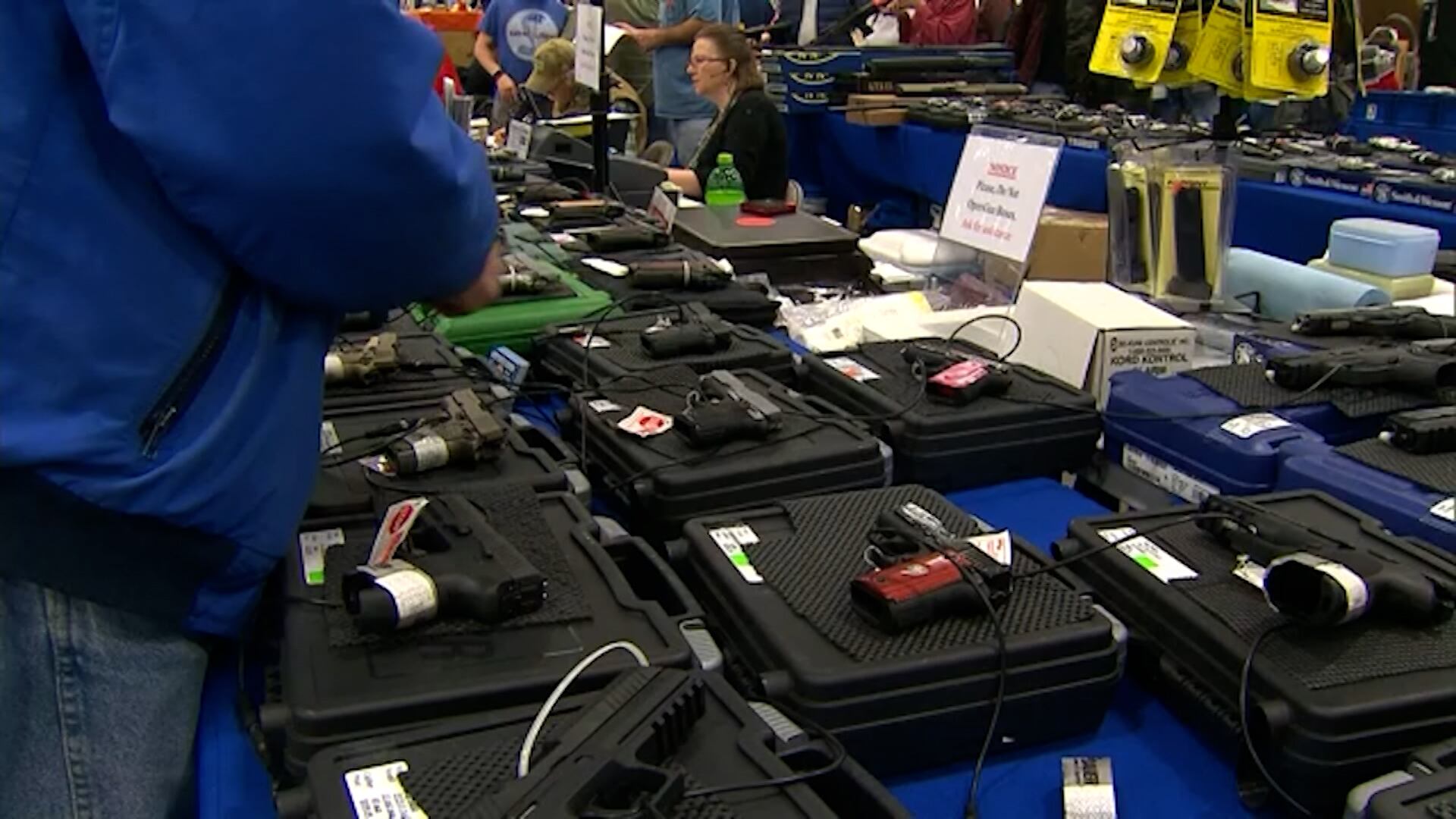
On Wednesday, the court heard arguments in the biggest Second Amendment case in more than a decade. The dispute is over a New York gun law that requires people seeking a license to carry a handgun in public to show a "proper cause." The challengers in this case claim the law inhibits their constitutional Second Amendment rights.
Amy Howe, co-founder of SCOTUSBlog, joined Cheddar Politics to break the cases down.
This is the first installment of Cheddar Changemakers, where we spotlight young activists making a difference in the world and speaking up on issues regarding mental health, voting, and climate change.
Republicans are considered, and often act like, the party opposed to action on climate change. They've made a point of fighting even modest regulations on businesses related to stemming the worst effects of climate change. But Republicans aren't a monolith on climate change, and our next guest reminds us that "conservation" and "conservative" have the same word root.
Quill Robinson, VP of government affairs at the American Conservation Coalition, joins Cheddar Politics to discuss.
The mayor of Portland, Oregon, Ted Wheeler joined Cheddar News Wrap to discuss his plans to get an increase in the city's police budget for more personnel, changes to public safety response, and more body cameras. The Democratic mayor addressed the growth in violent crimes amid the pandemic, but noted the need for officers who take their roles seriously. We want officers who understand that policing is an important responsibility, it's a high calling," he said. "We also want a police bureau that is accountable and responsible to the public it serves."
More American tech companies continue to pull their businesses out of China as the Communist Party cracks down on firms — both foreign and domestic. Yahoo and Fortnite have become the latest companies to withdraw from the country, and the withdrawals come just days after Microsoft announced it would take LinkedIn offline. Shehzad Qazi, managing director at China Beige Book International, joined Cheddar to provide some insight into how the crackdowns in China would also impact the tech companies at home in the United States.
A new report out by the Center for Countering Digital Hate shows how just ten publishers are responsible for the bulk of climate change misinformation on social media--and companies like Facebook and Google are making money off them. Imran Ahmed, CEO of the Center for Countering Digital Hate, joined Cheddar to discuss.
'The Good Liars' are Jason Selvig and Davram Stiefler, a comedy duo that's been shaking up the political world for years. They're out with a new mockumentary, 'The Supporters,' following the 2020 election. Jason Selvig & Davram Stiefler, Stunt Comedians and creators of 'The Good Liars' joined Cheddar News to discuss.