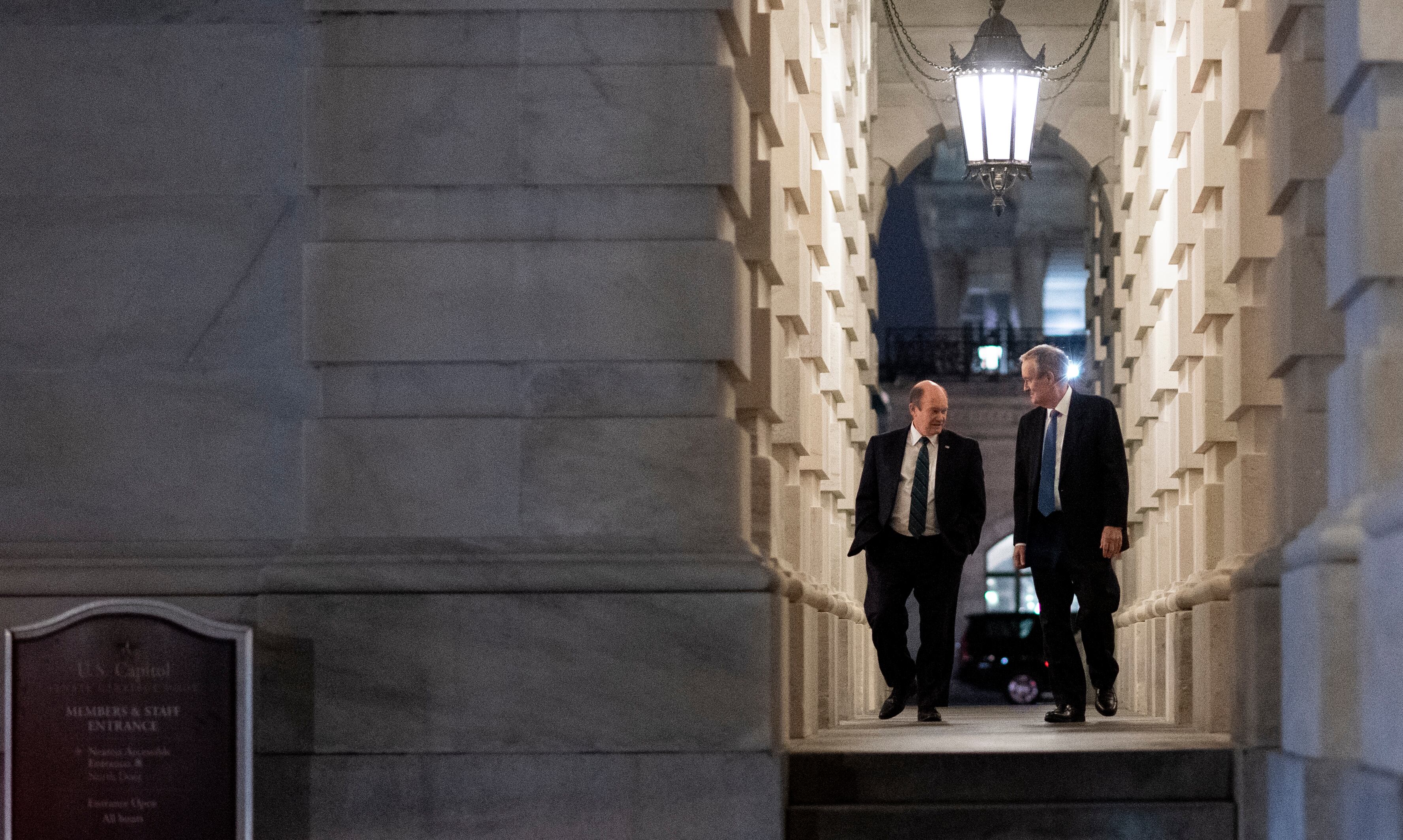
With just minutes left in the day Wednesday, the Senate kept its pledge to pass a $2.2 trillion coronavirus relief bill, in a unanimous vote. 

The 880-page bill is full of funding priorities, including the authorization of a cash infusion to Americans of up to $1,200 for adults and $500 for children. 

The final bill also included $367 billion in loans to small businesses, $500 billion in assistance to large businesses, states and cities, as well as an expansion to unemployment benefits that gives an extra $600 per month to those already receiving their states’ unemployment benefits.

The unanimity in the final vote came after a day of uncertainty, as Republican Sens. Ben Sasse (Neb.), Rick Scott (Fla.), Lindsey Graham (S.C.) and Tim Scott (S.C.) threatened to hold up the bill because they felt the unemployment provisions in the bill were too generous and would disincentivize people to work.

“Let’s just make sure we make people whole,” Graham told reporters. “Let’s not increase their salary, because you can’t afford to do that.” 

In response, Sen. Bernie Sanders (I-Vt.) threatened to hold up the bill over what he called the “corporate welfare” provisions in the bill.

Ultimately, these controversies were resolved before the final vote. Under normal circumstances, such a large bipartisan majority in the Senate would allay concerns from House members.

But much like the situation Wednesday, the bill’s path forward in the House remains somewhat unclear, as lawmakers of different stripes continue to express concerns about the massive package McConnell termed “emergency relief” rather than “stimulus.”

Rep. Alexandria Ocasio-Cortez (D-N.Y.) stayed active on Twitter for much of Wednesday, criticizing the Senate for its potentially extending its two-week Easter recess to three weeks. She also criticized Senate Republicans for offering a massive amount of corporate assistance in the same bill that is intended to offer relief to everyday Americans.

Ocasio-Cortez’s colleagues from the New York delegation are cautious about the bill. This comes after New York Gov. Andrew Cuomo (D) said the bill was insufficient in meeting the needs of his state, which leads the nation in coronavirus cases with upwards of 30,000 cases.

“It would really be terrible for the state of New York,” Cuomo said Wednesday. “That is a drop in the bucket as to need.”

Some House conservatives cited concerns over the bill’s vast price tag. 

Florida Congressman Matt Gaetz (R-Fl.) tweeted his objection to funding for the National Endowments for the Arts and Humanities, Howard University and $350 million for the State Department’s Migration and Refugee Assistance programs.

Senate Majority Leader Steny Hoyer (D-Md.) has informed lawmakers that the House will convene Friday to consider the bill. 

"In order to protect the safety of Members and staff and prevent further spread of COVID-19 through Members' travel,” Hoyer emailed lawmakers, “passage will be done by voice vote. Members who want to come to the House Floor to debate this bill will be able to do so."

The House originally hoped to pass the legislative package by unanimous consent but House Republican Leader Kevin McCarthy cautioned that it would not be possible. 

"I don't believe we should pass a $2 trillion dollar package by unanimous consent,” McCarthy said Wednesday. “But I also think it would be able to pass it by a voice vote." 

That is what both Democrats and Republicans are counting on, especially after Senators voted unanimously for the bill. 

With unemployment claims at the highest level in recorded history: 3.28 million, there is increased pressure on the House to pass this quickly and get it to the president’s desk. 

In the current package, unemployment benefits would be increased for anyone experiencing unemployment due to the coronavirus pandemic. 

Lawmakers anticipate another funding bill will be needed in the future with Speaker Pelosi pledging further cash payments to Americans in a so-called “phase four” relief package.

Share:
More In Politics
Is VP Harris Getting Sidelined?
Vice President Kamala Harris received impressive amount of media coverage in January for making history. However, the media attention waned significantly and some are now even saying she has almost disappeared from public view. Reecie Colbert, founder of BlackWomenViews Media, joined Cheddar Politics to discuss more.
Buzzfeed Scores Win in Mueller Report FOIA Fight
If you thought you heard the last of the Mueller report back in 2019, you'd be wrong. While the bombshell report was the biggest story in Washington for years, much of the report remained redacted. Our friends at BuzzFeed News weren't satisfied, so they sued to have certain passages unredacted. They notched another win when a federal appeals court ordered ten passages from the report to be released. Matt Topic, BuzzFeed's attorney in the case, and Jason Leopold, reporter at BuzzFeed News, join Cheddar Politics to discuss.
Omicron Spotlights Lack of Global Pandemic Preparedness
The U.S. reported its first confirmed case of the omicron variant in California on Wednesday. Scientists and health officials are racing to understand the variant, with the WHO saying it's still too early to determine whether it's more contagious, more deadly or more resistant to vaccines than other variants. Omicron has pushed members of the WHO to commit to start talks over a "gobal pandemic treaty" for future pandemic preparedness. Priti Krishtel, co-founder and co-executive director of the Initiative for Medicines, Access & Knowledge, joins Cheddar Politics to discuss.
Roe v. Wade at Stake After Supreme Court Mississippi Abortion Hearing
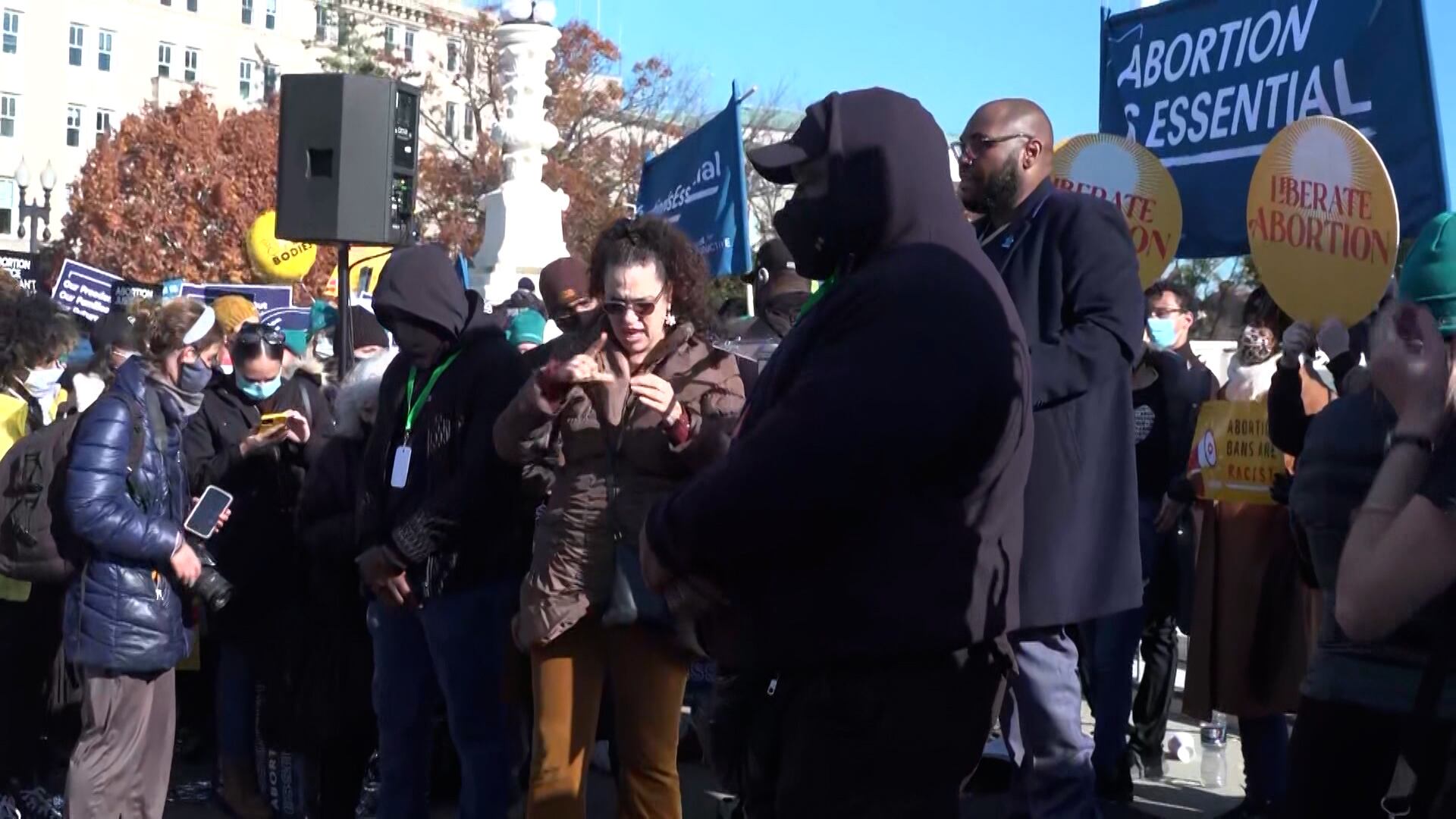
Wednesday was not a good day for those who believe in abortion rights in this country as the Supreme Court heard arguments on a Mississippi abortion law that bans most abortions after 15 weeks of pregnancy. The majority of the court appears poised to roll back abortion rights, and the questions from the conservative justices seemed to indicate the law for nearly 50 years is likely to change. Jessica Mason Pieklo, senior vice president and executive editor of Rewire News Group, joined Cheddar Politics to discuss Wednesday's hearing.
Michael Cohen to Sell His Federal Prison Badge as NFT
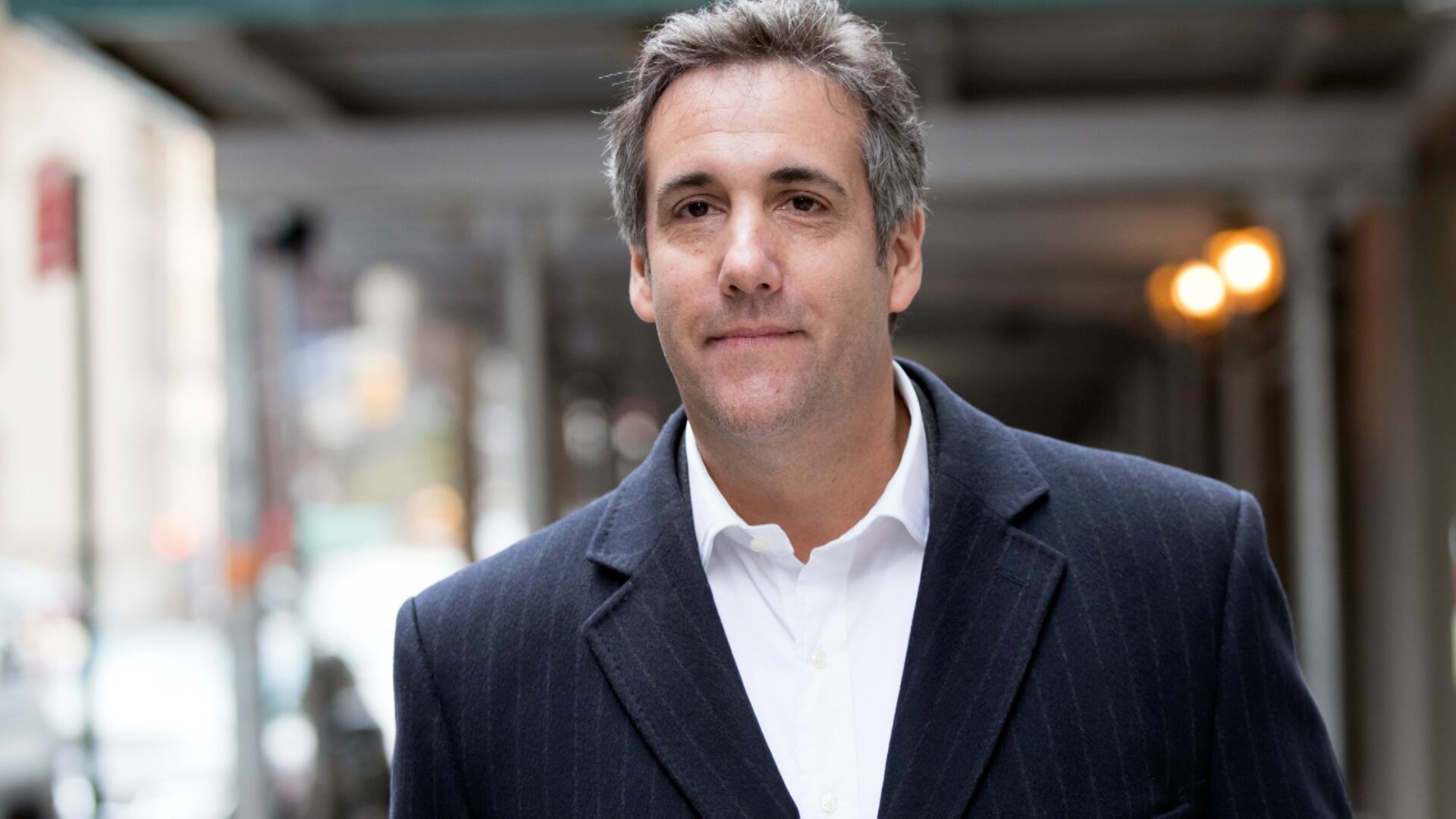
Michael Cohen, Donald Trump's former personal lawyer, has been busy since completing his prison sentence in November. He's getting into the NFT space, selling his federal prison badge and the original manuscript of his book "Disloyal" as NFTs. Cohen joined Cheddar to discuss his latest venture and why he thinks there is still much to be revealed about his case.
Biden Boom, Jussie Guilty & Love, Hate, Ate
Carlo and Baker wrap up the week talking about the Biden economic boom that no one seems to notice, a verdict in the Jussie Smollett case, the first Starbucks union in America and the pleasures of the "dude nod."
New Cannabis Expungement Bill Introduced In Congress
A new bill in Congress shows just how bipartisan cannabis really is. Rep. David Joyce, a Republican from Ohio, teamed up with progressive Rep. Alexandria Ocasio-Cortez on a cannabis expungement bill. Cheddar cannabis reporter Chloe Aiello spoke with the congressman about the legislation.
Progressives in Congress Back Bill to Institute Four-Day Workweek
The Congressional Progressive Caucus have lined up to support the Thirty-Two Hour Workweek Act introduced by Rep. Mark Takano (D-Calif. 41st District). The representative joined Cheddar to discuss how instituting a four-day workweek in the United States can be beneficial for both employees with the need of a work-life balance and employers looking both to retain talent amid a labor shortage and improve efficiency in their workforces. "We live in a different time than 90 years ago when we established a 40-hour workweek," he said. "We've had a lot of technological changes, the American worker is exponentially more productive than previous generations, so it's time to reexamine Americans and the way in which they relate to work."
Load More