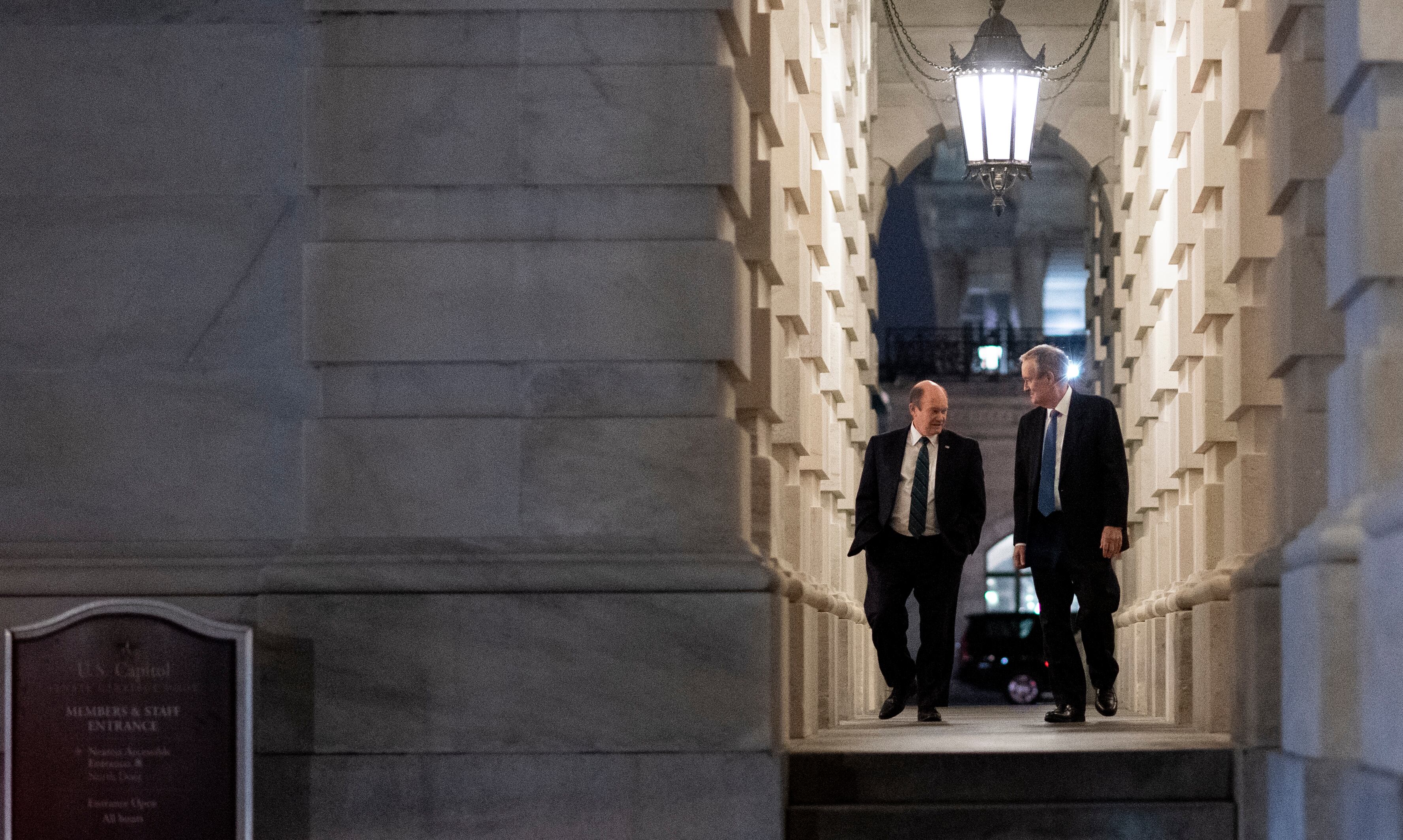
Sen. Mike Crapo, R-Idaho, and Sen. Chris Coons, D-Del., leave the Capitol after voting on the Coronavirus Aid, Relief, and Economic Security Act in the Capitol on Wednesday night. Photo By Bill Clark/CQ-Roll Call, Inc via Getty Images
With just minutes left in the day Wednesday, the Senate kept its pledge to pass a $2.2 trillion coronavirus relief bill, in a unanimous vote.
The 880-page bill is full of funding priorities, including the authorization of a cash infusion to Americans of up to $1,200 for adults and $500 for children.
The final bill also included $367 billion in loans to small businesses, $500 billion in assistance to large businesses, states and cities, as well as an expansion to unemployment benefits that gives an extra $600 per month to those already receiving their states’ unemployment benefits.
The unanimity in the final vote came after a day of uncertainty, as Republican Sens. Ben Sasse (Neb.), Rick Scott (Fla.), Lindsey Graham (S.C.) and Tim Scott (S.C.) threatened to hold up the bill because they felt the unemployment provisions in the bill were too generous and would disincentivize people to work.
“Let’s just make sure we make people whole,” Graham told reporters. “Let’s not increase their salary, because you can’t afford to do that.”
In response, Sen. Bernie Sanders (I-Vt.) threatened to hold up the bill over what he called the “corporate welfare” provisions in the bill.
Ultimately, these controversies were resolved before the final vote. Under normal circumstances, such a large bipartisan majority in the Senate would allay concerns from House members.
But much like the situation Wednesday, the bill’s path forward in the House remains somewhat unclear, as lawmakers of different stripes continue to express concerns about the massive package McConnell termed “emergency relief” rather than “stimulus.”
Rep. Alexandria Ocasio-Cortez (D-N.Y.) stayed active on Twitter for much of Wednesday, criticizing the Senate for its potentially extending its two-week Easter recess to three weeks. She also criticized Senate Republicans for offering a massive amount of corporate assistance in the same bill that is intended to offer relief to everyday Americans.
Ocasio-Cortez’s colleagues from the New York delegation are cautious about the bill. This comes after New York Gov. Andrew Cuomo (D) said the bill was insufficient in meeting the needs of his state, which leads the nation in coronavirus cases with upwards of 30,000 cases.
“It would really be terrible for the state of New York,” Cuomo said Wednesday. “That is a drop in the bucket as to need.”
Some House conservatives cited concerns over the bill’s vast price tag.
Florida Congressman Matt Gaetz (R-Fl.) tweeted his objection to funding for the National Endowments for the Arts and Humanities, Howard University and $350 million for the State Department’s Migration and Refugee Assistance programs.
Senate Majority Leader Steny Hoyer (D-Md.) has informed lawmakers that the House will convene Friday to consider the bill.
"In order to protect the safety of Members and staff and prevent further spread of COVID-19 through Members' travel,” Hoyer emailed lawmakers, “passage will be done by voice vote. Members who want to come to the House Floor to debate this bill will be able to do so."
The House originally hoped to pass the legislative package by unanimous consent but House Republican Leader Kevin McCarthy cautioned that it would not be possible.
"I don't believe we should pass a $2 trillion dollar package by unanimous consent,” McCarthy said Wednesday. “But I also think it would be able to pass it by a voice vote."
That is what both Democrats and Republicans are counting on, especially after Senators voted unanimously for the bill.
With unemployment claims at the highest level in recorded history: 3.28 million, there is increased pressure on the House to pass this quickly and get it to the president’s desk.
In the current package, unemployment benefits would be increased for anyone experiencing unemployment due to the coronavirus pandemic.
Lawmakers anticipate another funding bill will be needed in the future with Speaker Pelosi pledging further cash payments to Americans in a so-called “phase four” relief package.
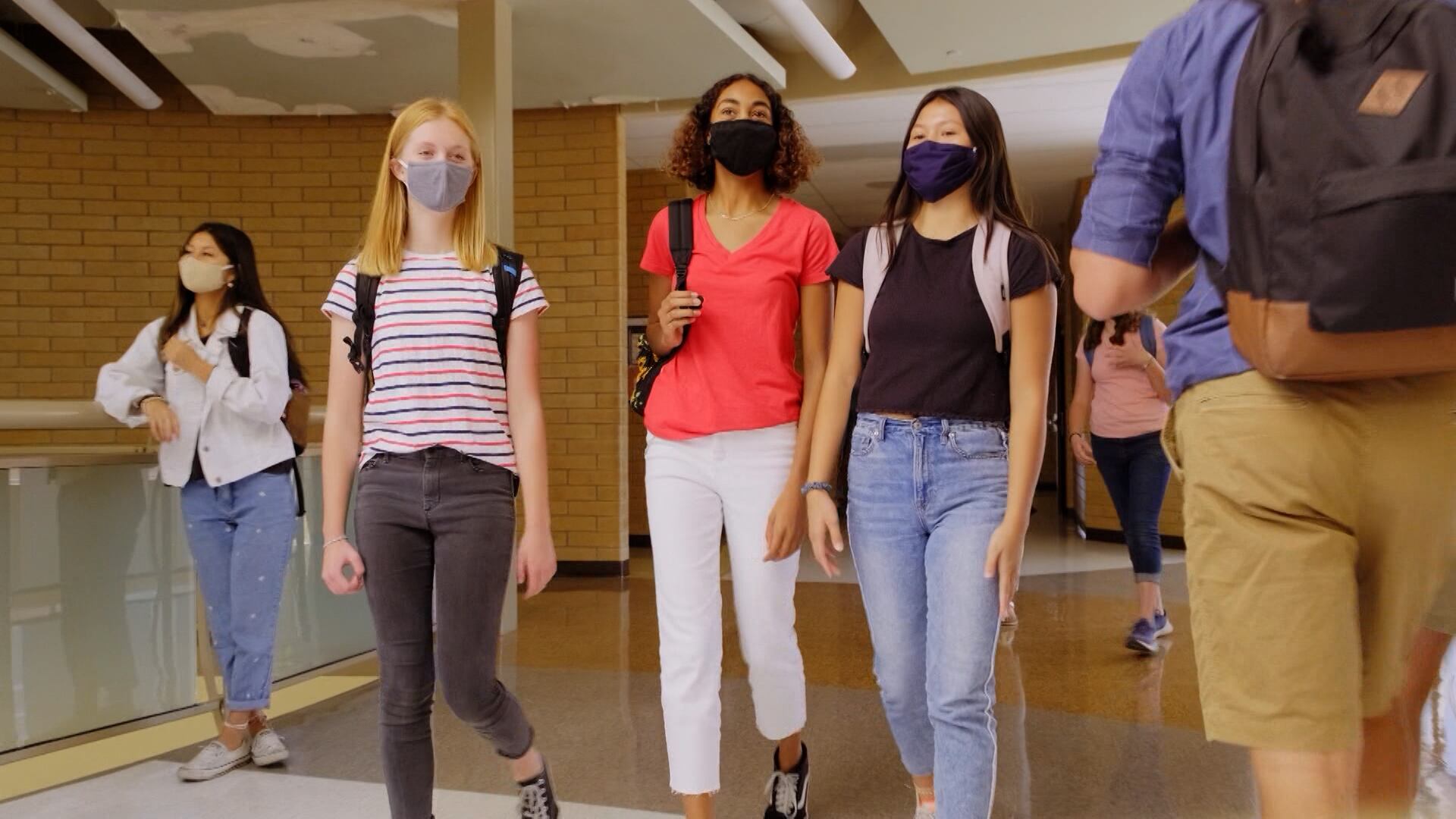
After the Chicago teachers union voted to work remotely due to what they say is a lack of safety protocols amid the COVID-19 surge, the school system canceled classes on Wednesday, citing harm that remote learning has done to the city's children. Randi Weingarten, president of the American Federation of Teachers, joined Cheddar to discuss the issues surrounding the latest dispute between educators and schools. She said that the return to in-person learning would likely be halted until more COVID tests could be provided for districts. "This is a terrible situation for everybody, and we need the testing, and we need the masks," she said. "It's the omicron surge that has created this disruption, and we are trying to do the best we can. And this is the only school district that has this kind of action right now." The teachers might not be returning to their schools for at least two weeks amid the ongoing tensions.
Illinois State Senator Robert Martwick joins Cheddar News to discuss the new bill he co-sponsored allowing students in the state to take 5 mental health days without a doctor's note.
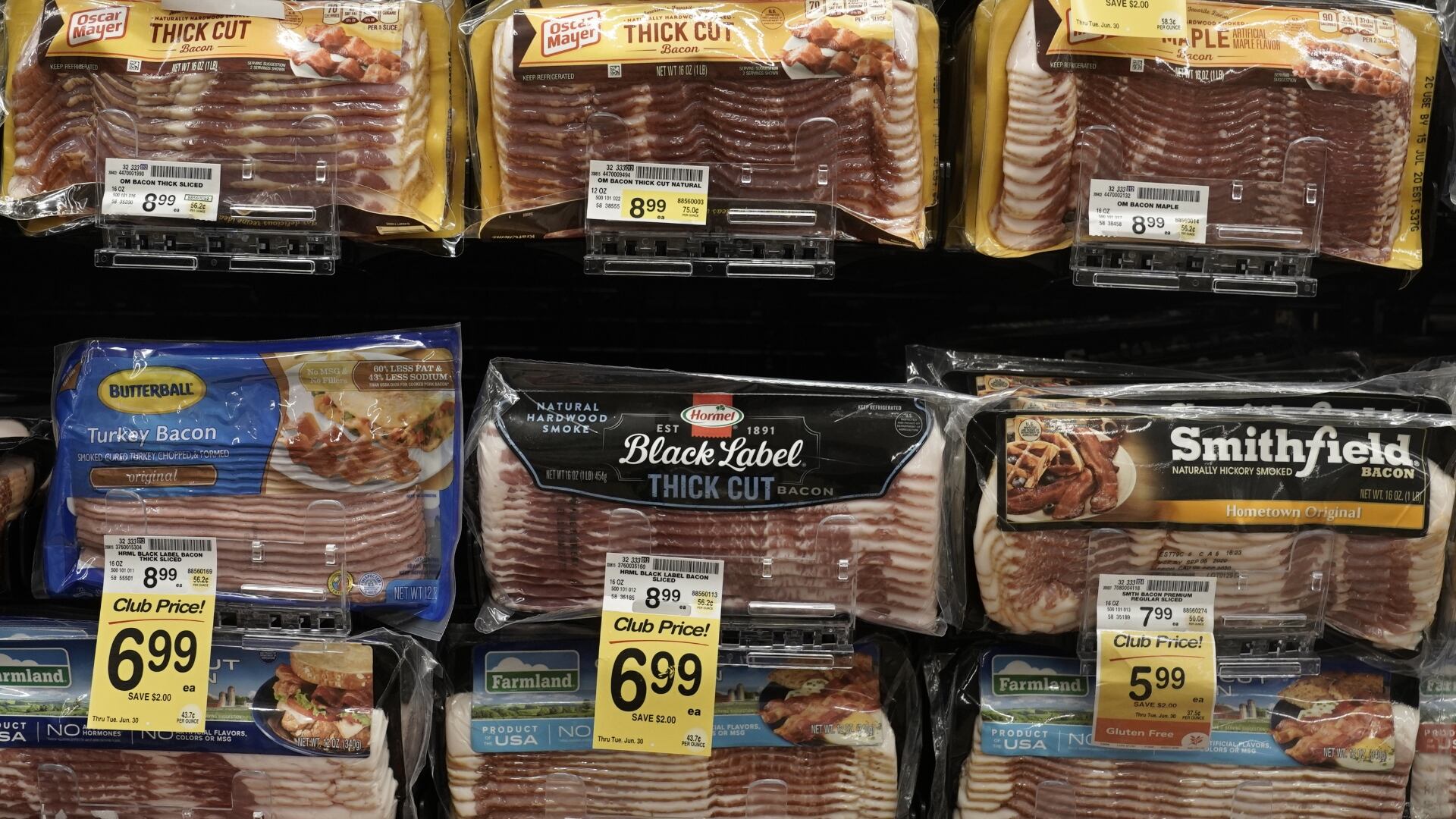
On Monday, President Biden announced his new plan to take on inflation by taking down the big meat monopolies - turning to the federal government's antitrust authorities to investigate the major meatpackers that control a significant share of the market. The White House plans to devote one billion dollars to aiding independent meat and poultry producers in an effort to undercut the few powerful meat producers that have control of the sector. Austin Frerick, deputy director of Thurman Arnold Project at Yale, joins Cheddar News to discuss.
As the pandemic drags on, so does the widespread great resignation. In November alone, 4.5 million Americans quit their jobs, marking a new record high, and showing a 9 percent jump from the month prior. On the flip side, the number of people filing tax paperwork to start new businesses is surging, with over 430,000 new businesses launching in November. Rhett Buttle, the founder of Public Private Strategies and national business advisor to the Biden for President campaign, joined Wake Up with Cheddar to discuss.
New York Attorney General Letitia James is ramping up a civil investigation into The Trump Organization. The AG's office has subpoenaed Ivanka Trump and Donald Trump Jr. They have refused to comply with the subpoenas. Bradley Moss, national security attorney, joins Cheddar News to discuss the next steps in this investigation.
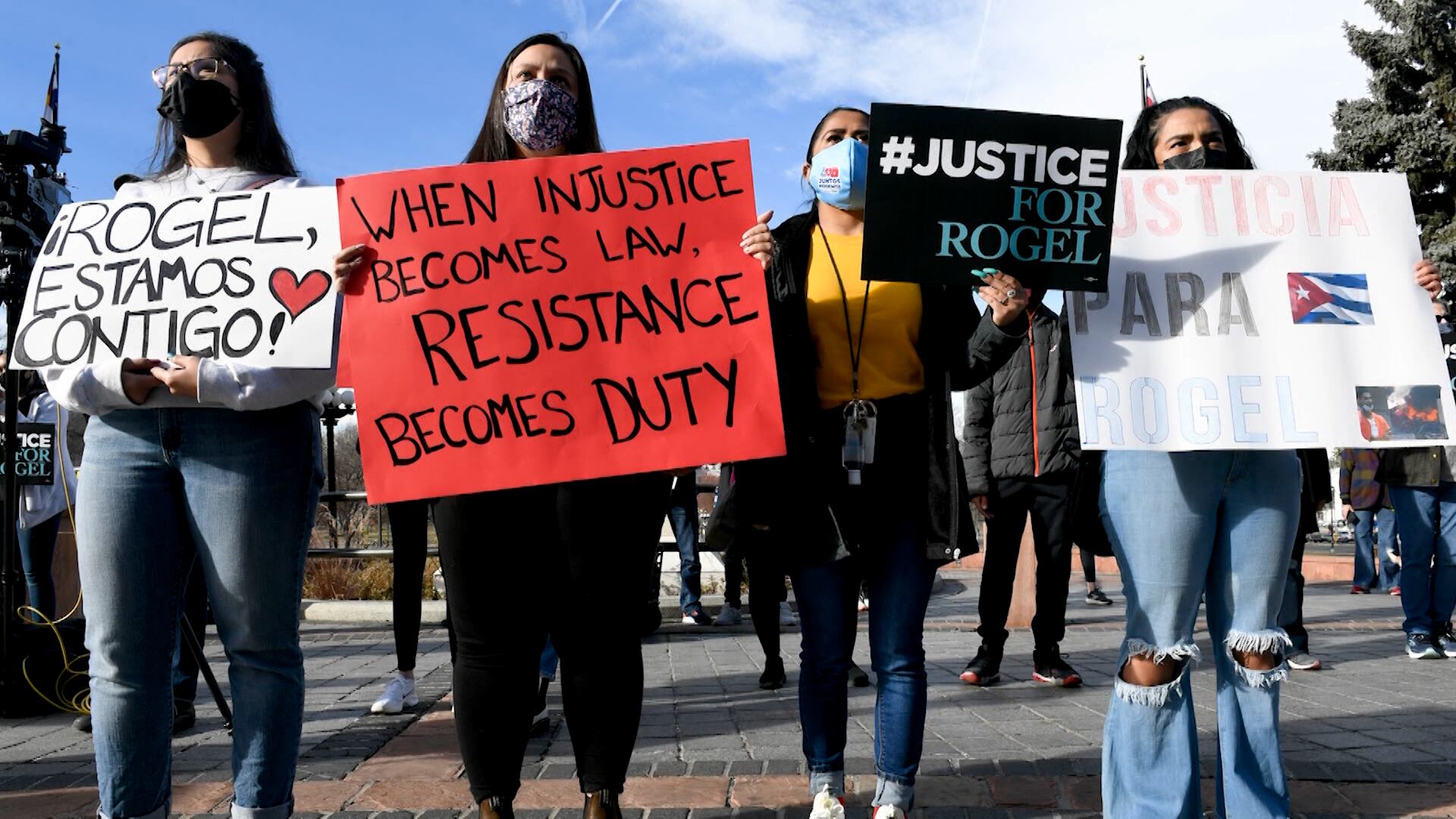
Colorado Gov. Jared Polis has officially reduced the 110-year prison sentence of truck driver Rogel Aguilera-Mederos to 10 years, calling the initial lengthy sentence “unjust.” Dan Gilleon, constitutional attorney at Gilleon Law Firm APC, joined Cheddar to discuss more.
Former Brooklyn Borough President Eric Adams was sworn in as the newest Mayor of New York City. Adams is now expected to work on a number of issues such as crime and coronavirus. Erin Durkin,, reporter at PoliticoNY, joins Cheddar News to discuss more.
California's new composting law will affect what residents do in their kitchens. As of this week, Californians will have to recycle excess food in an effort to reduce emissions caused by food waste. Cities and counties will turn recycled food into compost or use it as a renewable energy source. California's new law is the largest mandatory residential food waste recycling program in the country. Rachel Wagoner, Director of the California Department of Resources, Recycling and Recovery called the law 'the biggest change to trash' since recycling started in the 1980s. She joined Cheddar Climate to discuss.
As the U.S. comes up on the first anniversary of the January 6 insurrection.,A.C. Thompson, investigative reporter at ProPublica, joined Cheddar's Baker Machado to discuss updates to American Insurrection by FRONTLINE, ProPublica and Berkeley Journalism’s Investigative Reporting Program. The documentary investigates the attack on the Capitol touched off by the lie that the presidential election was stolen from Donald Trump but with new information gleaned since the event including interviews with lawmakers and law enforcement and the evolution of groups like the Boogaloo Boys and the Proud Boys behind the attack. "In some ways those groups that were kind of the vanguard of January 6 are maybe no longer relevant because their message is everywhere," he said.