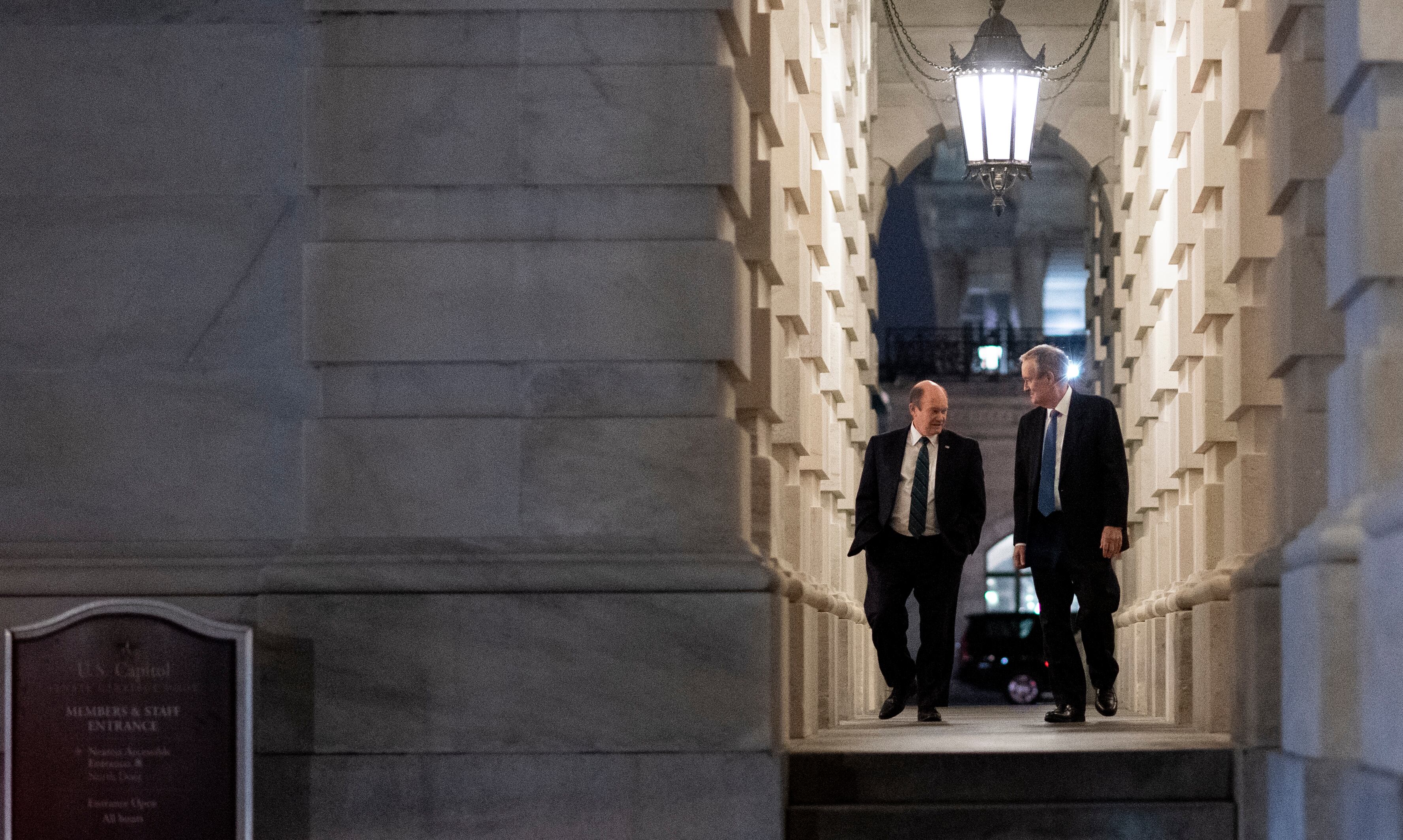
Sen. Mike Crapo, R-Idaho, and Sen. Chris Coons, D-Del., leave the Capitol after voting on the Coronavirus Aid, Relief, and Economic Security Act in the Capitol on Wednesday night. Photo By Bill Clark/CQ-Roll Call, Inc via Getty Images
With just minutes left in the day Wednesday, the Senate kept its pledge to pass a $2.2 trillion coronavirus relief bill, in a unanimous vote.
The 880-page bill is full of funding priorities, including the authorization of a cash infusion to Americans of up to $1,200 for adults and $500 for children.
The final bill also included $367 billion in loans to small businesses, $500 billion in assistance to large businesses, states and cities, as well as an expansion to unemployment benefits that gives an extra $600 per month to those already receiving their states’ unemployment benefits.
The unanimity in the final vote came after a day of uncertainty, as Republican Sens. Ben Sasse (Neb.), Rick Scott (Fla.), Lindsey Graham (S.C.) and Tim Scott (S.C.) threatened to hold up the bill because they felt the unemployment provisions in the bill were too generous and would disincentivize people to work.
“Let’s just make sure we make people whole,” Graham told reporters. “Let’s not increase their salary, because you can’t afford to do that.”
In response, Sen. Bernie Sanders (I-Vt.) threatened to hold up the bill over what he called the “corporate welfare” provisions in the bill.
Ultimately, these controversies were resolved before the final vote. Under normal circumstances, such a large bipartisan majority in the Senate would allay concerns from House members.
But much like the situation Wednesday, the bill’s path forward in the House remains somewhat unclear, as lawmakers of different stripes continue to express concerns about the massive package McConnell termed “emergency relief” rather than “stimulus.”
Rep. Alexandria Ocasio-Cortez (D-N.Y.) stayed active on Twitter for much of Wednesday, criticizing the Senate for its potentially extending its two-week Easter recess to three weeks. She also criticized Senate Republicans for offering a massive amount of corporate assistance in the same bill that is intended to offer relief to everyday Americans.
Ocasio-Cortez’s colleagues from the New York delegation are cautious about the bill. This comes after New York Gov. Andrew Cuomo (D) said the bill was insufficient in meeting the needs of his state, which leads the nation in coronavirus cases with upwards of 30,000 cases.
“It would really be terrible for the state of New York,” Cuomo said Wednesday. “That is a drop in the bucket as to need.”
Some House conservatives cited concerns over the bill’s vast price tag.
Florida Congressman Matt Gaetz (R-Fl.) tweeted his objection to funding for the National Endowments for the Arts and Humanities, Howard University and $350 million for the State Department’s Migration and Refugee Assistance programs.
Senate Majority Leader Steny Hoyer (D-Md.) has informed lawmakers that the House will convene Friday to consider the bill.
"In order to protect the safety of Members and staff and prevent further spread of COVID-19 through Members' travel,” Hoyer emailed lawmakers, “passage will be done by voice vote. Members who want to come to the House Floor to debate this bill will be able to do so."
The House originally hoped to pass the legislative package by unanimous consent but House Republican Leader Kevin McCarthy cautioned that it would not be possible.
"I don't believe we should pass a $2 trillion dollar package by unanimous consent,” McCarthy said Wednesday. “But I also think it would be able to pass it by a voice vote."
That is what both Democrats and Republicans are counting on, especially after Senators voted unanimously for the bill.
With unemployment claims at the highest level in recorded history: 3.28 million, there is increased pressure on the House to pass this quickly and get it to the president’s desk.
In the current package, unemployment benefits would be increased for anyone experiencing unemployment due to the coronavirus pandemic.
Lawmakers anticipate another funding bill will be needed in the future with Speaker Pelosi pledging further cash payments to Americans in a so-called “phase four” relief package.
Members of Congress have voted to advance a bill meant to address antitrust concerns related to tech giants including Amazon, Apple, Google, and Meta. The 'American Innovation and Choice Online Act' is largely seen as one of the best chances for the government to reign in Big Tech's dominance
Seth Schachner, Managing Director StratAmericas; Digital Business Executive joined Cheddar's Opening Bell to discuss.
American semiconductor company, Intel officially announcing plans to build a new $20 billion chip manufacturing complex outside Columbus, Ohio. This comes as the global chip shortage continues to hamper production of everything from smart phones, to cars. Jennifer Smith - Logistics and Supply Chain Reporter, WSJ joined Cheddar's Opening Bell to discuss.
The U.S. has put more than 8,000 American troops on high alert for possible deployment to Eastern Europe as the West prepares for a potential Russian invasion of Ukraine. With Russia building up more than 100,000 troops near the Ukrainian border, concerns over the country's behavior are mounting. Joel Rubin, Former Deputy Assistant Secretary of State and President of the Washington Strategy Group, joined Cheddar to discuss what this means for U.S.-Russia relations, and where the conflict might be heading next.
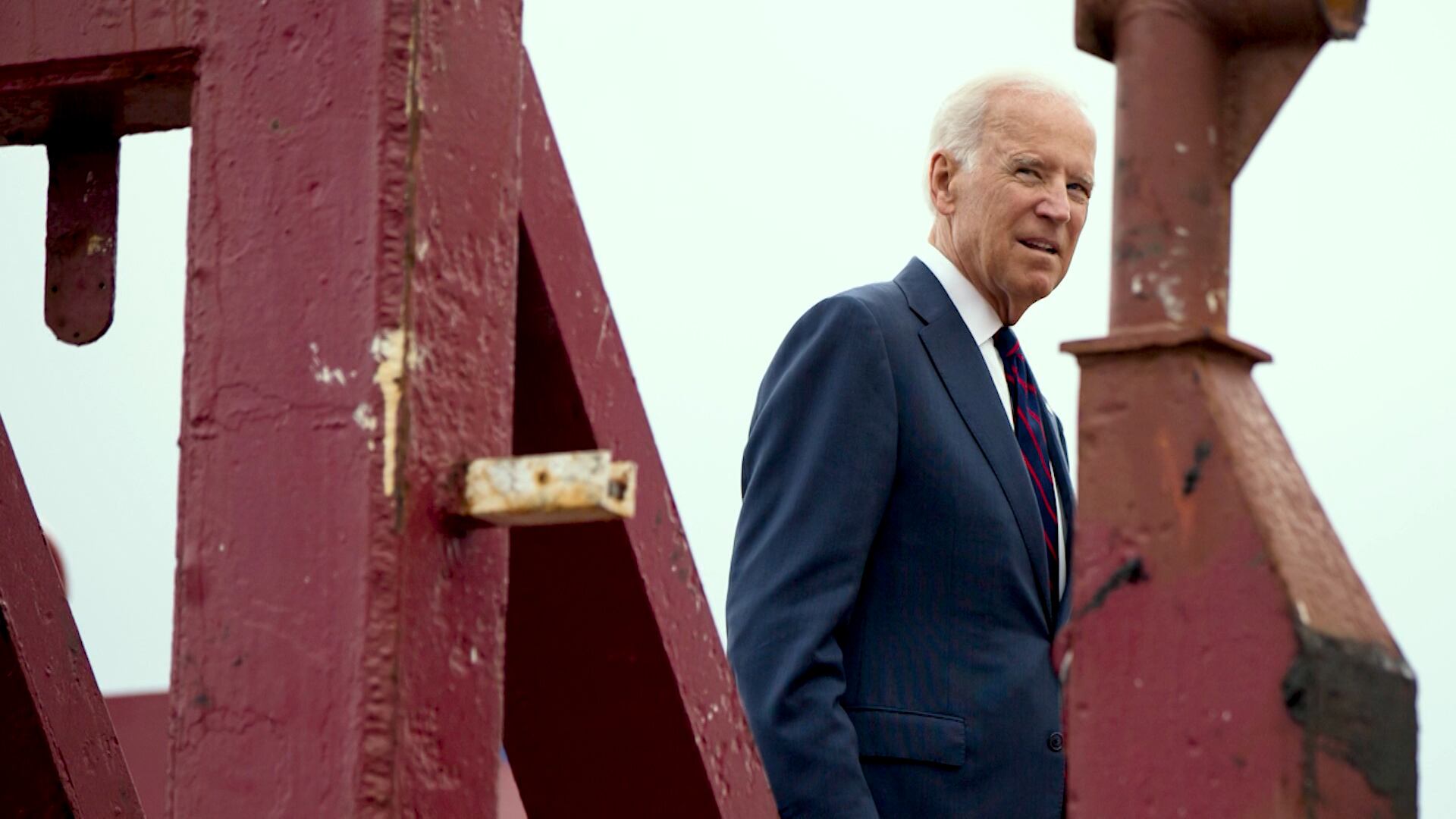
As the midterm election looms, things aren't looking too promising for President Joe Biden. One year into his term as president, Biden is facing one of the lowest approval ratings of any modern-day president, threatening his party's control of the House in 2022. Brian Bennett, Senior White House Correspondent for TIME, joined Cheddar's Opening Bell to discuss.
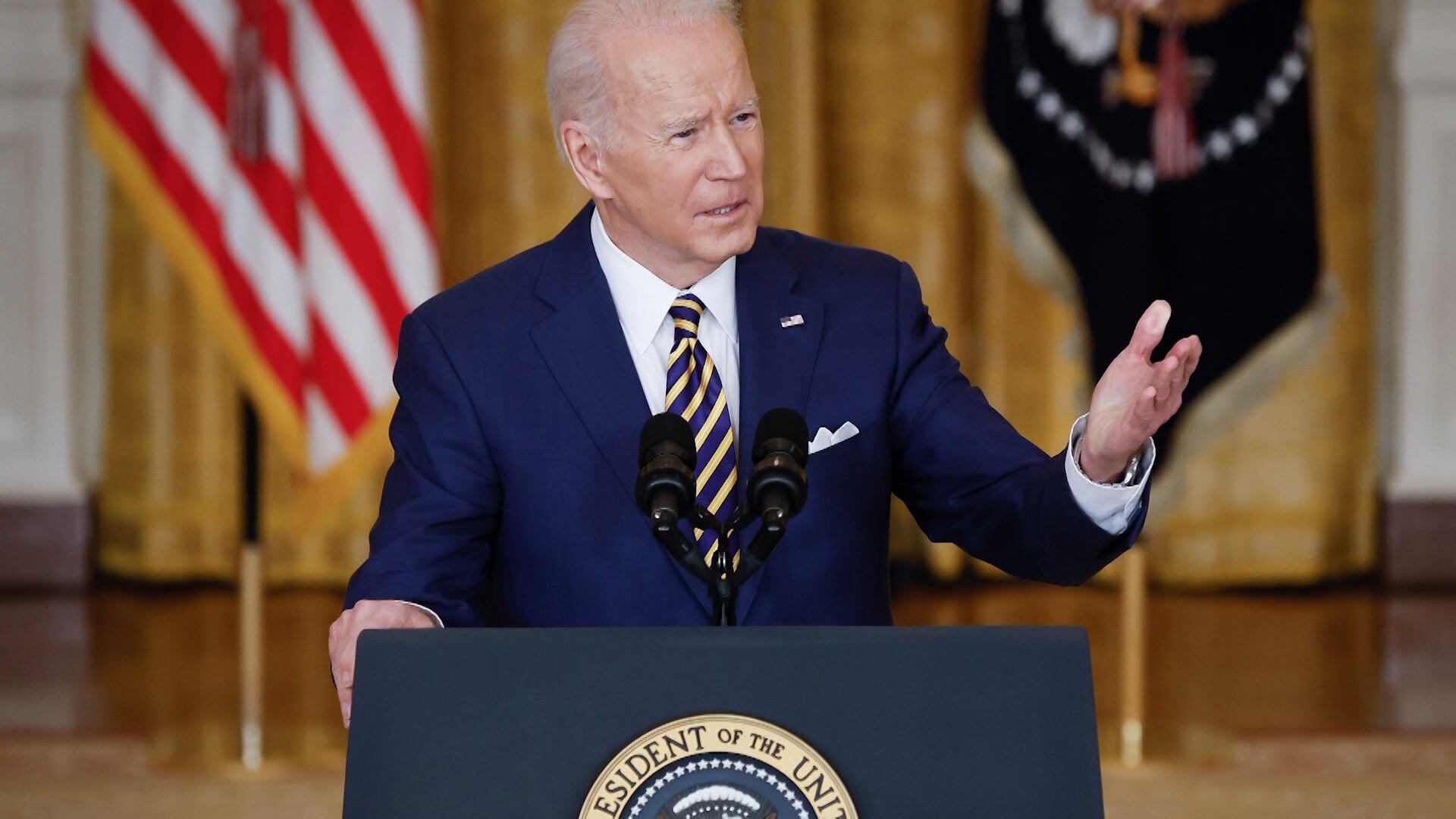
A full one year into his term as President of The United States, President Biden addressed the nation on Wednesday, facing questions on everything from inflation to chip shortages and covid-19. As Biden enters his second year in office, he is facing one of the lowest approval ratings of any modern-day president. Kate Davidson, Reporter, POLITICO joined Cheddar's Opening Bell to discuss.
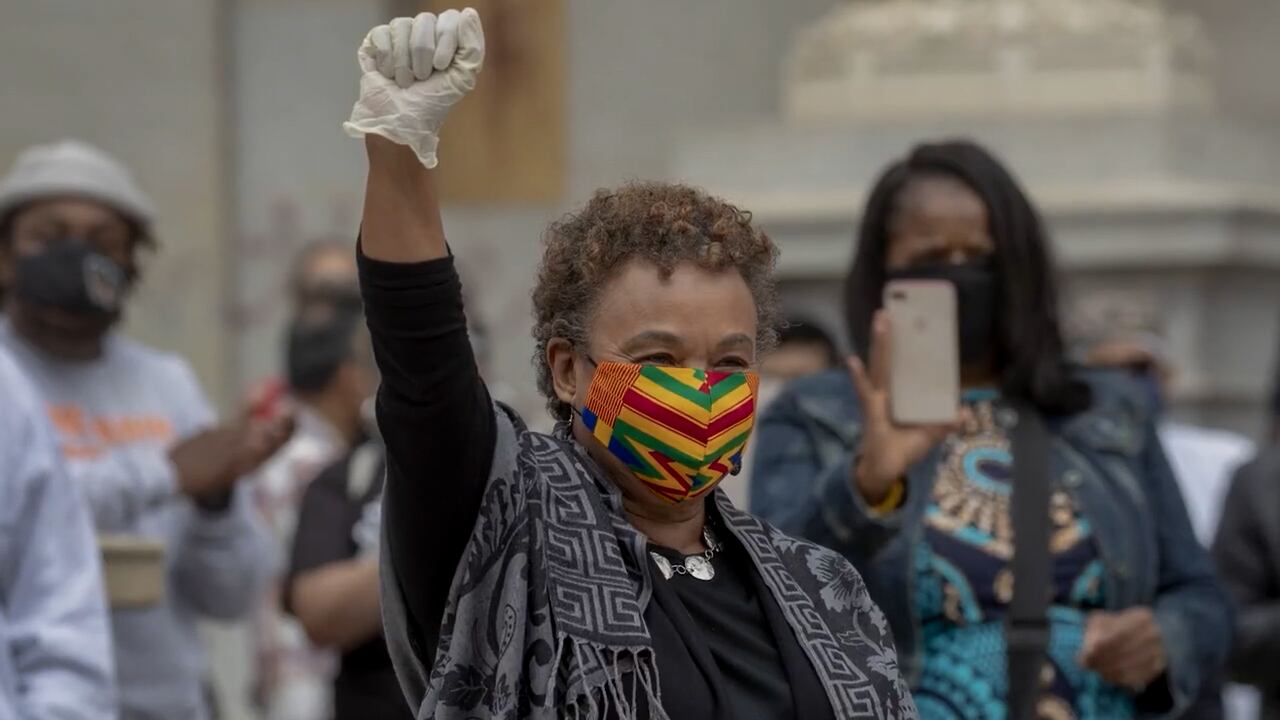
"Barbara Lee: Speaking Truth to Power" is the story of how the longtime House Democrat became, as she Is known to some, as "the Conscience of Congress." The film also
shows Representative Lee from her days working to fight community poverty to famously becoming the only member of Congress to vote "no" against the war in Afghanistan days after 9/11. The film is nominated for an NAACP Image Award, and Premieres on Starz on February 1. Film director Abby Ginzberg and Rep. Barbara Lee (D-Calif. 13th District), joined Cheddar to discuss more.
San Diego has just implemented a new law that could set the stage for how the country deals with food waste. This new law hopes to make a dent in that. Businesses and groceries stores out in San Diego will need to put a plan in place to *donate edible food rather than toss it straight to the trash. Food Rescue Manager at Feeding San Diego, Kate Garret
Earlier this month, New York City experienced one of the deadliest fires it has seen in decades. 17 people lost their lives in the Fordham section of the Bronx. This was due to a faulty space heater which reportedly began on the lower floor of the 120 unit building. Thanks to the F. D. N. Y. And heroic neighbors, many were able to get out in time. Unfortunately, the toxic smoke surged upwards through a safety door. Now, many advocates say negligence by policymakers and landlords has led to the deaths in black and brown communities from fires that honestly could have been preventable. Legislative Director of Citizen Action of New York, Rebecca Garrard, and the Chair of Journalism and New Media Studies at St. Joseph's College Theodore Hamm, joined Cheddar to discuss more.
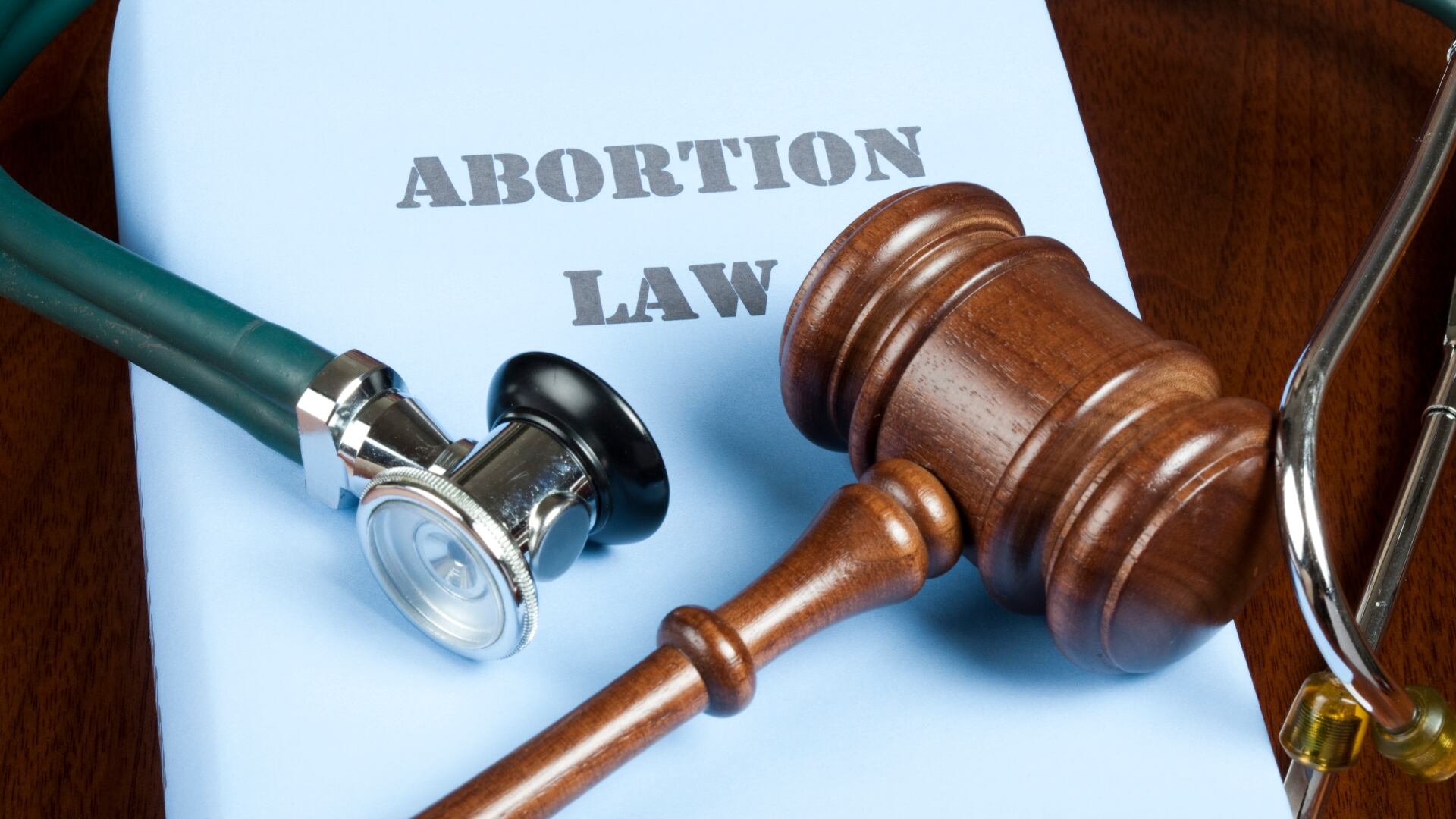
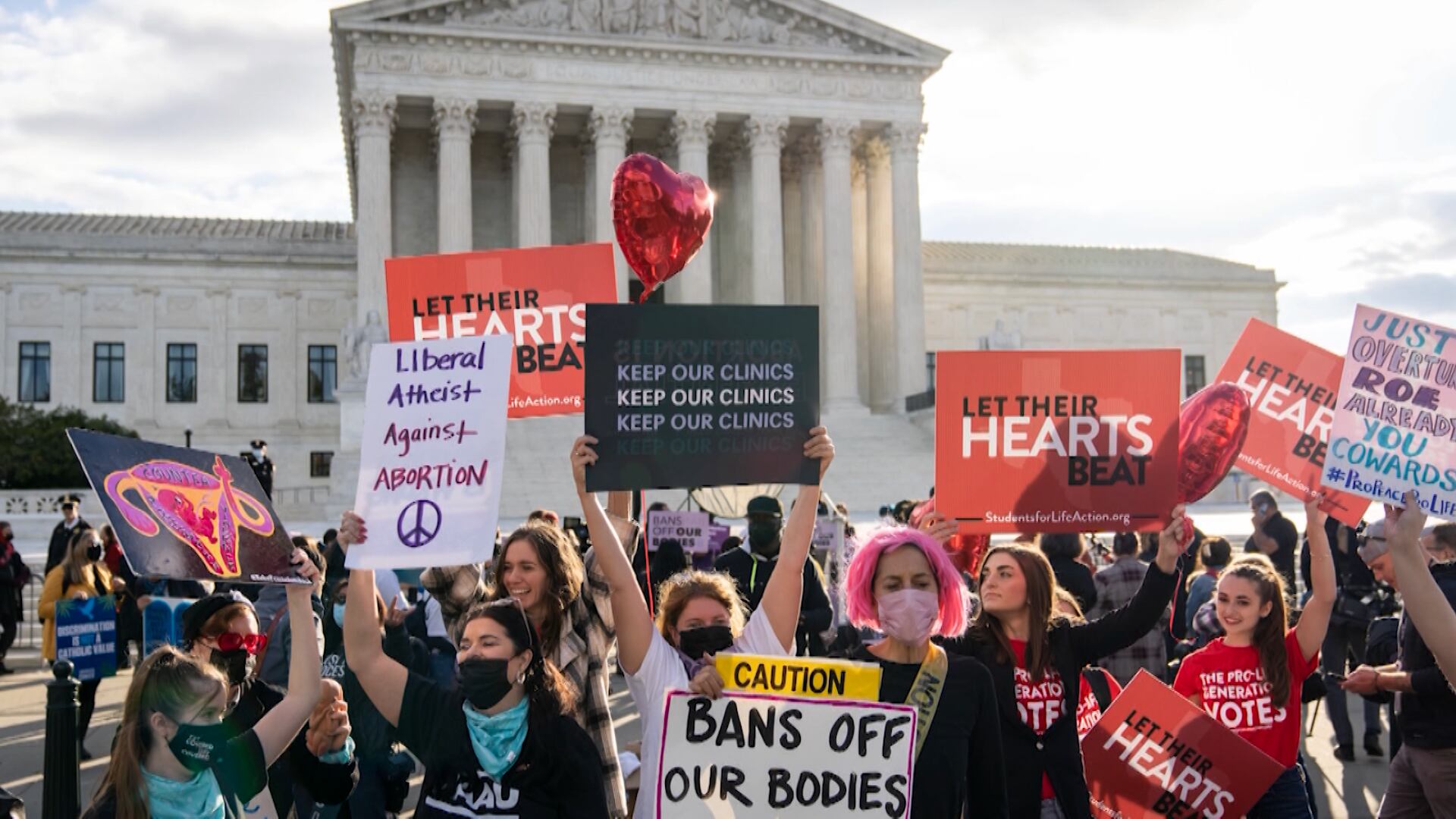
The Supreme Court has declined to order the Texas Abortion case back to the original trial judge for further proceedings. Essentially if Texas abortion providers were able to get their case back to the lower court., It would have greatly helped the group move against the law. However, this decision is likely to prolong the case legal battle. Professor and Author of "The Turnaway Study: Ten Years, a Thousand Women, and the Consequences of Having — Or Being Denied — An Abortion", Diane Foster, joined Cheddar to discuss more.
The Supreme Court rejected yet another bid by abortion providers to block Texas's law - which bans most abortions after six weeks of pregnancy. This is the fourth time that advocates have tried and failed to block the most restrictive abortion ban in the country. Leah Litman, assistant professor of law at The University of Michigan and co-host of the "Strict Scrutiny" podcast, joins Cheddar News to discuss.