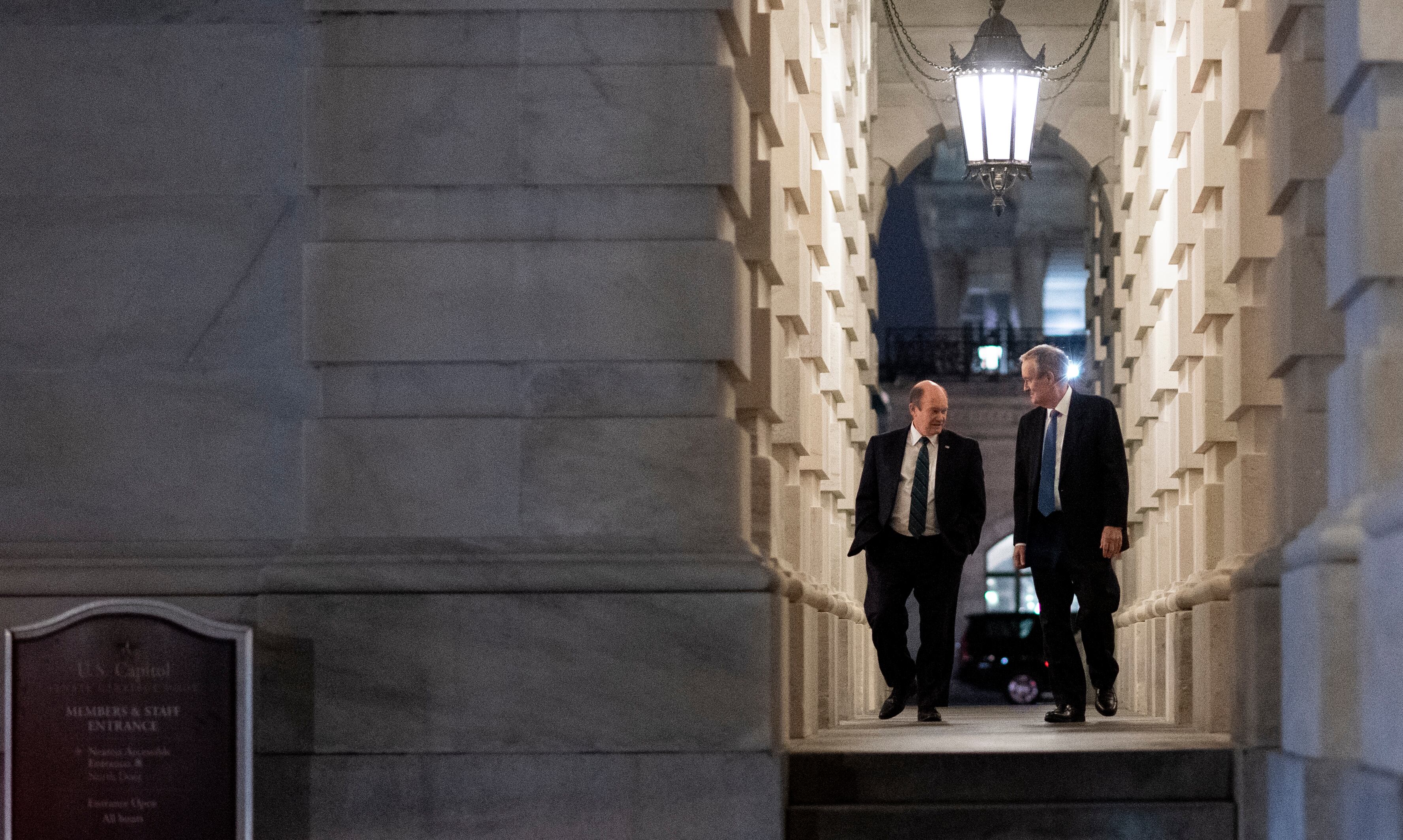
Sen. Mike Crapo, R-Idaho, and Sen. Chris Coons, D-Del., leave the Capitol after voting on the Coronavirus Aid, Relief, and Economic Security Act in the Capitol on Wednesday night. Photo By Bill Clark/CQ-Roll Call, Inc via Getty Images
With just minutes left in the day Wednesday, the Senate kept its pledge to pass a $2.2 trillion coronavirus relief bill, in a unanimous vote.
The 880-page bill is full of funding priorities, including the authorization of a cash infusion to Americans of up to $1,200 for adults and $500 for children.
The final bill also included $367 billion in loans to small businesses, $500 billion in assistance to large businesses, states and cities, as well as an expansion to unemployment benefits that gives an extra $600 per month to those already receiving their states’ unemployment benefits.
The unanimity in the final vote came after a day of uncertainty, as Republican Sens. Ben Sasse (Neb.), Rick Scott (Fla.), Lindsey Graham (S.C.) and Tim Scott (S.C.) threatened to hold up the bill because they felt the unemployment provisions in the bill were too generous and would disincentivize people to work.
“Let’s just make sure we make people whole,” Graham told reporters. “Let’s not increase their salary, because you can’t afford to do that.”
In response, Sen. Bernie Sanders (I-Vt.) threatened to hold up the bill over what he called the “corporate welfare” provisions in the bill.
Ultimately, these controversies were resolved before the final vote. Under normal circumstances, such a large bipartisan majority in the Senate would allay concerns from House members.
But much like the situation Wednesday, the bill’s path forward in the House remains somewhat unclear, as lawmakers of different stripes continue to express concerns about the massive package McConnell termed “emergency relief” rather than “stimulus.”
Rep. Alexandria Ocasio-Cortez (D-N.Y.) stayed active on Twitter for much of Wednesday, criticizing the Senate for its potentially extending its two-week Easter recess to three weeks. She also criticized Senate Republicans for offering a massive amount of corporate assistance in the same bill that is intended to offer relief to everyday Americans.
Ocasio-Cortez’s colleagues from the New York delegation are cautious about the bill. This comes after New York Gov. Andrew Cuomo (D) said the bill was insufficient in meeting the needs of his state, which leads the nation in coronavirus cases with upwards of 30,000 cases.
“It would really be terrible for the state of New York,” Cuomo said Wednesday. “That is a drop in the bucket as to need.”
Some House conservatives cited concerns over the bill’s vast price tag.
Florida Congressman Matt Gaetz (R-Fl.) tweeted his objection to funding for the National Endowments for the Arts and Humanities, Howard University and $350 million for the State Department’s Migration and Refugee Assistance programs.
Senate Majority Leader Steny Hoyer (D-Md.) has informed lawmakers that the House will convene Friday to consider the bill.
"In order to protect the safety of Members and staff and prevent further spread of COVID-19 through Members' travel,” Hoyer emailed lawmakers, “passage will be done by voice vote. Members who want to come to the House Floor to debate this bill will be able to do so."
The House originally hoped to pass the legislative package by unanimous consent but House Republican Leader Kevin McCarthy cautioned that it would not be possible.
"I don't believe we should pass a $2 trillion dollar package by unanimous consent,” McCarthy said Wednesday. “But I also think it would be able to pass it by a voice vote."
That is what both Democrats and Republicans are counting on, especially after Senators voted unanimously for the bill.
With unemployment claims at the highest level in recorded history: 3.28 million, there is increased pressure on the House to pass this quickly and get it to the president’s desk.
In the current package, unemployment benefits would be increased for anyone experiencing unemployment due to the coronavirus pandemic.
Lawmakers anticipate another funding bill will be needed in the future with Speaker Pelosi pledging further cash payments to Americans in a so-called “phase four” relief package.
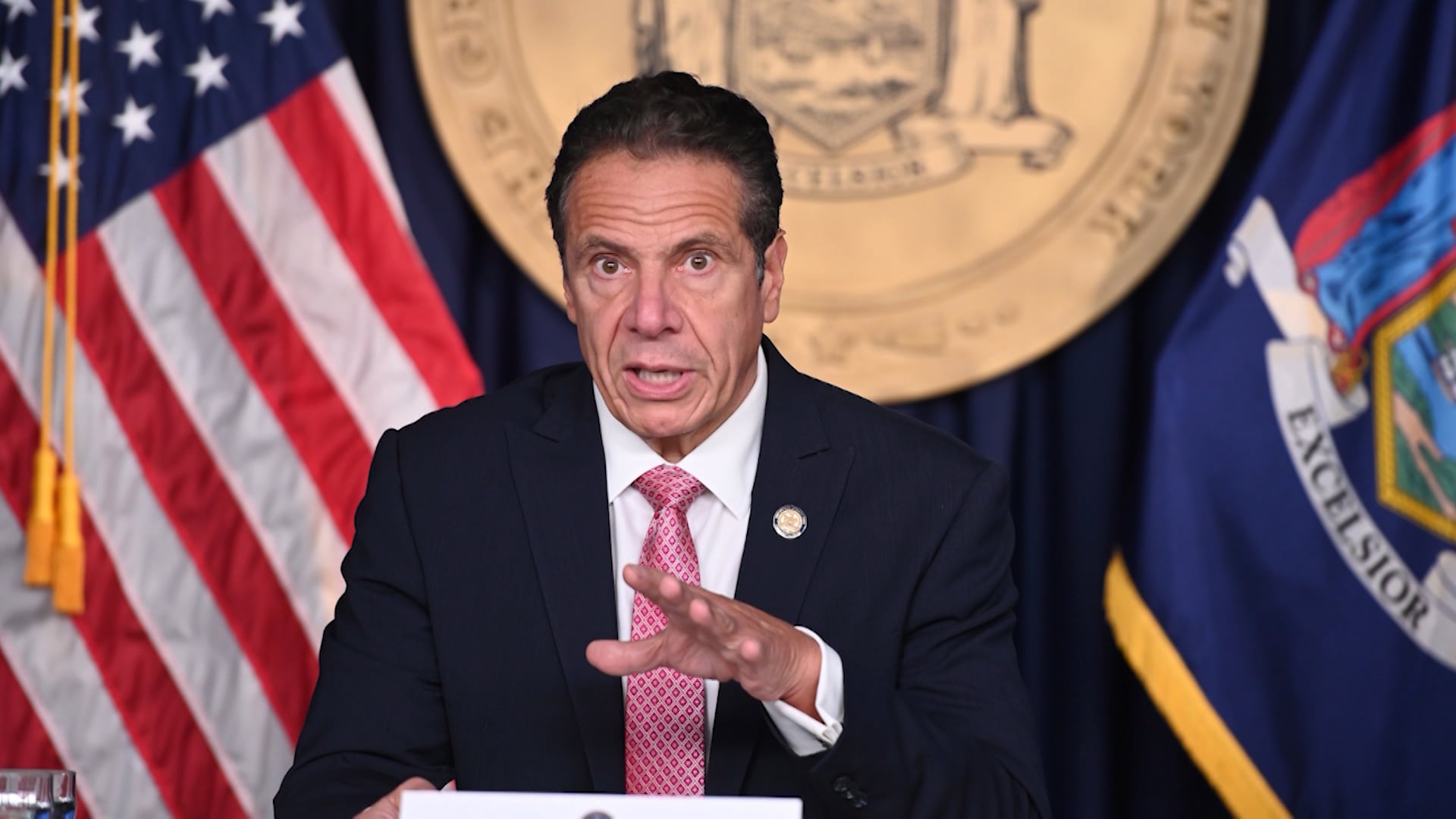
Andrew Cuomo is reportedly planning his comeback. According to the Wall Street Journal, the former New York governor and his aides are considering how to make his first public appearance since he abruptly resigned last August amid sexual harassment allegations. Jake Lahut, politics reporter for Insider, joined Cheddar's Opening Bell to discuss Cuomo's potential return to politics.
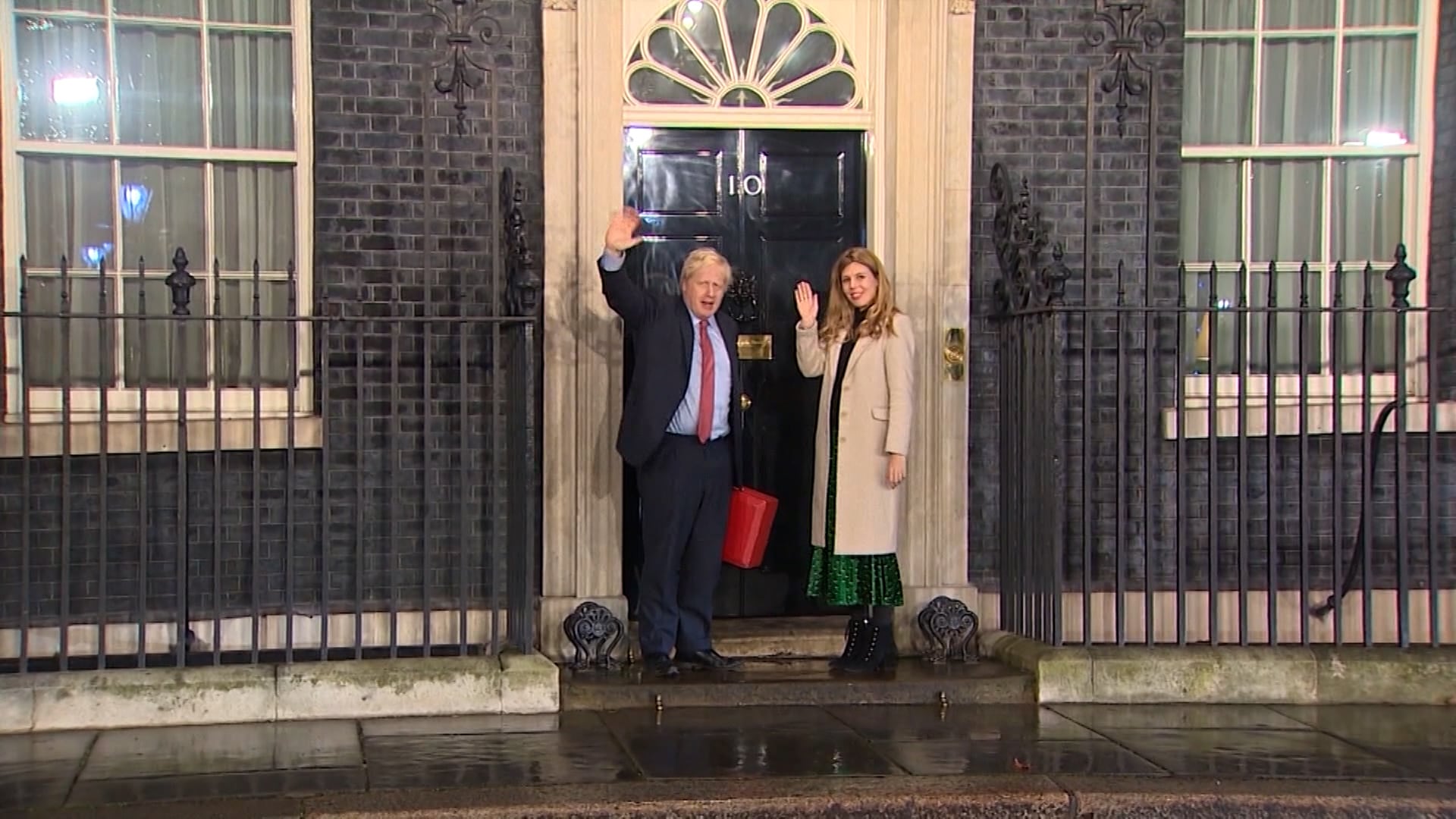
The pressure is on for UK Prime Minister Boris Johnson - after his closest aides handed in their resignations this week.
It comes after a report found that 16 parties had taken place at Downing Street while Covid lockdown protocols were in place in the region. Ari Aramesh, Attorney & National Security/Foreign Policy Analyst joined Cheddar's Opening Bell to discuss.
President Biden has ordered about 3,000 U.S. troops to Eastern Europe as Russia refuses to back off its pressure on Ukraine. The deployments to Poland, Germany, and Romania are a show of support to NATO allies concerned about a potential Russian invasion of Ukraine. This is in addition to the 8,500 troops put on high alert. David Tafuri, former Obama campaign foreign policy advisor and former State Department official, joined Cheddar to discuss what this move means for U.S.-Russia relations.
After tennis player Peng Shuai made an explicit sexual assault allegation toward a former Chinese government official, she disappeared from the public eye. Her recent reappearance with the IOC alongside a Chinese Olympic committee official raised eyebrows and renewed concerns for her safety. Asian affairs expert Gordon Chang, author of "The Coming Collapse of China," joined Wake Up With Cheddar to discuss Peng Shuai's retraction and the various human rights controversies swirling at the Beijing games. "It's clear that the IOC was working with Beijing to make sure that she did not express herself freely," Chang said. "So really this is the IOC being complicit in these mechanisms of control over Peng."
The opening ceremony of the 2022 winter Olympics has kicked off at the Beijing national stadium. 150,000 spectators are in attendance for the games inside the 'closed loop' system separating Olympic personnel from the public. Cheddar News spoke with Brian Cazenueve, Sports Illustrated contributor, to share the highlights you may have missed and much more.
The Biden Administration is set to revise federal rules to address potential security risks from foreign-owned apps, mainly Tiktok. This comes after the White House opted not to pursue a forced shutdown of the Chinese-owned video sharing platform. Under these new rules, federal oversight would be expanded to explicitly include apps that could be used by foreign adversaries to steal or otherwise obtain data. Senior Fellow at the Foundation for Defense of Democracies, Craig Singleton, joined Cheddar to discuss more.
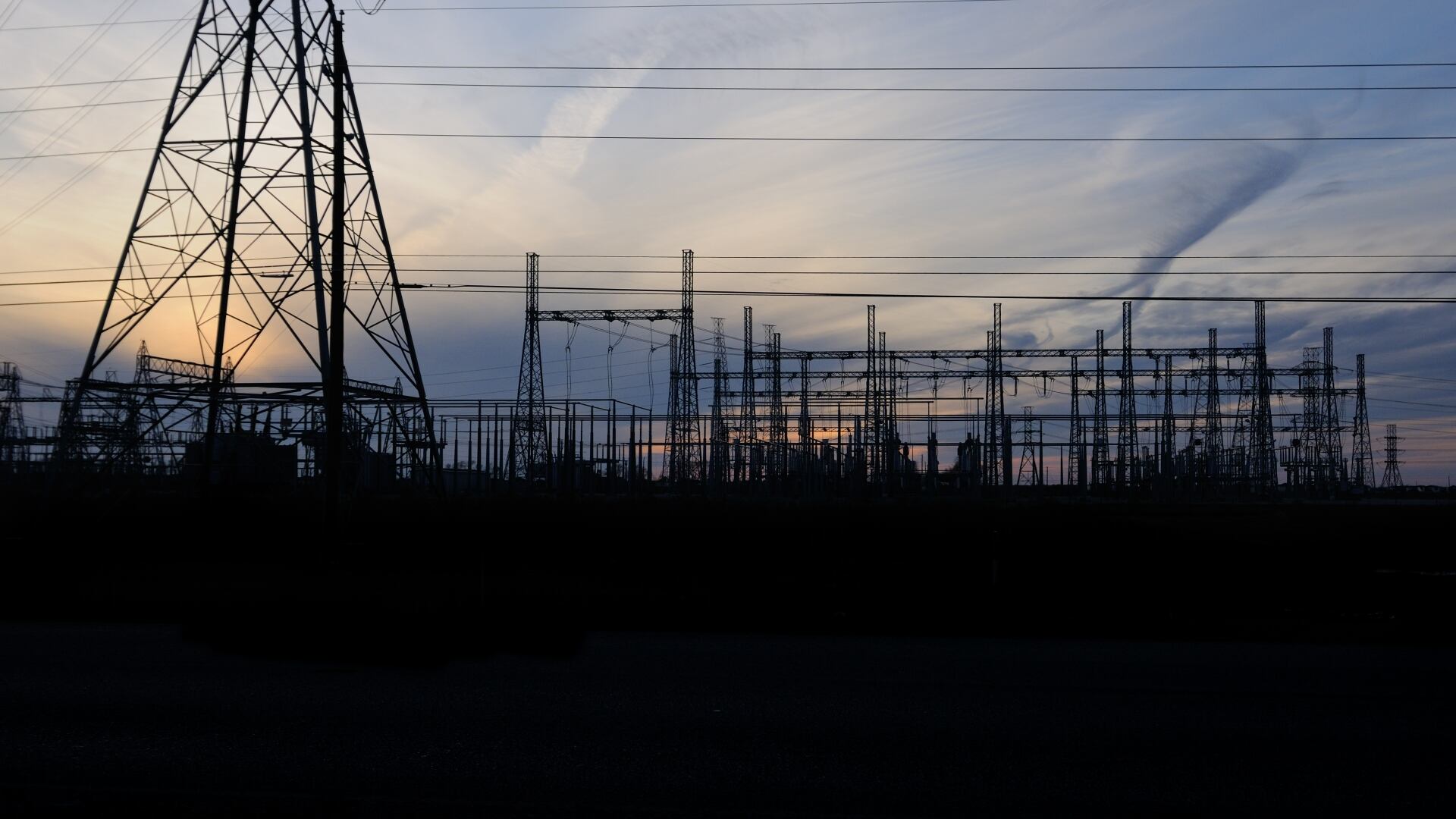
Although this week's weather is predicted to be less severe than the 2021 storm, Texans are preparing for the worst - stocking up on supplies and emptying shelves in grocery stores, once again. Some Texans still have not recovered from last year's tragedy, and are heading into the next few weeks with anxiety for what's to come. Leslie Beyer, CEO of the Houston-based energy workforce & technology council, joins Cheddar News to discuss if the Texas grid will fail again.
Student loan debt continues to be a major concern for tens of millions of Americans who collectively owe about $1.7 trillion. Black college students often take on larger amounts of student debt in order to pay for a higher education. In turn, they are more likely to struggle post-graduation with repaying their debt, creating a racial wealth gap divide. Andre Perry, senior fellow at Brookings Institution joined All Hands to help break down the black student debt crisis.
After two NYPD officers were killed with an illegal gun, President Biden made a trip to New York City to speak on the issue of gun violence fed by the "iron pipeline" of illegal firearms that make their way from the South to the Big Apple. Kris Brown, the president of the gun violence prevention organization Brady United, joined Cheddar to discuss what this visit from the president could mean for the future of gun laws in America. "He's asked Congress to pass things like expanding the Brady background check system, but with the filibuster a barrier to so much action right now in the Congress, he's looking at solutions that involve funding at the federal level and really involve enforcement."