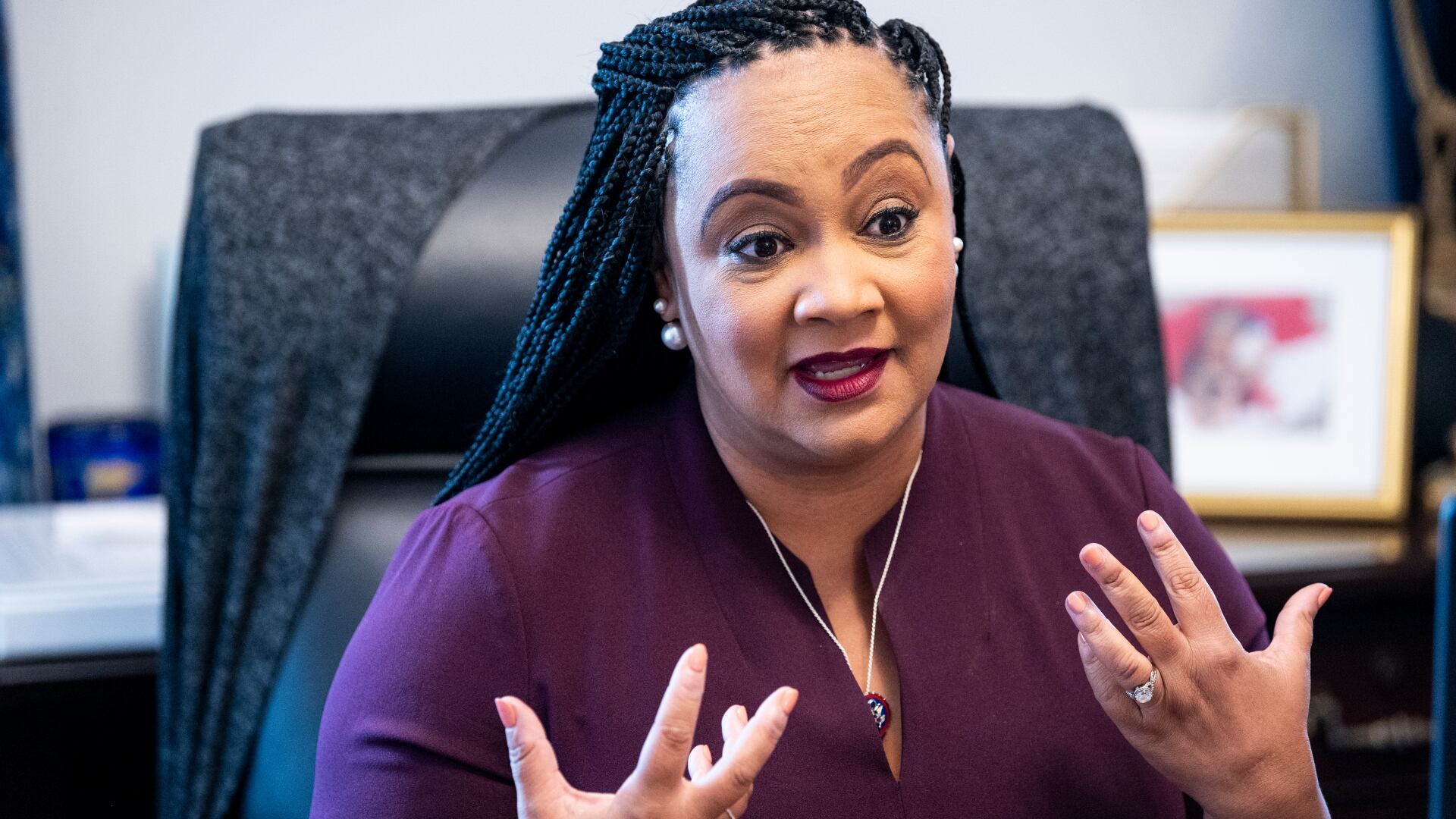
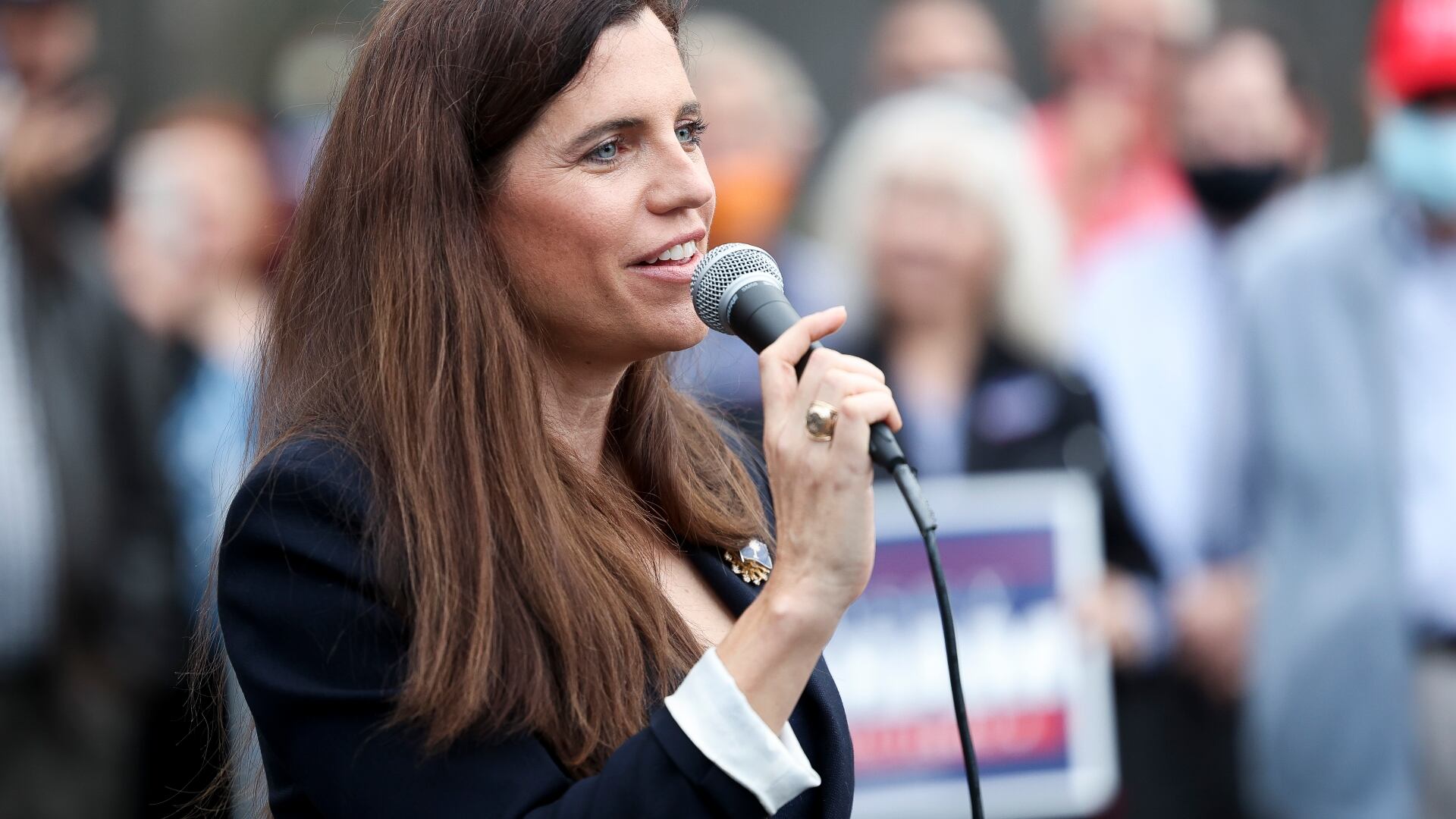
Though former Minneapolis officer Derek Chauvin was convicted of murdering George Floyd nearly a year ago, Senator Tina Smith (D-Minn.) said there is much more work to be done to increase police accountability.
Smith, whose hometown is Minneapolis, told Cheddar that people have to continue organizing and bringing grassroots movements to the forefront so this isolated and rare conviction of a police officer can become a more commonplace reality.
“I think a lot of people in Minnesota and probably around the country were feeling a sense of great relief, that in this most egregious murder that we all saw play out on our video screens, that there was accountability," she said. "But we know that the work ahead to really address these challenges and to fight to make sure that there is true equal justice in this country is a long road ahead of us, and we’ve got to get on it.”
Smith is encouraging her Senate colleagues to support the George Floyd Justice in Policing Act, which the House passed in March, though it is expected to hit a few roadblocks, particularly when it comes to altering qualified immunity for police officers. Such a change would make it easier for citizens to bring civil lawsuits against officers for police misconduct.
The bill would also eliminate several problematic policing tactics used by various departments nationwide, including no-knock warrants, like the one obtained by police in the lead-up to the killing of Breonna Taylor, and chokeholds, a restraint technique already banned by the NYPD before it was used on Eric Garner. It would also provide an easier path for the Justice Department to investigate patterns of misconduct.
“I believe that addressing qualified immunity is what it’s going to take to change the culture in police departments and to change the ways in which we then hold police departments and law enforcement accountable for excessive use of force,” Smith noted.
“I’m not naive. This is going to be difficult to get support for, but you can see some little inklings among some of my Republican colleagues who are willing to take a look at this," she said. "I want to thank and commend Senator Tim Scott who has shown a real interest in trying to address this because he himself as United States Senator and a Black man has experienced this kind of disproportionate effect of law enforcement on him personally.”
Drastically different from the Democrats’ reform bill, Scott (R-S.C.) introduced his own police reform bill, which includes incentives for cities to end the use of chokeholds but stops short of completely banning them. Smith said she is willing to negotiate and believes some bipartisan progress can be made since more GOP members may be recognizing that changes in American policing are necessary.
“The thing we cannot do is to take steps that are not that meaningful, that aren’t going to result in real change, declare victory, and then reduce the pressure to really change these systems that result in such disproportionate impact on Black and Brown people and all people of color,” she added.
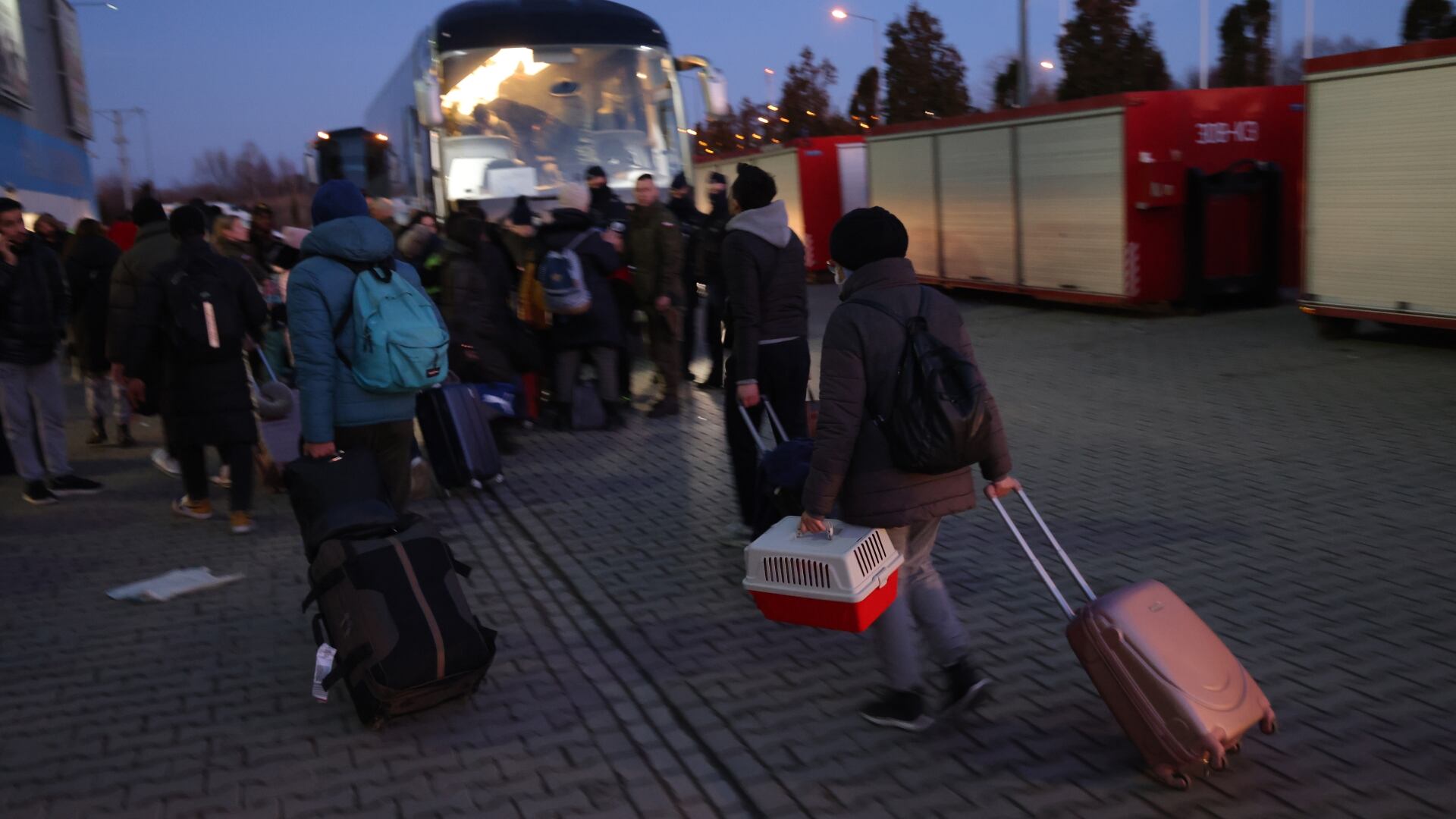
The United Nations High Commissioner for Refugees (UNHCR) has reported that an estimated one million people have fled from Ukraine since Russia invaded. Christopher Boian, senior communications officer at UNHCR, joined Cheddar News to report on the current refugee crisis and what the world might expect if conditions continue to worsen. "We have planning figures that forecast as many as four million people could be forced to flee Ukraine," he said. "But that very much depends on how the conflict underway in that country at the moment unfolds in the days and possibly weeks ahead."
Under the U.S. Renewable Fuel Standard (RFS), corn-based ethanol has been mixed into gasoline sold at pumps in the U.S. since 2005, when a policy was enacted aimed at reducing emissions. Corn-based ethanol had been thought to be a relatively greener energy source compared to other biofuels, but now, a new study published in the Proceedings of the National Academy of Sciences reports it may be actually worse for the climate than straight gasoline. Tyler Lark, an assistant scientist at the University of Wisconsin-Madison's Center for Sustainability, joined Cheddar News' Closing Bell and discussed the pushback against the study. "Essentially when you need to produce more corn to meet the demand for use as ethanol as fuel, farmers respond and they switch more crops like soybeans and wheat into corn," Lark said. "They also bring more land into production, so things that used to be pasture grassland, and both those activities are associated with increased greenhouse gas emissions."
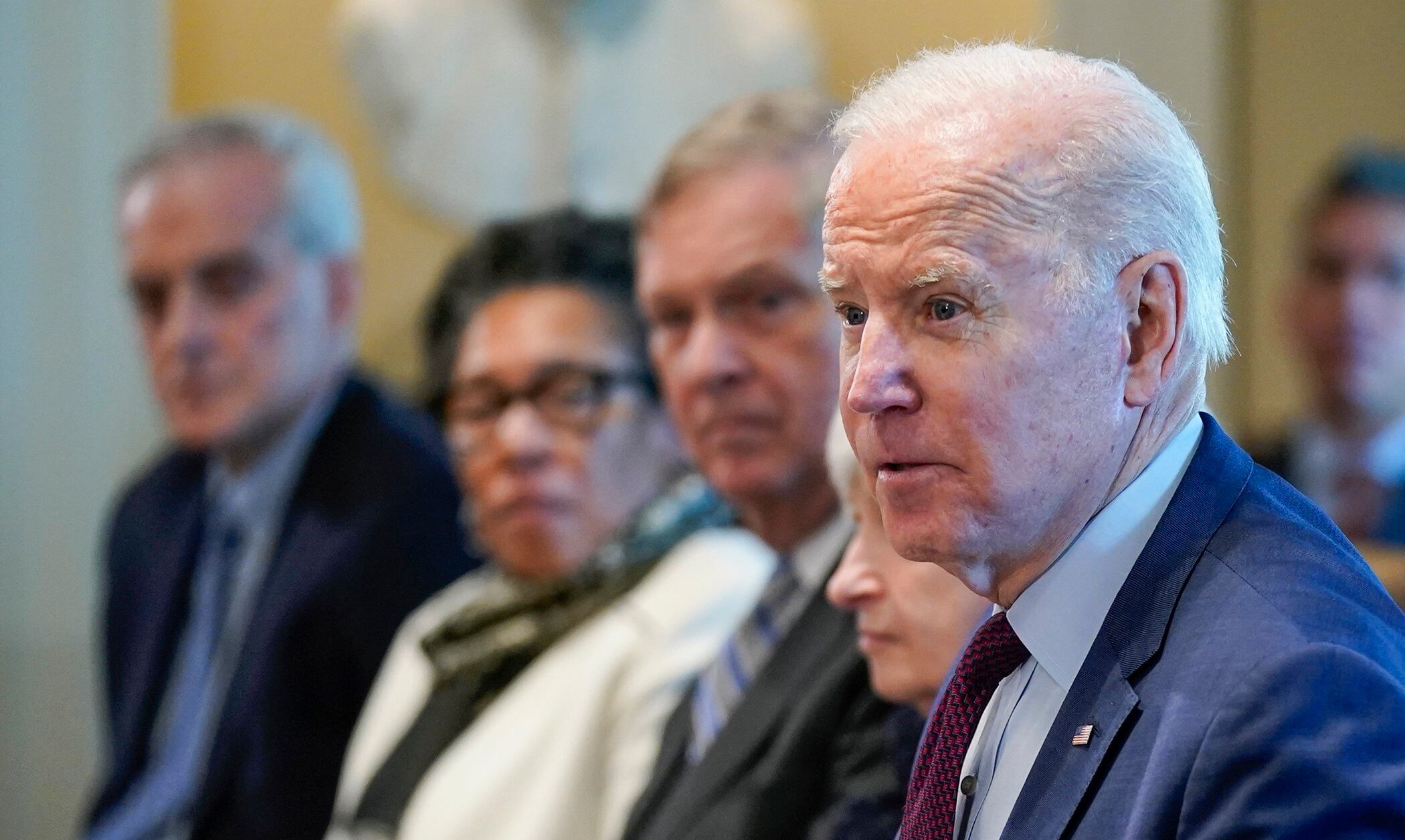
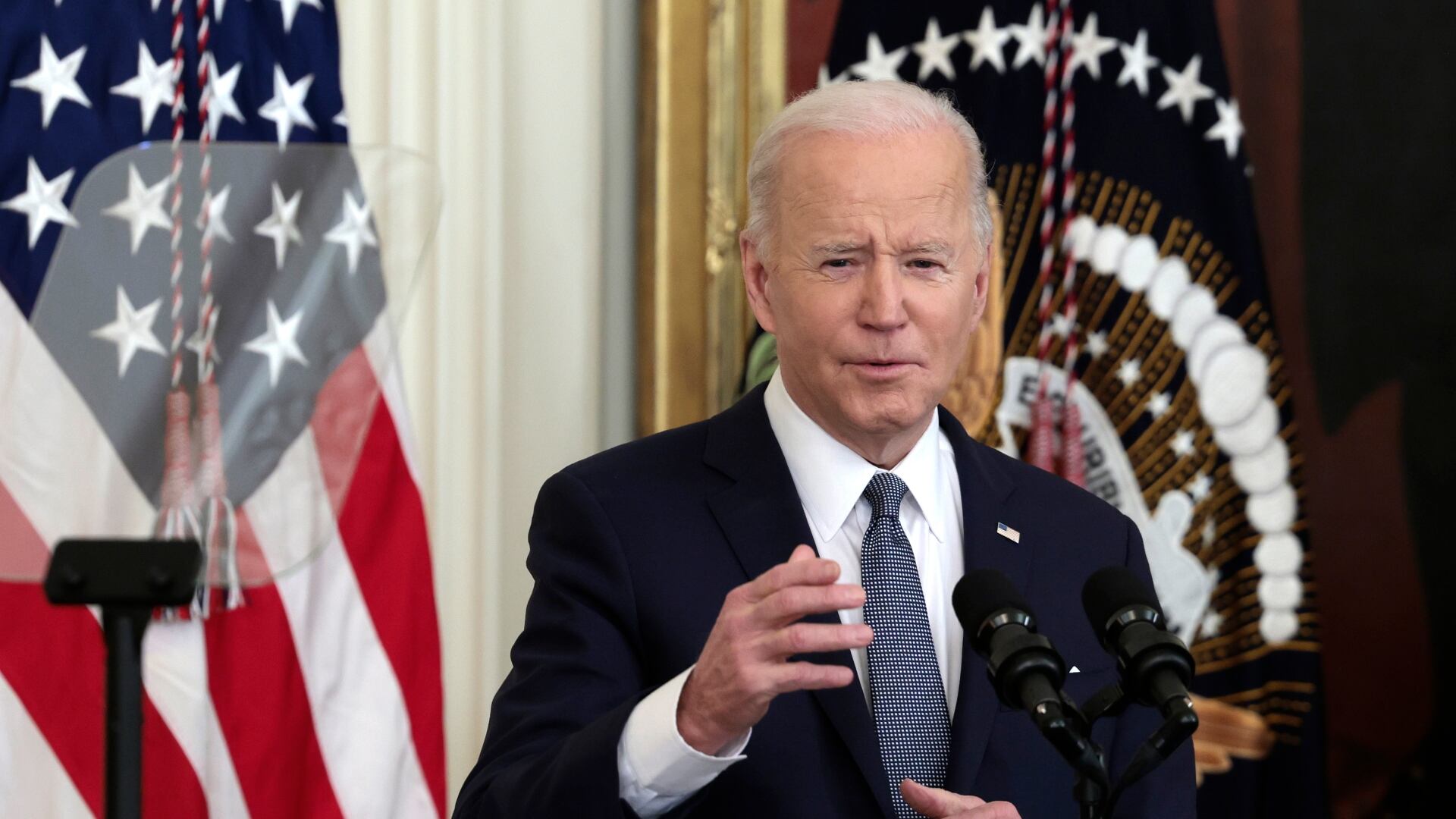
U.S. President Joe Biden’s administration on Thursday announced new sanctions against Russian oligarchs and others in President Vladimir Putin’s inner circle.
Christian Blauvelt, executive managing editor at IndieWire, joins Cheddar News to discuss the growing number of studios pulling content from Russia over Ukraine invasion.
Russian forces are battling for control of a crucial energy-producing city in Ukraine’s south and gaining ground in their bid to cut off the country from the sea.
In the past few years, Betthany Frankel has made a major name for herself as a philanthropist after founding the
BStrong initiative, which has provided relief to people impacted by natural disasters as well as the COVID-19 pandemic. Now, BStrong is shifting its focus to Ukraine, raising millions of dollars in donations for those impacted by Russia's invasion. Bethenny Frankel, the founder of BStrong, joins Cheddar News' Closing Bell to discuss.
Bryan Lee, Chief Investment Officer at Blue Zone Wealth Advisors, joins Cheddar News' Closing Bell, where he elaborates on the volatility we've seen in the markets this week fueled by rising oil prices and the ongoing Russian invasion of Ukraine.
Francesca Chambers, White House correspondent for McClatchy, joins Cheddar News to discuss all the topics President Biden has to juggle in his State of the Union address.