Though former Minneapolis officer Derek Chauvin was convicted of murdering George Floyd nearly a year ago, Senator Tina Smith (D-Minn.) said there is much more work to be done to increase police accountability.
Smith, whose hometown is Minneapolis, told Cheddar that people have to continue organizing and bringing grassroots movements to the forefront so this isolated and rare conviction of a police officer can become a more commonplace reality.
“I think a lot of people in Minnesota and probably around the country were feeling a sense of great relief, that in this most egregious murder that we all saw play out on our video screens, that there was accountability," she said. "But we know that the work ahead to really address these challenges and to fight to make sure that there is true equal justice in this country is a long road ahead of us, and we’ve got to get on it.”
Smith is encouraging her Senate colleagues to support the George Floyd Justice in Policing Act, which the House passed in March, though it is expected to hit a few roadblocks, particularly when it comes to altering qualified immunity for police officers. Such a change would make it easier for citizens to bring civil lawsuits against officers for police misconduct.
The bill would also eliminate several problematic policing tactics used by various departments nationwide, including no-knock warrants, like the one obtained by police in the lead-up to the killing of Breonna Taylor, and chokeholds, a restraint technique already banned by the NYPD before it was used on Eric Garner. It would also provide an easier path for the Justice Department to investigate patterns of misconduct.
“I believe that addressing qualified immunity is what it’s going to take to change the culture in police departments and to change the ways in which we then hold police departments and law enforcement accountable for excessive use of force,” Smith noted.
“I’m not naive. This is going to be difficult to get support for, but you can see some little inklings among some of my Republican colleagues who are willing to take a look at this," she said. "I want to thank and commend Senator Tim Scott who has shown a real interest in trying to address this because he himself as United States Senator and a Black man has experienced this kind of disproportionate effect of law enforcement on him personally.”
Drastically different from the Democrats’ reform bill, Scott (R-S.C.) introduced his own police reform bill, which includes incentives for cities to end the use of chokeholds but stops short of completely banning them. Smith said she is willing to negotiate and believes some bipartisan progress can be made since more GOP members may be recognizing that changes in American policing are necessary.
“The thing we cannot do is to take steps that are not that meaningful, that aren’t going to result in real change, declare victory, and then reduce the pressure to really change these systems that result in such disproportionate impact on Black and Brown people and all people of color,” she added.
Krutika Amin, associate director at the Kaiser Family Foundation for the Program on the Affordable Care Act, joins Cheddar Politics to discuss the Biden administration's plan to fix the so-called 'family glitch' in the Affordable Care Act preventing millions of Americans from accessing government-subsidized health plan.
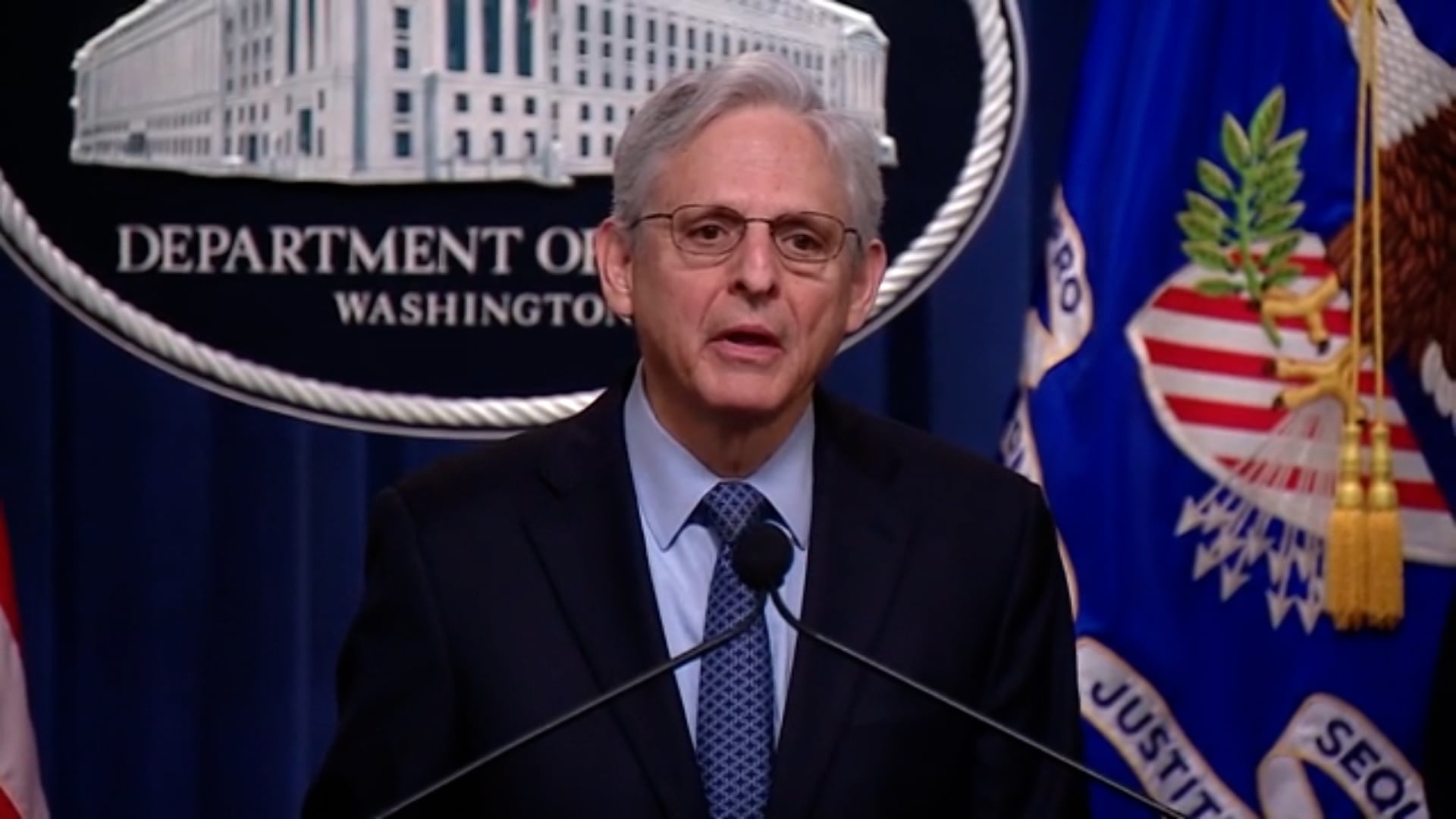
Abdallah Fayyad, opinion writer at the Boston Globe, joins Cheddar Politics to discuss the House's vote to hold former Trump aides Dan Scavino and Peter Navarro in contempt of Congress and send the recommendation to the Department of Justice. Fayyad also weighs in on the pressure facing Attorney General Merrick Garland to be more aggressive in prosecuting the January 6 case.
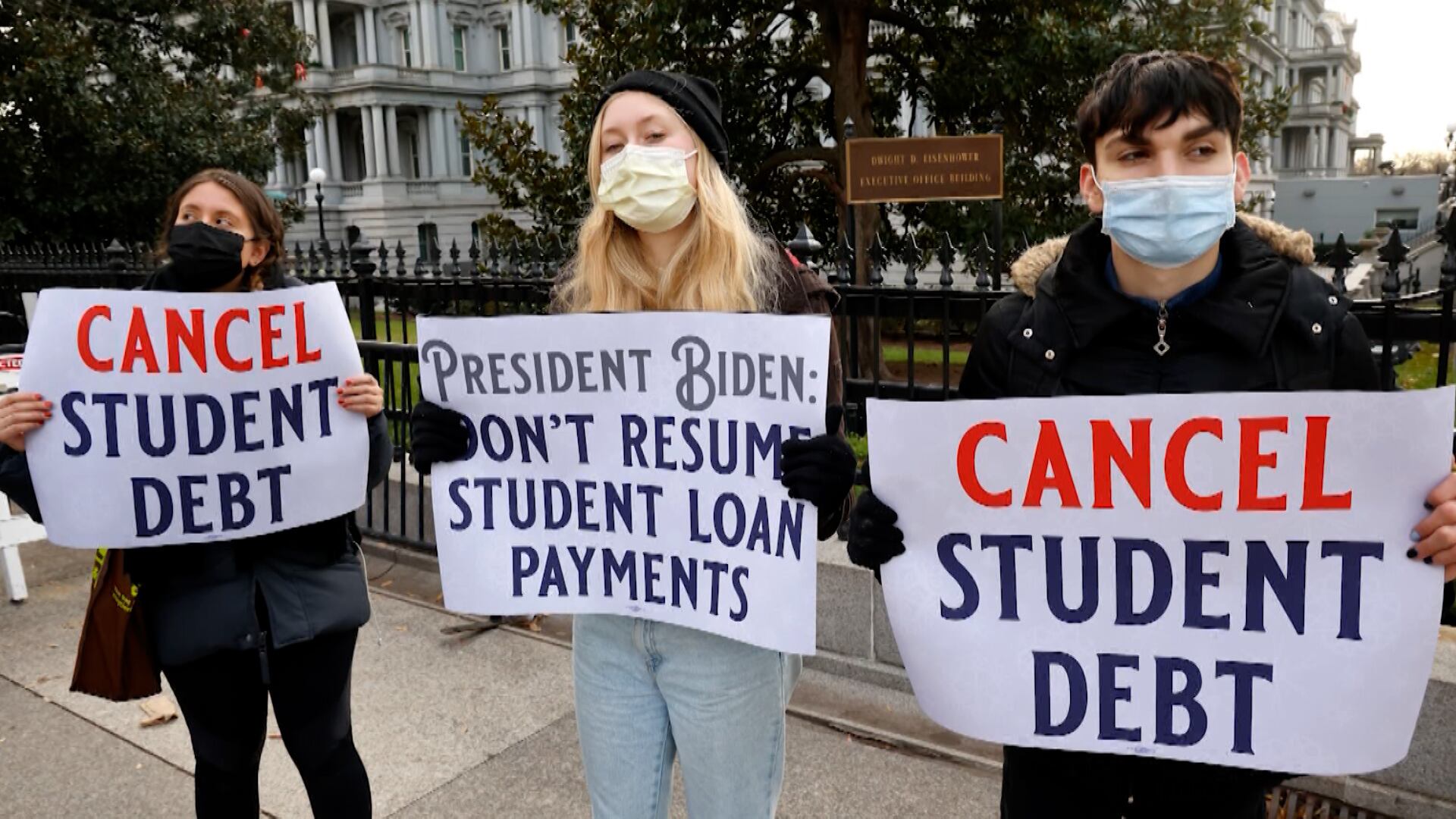
Those paying back federal student loans are getting a few extra months of relief. President Biden just announced another extension of the pandemic relief program allowing millions of borrowers to freeze their student loan payments. The pause began in March 2020 and it has been extended six times. Tomas Campos, co-founder and CEO of Spinwheel, joins Cheddar News to discuss.
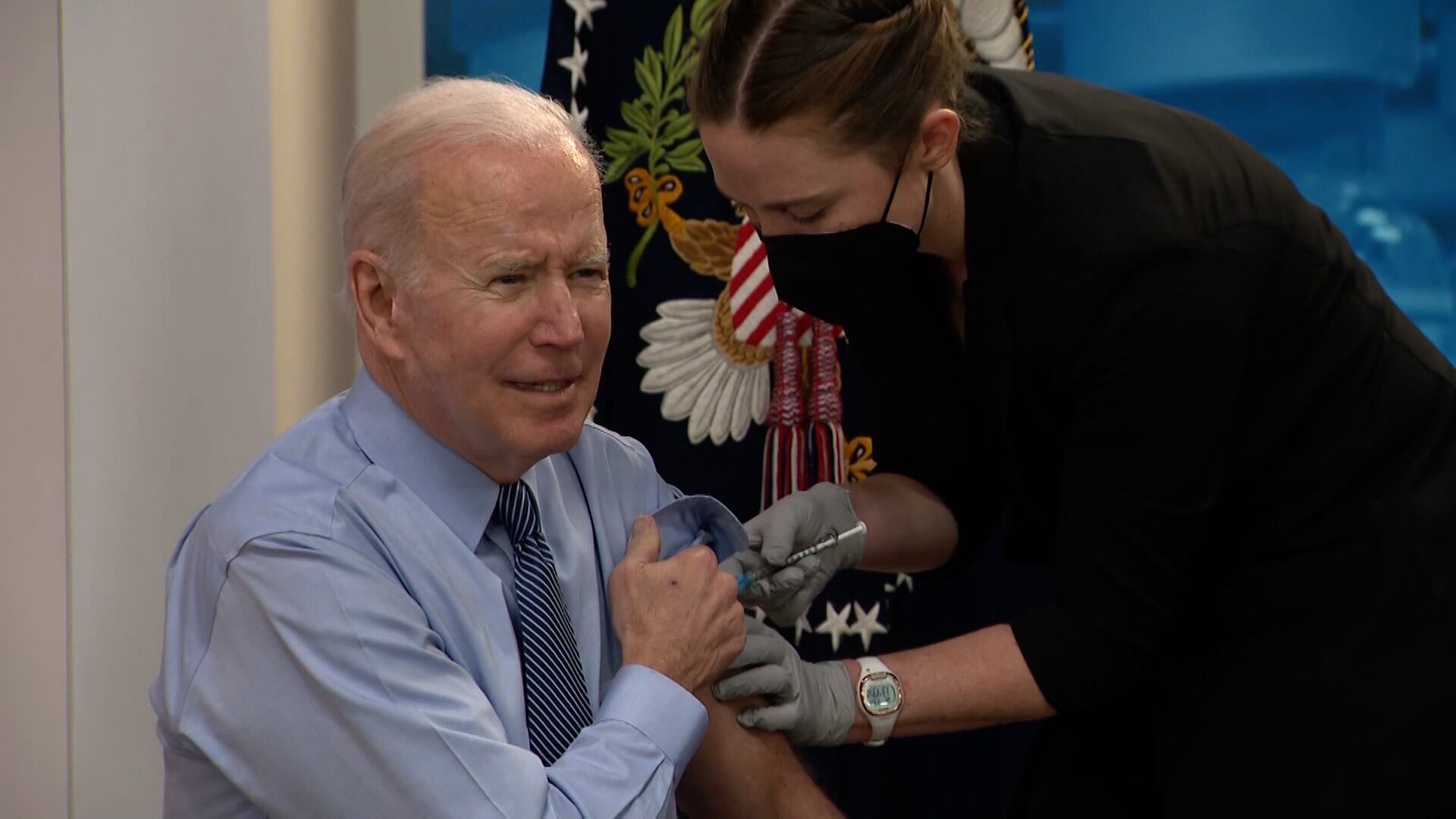
There has been notable disagreement in the medical community about a fourth COVID-19 vaccine dose. The FDA last week authorized a second booster dose for older and immunocompromised individuals, as some agency officials did not support the idea. The FDA made the decision without meeting with its advisory committee, as it had ahead of its recommendations on the previous COVID-19 vaccine doses.
The CDC followed in the footsteps of the FDA and authorized a fourth dose as well. Reports say the agency also did not discuss the move with its own advisory team of vaccine experts. Now, a growing number of doctors are speaking out against the decisions - leaving people confused about whether they should get another vaccine dose. Dr. Julie Morita, a member of the CDC's advisory committee to the director, and the executive vice president of the Robert Wood Johnson Foundation, joins Cheddar News' Closing Bell to discuss.
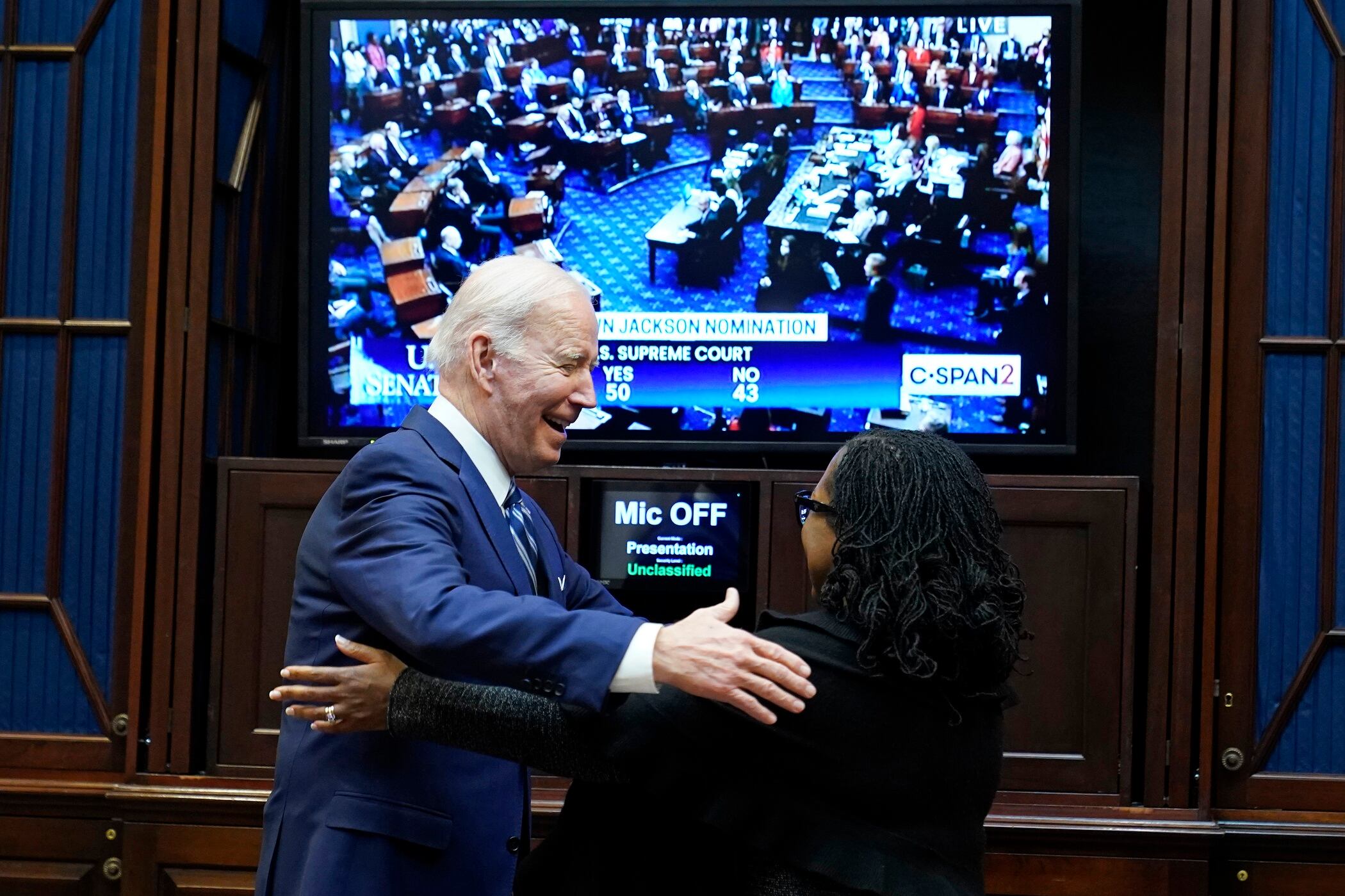
The Senate has confirmed Ketanji Brown Jackson to the Supreme Court, shattering a historic barrier by securing her place as the first Black female justice and giving President Joe Biden a bipartisan endorsement for his effort to diversify the court
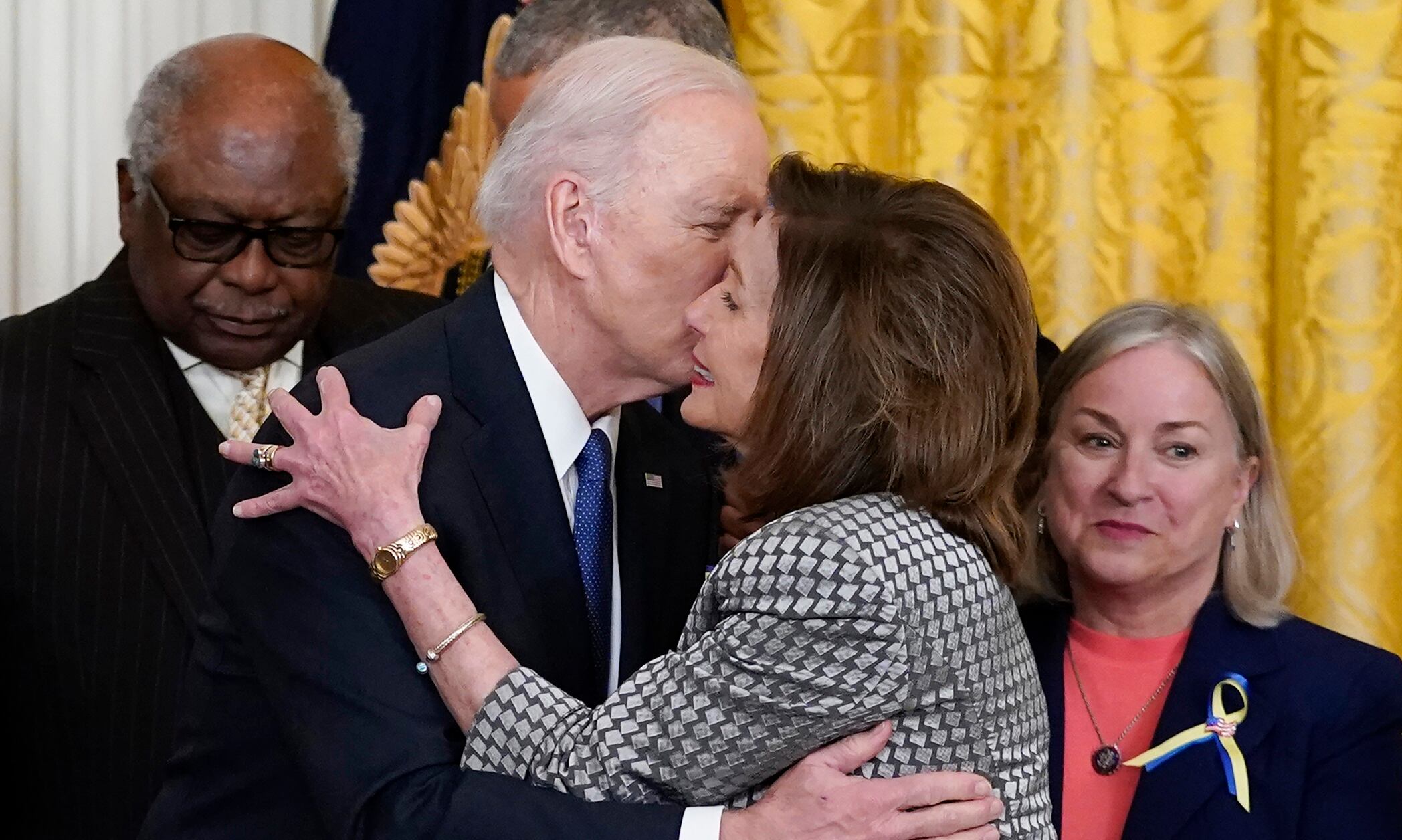
House Speaker Nancy Pelosi has tested positive for COVID-19, her spokesman says. That's a day after the 82-year-old Democratic leader appeared unmasked at a White House event with President Joe Biden.
JetBlue made an unsolicited offer to buy low-cost carrier Spirit Airlines, potentially jeopardizing the original offer from Frontier Airlines. Several analysts sounding the alarm on JetBlue's proposed $3.6 billion merger, saying the deal doesn't quite make sense. Jim Corridore, Senior Insights Manager at Similarweb joined Cheddar's Opening Bell to discuss.
The Biden administration is once again extending the pause on federal student loans payments — this time, through the end of August. In a statement, President Biden cited a recent analysis from the Fed that if the payments were to resume, millions of student loan borrowers would face significant "economic hardship, delinquencies, and defaults that could threaten America's financial stability." Sarah Foster, an analyst at Bankrate, breaks down the impact of the extension on borrowers, the economy, and the future of student loan forgiveness. "I think this is just an instance of the federal student loan forbearance program kind of creating additional uncertainty for borrowers, especially in the sense that these past four extensions from the Biden administration have kind of come at the 11th hour here," she said.